Female Welder Is Welding a Good Career for Women? Breaking Stereotypes and Embracing New Opportunities

Is Welding a Good Career for Women? 

Breaking Stereotypes and Embracing New Opportunities

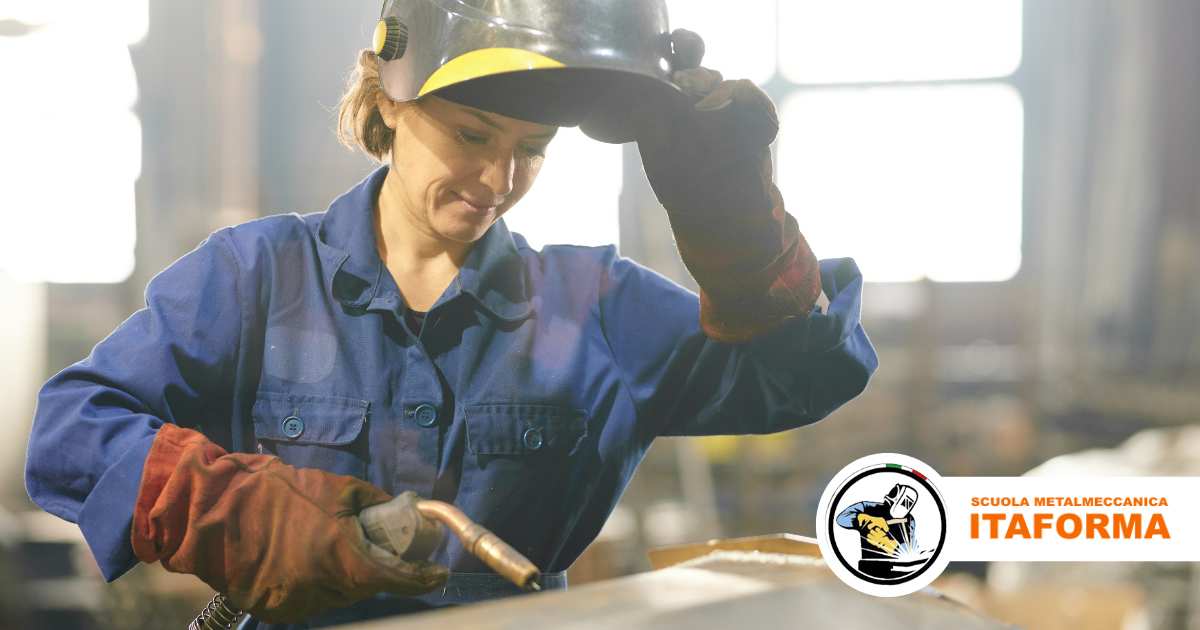
Welding has long been considered a male-dominated profession. However, in recent years, there’s been a growing number of female welders breaking through barriers and finding success in this field. The question is, is welding a good career for a woman? With increasing job opportunities, higher earning potential, and the ability to work in a variety of sectors, welding is fast becoming a great career option for women. More women are realizing that this skilled trade not only offers job security, but also provides an opportunity to grow professionally and financially.

From female welders in the automotive industry to those working in high-tech sectors like aerospace or shipbuilding, women are entering welding in greater numbers and proving that their skills, attention to detail, and passion for the craft are just as valuable as their male counterparts.

The Growing Demand for Female Welders: A High-Earning, Secure Career

The welding industry is currently undergoing a transformation, with women playing an increasingly important role in this shift. There’s a clear demand for skilled welders, and this demand is opening up exciting opportunities for female welders across various industries. Welding is a high-paying job that offers long-term career prospects, and the earning potential can be particularly attractive.

According to industry data, the average salary for a welder can range from $40,000 to over $70,000 annually, depending on experience and specialization. Some sectors, like nuclear power, shipbuilding, and heavy manufacturing, offer even higher wages. This is a significant draw for many women, especially those looking for stable, financially rewarding careers.

The fact that welding is a hands-on job—requiring both technical skill and physical strength—can be an appealing aspect for many women. The profession allows you to create tangible results, work in dynamic environments, and have a clear impact on the projects you’re involved in. This combination of earning potential, job satisfaction, and the opportunity to see the fruits of your labor makes welding a great career option for women seeking both personal and professional fulfillment.

Women Who Weld: Empowering Women in Detroit’s Welding Industry

One shining example of how women are making waves in welding is the Women Who Weld organization in Detroit. This nonprofit initiative has been instrumental in providing women with the skills and opportunities to break into the welding industry. Founded by a female welder, Women Who Weld offers training programs that focus on empowering women and helping them build careers in welding.

Through hands-on workshops and mentorship programs, Women Who Weld equips women with the skills they need to succeed in this male-dominated field. The organization helps women from all backgrounds, many of whom are seeking a career change, to transition into welding—providing them with not only the technical expertise but also the confidence to thrive in a traditionally male profession.

The success stories from Women Who Weld serve as a powerful testament to the potential for women in welding. Women who have participated in the program have gone on to secure jobs in various sectors, from construction to manufacturing, and many have become role models for future generations of female welders. Their stories highlight the fact that welding offers women not just a job, but a path to financial independence and personal growth.
Is Welding a Good Career for Women? Yes—And Here’s Why

So, is welding a good career for women? Absolutely. There are plenty of reasons why welding can be an excellent career choice for women:

  1. High Earning Potential: As mentioned, welding offers high wages, with opportunities for career advancement and specialization that can significantly increase earning potential. The welding industry is in high demand, and female welders are reaping the benefits.

  2. Job Stability: The demand for skilled tradespeople is only increasing. Whether you’re working in construction, aerospace, shipbuilding, or nuclear energy, welding offers a secure, recession-proof career. As a female welder, you’ll have access to opportunities in a wide range of industries, which means more job security and stability.

  3. Growth and Advancement: Welding is a trade that offers room for growth. You can specialize in specific types of welding (like TIG, MIG, or underwater welding), or you can pursue positions of leadership and management within a welding shop or manufacturing plant. For female welders, the career path is wide open, with endless opportunities to develop your skills and advance in your profession.

  4. A Chance to Break Stereotypes: Welding is still considered a male-dominated field, and many women find that the challenge of excelling in such a profession is deeply rewarding. It allows female welders to prove that women can succeed in any industry, no matter how traditionally masculine it might seem.

  5. Empowerment and Independence: Learning a skilled trade like welding not only opens doors to financial security but also gives women the tools they need to become independent, confident, and empowered. Women in welding are paving the way for others to follow, proving that there’s no limit to what they can achieve.
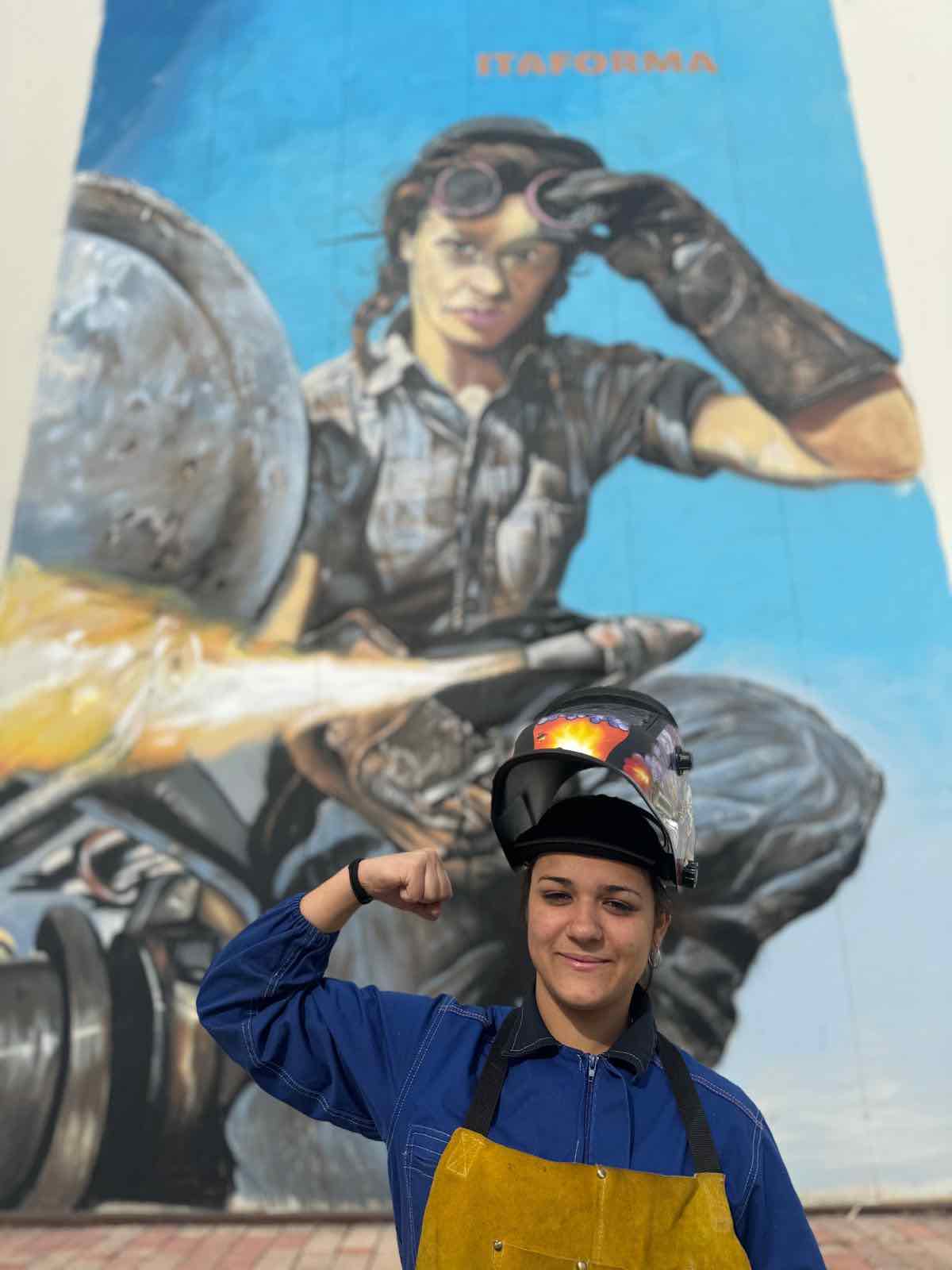
ITAFORMA: A Gateway for Women to Transform Their Careers

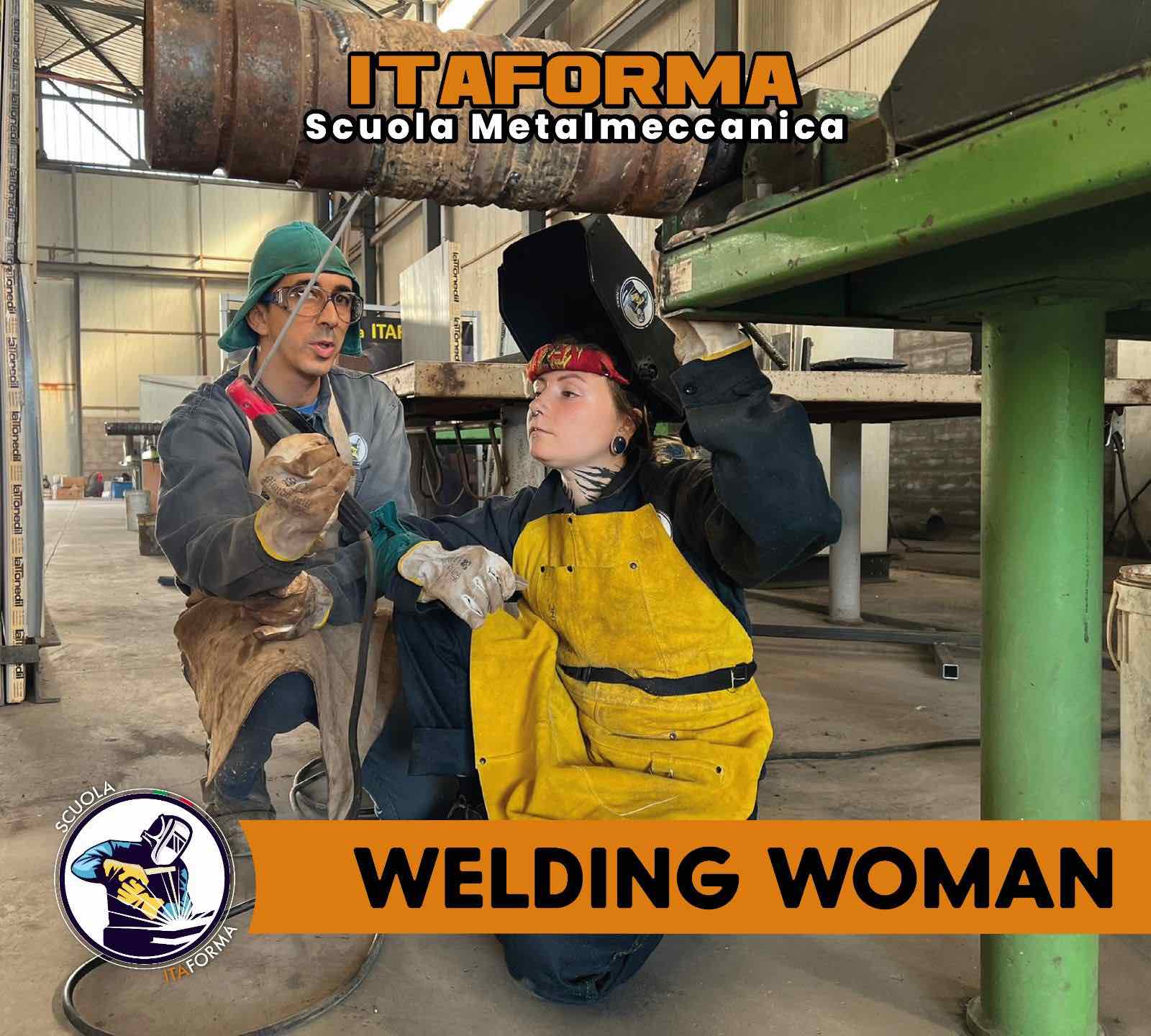
In addition to organizations like Women Who Weld, institutions such as ITAFORMA are playing a pivotal role in helping women transition into welding. ITAFORMA, one of the top welding schools in Italy, provides a rapid and effective training program designed to help women shift careers and take advantage of the opportunities in the welding industry.

At ITAFORMA, women can complete an intensive, condensed welding program that equips them with the skills necessary to land stable, well-paid jobs. The school’s approach to rapid training allows women to make a career change in a matter of weeks—giving them the chance to boost their standard of living quickly. With a dedicated campus, students can immerse themselves fully in their training, without distractions, ensuring a focused and efficient transition into the workforce.

Through schools like ITAFORMA and programs like Women Who Weld, women can take the first steps toward a career in welding, opening the door to a world of possibilities. Whether you’re seeking financial independence, a new challenge, or the chance to work in an exciting, high-demand industry, welding can be the perfect career choice.

Female Welders: A Bright Future Ahead

Welding is not just a good career for women—it’s an outstanding career choice. With high earning potential, job security, and countless opportunities for growth, it’s clear that women have a strong future in this field. Thanks to programs like Women Who Weld, schools like ITAFORMA, and a growing recognition of the skills that female welders bring to the table, the future of women in welding is bright. It’s a field where women can thrive, break barriers, and build a rewarding and secure career for themselves.

So, if you’re wondering if welding is a good career for women, the answer is a resounding yes. Take the first step today, and you may just discover a profession that offers not only a secure future but also the chance to create, grow, and succeed on your own terms.
The Welder’s Profession: training, skills, career

The Welder Profession

Definition of the Welder (According to the UNI EN ISO 9606: 2017 Standard)

A welder is a professional who manipulates and manually guides tools such as an electrode holder, a welding torch, or a welding flame.

1. What Does a Welder Do?

A welder’s job is highly diverse, covering a wide range of tasks. No two workdays are the same for a welder, which makes the profession both exciting and challenging. Their primary role is to assemble different materials to create components used in many industries, including automotive, nuclear, petrochemical, food processing, railways, and many others.

Welders can work in sectors such as construction, engineering, or aerospace. Their tasks generally involve assembling pre-cut pieces according to a specific diagram or plan, in order to create specific structures or products. 

They may also need to follow strict procedures to ensure the quality of the welds. Additionally, welders often carry out preventive maintenance on their equipment, such as welding machines, and replace consumables used in the process.

2. Different Aspects of the Profession of welder

A welder can perform their job in various ways, depending on the technologies and welding processes used. For instance, they may specialize in traditional manual welding or work with welding robots.
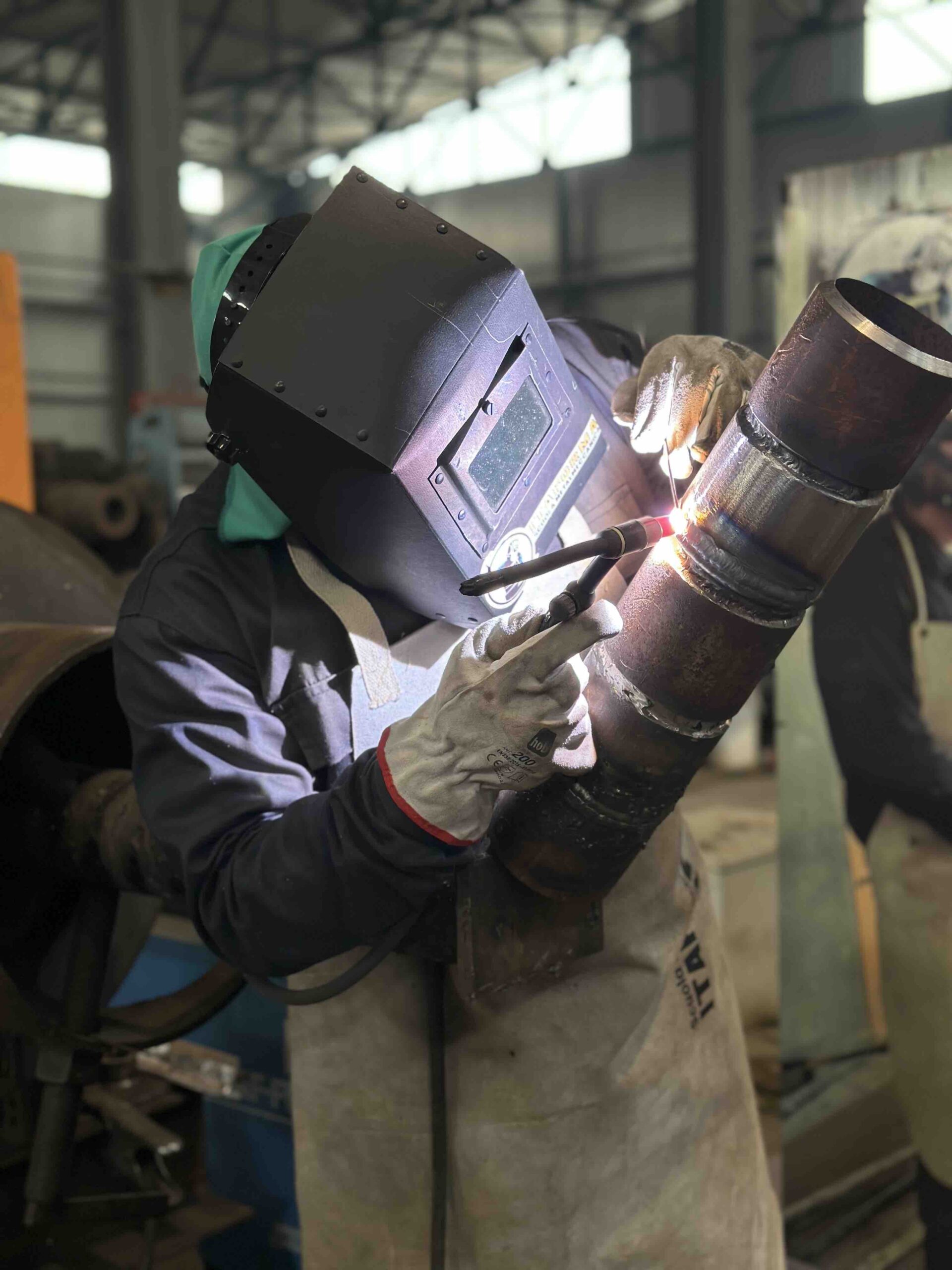
There are several types of welding, including MIG, MAG, TIG, and electrode welding. Some welders may be required to work in extreme environments, such as construction sites, oil platforms, or even as underwater welders under challenging conditions.

3. Materials Used by Welders

Welders work with a wide variety of materials, including:

  • Steels
  • Stainless steels
  • Metal alloys

Depending on the welding processes, such as MIG/MAG, TIG, or coated electrodes, the welder must be proficient in handling these materials. Some also use advanced technologies, such as laser welding. It’s important to note that the profession of welding carries certain risks, so the use of personal protective equipment (PPE) is essential.

4. Skills Required to Become a Welder

To become a welder, several skills are necessary. A welder must have great focus and manual dexterity. They must also be familiar with the latest technologies and welding methods. A solid understanding of various welding techniques and the ability to choose the right equipment is crucial. The job demands precision and a strong problem-solving ability. While an in-depth knowledge of mathematics is not an absolute requirement, it can be an asset for a versatile welder who is capable of performing various tasks in the same work environment.

5. Training Required to Become a Welder

To pursue a career as a welder, it is essential to undergo certified training that provides the specific technical skills required in this field. 

Welding training programs are designed to teach the basics of the profession, depending on the processes and materials used. Each institution offers diverse courses, which vary according to the techniques taught and materials used.

The most effective training programs focus on the practical aspect, as welding requires perfect mastery of techniques and tools. 

Hands-on experience is essential for developing the necessary skills.

An example of a quality training program is offered by Itaforma, designed by professionals in the field to meet the real needs of active welders.

This program is centered on practice, with metallurgy workshop sessions where each student works at their own workbench and uses their own welding machine for 8 hours a day.

Theory is addressed outside of these practical hours, either in-person or online, so as not to interfere with the hands-on work. At the end of the training, students must pass a practical exam in a metallurgy workshop, following current safety standards. 

This test, which assesses welding technique proficiency, leads to the award of the UNI EN ISO 9606.1 certification, a recognized certification that attests to the welder’s professional skills.

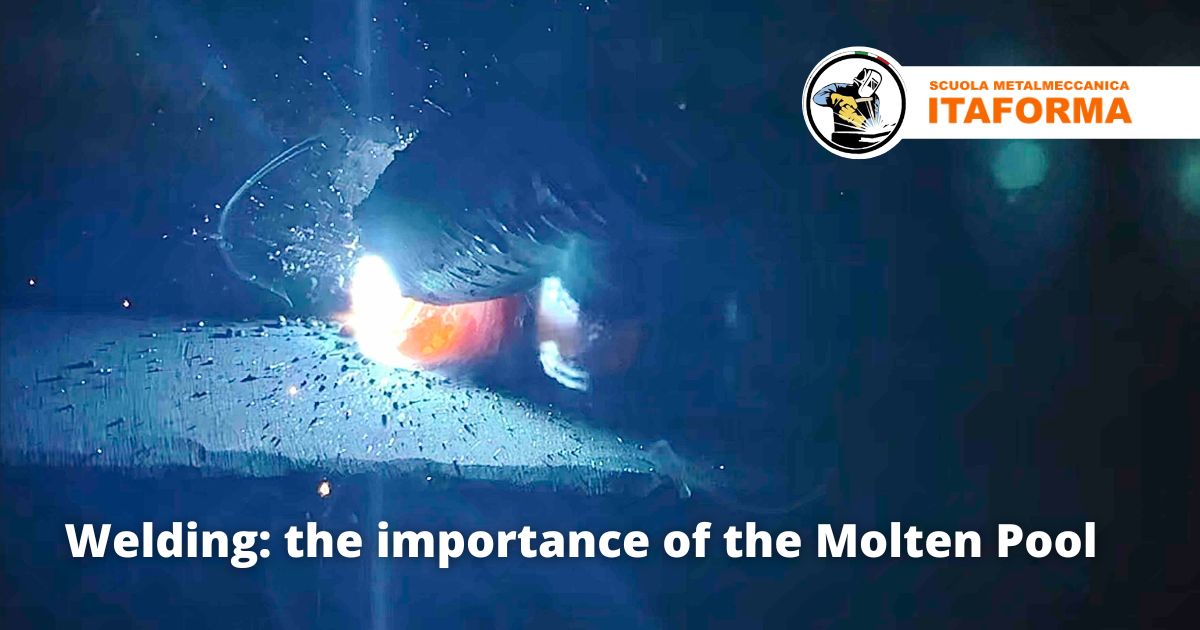
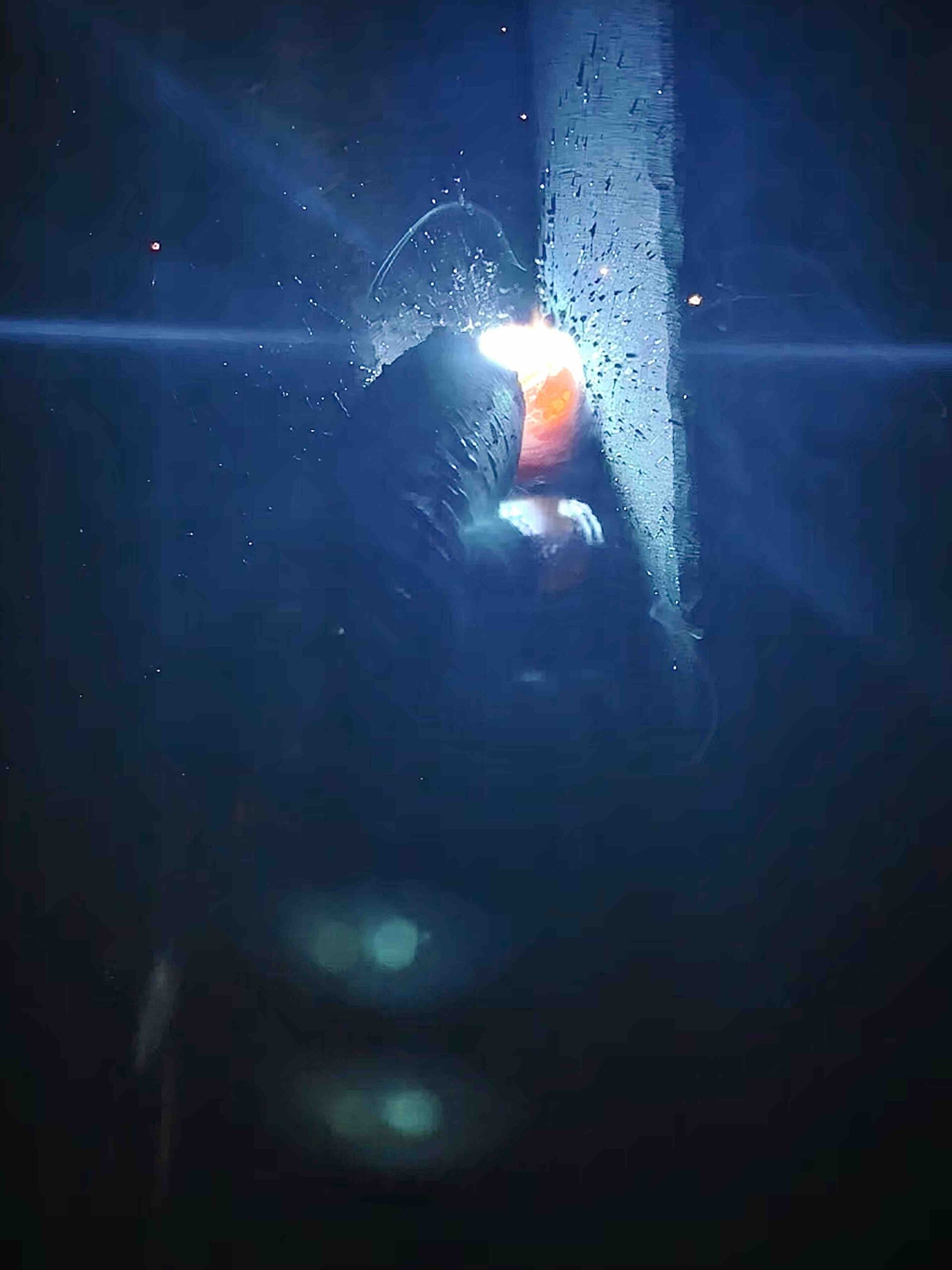
Soudage : l'importance du bain de fusion

Le bain de fusion est un élément clé du soudage, un procédé métallurgique qui permet d'assembler des matériaux métalliques en créant une zone fondue qui, en refroidissant, assure la cohésion et la solidité de l'assemblage.

Comprendre les caractéristiques et le comportement du bain de fusion est essentiel pour les soudeurs professionnels, qu'ils utilisent le TIG, le MIG/MAG ou le soudage à l'électrode.

Soudage TIG : un bain de fusion petit et stable

1.1 Principes du soudage TIG

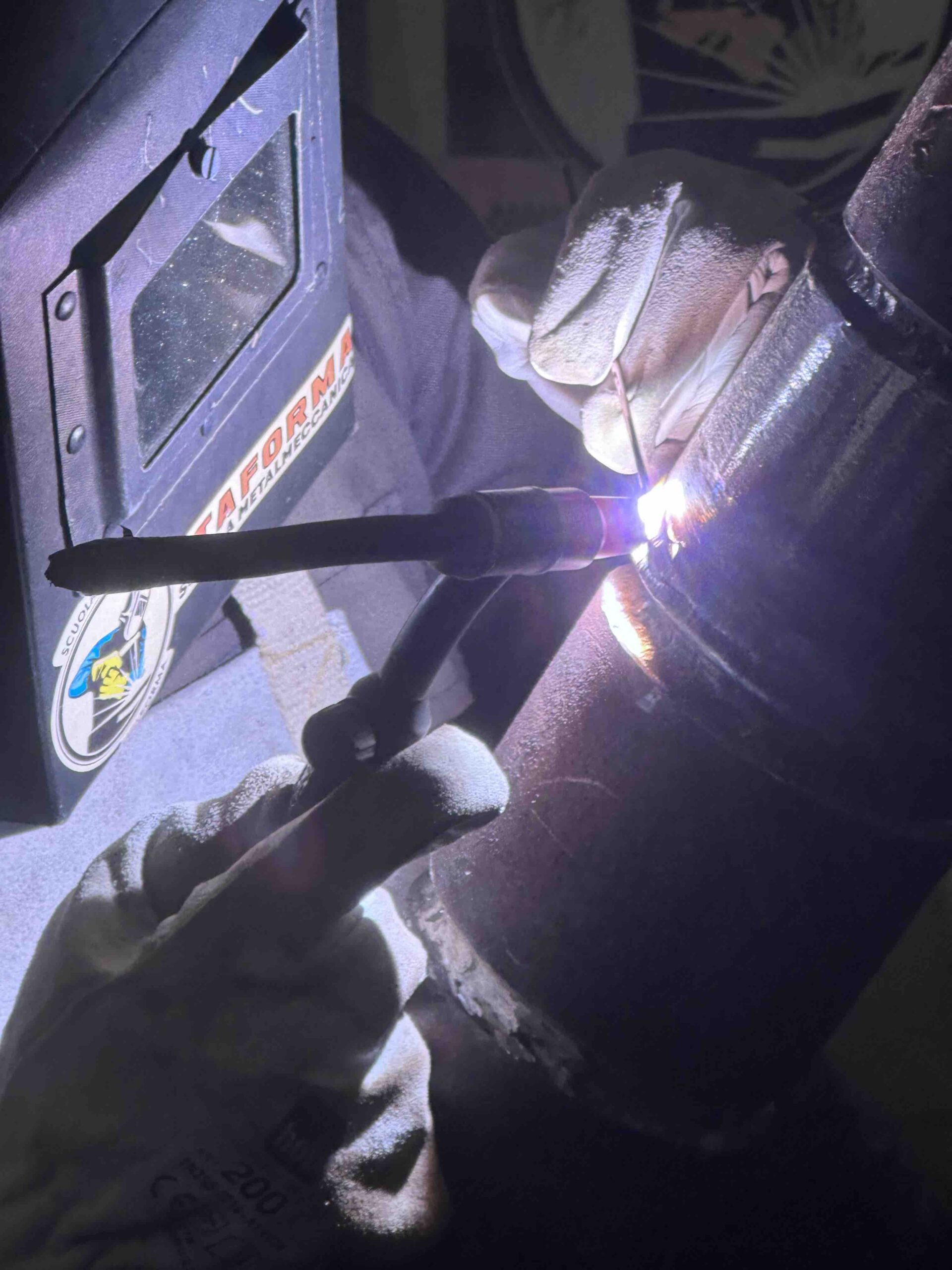
Le procédé de soudage TIG (Tungsten Inert Gas) repose sur l'utilisation d'un arc électrique généré entre une électrode de tungstène non consommable et la pièce à souder. Ce procédé permet une grande précision grâce à un bain de fusion très contrôlé.

1.2 Caractéristiques techniques du bain de fusion TIG

Le bain de fusion formé par le procédé TIG est relativement petit et stable. Cette stabilité est due à plusieurs facteurs techniques clés. Tout d'abord, le flux de gaz inerte (généralement de l'argon) est réglable et joue un rôle essentiel dans la protection du bain contre l'oxydation.

Le gaz crée une enveloppe protectrice autour de la zone de fusion, empêchant toute réaction chimique indésirable avec l'atmosphère, telle que la formation d'oxydes ou de nitrures. Deuxièmement, le contrôle précis de l'apport de chaleur est un autre élément fondamental. La chaleur de l'arc électrique peut être réglée à l'aide d'une pédale ou d'un régulateur sur la torche, ce qui permet au soudeur de s'adapter à la nature et à l'épaisseur du matériau. Par exemple, il est essentiel de réduire la chaleur pour éviter les déformations thermiques dans les tôles minces ou pour minimiser les contraintes résiduelles dans les structures sensibles.

Le choix de l'électrode en tungstène est également déterminant pour la stabilité du bain. Une électrode trop fine peut entraîner une instabilité de l'arc, tandis qu'une électrode trop grosse peut surchauffer la zone de fusion.
Le diamètre de l'électrode doit être choisi en fonction de l'intensité requise et des caractéristiques du métal de base. Enfin, une technique de soudage appropriée, associée à un mouvement régulier et à une vitesse constante, garantit que le bain de fusion reste homogène et exempt de défauts. Les risques courants à surveiller sont la porosité, généralement causée par une contamination par le gaz ou le matériau, et les fissures de solidification dues à un refroidissement trop rapide. Une attention particulière à ces aspects garantit des soudures solides et esthétiques.

1.3 Applications et avantages

Le soudage TIG est idéal pour les assemblages de haute qualité dans des applications telles que la tôlerie fine, les tuyaux en acier inoxydable et les alliages complexes. Ce procédé garantit une adhérence exceptionnelle entre les matériaux tout en minimisant les déformations grâce à la maîtrise du bain de fusion.

Soudage MIG/MAG : un bain de fusion spectaculaire

2.1 Fonctionnement de la MIG/MAG

Les procédés de soudage MIG (Metal Inert Gas) et MAG (Metal Active Gas) utilisent un fil-électrode consommable alimenté en continu et un gaz protecteur. Le bain de fusion est créé par l'arc électrique entre le fil et le matériau de base, ce qui permet un assemblage rapide et efficace.

2.2 Formation et stabilité du bain de fusion en MIG/MAG

Dans le procédé MIG, le gaz inerte (souvent de l'argon ou un mélange d'argon et d'hélium) assure une protection optimale contre l'oxydation. Dans le MAG, le gaz actif (comme le CO2) favorise une pénétration plus profonde du bain de fusion.
C e bain de fusion est plus important qu'en soudage TIG, ce qui facilite le soudage de tôles plus épaisses. La stabilité du bain de fusion en MIG/MAG dépend également du contrôle précis de paramètres tels que la tension de l'arc, la vitesse d'avance du fil-électrode et le débit du gaz protecteur. Un réglage correct de ces facteurs permet d'obtenir une fusion uniforme, ce qui réduit les risques de projections ou de porosité. En outre, la dynamique du bain peut être influencée par les caractéristiques du fil utilisé, telles que son diamètre et sa composition. Par exemple, l'utilisation de fils spécifiques comme les alliages d'aluminium ou d'acier inoxydable garantit une qualité de soudure optimale pour une variété d'applications.

2.3 Utilisations et avantages courants

Le procédé MIG/MAG est particulièrement adapté à la fabrication industrielle, notamment dans des secteurs tels que l'automobile et la construction métallique. Il permet de souder rapidement des rails, des tubes et des structures métalliques tout en assurant une forte cohésion des assemblages.

Soudage à l'électrode : un bassin plus petit avec un refroidissement rapide

3.1 Comprendre le soudage à l'électrode

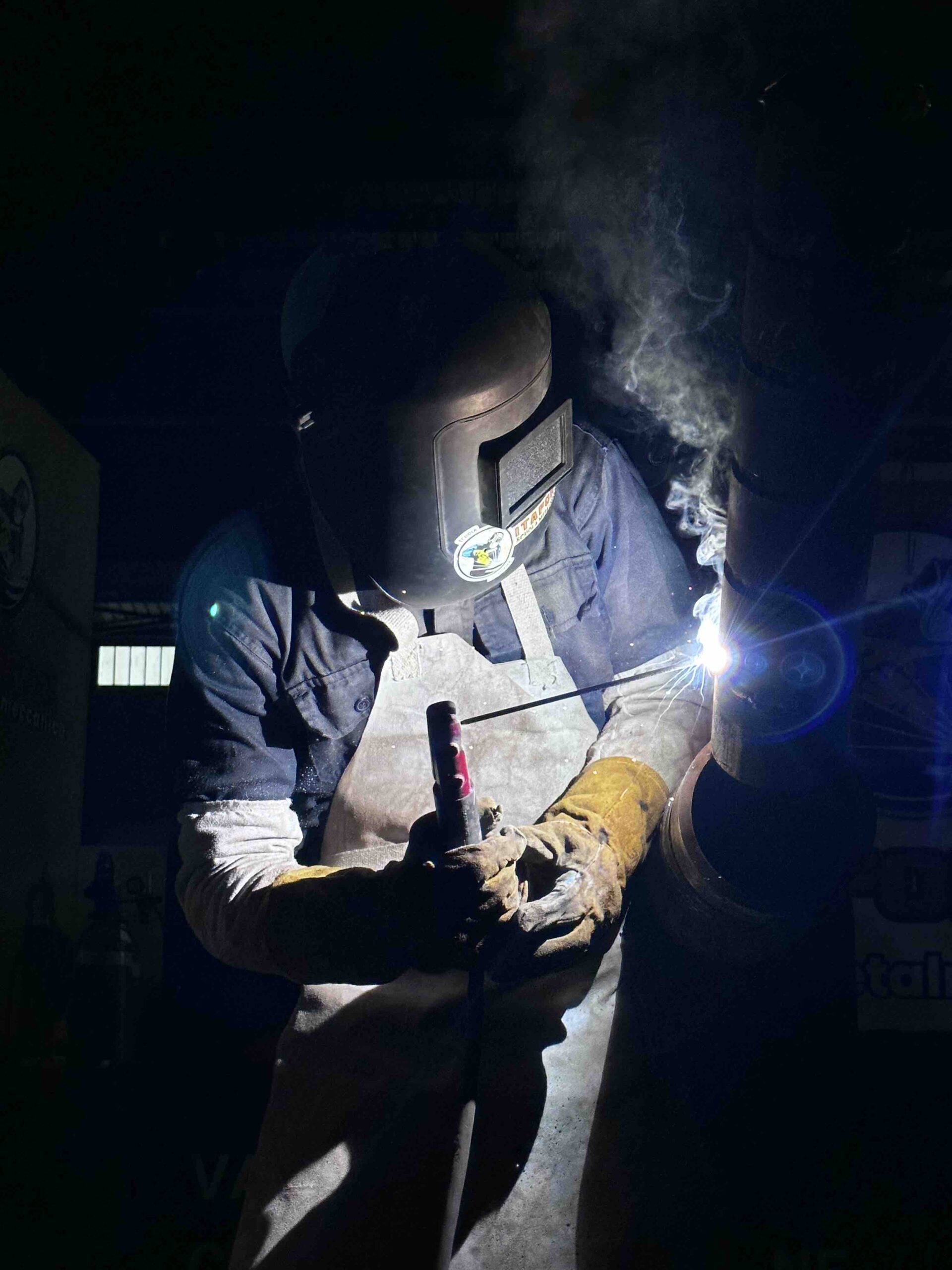
Le soudage à l'électrode, ou MMA (Manual Metal Arc), utilise une électrode consommable enrobée. L'arc électrique fait fondre l'électrode et le matériau de base pour créer le bain de fusion, tandis que l'enrobage forme un écran gazeux protecteur.

3.2 Caractéristiques du bain de fusion en MMA

Le bain de fusion du soudage MMA est relativement petit et se refroidit rapidement, ce qui présente des avantages pour les travaux de réparation, le soudage vertical ou aérien et l'assemblage de pièces épaisses.
La capacité du bain de fusion à se solidifier rapidement réduit le risque de déformation des matériaux environnants, un avantage crucial pour les applications sur site. Toutefois, ce refroidissement rapide exige une plus grande compétence technique de la part du soudeur. Il doit veiller à ce que la température de l'arc soit stable et utiliser l'électrode adaptée au matériau de base afin d'éviter les défauts tels qu'une mauvaise adhérence, des fissures ou des inclusions de laitier. Ces scories, formées par la combustion de l'enrobage, doivent être soigneusement éliminées pour garantir la qualité du joint de soudure.
Par conséquent, un nettoyage rigoureux entre les passes est essentiel pour éviter d'affaiblir l'intégrité structurelle de l'assemblage. En outre, bien que lebain de fusion du MMA soit plus petit que celui d'autres procédés, il est idéal pour les applications exigeant une grande précision.

3.3 Applications et limites du soudage par électrodes

Le soudage à l'électrode est couramment utilisé pour les réparations structurelles, les travaux de chaudronnerie lourde et les installations de tuyauterie. Son principal avantage réside dans sa simplicité et sa capacité à souder dans des conditions difficiles, bien que la précision du bain de fusion soit inférieure à celle des procédés de soudage TIG et MIG/MAG.

Conclusion

Le bain de fusion joue un rôle fondamental dans la qualité des soudures réalisées à l'aide des procédés de soudage TIG, MIG/MAG et à l'électrode. Sa maîtrise nécessite une connaissance approfondie des matériaux, des paramètres de soudage et des contraintes opérationnelles. 

Qu'il s'agisse de souder des rails, des tôles ou des alliages complexes, une solide compréhension du comportement du bain de fusion garantit des assemblages solides et durables qui répondent aux exigences des soudeurs professionnels et des industries modernes.