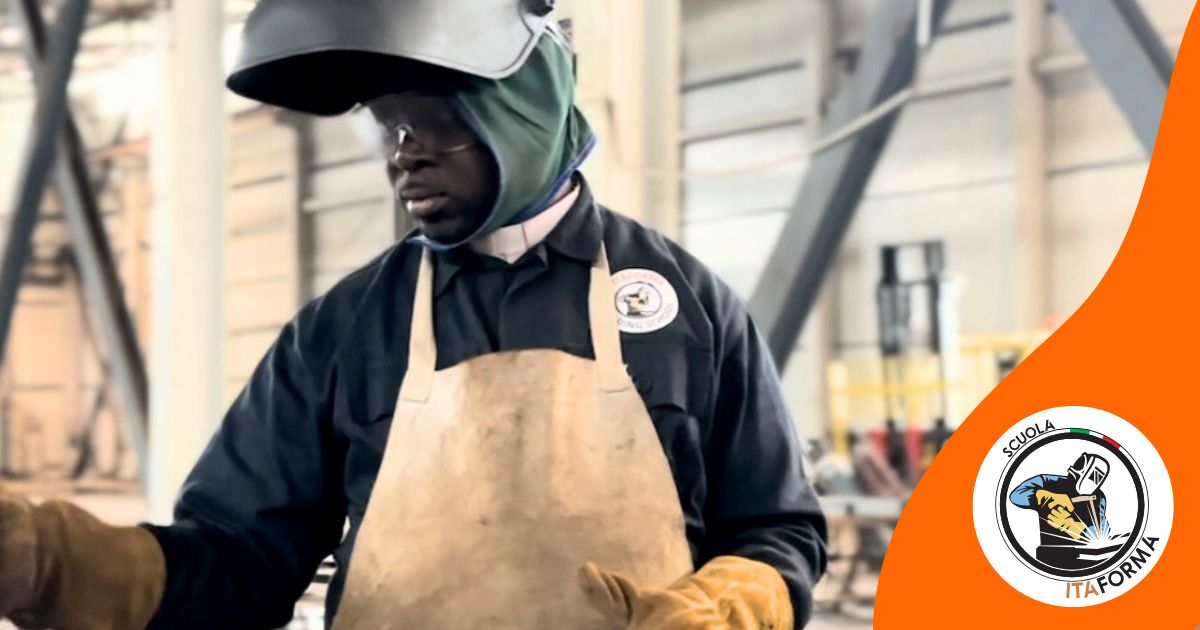
Bootcamp Itaforma: learn to weld in record time

Bootcamp Itaforma: learn to weld in record time

Learn to weld smarter not harder

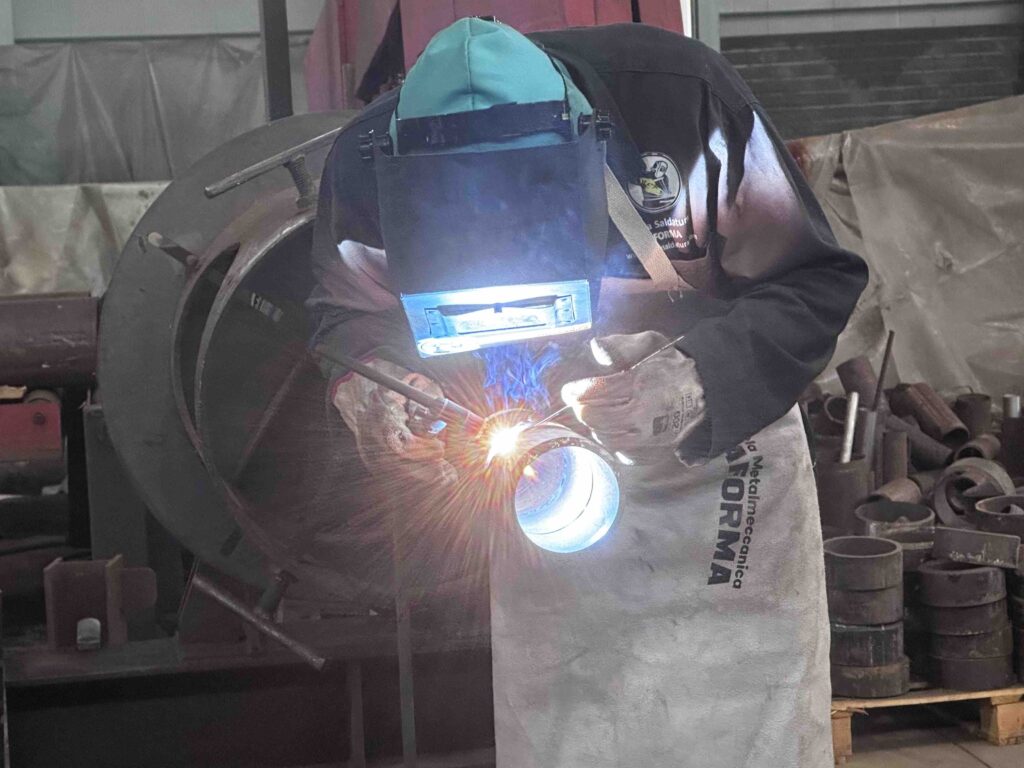
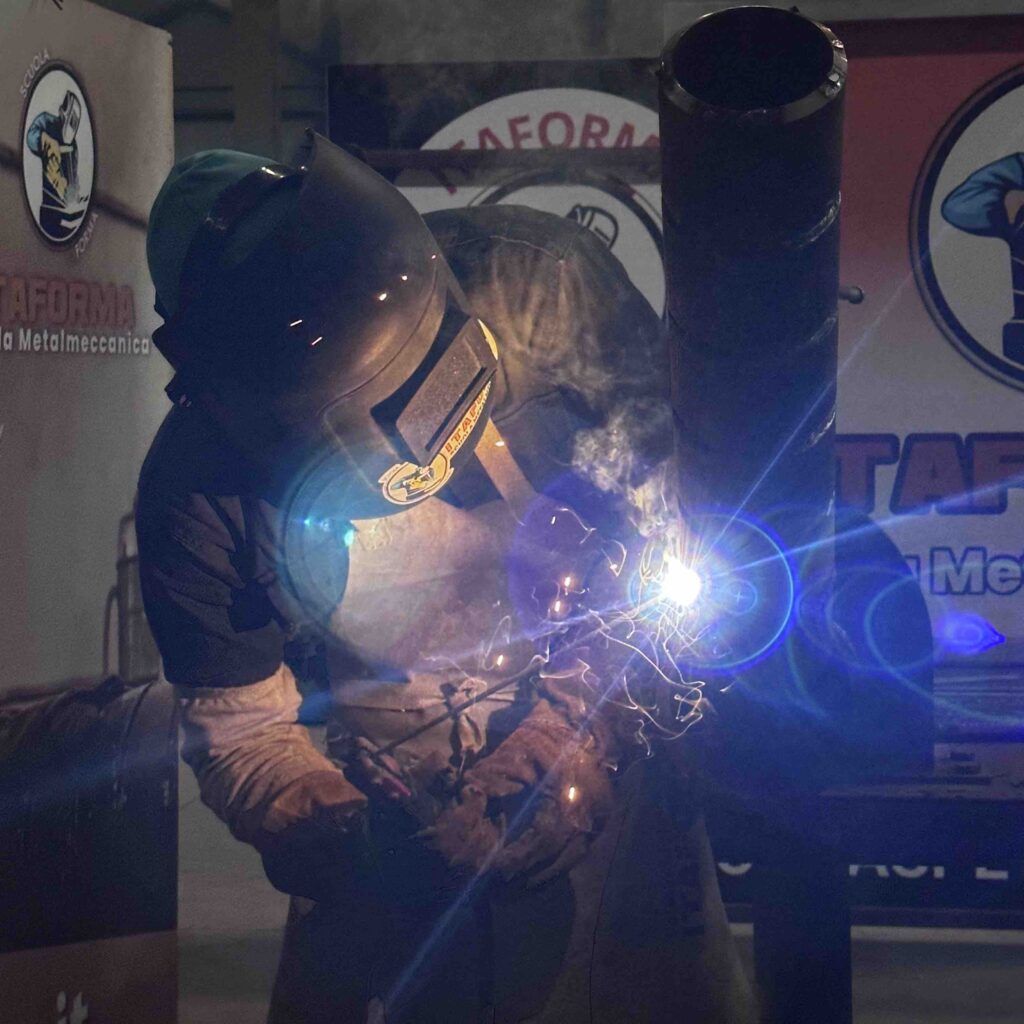
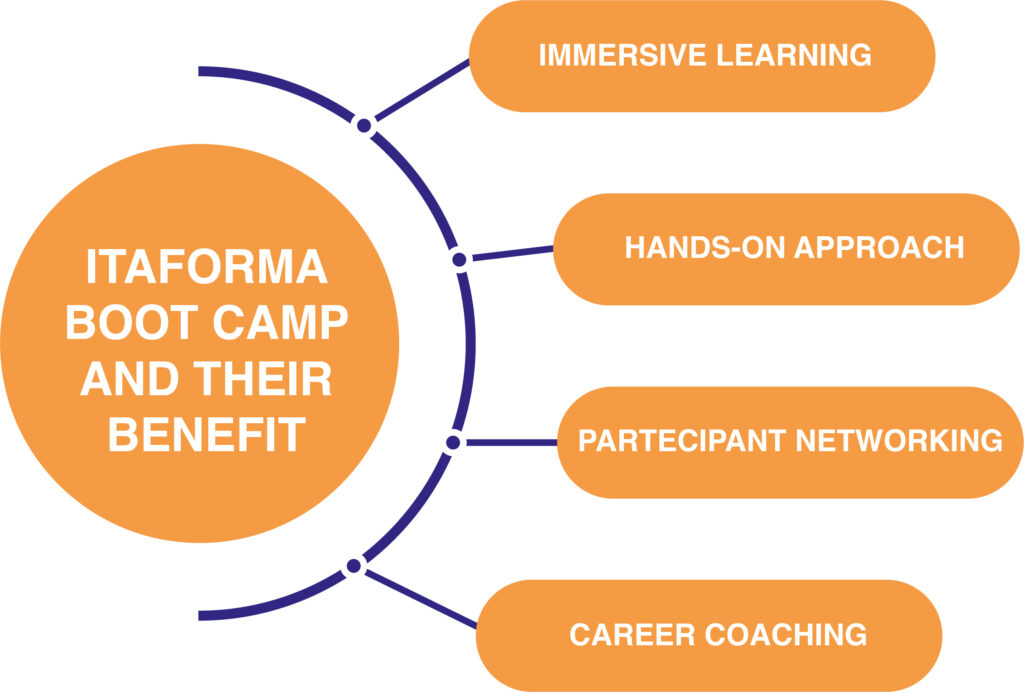
The term bootcamp is no longer confined to the military. Today it refers to an intensive training method that focuses on the essentials: practice. We at ITAFORMA have rethought this concept to adapt it to a practical and sought-after profession: learning to weld.

Our goal? To offer an intense and extremely practical course designed for those who want to learn welding in a professional and serious way, whether for retraining, upgrading or seeking their first job.
Bootcamp Itaforma: learn to weld in record time

Learn to weld in an intense and practical welding way

ITAFORMA bootcamps present a clear and effective structure: intensive courses focused on acquiring the skills essential to welding in a professional context.
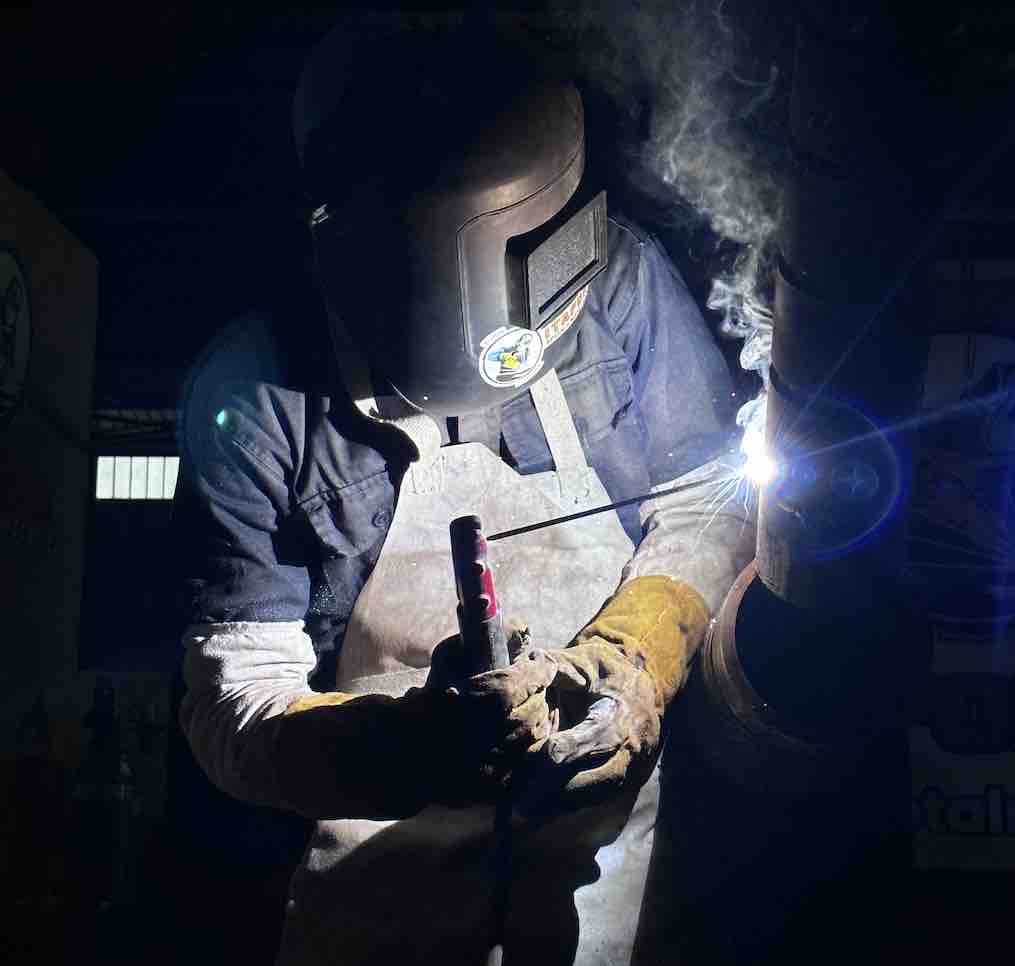
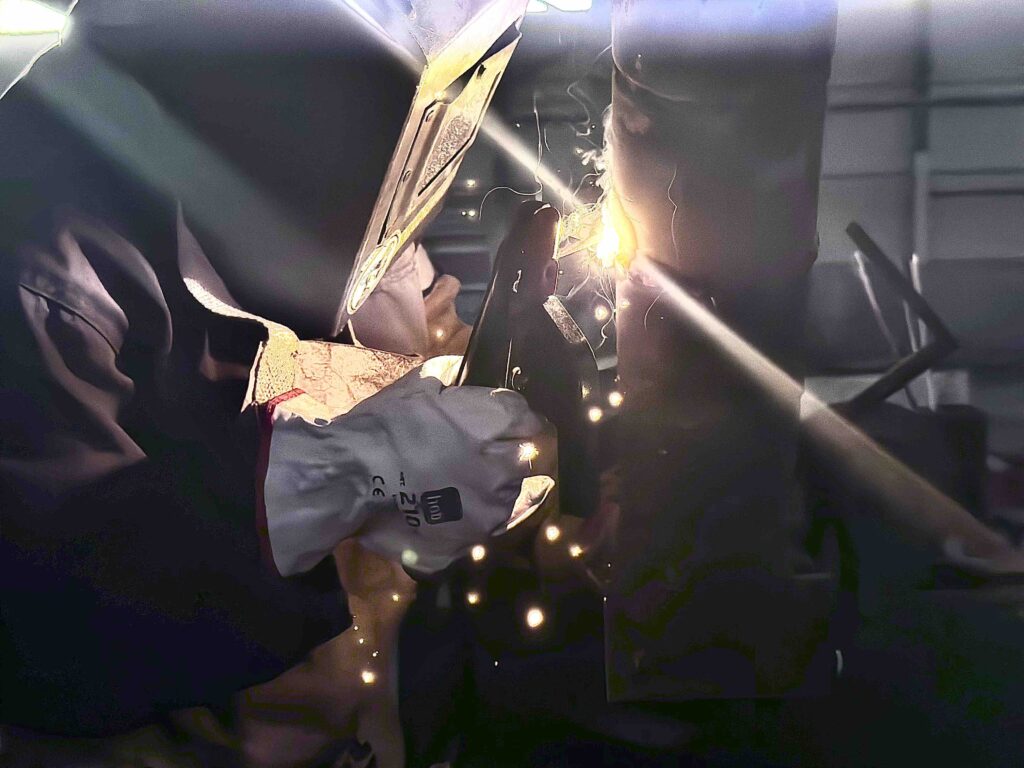
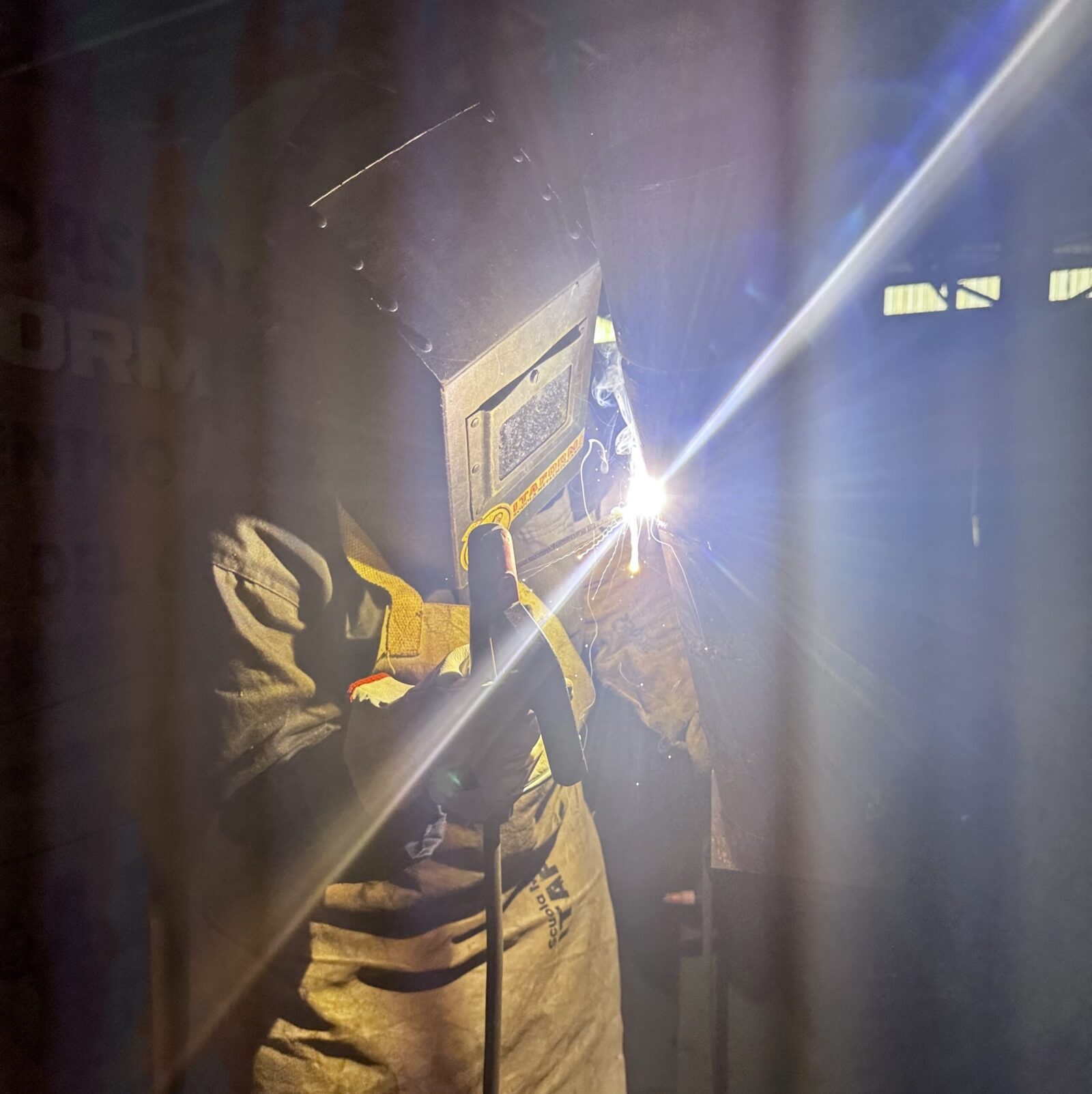
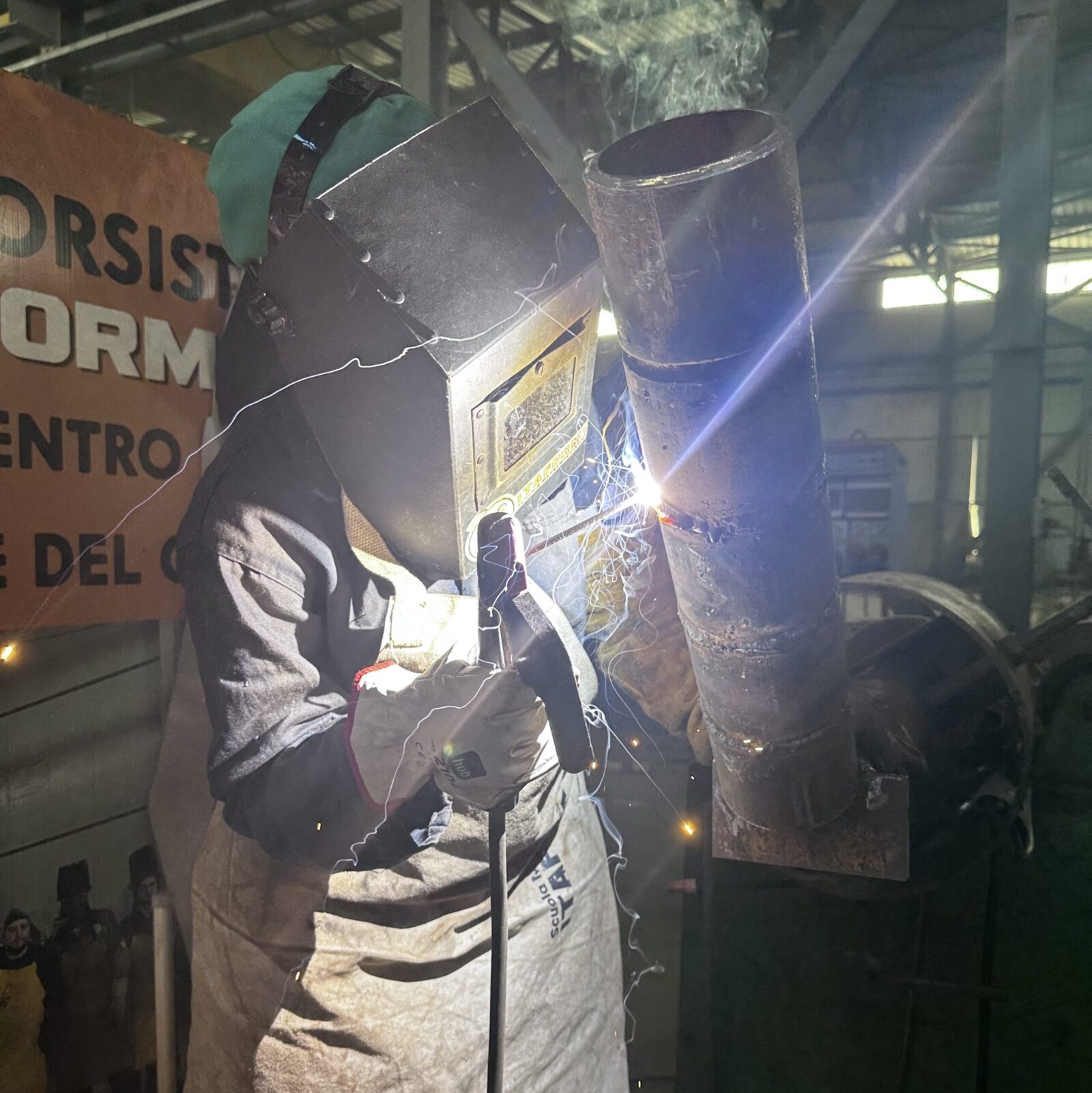
Learning takes place in real operating situations, both through practical activities in the field and in organizational work management, simulating a real work trip.
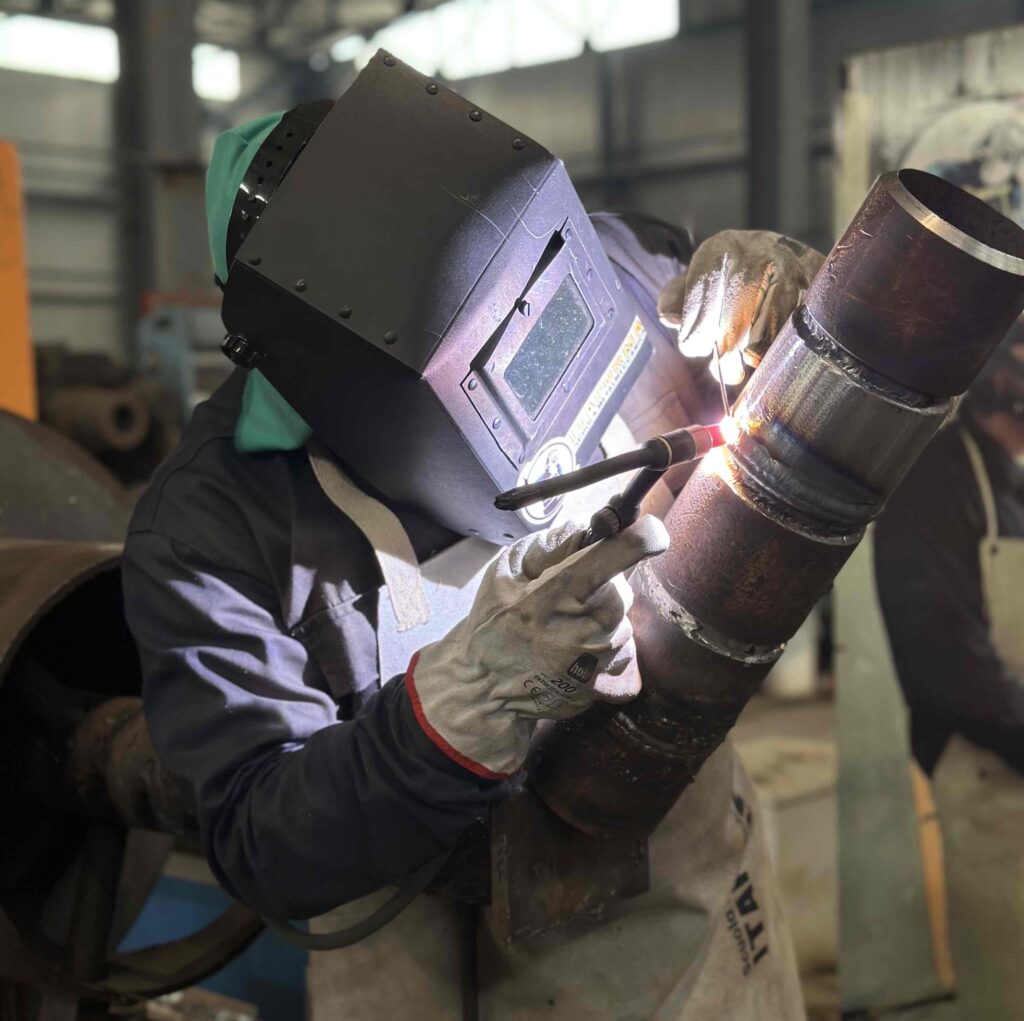
Each session is designed to teach welding under concrete conditions, combining focused theory and, most importantly, extensive hands-on experience.

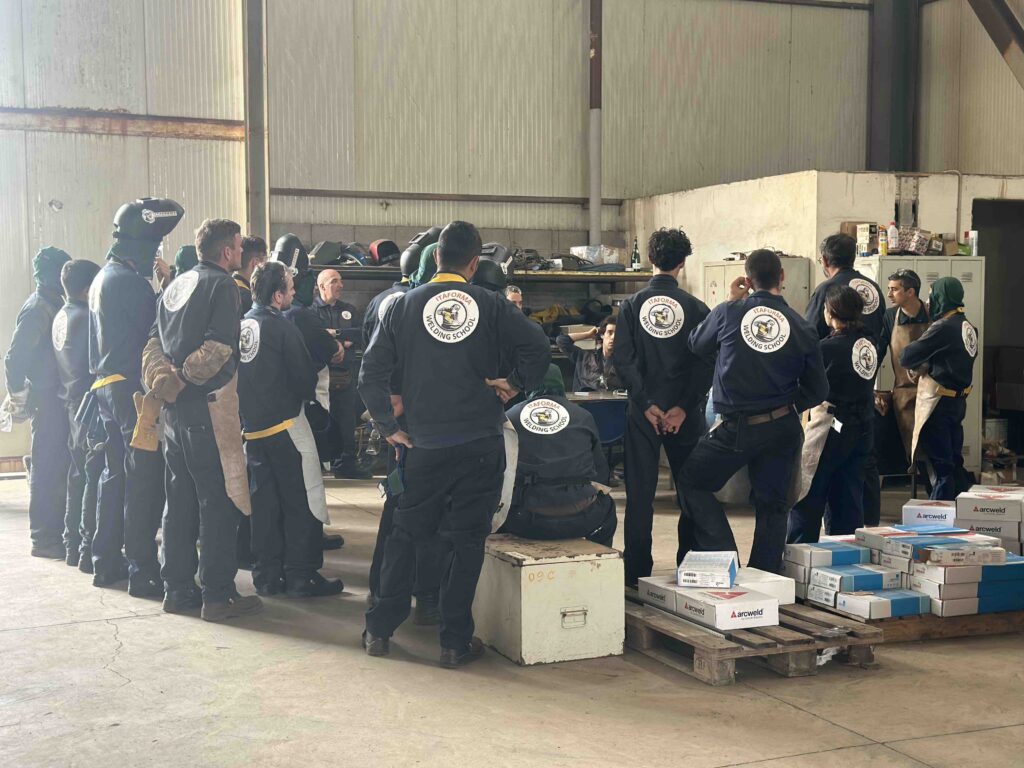
Our workshops are fully equipped to allow students to practice safely from day one, within an industrial and professional environment.
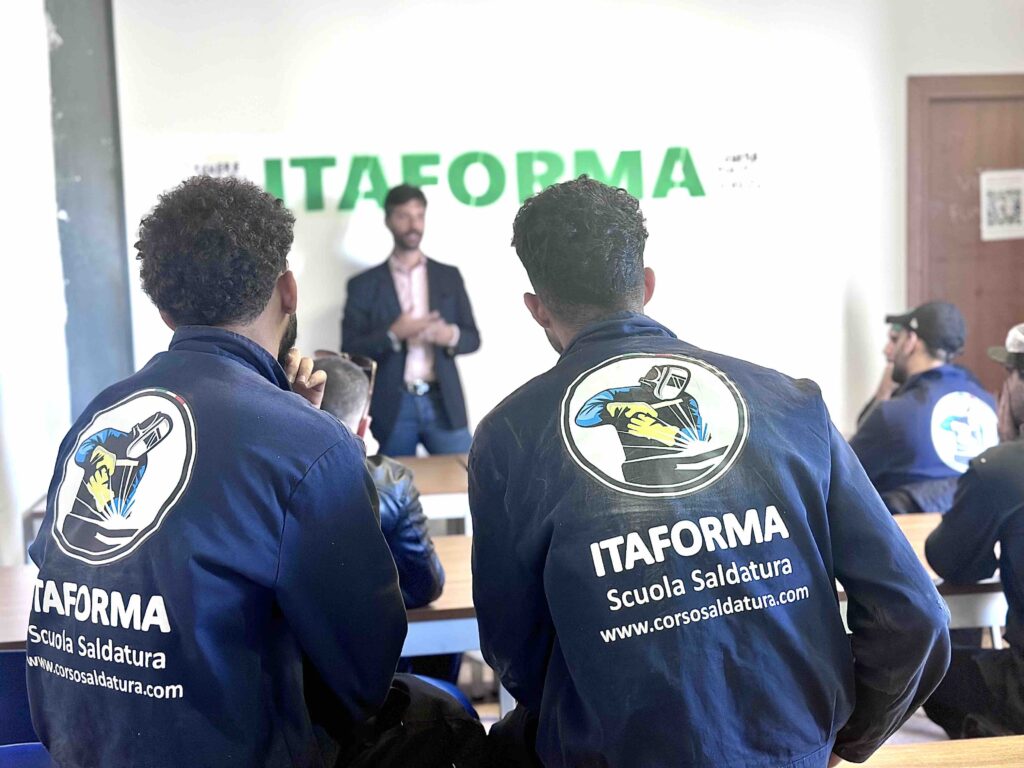
Our instructors, true welding mentors and highly qualified professionals, regularly participate in international competitions and constantly update themselves on current regulations in Europe and abroad.

They are available to students every step of the way: from training on safety regulations, to using machines, to perfecting the technical gesture, to practical advice on the craft and building a career as a welder.

Learn to weld to find work quickly

Our bootcamps are designed to meet the specific needs of companies. The training takes place at a metallurgical production site, so you learn in a real-world/production setting. It is training done by professionals for professionals.
When you come to Itaforma to learn welding, you leave with real know-how, European certifications, and often a job opportunity within 1 to 3 weeks.

Learn to weld through a human and motivating experience

Learn to weld with ITAFORMA means much more than acquiring a technical skill: it is to live an intense and formative experience, immersed in a stimulating environment, surrounded by people who share the same goal of growth as you.
During bootcamp, you will become part of a true community of students, professionals and experienced instructors, ready to accompany you throughout your welding learning journey and beyond, offering ongoing support.

Students who choose to learn to weld with us come from all over the world. Beyond the technical experience, our bootcamp offers a unique human experience, fostering the building of authentic bonds with people of different cultures, ages and horizons.
Participating in the ITAFORMA BootCamp means not only learning to weld, but also training as professional welders, one of the most in-demand figures in international industry today.

Learn to weld by creating a solid professional network

Learn to weld with ITAFORMA also means joining a professional ecosystem designed to accompany you throughout your career.
Participating in an ITAFORMA bootcamp is not only an opportunity to acquire technical skills: it is a real opportunity to build a network of strategic contacts in the welding industry.

Joining ITAFORMA means access to a network of more than 2,000 partner companies and thousands of job opportunities aligned with your specialization and professional experience. Along the way, you will be able to participate in one-on-one interviews, practice tests under real-world conditions, and group recruitment sessions directly with our industry partners.

Learn to weld with us also means benefiting from the support of a network of former students, now established professionals, experienced mentors and specialized recruiters ready to facilitate your entry into the job market.
ITAFORMA encourages the creation of real synergies, offering not only technical training but also a powerful tool for building lasting relationships and launching a successful career.
Learning to weld is not just a matter of technique: it is learning how to navigate within a dynamic industry full of professional opportunities.
Bootcamp Itaforma: learn to weld in record time

A concrete investment in your future

Choosing to learn welding with ITAFORMA is a strategic investment in your future. Participating in a bootcamp means dedicating a short but intensive time to acquiring a trade that is in high demand in the job market.
Learning to weld and becoming a qualified welder guarantees a quick return on investment, providing access to numerous professional opportunities in Italy and abroad.

In the industrial world, welders are true professionals able to choose from the best contracts, the most competitive companies and the most advantageous working conditions. Learning to weld means acquiring valuable technical and manual know-how, applicable in sectors such as industry, construction, shipbuilding, automotive, refining, food, energy, pharmaceutical and many others.

Flexible, structured and person-friendly training

Our bootcamps, dedicated to those who wish to learn to weld efficiently, vary in duration from 2 weeks to 2 months, depending on the type of welding chosen and the

Training takes place entirely in-person, in our fully equipped laboratories: each trainee has his or her own workstation and welding machine. This approach allows us to offer a highly personalized course, in which each participant can learn to weld in complete immersion, followed individually by our experienced instructors.

At ITAFORMA, learn to weld means being the protagonist of your own learning, in an environment that values talent, commitment and personal growth.

Why learn welding with Itaforma?

  • To learn a concrete trade in just a few weeks and start a new career with a solid foundation.
  • To learn welding alongside experienced, nationally and internationally recognized professionals.
  • To progress quickly through intensive practice and learning in real work situations.
  • To be constantly supported, paired and mentored throughout your training.
  • To enter a booming industry sector, where the demand for qualified welders is ever increasing
  • To obtain official European welding certification, essential for working in the main markets of the sector.
  • To access numerous job opportunities and build a successful professional career in the welding world.

Would you like to learn welding for real?

Our bootcamps start every month.

Sign up now to learn to weld, certify skills and find a skilled job in just a few weeks.
itaforma.com
Trouver un emploi de soudeur, le service Super Puissant de l’École de Soudure ITAFORMA

Trouver un emploi de soudeur, le service Super Puissant de l’École de Soudure ITAFORMA

Le métier de soudeur offre de nombreuses opportunités, mais aussi des défis, notamment face à la demande croissante de soudeurs qualifiés.

ITAFORMA, école de soudure de référence, répond à ces besoins avec un service de recrutement puissant, gratuit tant pour les étudiants que pour les entreprises.

L’école forme des soudeurs hautement qualifiés et les met en relation avec un réseau de plusieurs milliers d’entreprises partenaires, prêtes à recruter.

Dans cet article, nous découvrirons comment ITAFORMA soutient ses diplômés tout au long de leur carrière, avec un service qui dure toute une vie.


Trouver un emploi de soudeur, le service Super Puissant de l'École de Soudure ITAFORMA

1. ITAFORMA : Une École de Soudure pour Trouver un Emploi de Soudeur

1.1 Formation de Qualité pour un Emploi de Soudeur Garanti

ITAFORMA est une école de soudure qui se distingue par la qualité de sa formation. Chaque année, elle forme des centaines de soudeurs, tous soumis à un enseignement pratique rigoureux. Le programme est conçu pour répondre aux exigences du marché du travail, et les étudiants bénéficient d’un apprentissage basé sur des situations réelles de travail. Cette approche leur permet d’acquérir des compétences solides en soudure, leur offrant ainsi un atout majeur sur le marché de l’emploi de soudeur. À la fin de leur formation, les étudiants d’ITAFORMA passent la certification européenne UNI EN ISO 9606-1, un diplôme reconnu au niveau international qui atteste de leur expertise. Cette certification est un gage de qualité et ouvre des portes pour des opportunités professionnelles tant en France qu’à l’étranger.

1.2 Une Immersion Pratique pour Réussir dans l’Emploi de Soudeur

L’une des particularités d’ITAFORMA réside dans sa méthode pédagogique orientée vers la pratique. En effet, l’école ne se contente pas d’enseigner des théories; elle plonge ses étudiants dans des ateliers pratiques, des simulations de chantier, et des situations réelles de soudure. Ce « bootcamp » intensif leur permet de devenir des soudeurs juniors parfaitement formés et prêts à affronter les défis du monde professionnel dès la fin de leur cursus. Les étudiants d’ITAFORMA sont donc formés à être les meilleurs soudeurs possibles. Et cette approche pratique, combinée à des normes de qualité élevées, en fait des candidats particulièrement recherchés par les entreprises du secteur.

2. Un Service à l’Emploi de Soudeur Puissant grâce à un Réseau de 1700 Entreprises Partenaires

2.1 Emploi de Soudeur : Un Réseau de Partenaires qui Ouvre des Opportunités

L’un des points forts d’ITAFORMA est son réseau d’entreprises partenaires. Avec plus de 1700 entreprises partenaires, l’école dispose d’une véritable force de frappe pour aider ses diplômés à trouver un emploi soudeur rapidement après leur formation. Ce réseau de plus en plus vaste et dynamique permet à l’école de connecter ses étudiants avec des employeurs potentiels, et ce, de manière efficace et rapide. Les entreprises partenaires d’ITAFORMA reconnaissent la qualité de la formation dispensée, et savent que les étudiants diplômés sont immédiatement opérationnels. Cela leur garantit un investissement minimal en temps et en ressources pour former de nouveaux employés. Elles n’hésitent donc pas à recruter les étudiants de l’école, parfois même, reservant un soudeur avant la fin de sa formation.

2.2 Emploi de Soudeur: Taux d’Employabilité Exceptionnel

La qualité de la formation, combinée à un réseau aussi large, conduit à un taux d’employabilité exceptionnel pour les diplômés d’ITAFORMA. En effet, il n’est pas rare qu’un étudiant soit déjà « réservé » par une entreprise avant même d’avoir terminé sa formation. Les statistiques de l’école montrent que de nombreux étudiants reçoivent des propositions d’embauche avant même d’obtenir leur certification. Cela démontre l’attractivité de l’école et la demande croissante pour des soudeurs qualifiés dans l’industrie. Les entreprises savent que l’investissement en formation est largement rentabilisé grâce aux compétences des étudiants d’ITAFORMA, qui sont formés à travailler dans des conditions de pression et à respecter les standards de qualité les plus élevés.
Trouver un emploi de soudeur, le service Super Puissant de l'École de Soudure ITAFORMA


3. Un Service à l’Emploi de Soudeur à Vie : Un Soutien Permanent pour les Diplômés

3.1 Emploi de Soudeur : Un Accompagnement qui Va au-delà de la Formation

L’un des aspects les plus impressionnants du service à l’emploi de soudeur d’ITAFORMA est qu’il ne s’arrête pas à la fin de la formation. En effet, l’école offre un accompagnement à ses diplômés tout au long de leur carrière. Si un ancien étudiant décide de changer de ville, de pays, ou même de continent, il peut toujours faire appel au service à l’emploi de soudeur d’ITAFORMA.

L’école recherche alors des opportunités dans son réseau d’entreprises partenaires, mais pas uniquement. Elle explore également d’autres pistes pour garantir à l’étudiant une reconversion réussie.

Cette approche proactive permet aux diplômés d’ITAFORMA de se sentir soutenus et rassurés tout au long de leur parcours professionnel. Qu’ils soient à la recherche de nouvelles opportunités dans une autre entreprise ou qu’ils veuillent s’installer dans une nouvelle région, ils peuvent compter sur le soutien continu de l’école.

3.2 Emploi de Soudeur : Une Communauté Solide et Fidèle

Le service à l’emploi de soudeur d’ITAFORMA est également renforcé par la forte communauté d’anciens élèves qui s’entraident régulièrement. Manfredi, un ancien élève d’ITAFORMA, raconte comment il a eu recours à trois reprises au service à l’emploi de soudeur de son école. Il décrit cette école comme une « famille » qui l’a soutenu tout au long de sa carrière. Ce témoignage témoigne de la force du réseau d’ITAFORMA et de l’impact durable de l’accompagnement que l’école propose à ses anciens élèves.

Les étudiants d’ITAFORMA ne sont donc pas seulement formés à devenir des soudeurs compétents; ils intègrent également un réseau professionnel solide qui les accompagne bien au-delà de la formation initiale.

Ce service à l’emploi de soudeur est un véritable atout pour leur réussite professionnelle.

Le service à l’emploi de soudeur d’ITAFORMA , Conclusion

Le service à l’emploi de soudeur d’ITAFORMA est un atout majeur pour tous ceux qui souhaitent se lancer dans une carrière de soudeur.

L’école offre bien plus qu’une simple formation technique; elle garantit à ses diplômés un soutien constant tout au long de leur parcours professionnel.

Grâce à un réseau d’entreprises partenaires en constante expansion, et à une formation pratique de haute qualité, les étudiants d’ITAFORMA bénéficient d’une employabilité exceptionnelle, ce qui en fait une des meilleures écoles de soudure en Europe.

L’engagement de l’école envers ses étudiants et diplômés est un véritable gage de succès dans ce métier en pleine tension.

The Best Service for Finding Welding Jobs

ITAFORMA’s Welding Job Service

The welding profession offers numerous opportunities but also challenges, especially with the increasing demand for qualified welders.

ITAFORMA, a center of excellence for welding education, meets these needs with a powerful welding job service, free for both students and companies.

The school trains highly skilled welders and connects them with a network of over 1,700 partner companies eager to hire. In this article, we will explore how ITAFORMA supports its graduates throughout their careers by offering a lifelong service.

The Best Service for Finding Welding Jobs

1. ITAFORMA: A Welding School to Find a Welding Job

1.1 Quality Training to Ensure a Welding Job

ITAFORMA is a welding school renowned for the quality of its training. Each year, it trains hundreds of welders through a rigorous, hands-on curriculum.

The program is designed to meet labor market demands , allowing students to learn through real-world work situations. This approach helps them develop strong welding skills, giving them a significant advantage in the welding job market.

Upon completing their training, ITAFORMA students receive the European UNI EN ISO 9606-1 certification, an internationally recognized diploma that certifies their expertise. This certification guarantees quality and opens doors to professional opportunities both in Italy and abroad.

1.2 Practical Immersion for Success in Welding Jobs

One of the distinctive features of ITAFORMA is its practical approach to teaching. The school goes beyond theoretical lessons by immersing students in practical workshops, simulated construction sites, and real welding scenarios.

 This intensive “bootcamp” approach ensures they are trained to become junior welders who are well-prepared for the professional world by the end of their course.

ITAFORMA’s students are thus trained to be the best welders possible. This hands-on approach, combined with high-quality standards, makes them highly sought after by companies in the welding industry.

2. A Powerful Welding Job Service Thanks to a Network of Thousands of Partner Companies

2.1 Welding Jobs: A Network of Partners that Opens Opportunities

A key strength of ITAFORMA is its network of partner companies.
With over 1,800 companies in its network, the school has a robust support system to help graduates find welding jobs quickly after their training.

This ever-growing and dynamic network enables the school to connect students with potential employers in an efficient and timely manner.

ITAFORMA’s partner companies recognize the high-quality training provided by the school, knowing that its graduates are immediately operational. This minimizes their time and resources spent on training new employees, so companies are eager to recruit students, sometimes even before they finish their training.

2.2 Welding Jobs: Exceptional Employment Rate

The quality of training, coupled with such an extensive network, results in an exceptional employment rate for ITAFORMA graduates.

It is not uncommon for students to be “booked” by a company before completing their training. School statistics show that many students receive job offers even before obtaining their certification. This reflects the school’s appeal and the growing demand for qualified welders in the industry.

Companies know that investing in ITAFORMA’s training pays off significantly because students are prepared to work under pressure and meet the highest quality standards.

The Best Service for Finding Welding Jobs
 

3. A Lifetime Welding Job Service: Continuous Support for Graduates

3.1 Welding Jobs: Support Beyond Training

One of the most impressive aspects of ITAFORMA’s welding job service is that it continues long after graduation. The school offers support to its graduates throughout their careers. If a former student moves to another city, country, or even continent, they can always rely on ITAFORMA’s welding job service. The school will search for opportunities within its network of partner companies, but also explore other avenues to ensure a successful career transition. This proactive approach ensures ITAFORMA’s graduates always feel supported and reassured during their professional journey. Whether they’re seeking new opportunities with another company or considering relocating, they can count on the school’s continuous support.

3.2 Welding Jobs: A Strong and Loyal Community

ITAFORMA’s welding job service is further strengthened by a strong alumni community that supports each other. Manfredi, an ITAFORMA graduate, shares how he used the school’s job service three times throughout his career. He describes the school as a “family” that has supported him throughout his professional life. This reflects the strength of ITAFORMA’s network and the lasting impact of the support it offers to its alumni. ITAFORMA students are not only trained to become skilled welders but also join a solid professional network that supports them long after their initial training. This lifelong welding job service is a true advantage for their professional success.

ITAFORMA’s welding job service, Conclusion

ITAFORMA’s welding job service is a key benefit for anyone looking to start a welding career. The school offers much more than just technical training; it guarantees ongoing support for its graduates throughout their careers. With an expanding network of partner companies and high-quality practical training, ITAFORMA students enjoy exceptional employability, making it one of the best welding schools in Europe. The school’s commitment to its students and alumni is a true guarantee of success in a rapidly growing industry.

Manual Metal Arc Welding

Overview of Arc Welding with Covered Electrode

Arc welding with a covered electrode, also known as process 111, is one of the most widely used welding techniques in industry. It involves creating an electric arc between the electrode and the workpiece, generating intense heat (around 3200°C), which melts the metal in the pieces and the electrode.

The electrode, in addition to acting as the filler material, is coated with a flux that protects the weld from oxidation and influences the nature of the molten pool.

This process is valued for its simplicity, flexibility, and low equipment cost, while ensuring strong and durable welds.

Manual metal arc welding

How the Process Works and Welding Conditions

To ensure the proper functioning of the electric arc, several conditions must be met:

  • High voltage: required to create the electric arc.
  • Sufficient current: to maintain arc stability.
  • Ionizable medium: allowing current to flow between the electrodes.

Arc initiation (creating the electrical discharge between the electrode and the workpiece) must be done carefully, typically by lightly scraping the surface of the workpiece.

Improper intensity control or a rough contact between the electrodes can cause defects such as electrode sticking. Arc stability is crucial for achieving a high-quality weld and depends on several factors, including the quality of the welding machine, polarity, arc length, and the characteristics of the current (nature, frequency, intensity).

Depending on the intensity and diameter of the electrode, the welder must adjust the settings to ensure adequate penetration and avoid excessive spatter. For example, the relationship between weld bead size and electrode diameter varies depending on the type of joint (flat welding, inside corner welding, or outside corner welding).

Current Characteristics and Welding Equipment

The nature of the current plays a key role in arc welding with a covered electrode.
There are two main types of currents used in this process:

  • Direct current (DC), which creates a stable arc and allows the polarity of the electrode to be selected. Depending on the application, the welder can choose direct polarity (the electrode connected to the negative pole) or reverse polarity (the electrode connected to the positive pole).
  • Alternating current (AC), often used with flux-coated electrodes to improve weld stability, though it is generally less stable than direct current.

Welding equipment for covered electrode arc welding typically includes a current generator, an electrode holder, and a ground clamp. Depending on the work type and required intensity, transformer characteristics can vary, including open circuit voltage (U0), intensity adjustment range, and duty cycle.

Professional Applications and Advantages of Arc Welding

Arc welding with a covered electrode is widely used across various industries due to its versatility and ease of use. Key areas of application include:

  • Shipbuilding and boiler manufacturing, where weld strength is essential.
  • Civil engineering, for assembling heavy metal structures such as bridges and industrial buildings.
  • Oil and gas industry, where welds must withstand extreme conditions.
  • Maintenance and repair of infrastructure, including industrial equipment and machine repairs in mechanical workshops.
  • Repair of old metal structures, particularly when working on rusty or damaged parts.

Thanks to its ability to be used in outdoor environments (even in windy or humid conditions) and in confined spaces, this process is particularly suited to construction work.
Its ease of use, low equipment cost, and the durability of the welds make it the preferred choice in many industrial sectors.

Manual metal arc welding

The Importance of Practical Training to Become a Skilled Arc Welder

Arc welding is a technical skill that cannot be mastered through theory alone; practical training is essential to becoming a competent welder.

While understanding the basic principles of welding, types of currents, and materials is important, it is through repeated practice that a welder gains the dexterity needed to create strong and durable welds.

Precise manipulation of the electrode, controlling the arc length, and adapting to variable working conditions (such as different welding positions, weather, or material types) require hands-on experience.

A good welder must know how to adjust welding parameters (intensity, voltage, polarity) according to the specifications of the task at hand. Moreover, the ability to diagnose and solve common issues, such as electrode sticking, excessive spatter, or an uneven weld bead, relies on solid practical experience.

Specialized training centers and apprenticeship programs offer future welders opportunities to work on real projects and receive valuable feedback from experienced trainers.

Additionally, safety standards in welding are crucial and must be incorporated into the practice from the outset. Learning to manage risks associated with extreme heat, gas emissions, and flying metal shards is essential not only to ensure the quality of the work but also to safeguard the welder and their colleagues.

In summary, while theoretical knowledge is indispensable, it is practical experience that enables the welder to develop the technical skills, precision, and judgment necessary to succeed in this demanding profession.

TIG Welding: Principle and Applications

TIG welding is a highly valued technique across various industries due to its precision and versatile applications.

A welder mastering this method must combine skill, experience, and knowledge of materials.

The technique allows for welding different metals such as aluminum, stainless steel, and titanium. In this article, we will explore the basic principles of TIG welding, the influencing parameters, and its various applications.

Principle and Functioning of TIG Welding

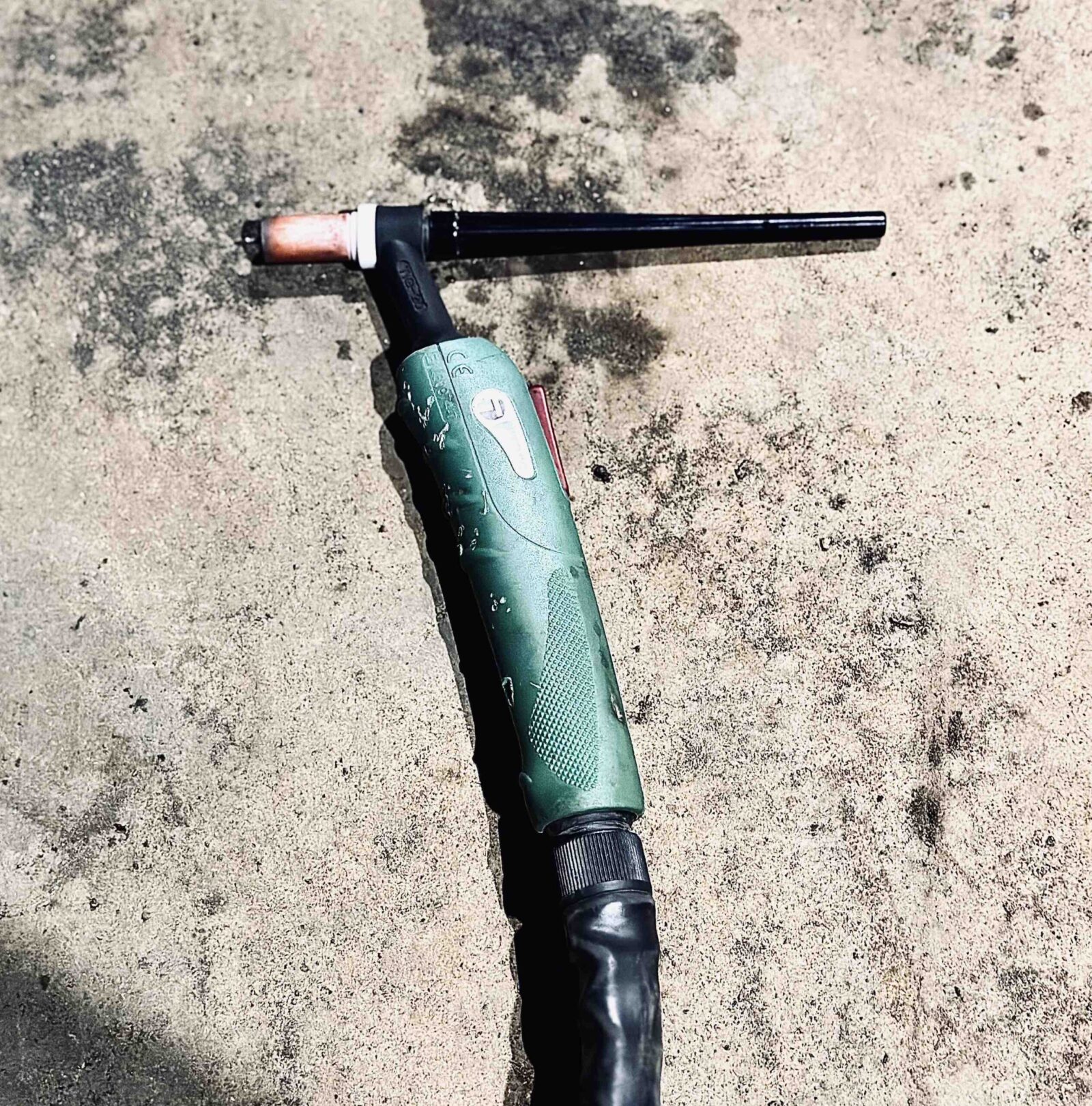
TIG welding, which stands for Tungsten Inert Gas, relies on creating an electric arc between a non-consumable tungsten electrode and the workpiece. When the welder pulls the trigger, an inert gas is released to protect the welding area, and current flows to the electrode. The tungsten electrode does not melt, but the arc generated heats the base material sufficiently to cause it to melt, allowing fusion between the parts. A filler metal, in the form of a rod, is added to complete the weld bead.

The TIG process stands out for its ability to provide high precision due to the stability of the arc and the ability to control current intensity, making it ideal for welding thin or delicate materials. This process is primarily used in industries where weld quality and resistance are essential.ers are properly adjusted and the right materials are selected.”

TIG Welding: Principle and Applications

Welding Parameters and Their Influence on TIG Welding

The quality of TIG welding depends on several key parameters that must be adjusted according to the materials and thickness of the workpieces. These parameters directly influence the precision of the weld, the penetration of the metal, and the stability of the arc.

Welding speed and torch position:

The speed of the welder’s movement must be adjusted based on the thickness of the materials and the geometry of the weld. A too-fast speed may result in insufficient penetration, while a too-slow speed could cause overheating and warping of the material.

Choice of gas and flow rate:

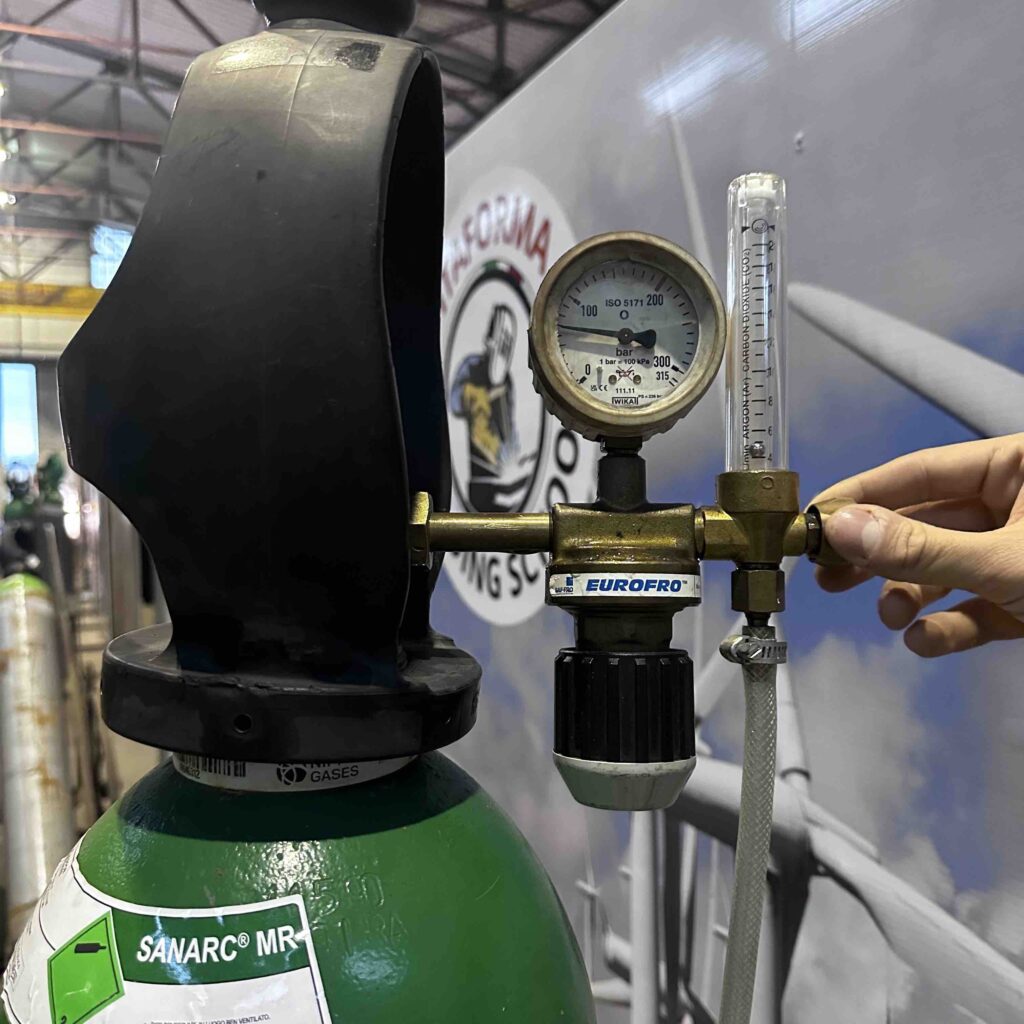
Argon is the most commonly used shielding gas in TIG welding. Depending on the application, a mixture of argon and helium may be used to increase the energy of the arc, particularly for light metals like aluminum.

Electrode and preparation:

The tungsten electrode must be properly sharpened to ensure optimal arc stability. The sharpening angle varies depending on the material being welded. For aluminum, for example, a 90° tip is required to prevent irregular melting points.

The choice of electrode, its diameter, and sharpening are crucial for obtaining high-quality welds.

Applications and Advantages of TIG Welding

TIG welding has a wide range of applications in industries where precision and aesthetics are paramount. Here are some of the main fields of use:

Aerospace and Aviation Industry: The precision and cleanliness of TIG welding make it ideal for welding lightweight alloys and stainless steel used in aircraft and spacecraft structures.

Chemical and Food Industries: TIG welding is perfect for fabricating stainless steel components, which are commonly used in the chemical and food industries where durable and clean welds are required.

Automotive Bodywork and Repairs: TIG welding is used for repairing stainless steel bodywork or lightweight aluminum car parts.

Precision Work: TIG welding is widely used to weld thin sheets or in industries requiring aesthetically perfect welds, such as jewelry making or precision instrument manufacturing.

Advantages and Disadvantages: While TIG welding offers great precision and clean work with minimal smoke, it has the disadvantage of being slower, especially when welding thick materials. Additionally, it is crucial to master the machine settings to achieve optimal results.

The Importance of Practical Training to Become a Skilled TIG Welder and Obtain an Official Certification

To become a skilled TIG welder, practical training is essential. While understanding the theory behind welding principles, materials, and welding parameters is important, it is hands-on experience that allows one to acquire the necessary skills to master this complex technique.

TIG welding requires great precision and perfect control over the electric arc, welding parameters, as well as the use of shielding gases and electrodes. Only regular practice in real-world conditions helps develop the dexterity and skill needed to produce high-quality welds.

Moreover, undergoing specialized training, both theoretical and practical, and obtaining an official certification is crucial not only to ensure technical competence but also to guarantee safety on job sites.

A certified professional holds official recognition of quality and safety standards in the welding field, which is essential for working in demanding sectors such as aerospace, industrial part manufacturing, or metal structure construction. Comprehensive training also prepares the welder to adapt to technological advancements and master modern equipment, thus ensuring a successful and high-quality career in a field where excellence is paramount.

“In conclusion, TIG welding is a complex yet highly valuable process in applications where precision, quality, and weld strength are essential. Whether in the aerospace industry, stainless steel processing, or automotive repair, this process offers numerous advantages in terms of performance and aesthetics, provided that the parameters are properly adjusted and the right materials are selected.”

Soudage à l’Arc avec Électrode Enrobée

Présentation du Soudage à l’Arc avec Électrode Enrobée

Le soudage à l’arc avec électrode enrobée, également connu sous le nom de procédé 111, est une méthode de soudage très utilisée dans l’industrie. Il repose sur la formation d’un arc électrique entre l’électrode et la pièce à souder, générant une chaleur intense (environ 3200°C) qui permet de faire fondre le métal des pièces et de l’électrode. 

L’électrode, en plus de servir de métal d’apport, est recouverte d’un enrobage qui protège la soudure contre l’oxydation et influence le type de bain de fusion. Ce procédé est apprécié pour sa simplicité, sa flexibilité et son faible coût d’équipement, tout en garantissant des soudures solides et durables.

Manual metal arc welding

Fonctionnement du Processus et Conditions de Soudage

Pour que l’arc électrique fonctionne correctement, plusieurs conditions doivent être réunies :

  • Tension élevée: nécessaire pour créer l’arc électrique.
  • Intensité suffisante: pour maintenir la stabilité de l’arc.
  • Milieu ionisable: permettant la circulation de la courant entre les électrodes.

L’amorçage de l’arc (création de la décharge électrique entre l’électrode et la pièce) doit être effectué avec soin, en grattant légèrement la surface de la pièce. Une mauvaise gestion de l’intensité ou un contact trop violent des électrodes peuvent causer des défauts tels que le collage de l’électrode. 

La stabilité de l’arc est cruciale pour une soudure de qualité et dépend de plusieurs facteurs: la qualité du générateur de courant, la polarité, la longueur de l’arc, et les caractéristiques du courant (nature, fréquence, intensité).

En fonction de l’intensité et du diamètre de l’électrode, le soudeur doit adapter les paramètres pour garantir une pénétration adéquate et éviter les projections excessives. Par exemple, la relation entre la taille du cordon de soudure et le diamètre de l’électrode varie selon le type de joint (soudage à plat, en angle intérieur ou extérieur).

Caractéristiques du Courant et Équipements de Soudage

La nature du courant joue un rôle central dans le soudage à l’arc avec électrode enrobée. Il existe deux types de courants principaux utilisés dans ce procédé :

  • Le courant continu (DC), qui génère un arc stable et permet de choisir la polarité de l’électrode. En fonction de l’application, le soudeur peut opter pour une polarité directe (l’électrode reliée au pôle négatif) ou inverse (l’électrode reliée au pôle positif).
  • Le courant alternatif (AC), souvent utilisé avec des électrodes à revêtement ionisant pour améliorer la stabilité du soudage, bien qu’il soit moins stable que le courant continu.

L’équipement de soudage à l’électrode enrobée comprend généralement un générateur de courant, une pince porte-électrode et une pince de masse. Selon le type de travail et l’intensité requise, les caractéristiques des transformateurs peuvent varier, notamment la tension à vide (U0), la plage de réglage des intensités et le facteur de marche.

Applications Professionnelles et Avantages du Soudage à l’Arc

Le soudage à l’arc avec électrode enrobée est utilisé dans de nombreux secteurs industriels, en raison de sa polyvalence et de sa facilité d’utilisation. Parmi ses principaux champs d’application, on trouve :

  • La construction navale et la fabrication de chaudières, où la robustesse des soudures est essentielle.
  • Le génie civil, pour l’assemblage de structures métalliques lourdes comme les ponts et les bâtiments industriels.
  • L’industrie pétrolière et gazière, où la résistance des soudures aux conditions extrêmes est primordiale.
  • L’entretien et la maintenance des infrastructures, y compris la réparation d’équipements industriels et de machines dans les ateliers de mécanique.
  • La réparation de structures métalliques anciennes, notamment lorsqu’il est nécessaire de travailler sur des pièces rouillées ou présentant des défauts.

Grâce à sa capacité à être utilisé dans des environnements extérieurs (même en présence de vent ou d’humidité) et dans des espaces confinés, ce procédé est particulièrement adapté aux travaux de chantier. Sa simplicité d’utilisation, son faible coût d’équipement, et la durabilité des soudures réalisées en font un choix privilégié dans de nombreux domaines industriels.

L’Importance de la Formation Pratique pour Devenir un Bon Soudeur à l’Arc

La soudure à l’arc est une compétence technique qui ne peut être maîtrisée uniquement par la théorie; une formation pratique est essentielle pour devenir un soudeur compétent. 

Bien que la compréhension des principes de base de la soudure, des types de courants, et des matériaux soit cruciale, c’est par la pratique répétée que le soudeur acquiert la dextérité nécessaire pour réaliser des soudures solides et durables. 

La manipulation précise de l’électrode, le contrôle de la longueur de l’arc, et l’adaptation à des conditions de travail variables (comme les différentes positions de soudage, les intempéries ou les types de matériaux) nécessitent de l’expérience sur le terrain.

Un bon soudeur doit savoir ajuster les paramètres de soudage (intensité, tension, polarité) en fonction des spécifications du travail à réaliser. De plus, la capacité à diagnostiquer et résoudre rapidement des problèmes courants, tels que l’incollage de l’électrode, les projections excessives ou la formation d’un cordon de soudure irrégulier, repose sur une solide expérience pratique. 

Les centres de formation spécialisés et les programmes d’apprentissage en entreprise permettent aux futurs soudeurs d’acquérir cette expertise, en leur offrant des opportunités de travailler sur des projets réels et de recevoir un feedback précieux de formateurs expérimentés.

De plus, les normes de sécurité en soudure sont primordiales et doivent être intégrées à la pratique dès le début de la formation. Apprendre à gérer les risques associés à la chaleur extrême, aux émanations de gaz, et aux éclats métalliques est essentiel pour garantir non seulement la qualité du travail, mais aussi la sécurité du soudeur et de ses collègues.

En résumé, bien que la connaissance théorique soit indispensable, c’est l’expérience pratique qui permet au soudeur de développer les compétences techniques, la précision et le jugement nécessaires pour réussir dans ce métier exigeant.

À ITAFORMA, un prêtre devient soudeur

Comment la religion se lie-t-elle à la soudure ?

Dans un monde où le travail qualifié est de plus en plus recherché, la formation professionnelle est une clé essentielle pour l’avenir de nombreux jeunes, en particulier dans les pays en développement. C’est le cas de la Guinée, un pays d’Afrique où l’accès à la formation technique reste limité.

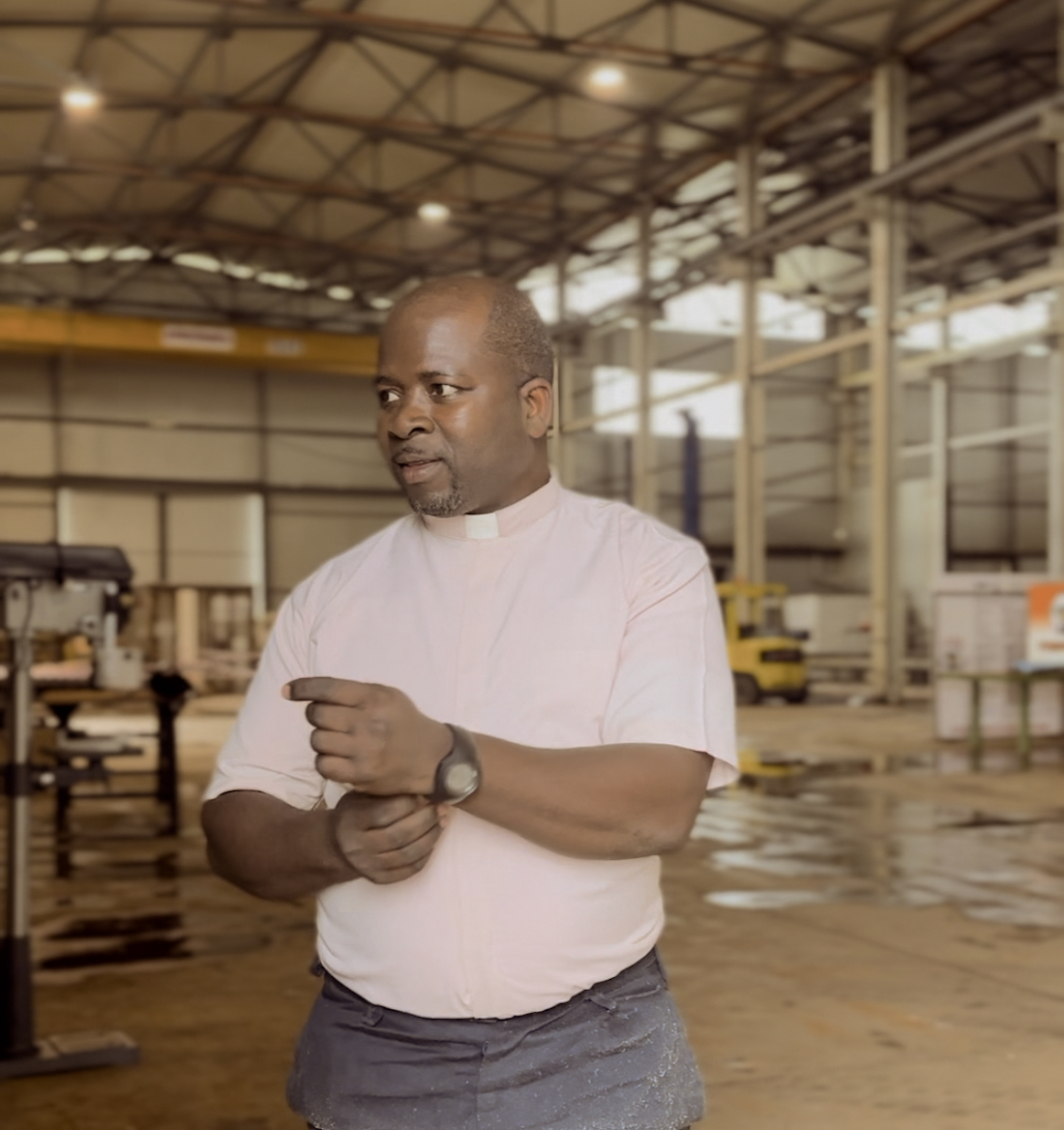
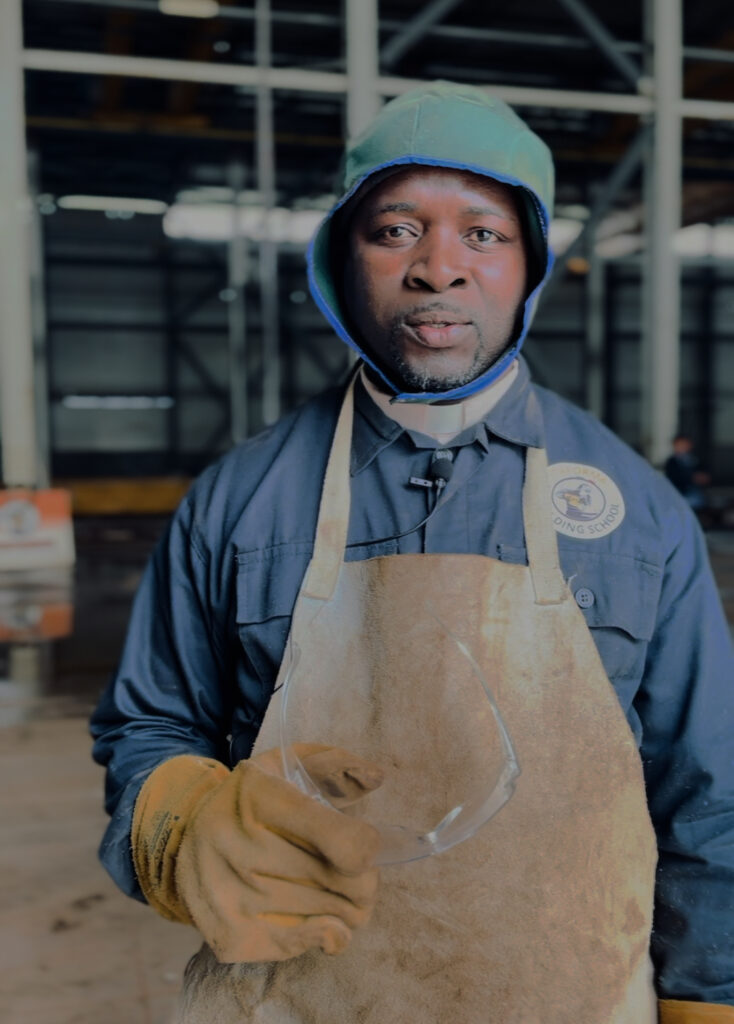
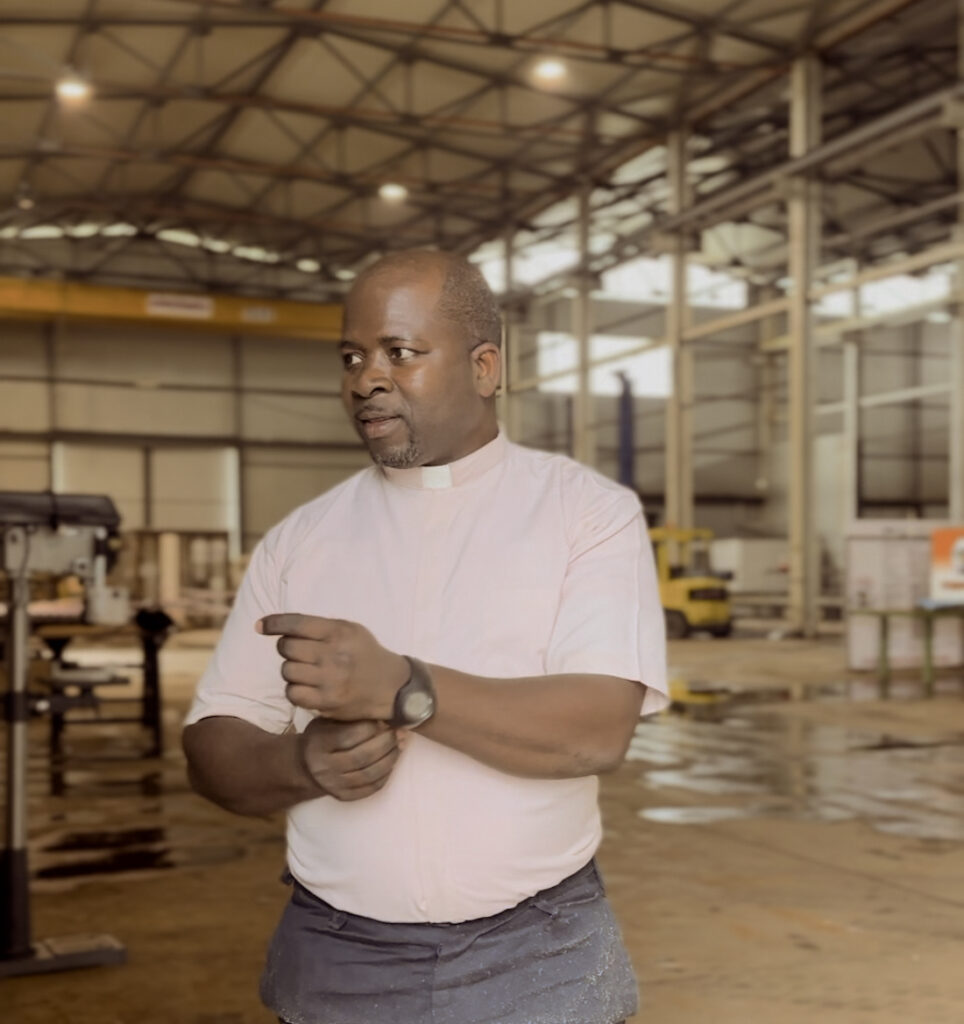
C’est de là qu’arrive le père Ignace, un prêtre avec une mission bien particulière : apprendre l’art de la soudure afin d’ouvrir une école professionnelle dans son diocèse et offrir aux jeunes une alternative concrète à l’émigration vers l’Europe. Pour cela, il a trouvé un soutien précieux auprès d’ITAFORMA, une école d’excellence en Italie, qui non seulement l’a accueilli à bras ouverts, mais lui offre un parcours de formation enrichissant et complet.

ITAFORMA n’est pas seulement une école de soudure, c’est une véritable communauté qui croit en la croissance personnelle et professionnelle de ses étudiants. Ici, le père Ignace n’est pas seulement un élève, il est devenu un membre à part entière d’une famille qui le soutient et l’aide dans sa mission.

La situation économique, sociale et politique de la Guinée

Bien que la Guinée soit un pays riche en ressources naturelles, elle fait face à de grandes difficultés économiques. Le taux de chômage des jeunes est très élevé et de nombreuses familles vivent dans des conditions de pauvreté extrême. Le système éducatif est défaillant et les écoles professionnelles sont rares, souvent mal équipées pour garantir une formation adéquate.

La situation politique est instable, marquée par des coups d’État et des tensions internes. Ces facteurs contribuent à l’exode de nombreux jeunes qui voient l’Europe comme leur seule chance d’un avenir meilleur. Pourtant, beaucoup d’entre eux entreprennent des voyages périlleux, sans aucune garantie de trouver un emploi une fois arrivés.

Offrir aux jeunes Guinéens une formation professionnelle est donc essentiel pour leur permettre de bâtir une vie digne dans leur propre pays. C’est là que l’initiative du père Ignace prend tout son sens.

ITAFORMA - Corsi di Saldatura Metalmeccanica | Priest Becomes a Welder | Scuola ItaForma | Corso Saldatura

Le rôle de l’Église en Guinée et son soutien aux jeunes

L’Église catholique en Guinée a toujours joué un rôle central dans le soutien aux communautés locales. En plus de diffuser la foi, elle gère des écoles, des hôpitaux et des centres de formation, offrant des opportunités éducatives à des milliers de jeunes.

Cependant, la formation technique reste peu développée, et de nombreux jeunes, bien qu’ayant reçu une éducation générale, n’ont pas les compétences pratiques nécessaires pour entrer sur le marché du travail. Le projet du père Ignace représente donc une véritable innovation : allier la mission éducative de l’Église à l’enseignement d’un métier très demandé comme la soudure.

ITAFORMA : un pont entre l’Italie et la Guinée

Pour réaliser son rêve, le père Ignace a choisi de se former auprès d’ITAFORMA, une école de soudure d’excellence en Italie. Là, il a trouvé un environnement accueillant et professionnel, où il apprend chaque jour les techniques fondamentales du métier :

    • Soudure à l’électrode
    • Soudure TIG 
    • Soudure MIG/MAG
    • Coupe au chalumeau et à la scie à ruban
    • Utilisation de la meuleuse et de la perceuse

Mais ce qui rend ITAFORMA spécial, ce n’est pas seulement la qualité de l’enseignement, c’est aussi le soutien offert aux étudiants. L’école a montré une disponibilité exceptionnelle envers le père Ignace, lui donnant l’opportunité d’approfondir chaque aspect de la soudure et de développer les connaissances nécessaires à la création de son école en Guinée.

Les enseignants et le personnel d’ITAFORMA se sont toujours montrés prêts à l’aider, conscients de l’importance sociale et humaine de sa mission. En plus de la formation technique, le père Ignace a trouvé ici un véritable esprit de solidarité, où il se sent constamment soutenu.

Dès qu’il s’agit d’aider la communauté, ITAFORMA répond toujours avec enthousiasme, encourageant des projets d’inclusion et de formation pour tous ceux qui veulent apprendre un métier. Cet esprit de partage a rendu le parcours du père Ignace encore plus significatif, lui permettant d’acquérir des compétences précieuses qu’il pourra transmettre aux jeunes de son diocèse.

L’importance de la formation professionnelle en Afrique

L’un des principaux problèmes des pays africains est le manque d’écoles de formation technique. Alors que la demande de travailleurs qualifiés augmente, notamment dans les secteurs industriels et de la construction, les opportunités d’apprentissage restent rares.

Beaucoup de jeunes Africains aimeraient apprendre un métier, mais ils n’en ont pas la possibilité. Sans infrastructures adéquates, ils se retrouvent contraints de chercher un avenir ailleurs. Pourtant, s’il existait davantage d’écoles professionnelles, ils pourraient trouver un emploi dans leur propre pays, contribuant ainsi au développement économique et social de la Guinée.

C’est précisément le rêve du père Ignace : créer une école de soudure dans son diocèse, en s’inspirant de l’expérience d’ITAFORMA pour offrir aux jeunes Guinéens un avenir meilleur.

ITAFORMA - Corsi di Saldatura Metalmeccanica | a Priest Becomes a Welder 3 | Scuola ItaForma | Corso Saldatura

Vous voulez apprendre la soudure ? ITAFORMA est le bon choix !

Si vous aussi souhaitez acquérir une compétence recherchée sur le marché du travail, ITAFORMA propose des cours adaptés à tous, des débutants aux professionnels.

Découvrez-en plus et inscrivez-vous aux cours en visitant le site officiel :
👉 ITAFORMA – Cours de soudure

Grâce au soutien d’écoles comme ITAFORMA, le rêve du père Ignace peut devenir réalité, apportant formation et espoir à ceux qui en ont le plus besoin. 💪🔥


At ITAFORMA, a Priest Becomes a Welder

How Faith and Welding Come Together

In Guinea, as in many African countries, access to vocational training remains a major challenge. Yet, in an ever-changing job market where skilled labor is increasingly in demand, learning a trade can be a life-changing opportunity for young people.

This is exactly the vision of Father Ignace, a Guinean priest who embarked on an unusual journey: traveling to Italy to train as a welder so that he can open a technical school in his diocese. His goal? To provide young people with a concrete alternative to migration by equipping them with professional skills that are highly sought after in the job market.

To make this dream a reality, he found invaluable support at ITAFORMA, a leading welding school in Italy that not only welcomed him with open arms but also provided him with a comprehensive and enriching training experience.

At ITAFORMA, Father Ignace is not just a student—he has become part of a community that shares his values and commitment to helping others.

Guinea: A Country in Search of Opportunities

Despite being rich in natural resources, Guinea struggles with economic and social challenges. The country is a major producer of bauxite, gold, and diamonds, but wealth distribution remains highly unequal. Youth unemployment is rampant, and many families live in poverty, with limited access to quality education.

While academic education is available, it often does not provide practical career opportunities. Young people frequently finish school without the technical skills needed to enter the workforce.

Adding to these struggles is the country’s political instability, with frequent coups and internal tensions. These factors push many young Guineans to leave their homeland, hoping to find a better future in Europe. Unfortunately, their journey is often full of risks: dangerous desert crossings, perilous sea voyages, and an uncertain future upon arrival.

This is why Father Ignace’s project is so crucial: providing local training opportunities can empower young people to build a stable life in their own country, reducing forced migration and contributing to the nation’s development.

The Church’s Role in Education and Social Support

For decades, the Catholic Church has played a key role in Guinea, helping communities through education, healthcare, and social projects. Many young Guineans rely on church-run schools and training centers to access quality education.

However, there is a significant gap: vocational training is still underdeveloped. While general education is widespread, many students lack hands-on skills that could help them find employment.

Father Ignace’s initiative aims to fill this gap, using the values of faith, commitment, and solidarity to guide his project. To him, teaching a trade is not just an economic necessity—it is a humanitarian and spiritual mission, giving young people the tools to shape their own future.

ITAFORMA - Corsi di Saldatura Metalmeccanica | Priest Becomes a Welder | Scuola ItaForma | Corso Saldatura

ITAFORMA: More Than a School, a True Ally

To achieve his vision, Father Ignace chose to train at ITAFORMA, one of Italy’s most respected welding schools. Here, he is mastering key techniques, including:

✅ Electrode, TIG, and MIG/MAG welding
✅ Torch and band saw cutting
✅ Using a grinder and drill

But ITAFORMA is more than just a training center—it is a place where students are truly supported. From the moment Father Ignace arrived, the school has gone above and beyond to help him develop his skills and knowledge, preparing him to launch his training center in Guinea.

The ITAFORMA instructors and staff have shown great generosity, recognizing the social impact of his mission. Whenever a helping hand is needed for a good cause, ITAFORMA is always ready to respond with enthusiasm.

Through solidarity and a commitment to education, ITAFORMA has become not only a training ground but also a source of inspiration for Father Ignace and his future school.

The Critical Need for Vocational Training in Africa

One of the biggest challenges in Africa remains the lack of vocational schools. While the demand for skilled workers is growing—especially in the construction and industrial sectors—young people have very few opportunities to acquire technical skills.

Many dream of learning a trade, but without access to proper training, they are left with no choice but to seek opportunities abroad. If more vocational schools were established, young Africans could find stable jobs in their own countries, contributing to local economic growth and development.

This is exactly the vision behind Father Ignace’s project: to create a welding school in his diocese inspired by ITAFORMA’s model, helping Guinean youth find meaningful employment and build a future at home.

ITAFORMA - Corsi di Saldatura Metalmeccanica | a Priest Becomes a Welder 3 | Scuola ItaForma | Corso Saldatura

Want to Learn Welding? ITAFORMA is the Right Place for You!

If you’re looking to develop in-demand skills and start a new career, ITAFORMA offers professional courses for all levels, from beginners to experienced welders.

📌 Sign up today:
👉 ITAFORMA – Welding Courses

With ITAFORMA’s support and expertise, and Father Ignace’s dedication to education, welding is becoming a powerful tool for change. 💪🔥

Saldatura ad Arco con Elettrodo Rivestito

1. Panoramica sulla Saldatura ad Arco con Elettrodo Rivestito

La saldatura ad arco con elettrodo rivestito, nota anche come Processo 111, è una delle tecniche di saldatura più utilizzate nell’industria. Si basa sulla creazione di un arco elettrico tra l’elettrodo e il pezzo da saldare, che genera un calore intenso (circa 3200°C), il quale fonde il metallo dei pezzi e dell’elettrodo.

L’elettrodo, oltre a fungere da materiale di apporto, è rivestito da un flusso che protegge la saldatura dall’ossidazione e influenza la natura del bagno di fusione. Questo processo è apprezzato per la sua semplicità, flessibilità e basso costo dell’attrezzatura, garantendo al contempo saldature forti e durevoli.

2. Funzionamento del Processo e Condizioni di Saldatura

Affinché l’arco elettrico funzioni correttamente, devono essere soddisfatte diverse condizioni:

  • Alta tensione: necessaria per creare l’arco elettrico.
  • Corrente sufficiente: per mantenere la stabilità dell’arco.
  • Ambiente ionizzabile: che consente il flusso di corrente tra gli elettrodi.

L’accensione dell’arco (creazione della scarica elettrica tra l’elettrodo e il pezzo) deve essere eseguita con attenzione, di solito raschiando delicatamente la superficie del pezzo. Un controllo improprio dell’intensità o un contatto violento tra gli elettrodi possono causare difetti come l’incollamento dell’elettrodo. La stabilità dell’arco è fondamentale per ottenere una saldatura di qualità e dipende da diversi fattori, tra cui la qualità del generatore di saldatura, la polarità, la lunghezza dell’arco e le caratteristiche della corrente (natura, frequenza, intensità).

A seconda dell’intensità e del diametro dell’elettrodo, il saldatore deve regolare i parametri per garantire una penetrazione adeguata ed evitare eccessive spruzzi. Ad esempio, la relazione tra la dimensione del cordone di saldatura e il diametro dell’elettrodo varia a seconda del tipo di giunto (saldatura a piatto, angolo interno o angolo esterno).

3. Caratteristiche della Corrente e Attrezzature di Saldatura

La natura della corrente gioca un ruolo fondamentale nella saldatura ad arco con elettrodo rivestito. Esistono due tipi principali di corrente utilizzati in questo processo:

  • Corrente continua (CC), che genera un arco stabile e consente di selezionare la polarità dell’elettrodo. A seconda dell’applicazione, il saldatore può scegliere la polarità diretta (elettrodo collegato al polo negativo) o inversa (elettrodo collegato al polo positivo).
  • Corrente alternata (CA), spesso utilizzata con elettrodi rivestiti da flussi ionizzanti per migliorare la stabilità della saldatura, anche se generalmente è meno stabile rispetto alla corrente continua.

L’attrezzatura per la saldatura ad arco con elettrodo rivestito comprende solitamente un generatore di corrente, una pinza porta-elettrodo e una pinza di massa. A seconda del tipo di lavoro e dell’intensità richiesta, le caratteristiche dei trasformatori possono variare, inclusi la tensione a vuoto (U0), la gamma di regolazione delle intensità e il fattore di funzionamento.

Saldatura ad Arco con Elettrodo Rivestito

4. Applicazioni Professionali e Vantaggi della Saldatura ad Arco

La saldatura ad arco con elettrodo rivestito è ampiamente utilizzata in vari settori industriali grazie alla sua versatilità e facilità d’uso. Tra i principali campi di applicazione troviamo:

  • Cantieristica navale e fabbricazione di caldaie, dove la resistenza delle saldature è fondamentale.
  • Ingegneria civile, per l’assemblaggio di strutture metalliche pesanti come ponti e edifici industriali.
  • Industria petrolifera e del gas, dove le saldature devono resistere a condizioni estreme.
  • Manutenzione e riparazione delle infrastrutture, inclusa la riparazione di attrezzature industriali e macchine nei laboratori meccanici.
  • Riparazione di strutture metalliche vecchie, in particolare quando si lavora su parti arrugginite o danneggiate.

Grazie alla sua capacità di essere utilizzata in ambienti esterni (anche in presenza di vento o umidità) e in spazi confinati, questo processo è particolarmente adatto per i lavori di cantiere.

La sua facilità d’uso, il basso costo dell’attrezzatura e la durabilità delle saldature lo rendono la scelta preferita in molti settori industriali.

5. L’importanza della formazione pratica per diventare un abile saldatore ad arco

La saldatura ad arco è una competenza tecnica che non può essere acquisita solo tramite la teoria; una formazione pratica è fondamentale per diventare un saldatore competente. Sebbene sia importante comprendere i principi di base della saldatura, i tipi di corrente e i materiali, è attraverso la pratica ripetuta che un saldatore acquisisce la destrezza necessaria per realizzare saldature forti e durature.

La manipolazione precisa dell’elettrodo, il controllo della lunghezza dell’arco e l’adattamento alle condizioni di lavoro variabili (come le diverse posizioni di saldatura, le condizioni atmosferiche o i tipi di materiali) richiedono esperienza sul campo.

Un buon saldatore deve sapere come regolare i parametri di saldatura (intensità, tensione, polarità) in base alle specifiche del lavoro da svolgere. Inoltre, la capacità di diagnosticare e risolvere i problemi comuni, come l’incollaggio dell’elettrodo, gli eccessivi spruzzi o la formazione di un cordone di saldatura irregolare, si basa su una solida esperienza pratica. I centri di formazione specializzati e i programmi di apprendistato offrono ai futuri saldatori l’opportunità di lavorare su progetti reali e ricevere feedback preziosi da formatori esperti.

Inoltre, gli standard di sicurezza nella saldatura sono cruciali e devono essere integrati nella pratica sin dall’inizio della formazione. Apprendere come gestire i rischi associati al calore estremo, alle emissioni di gas e agli schizzi di metallo è essenziale non solo per garantire la qualità del lavoro, ma anche per tutelare la sicurezza del saldatore e dei suoi colleghi.

In sintesi, sebbene la conoscenza teorica sia indispensabile, è l’esperienza pratica che consente al saldatore di sviluppare le competenze tecniche, la precisione e il giudizio necessari per avere successo in questa professione impegnativa.

Disegno Tecnico Industriale

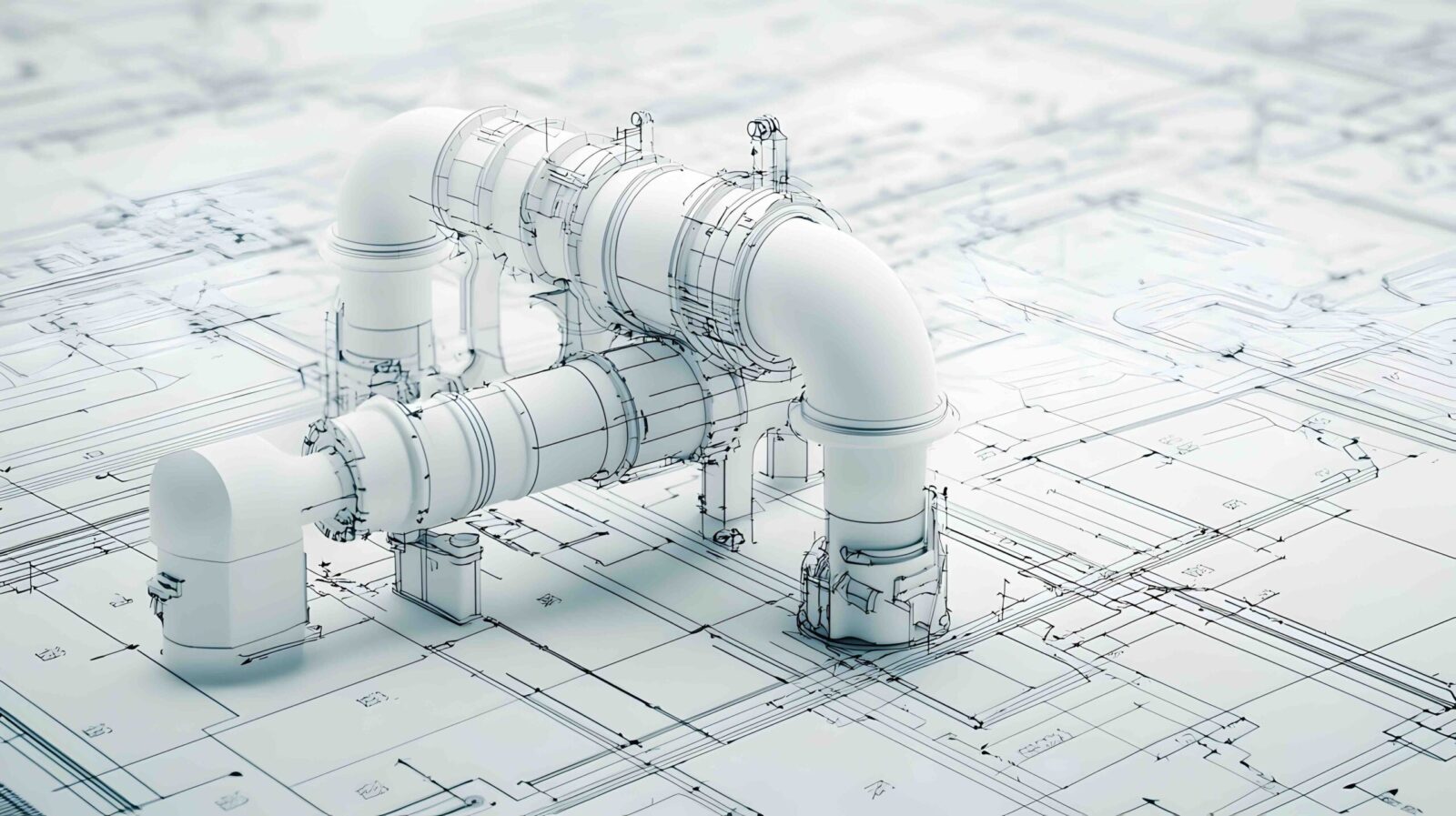
Il disegno tecnico industriale è uno strumento essenziale per la progettazione, la produzione e il controllo di componenti e macchinari nei settori manifatturiero e ingegneristico. Grazie al disegno tecnico industriale, è possibile rappresentare graficamente pezzi meccanici, impianti e strutture con precisione millimetrica, consentendo una comunicazione chiara tra progettisti, ingegneri e operai specializzati.

La padronanza del disegno tecnico industriale è fondamentale per garantire la qualità del prodotto finale e rispettare gli standard normativi. Questo articolo esplorerà i principi fondamentali, le tecniche e le applicazioni del disegno tecnico industriale, evidenziando l’importanza della sua corretta interpretazione.

Fondamenti del Disegno Tecnico Industriale

Per comprendere il disegno tecnico industriale, è necessario conoscere alcuni concetti chiave che ne regolano l’uso e l’interpretazione.

1. Normative e Standard nel Disegno Tecnico Industriale

Il disegno tecnico industriale segue normative internazionali che ne garantiscono la comprensione universale e la corretta applicazione:

– ISO (International Organization for Standardization): standard internazionali per il disegno tecnico industriale.

– UNI (Ente Italiano di Normazione):  regolamenti per la rappresentazione tecnica in Italia.

– ASME (American Society of Mechanical Engineers):  linee guida per il disegno tecnico industriale in ambito meccanico.

Queste normative definiscono le regole per la rappresentazione delle dimensioni, delle tolleranze e delle simbologie utilizzate nei progetti industriali.

2. Tipologie di Disegno Tecnico Industriale

Il disegno tecnico industriale si suddivide in diverse categorie a seconda della funzione e dell’ambito di applicazione:

– Disegno tecnico meccanico: utilizzato per progettare macchinari e componenti meccanici.

– Disegno tecnico elettrico: schemi per impianti e circuiti elettrici.

– Disegno tecnico idraulico: rappresentazione di impianti e reti idrauliche.

– Disegno tecnico edile: piani per costruzioni e infrastrutture industriali.

3. Simbologia e Convenzioni nel Disegno Tecnico Industriale

Per garantire una corretta interpretazione, il disegno tecnico industriale utilizza simboli e convenzioni standardizzate:

– Linee continue: contorni visibili dell’oggetto.

– Linee tratteggiate: bordi nascosti o interni.

– Linee di centro: indicano assi di simmetria.

– Simboli di saldatura, rugosità e tolleranze geometriche per specificare dettagli di lavorazione.

4. Quote e Tolleranze nel Disegno Tecnico Industriale

Nel disegno tecnico industriale, le quote indicano le dimensioni esatte di un componente, mentre le tolleranze stabiliscono i limiti di accettabilità di una misura per garantire la corretta funzionalità del pezzo.

Strumenti e Tecnologie per il Disegno Tecnico Industriale

Il disegno tecnico industriale si avvale di strumenti manuali e digitali per la sua realizzazione:

– Strumenti tradizionali: squadre, compassi, righe e normografi.

– Software CAD (Computer-Aided Design): programmi come AutoCAD, SolidWorks e CATIA per la progettazione digitale.

– Stampanti 3D software di simulazione: permettono di testare virtualmente il funzionamento dei componenti prima della produzione.

L’uso di tecnologie avanzate ha rivoluzionato il disegno tecnico industriale, riducendo i tempi di progettazione e aumentando la precisione delle lavorazioni.


Applicazioni del Disegno Tecnico Industriale

Il disegno tecnico industriale è utilizzato in numerosi settori produttivi per garantire la qualità e l’efficienza dei prodotti.

1. Industria Meccanica

Nel settore meccanico, il disegno tecnico industriale è alla base della progettazione e produzione di macchine, motori e utensili.

2. Settore Aerospaziale

Il disegno tecnico industriale è essenziale per la realizzazione di componenti aeronautici, garantendo elevati standard di sicurezza e precisione.

3. Industria Automobilistica

L’automotive utilizza il disegno tecnico industriale per sviluppare nuovi modelli di veicoli e ottimizzare i processi produttivi.

4. Industria Elettronica

Il disegno tecnico industriale è fondamentale nella progettazione di circuiti e dispositivi elettronici, assicurando l’integrazione tra le diverse componenti.

5. Settore Edile e Impiantistico

Grazie al disegno tecnico industriale, è possibile realizzare progetti edilizi complessi, dagli edifici industriali agli impianti di produzione energetica.

L’Importanza della Lettura del Disegno Tecnico Industriale

Oltre alla capacità di realizzare un disegno tecnico industriale, è essenziale saperlo leggere e interpretare correttamente. La lettura del disegno tecnico industriale è una competenza indispensabile per operai specializzati, ingegneri e progettisti.

1. Vantaggi della Lettura del Disegno Tecnico Industriale

– Precisione nell’esecuzione: chi sa interpretare un disegno tecnico industriale può realizzare componenti senza errori. – Miglioramento della produttività: riduzione dei tempi di produzione grazie a una corretta comprensione delle specifiche tecniche. – Evoluzione professionale: la capacità di leggere il disegno tecnico industriale è un requisito chiave per avanzare di carriera nelle aziende manifatturiere e ingegneristiche.

2. Formazione e Apprendimento del Disegno Tecnico Industriale

Per sviluppare una competenza avanzata nella lettura del disegno tecnico industriale, è consigliabile seguire corsi specializzati che forniscano conoscenze approfondite sulle normative, le simbologie e le tecniche di rappresentazione.

Conclusão

Il disegno tecnico industriale è uno strumento essenziale per il settore produttivo e ingegneristico. La sua corretta realizzazione e interpretazione garantiscono qualità, efficienza e sicurezza nei processi di produzione. Per chi desidera migliorare le proprie competenze e avanzare professionalmente, acquisire padronanza nella lettura del disegno tecnico industriale è un passo fondamentale. Se vuoi specializzarti in questo ambito, ti consigliamo il corso di Lettura del Disegno Tecnico Industriale offerto da Itaforma. Scopri di più e iscriviti qui: Curso de Leitura de Desenho Técnico.