Understanding the Importance of an International Welding Certificate
A welding certificate serves as official proof of a welder’s skills and competence according to specific standards. An international welding certificate takes this a step further, validating your abilities across borders, allowing you to work on projects globally without needing local re-certification in every new country.
Why is an International Welding Certificate Essential?
– Global Mobility: Opens doors to projects in diverse industries worldwide, from oil and gas to aerospace and construction.
– Increased Earning Potential: Certified welders, especially those with international credentials, often command higher salaries.
– Enhanced Credibility: Demonstrates adherence to high-quality standards and best practices, building trust with employers and clients.
– Safety Assurance: Certification ensures welders meet stringent safety protocols, crucial in high-risk environments.
– Career Progression: A foundational step for advanced roles, supervision, or specialized welding techniques.
Types and Standards of International Welding Certificates
The world of welding certification is governed by various international standards, each with its own specific requirements and applications. Understanding these is the first step towards obtaining your welding certificate.
Key International Standards
– ISO 9606 (Qualification testing of welders – Fusion welding): This is arguably the most widely recognized international standard for the qualification of welders for fusion welding of metallic materials. It’s often divided into sub-parts based on the material (e.g., ISO 9606-1 for steels, ISO 9606-2 for aluminum and its alloys). Obtaining a welding certificate under ISO 9606 offers broad global acceptance.
– ASME Boiler and Pressure Vessel Code (BPVC): Predominantly used in North America, but widely accepted for pressure vessel and piping applications globally, especially in the energy sector. An ASME welding certificate is highly valued for specific industrial applications.
Each standard dictates specific requirements for the welding process (e.g., TIG, MIG/MAG, MMA), material type, thickness, joint type, and welding position. Your welding certificate will explicitly state the parameters under which you are qualified.
The Path to Obtaining Your Welding Certificate
Getting a welding certificate requires a combination of theoretical knowledge, practical skills, and rigorous testing.
Self-Study vs. Formal Training
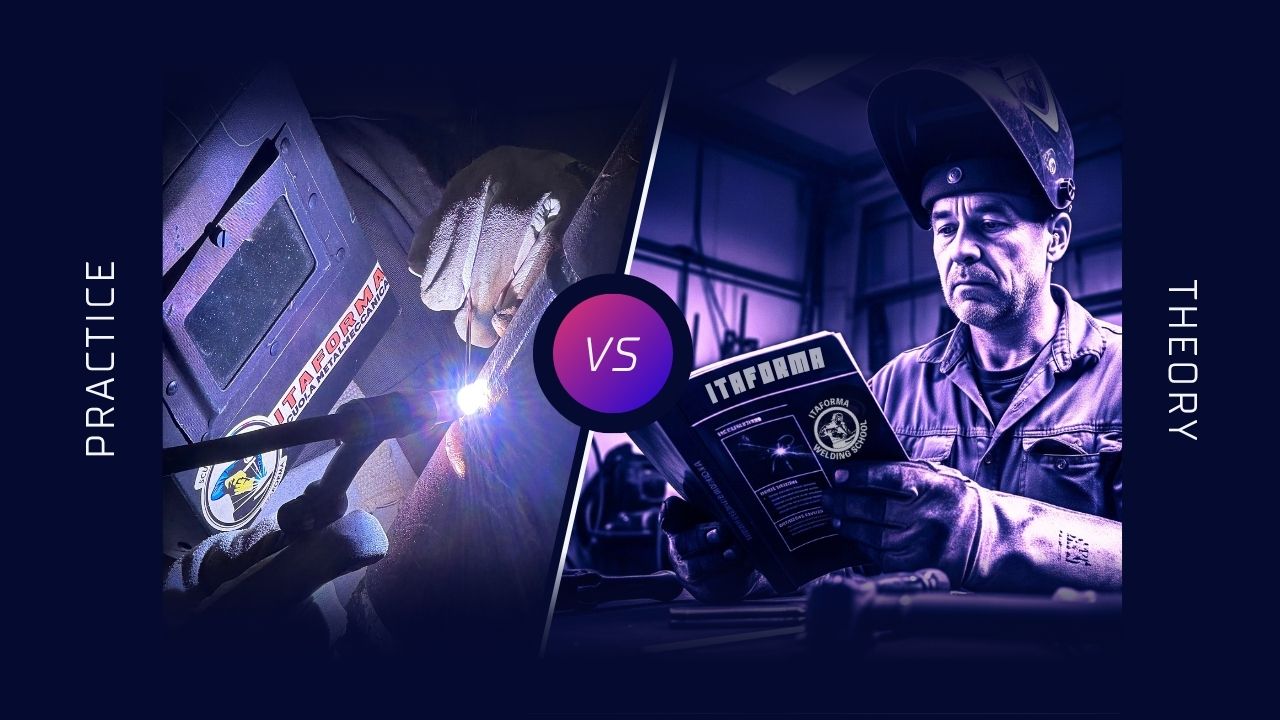
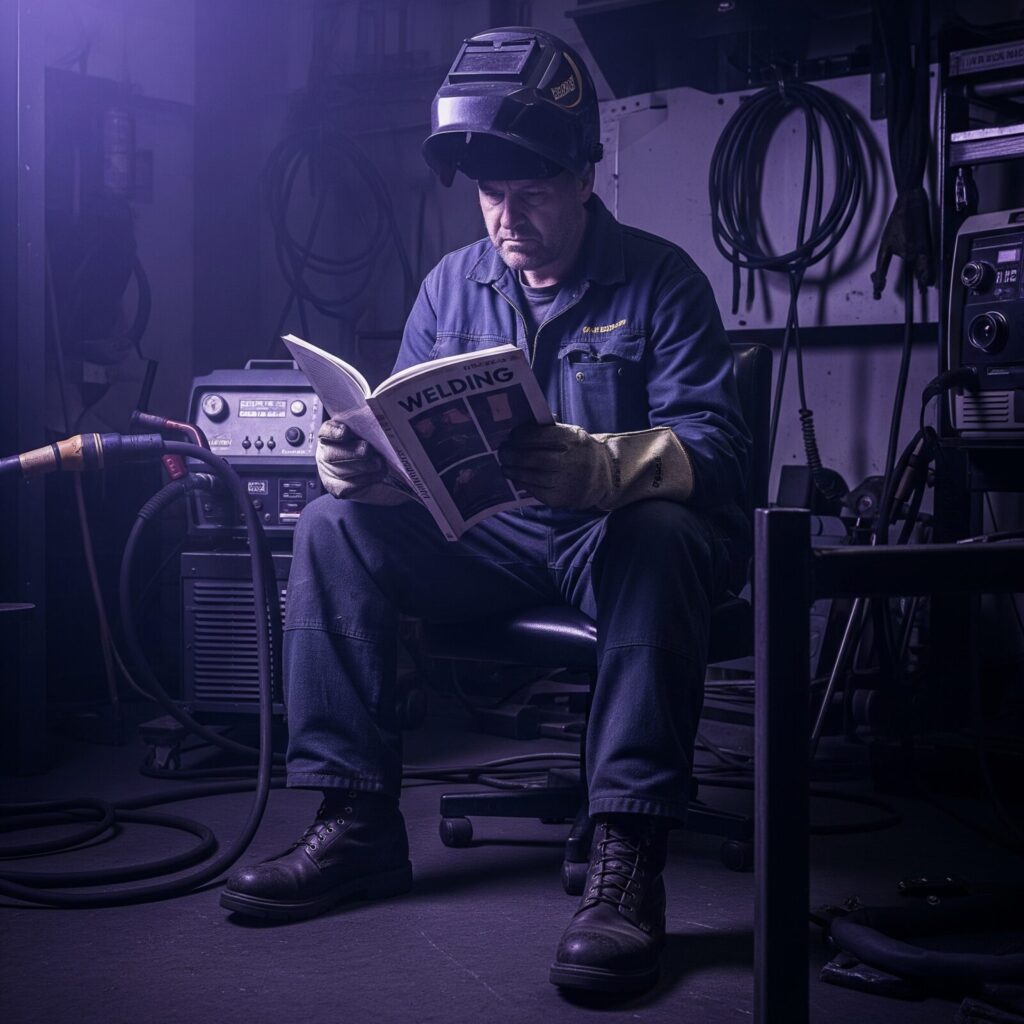
While some experienced welders might attempt to challenge a certification test through self-study, this path comes with significant risks. Without structured guidance, it’s easy to miss crucial details, develop bad habits, or fail to meet the exact requirements of a specific welding certificate test.
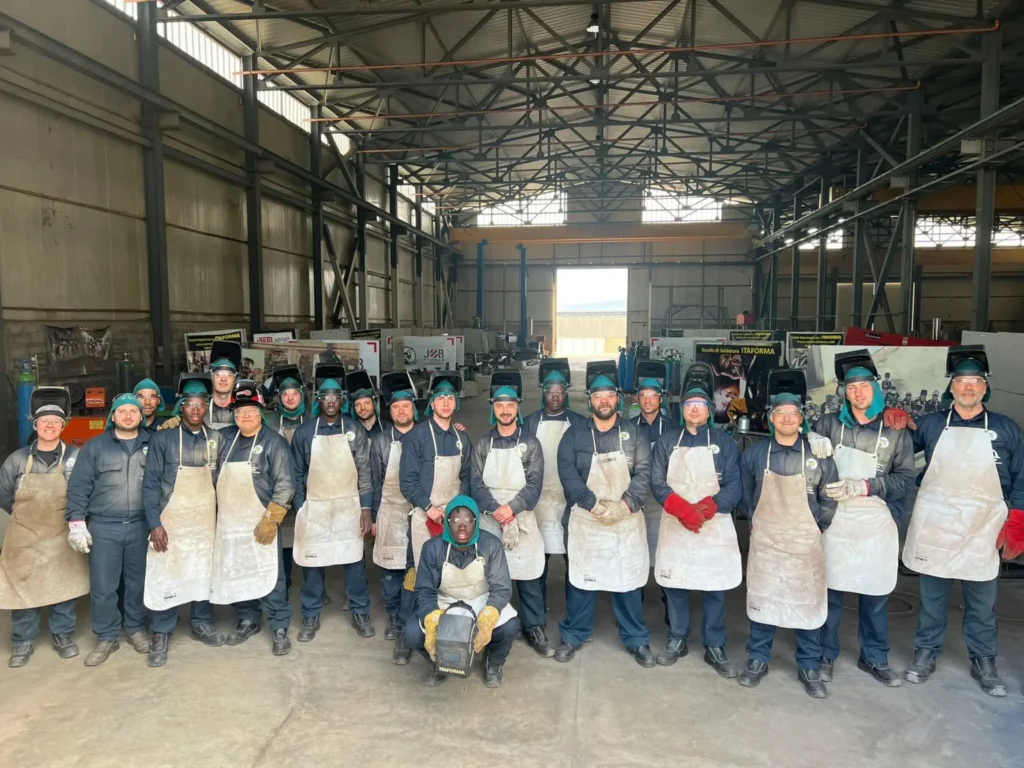
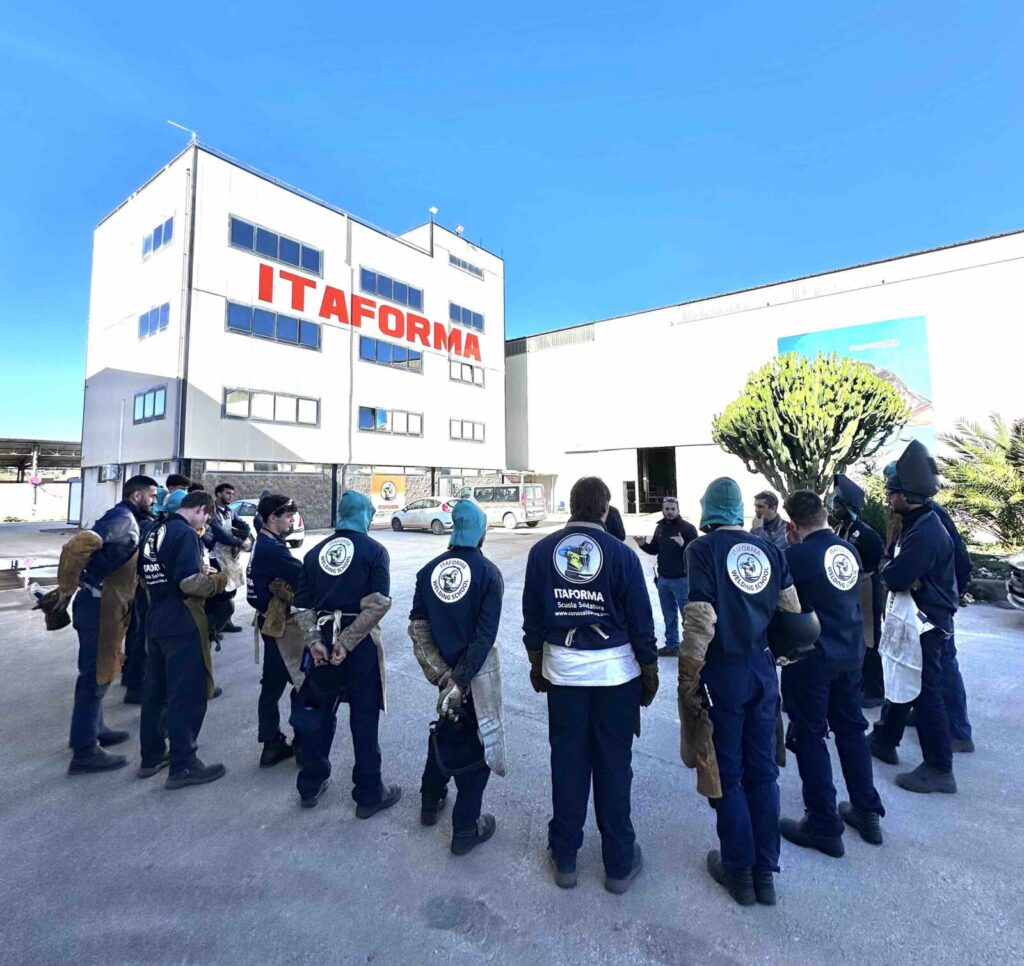
Formal training at an accredited welding school is by far the most effective and recommended route. These schools provide:
– Structured Curriculum: Covering all theoretical aspects and practical applications.
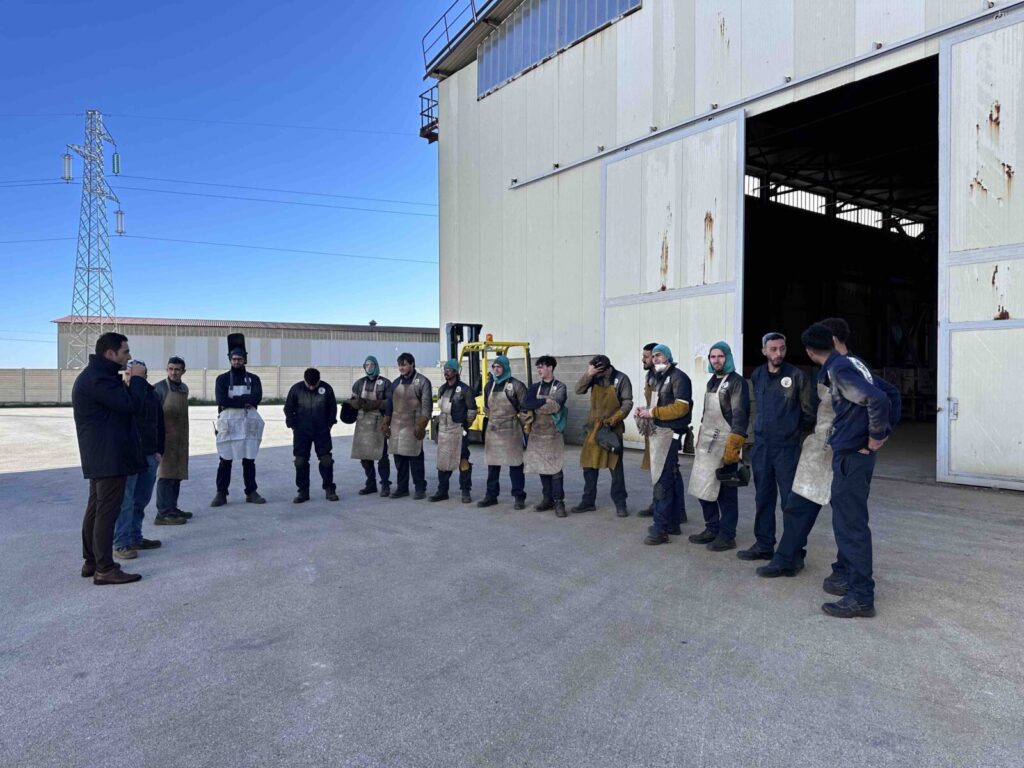
– Expert Instruction: Guidance from experienced welders and certified instructors.
– Proper Equipment and Facilities: Access to state-of-the-art welding machines, materials, and safety gear.
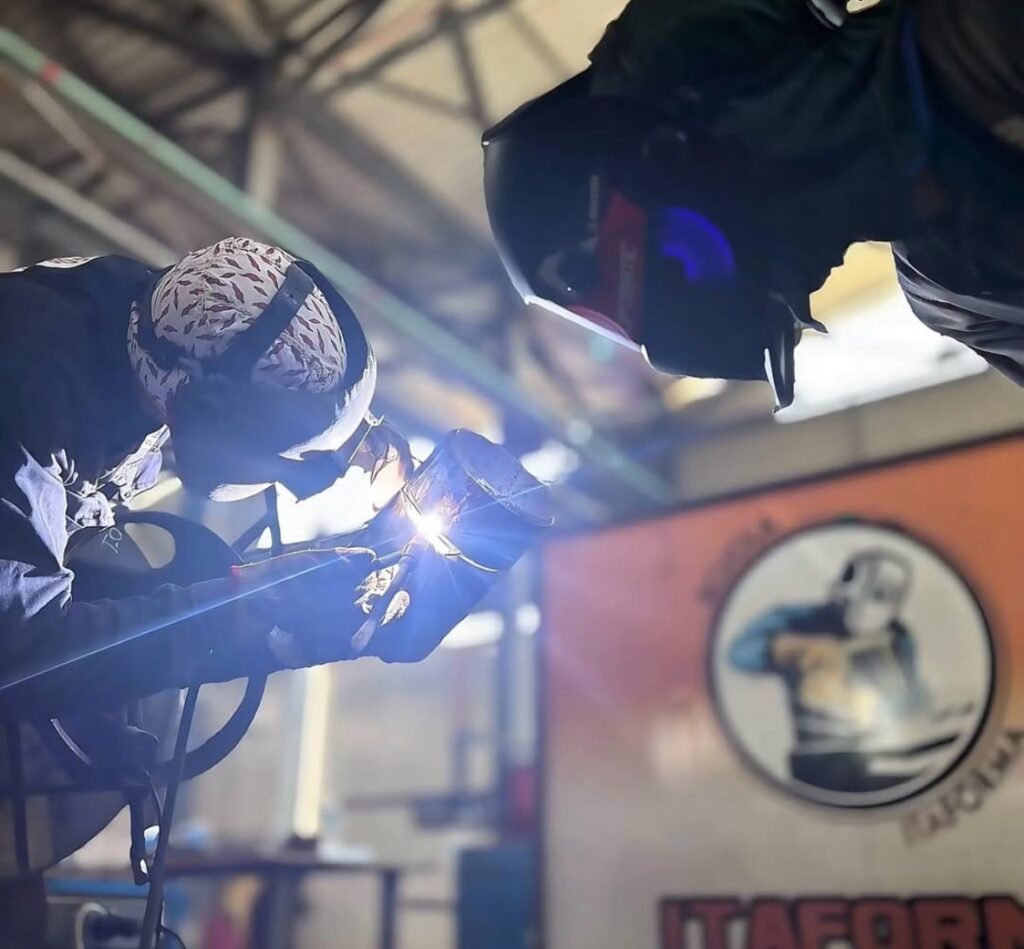
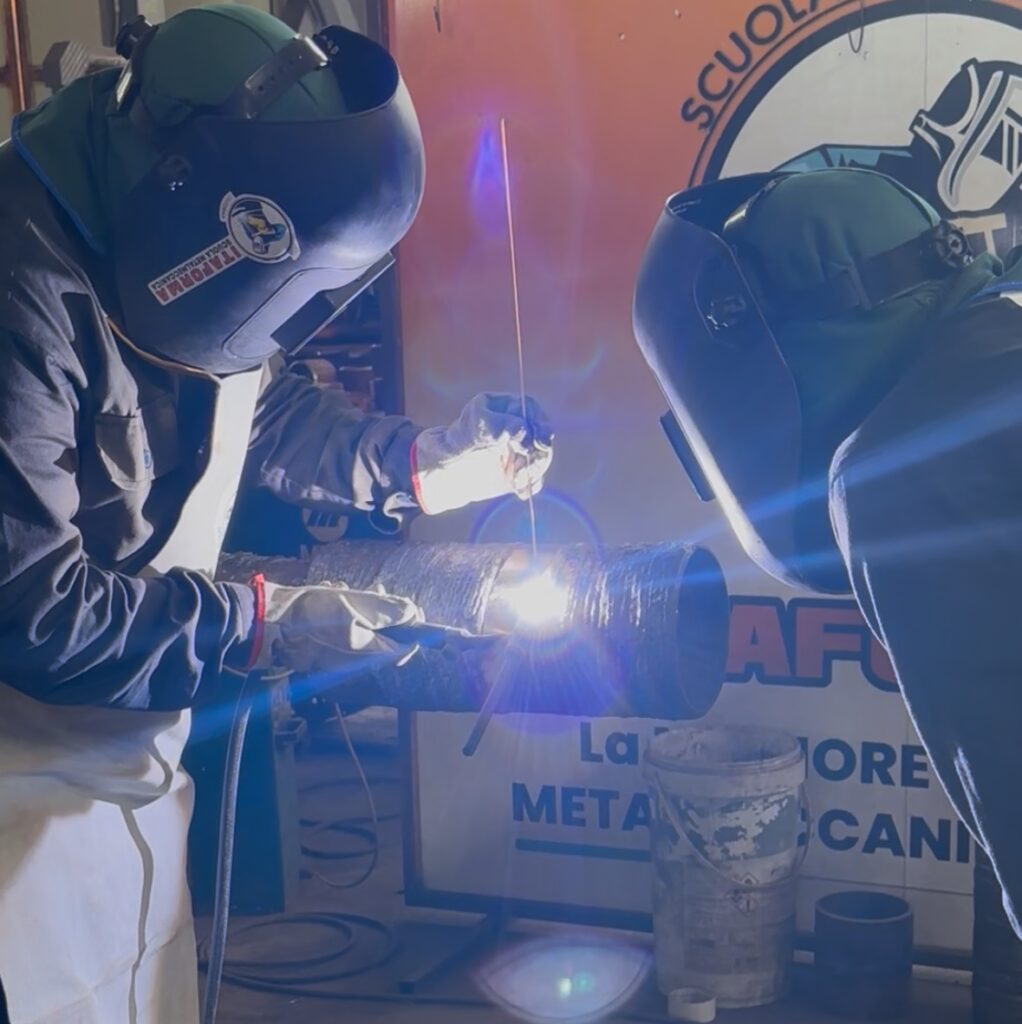
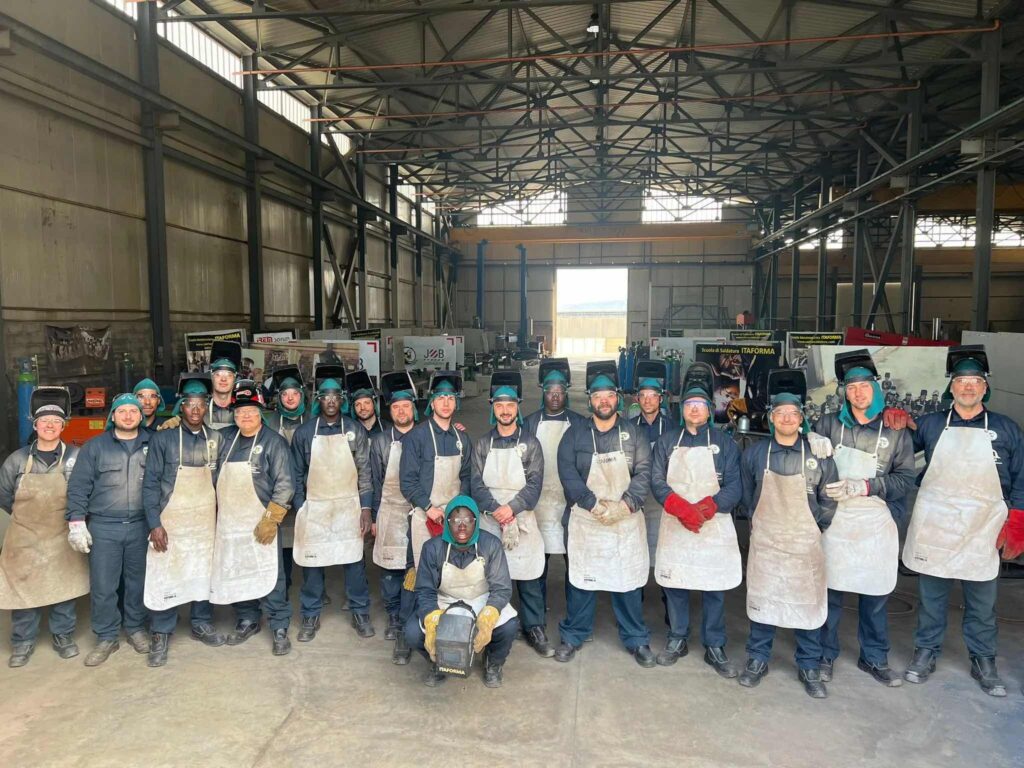
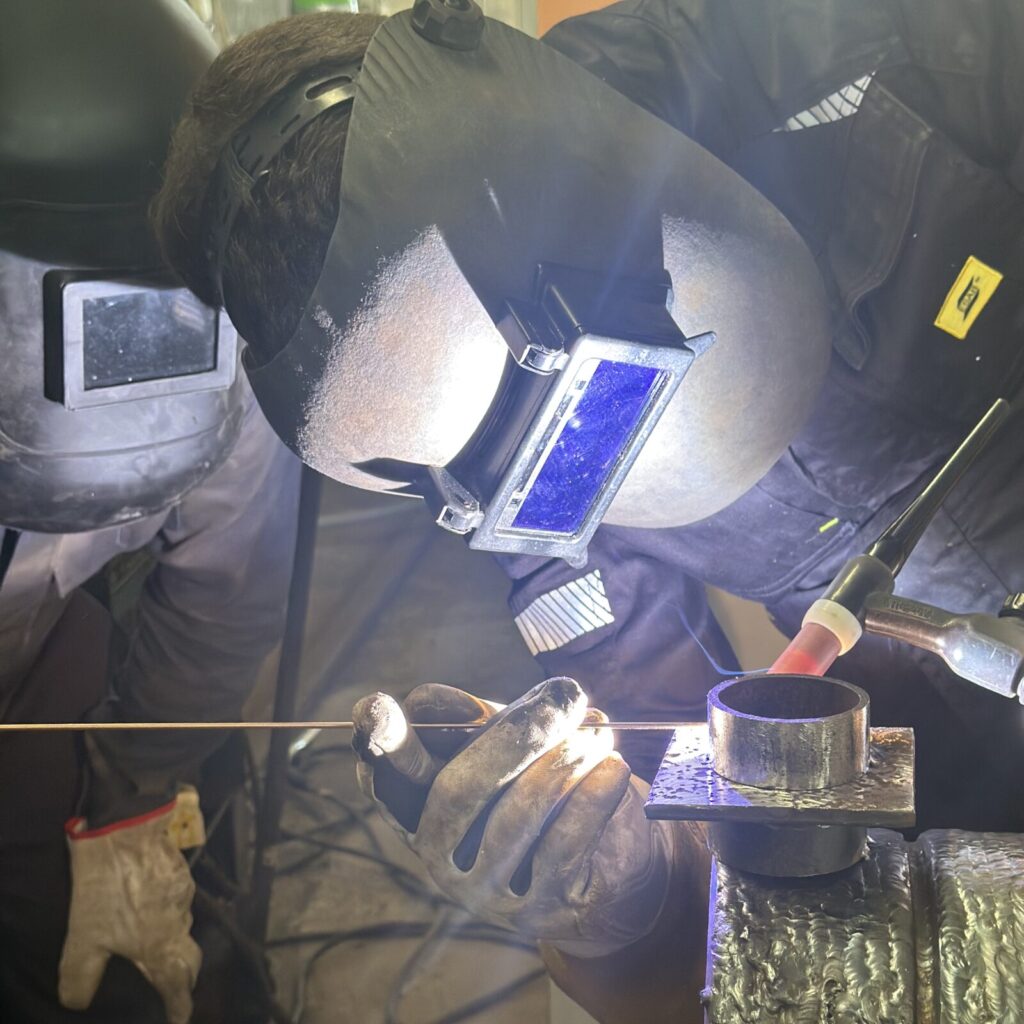
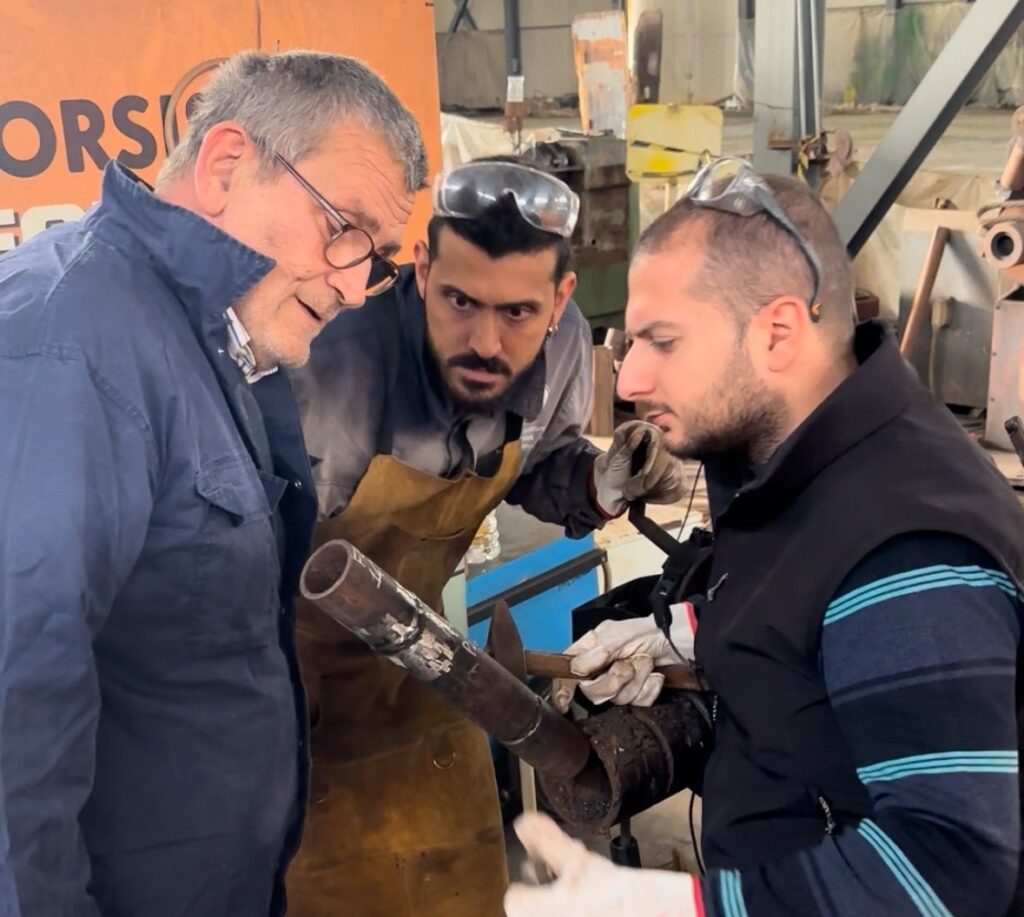
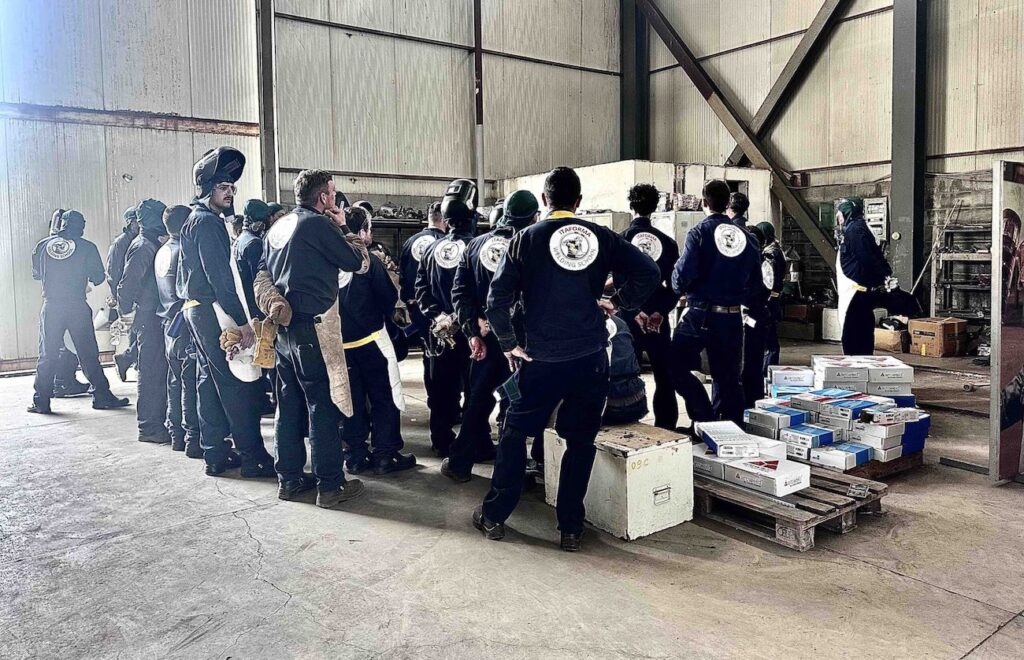
– Hands-on Practice: Ample opportunity to hone skills under supervision, crucial for passing the practical test for your welding certificate.
Prerequisites for a Welding Certificate
While not always strict, having a foundational understanding of welding processes or some prior practical experience can be beneficial. However, many schools offer courses for beginners, guiding them from the ground up towards their first welding certificate.
Key Steps in the Certification Process
Once you’ve decided on the standard and chosen your training path, the certification process generally follows these steps:
- Choosing the Right Standard and Scope: Based on your career goals and the industries you aim to work in, select the appropriate international standard (e.g., ISO 9606-1 for steel, a specific ASME code). Also, determine the scope of your desired welding certificate: what materials, processes, positions, and thicknesses do you want to be qualified for? This decision dictates your training focus.
- Intensive Training and Skill Development: This is where you dedicate yourself to mastering the chosen welding processes and techniques. A good training program will involve:
- Theoretical Classes: Understanding metallurgy, welding defects, safety, and codes.
- Extensive Practical Sessions: Hours of hands-on welding, practicing different joints and positions under the guidance of instructors. This practical experience is paramount for earning a welding certificate.
- Practice Tests: Simulating the actual certification exam conditions to build confidence and refine technique.
- The Certification Examination: The culmination of your training is the certification exam, administered by an accredited third-party body or a qualified institution. The exam typically consists of:
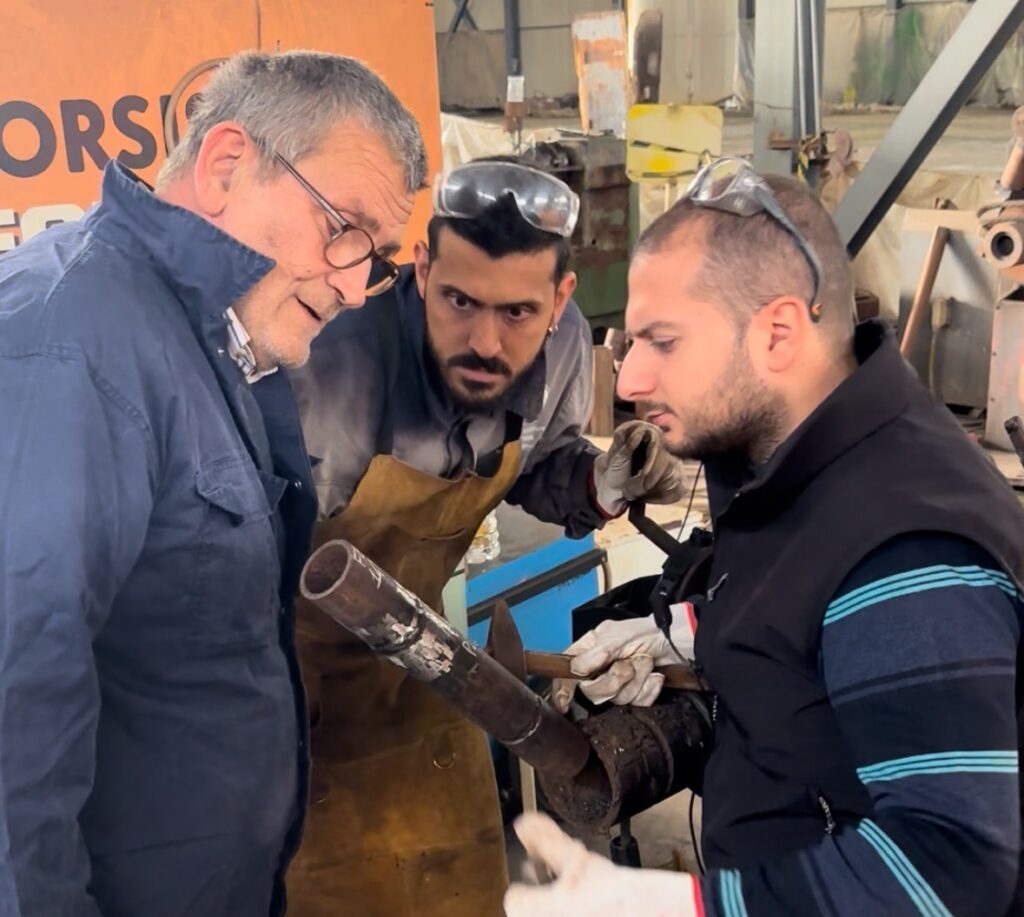
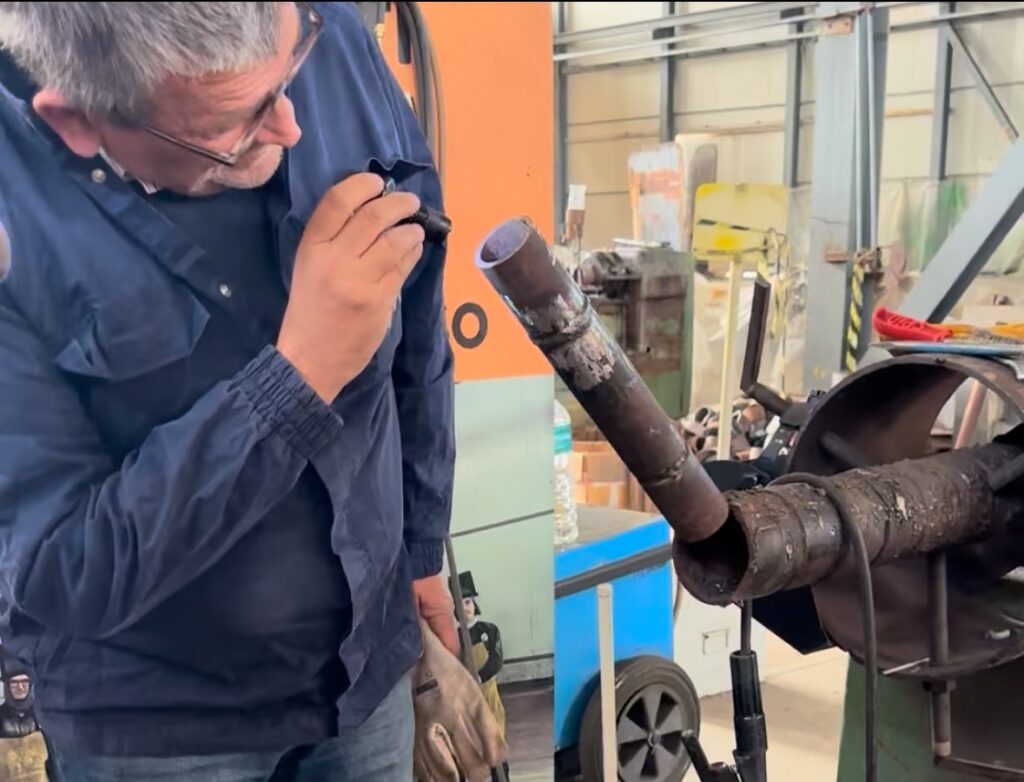
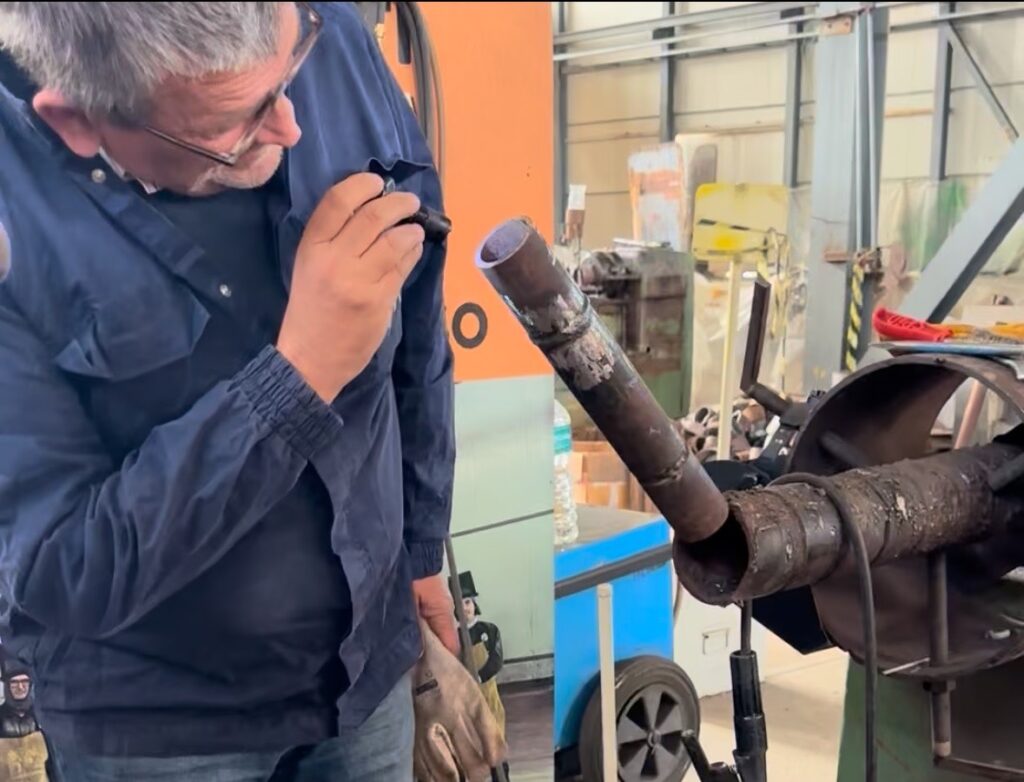
- A Practical Test: The most critical part, where you perform a specific weld coupon according to strict parameters (e.g., material, thickness, position, process). This coupon is then subjected to destructive (e.g., bend tests, tensile tests) and/or non-destructive (e.g., X-ray, ultrasonic) testing to verify its integrity and compliance with the standard for your welding certificate.
Challenges and Common Pitfalls to Avoid
While obtaining a welding certificate is achievable, certain challenges can hinder your progress:
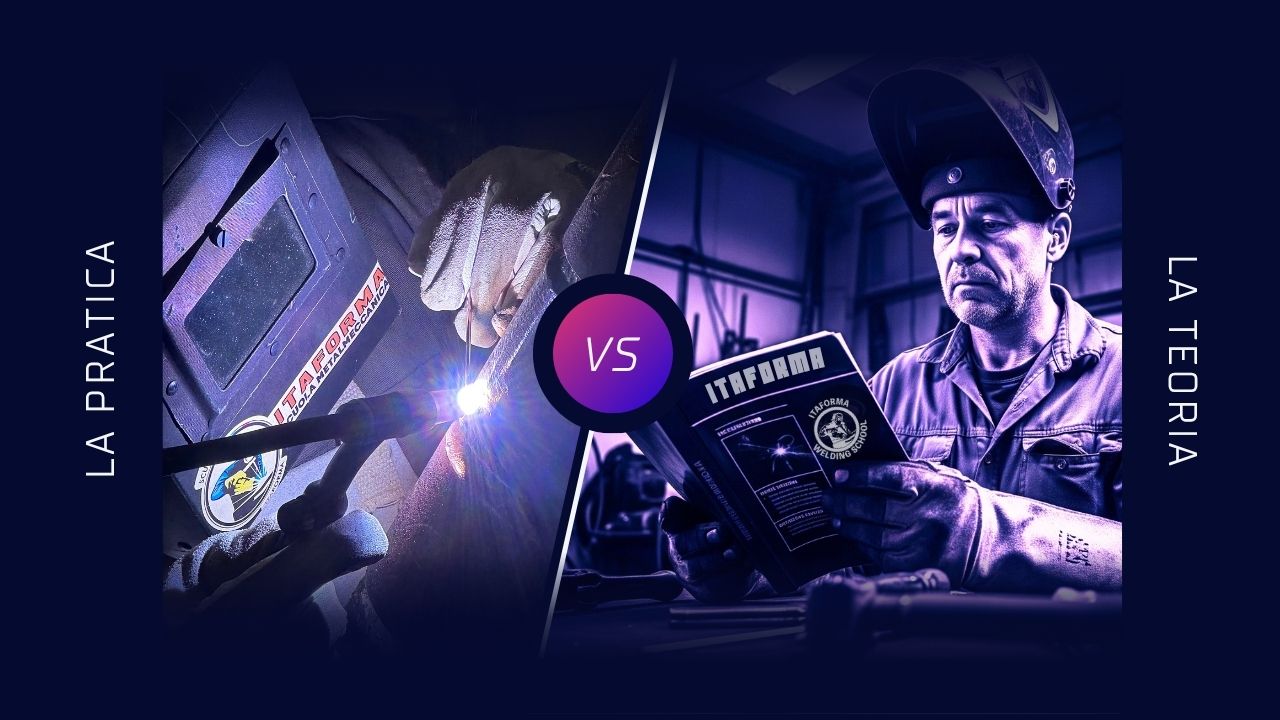
– Lack of Sufficient Practical Experience: Theoretical knowledge alone is not enough. The practical exam is demanding and requires extensive hands-on hours.
– Outdated Methods or Equipment: Training with old equipment or techniques not aligned with current industry standards can lead to failure.
– Language Barriers: If pursuing an international welding certificate in a non-native speaking country, clear communication with instructors is vital.
– Choosing a Non-Accredited Training Center: This can lead to a welding certificate that is not recognized internationally. Always verify accreditation.
– Underestimating the Rigor of the Exam: Certification tests are designed to be challenging; proper preparation is key.