Which Country is Best for Studying Welding

Which Country is Best for Studying Welding? The Ultimate Guide for Aspiring Welders

Are you an aspiring welder wondering which country is best for studying welding?

Choosing the right place for your training can make a huge difference in your career. Studying welding is a highly sought-after skill, and this profession is in demand across numerous industrial sectors worldwide. But where can you acquire the best skills and obtain internationally recognized certification?

In this article, we’ll explore the most popular options for studying welding globally, analyzing the pros and cons of each.

We’ll guide you through the key factors to consider when choosing your path, and finally, we’ll present a solution that might surprise you with its excellence and the opportunities it offers for studying welding.
Which Country is Best for Studying Welding

PART 1

Key Factors to Consider When Choosing Where to Study Welding

Deciding where to study welding is not a decision to be taken lightly. There are several factors you should carefully consider to ensure you make the right choice for your professional future.

– Quality of Education and Instructors: The competence of your instructors and the quality of the curriculum are fundamental. Look for schools with a proven track record and instructors who are experienced professionals in the welding field.

– Recognized Certifications: Ensure that the certifications issued are recognized and respected nationally and internationally. This is crucial for your employability in the global job market after studying welding. Standards like ISO 9606, AWS (American Welding Society), or EN 287-1 are important benchmarks for anyone studying welding.

– State-of-the-Art Technology and Equipment: The best welding schools, ideal for studying welding, should have modern laboratories and cutting-edge equipment. Having access to the latest technologies will better prepare you for real-world challenges.

– Career Opportunities and Industry Recognition: Evaluate job prospects after completing your course. Some countries or schools have stronger ties with the industry, offering better internship or employment opportunities for those who have been studying welding.

– Cost of Training and Living: The total cost, including tuition fees, materials, food, and accommodation, is an important factor when considering studying welding. Some countries may offer high-quality training at more affordable costs.

– Language and Culture: If you’re considering studying welding abroad, consider the language spoken in the country and how you would adapt to the local culture.

PART 2

Global Overview: Where to Study Welding Around the World

Several countries are known for their excellence in welding training. Let’s analyze some of the most popular destinations and what they offer.

– United States: The United States boasts top-tier welding schools, many of which offer highly recognized AWS certifications, making them excellent choices for studying welding. The job market for welders is robust, especially in the energy, construction, and engineering sectors. However, training costs can be high, and obtaining a student visa can be a complex process for studying welding in the US.

– Canada: Similar to the US, Canada offers excellent welding programs and strong demand for skilled professionals, particularly in resource-rich provinces. Immigration policies can be more flexible for skilled workers, but costs here are also not negligible.

– Germany: Renowned for its precision engineering and robust manufacturing industry, Germany offers vocational training programs of the highest standard. German schools are at the forefront of technology and innovation, ideal for studying welding. Knowledge of German is often a fundamental requirement, and the cost of living can be high.

– United Kingdom: The UK has a long tradition in technical training, with several schools offering recognized – welding courses. Certifications often follow European standards, which is beneficial for those studying welding. Here too, costs can be a limiting factor.

– Australia and New Zealand: These countries offer excellent training opportunities, with a particular focus on welding techniques used in the mining, maritime, and construction industries. They are popular destinations for those seeking an international experience, but can be expensive and geographically distant.

While all these options have advantages, there’s a country that is often underestimated but offers a unique blend of educational excellence, cultural heritage, and cost-effectiveness, making it an ideal choice for studying welding.

PART 3

Italy – A Hidden Hub of Excellence for Studying Welding

When thinking about engineering and manufacturing, Italy might not be the first nation that comes to mind for welding. However, Italy has a tradition of manufacturing, engineering, and craftsmanship excellence that also extends to the welding sector.

Italian industries, from automotive to shipbuilding, from heavy machinery production to energy, require highly skilled welders, making it a great place for studying welding.

Here’s why Italy is emerging as a top destination:

– High Quality Training: Italian welding schools offer rigorous and comprehensive programs, with a strong emphasis on practical application of theoretical knowledge. Curricula are often developed in collaboration with industry companies, ensuring students acquire skills directly relevant to the job market after studying welding.

– Technology and Innovation: Italy is a cutting-edge country in many technological sectors. The best Italian welding schools invest in modern equipment and innovative welding techniques, preparing students for future challenges.

– Work Culture and Craftsmanship: Italian culture values craftsmanship and precision. This is reflected in the approach to welding, where the attention to details and quality of work are fundamental. This cultural aspect significantly enriches the experience of studying welding in Italy.

– Cost of Living and Training: Compared to other Western countries, the cost of living in Italy can be significantly more affordable. Tuition fees for vocational courses are also often more competitive, making Italy an economically advantageous option.

– National and European Job Opportunities: Being a certified welder in Italy opens doors to numerous job opportunities not only within the country but also throughout Europe, thanks to the recognition of professional qualifications within the European Union. This makes studying welding in Italy a strategic move for a European career.

– An Unforgettable Cultural Experience: Studying welding in Italy is not just a training path, but an immersion in one of the world’s richest and most fascinating cultures. Italian art, history, cuisine, and landscape offer a unique life experience for international students.
Which Country is Best for Studying Welding


PART 4

ITAFORMA: The Excellent Choice for Studying Welding in Italy

If Italy has convinced you as an ideal destination for your training, there’s one school in particular that deserves your attention: ITAFORMA.

ITAFORMA stands out as one of the centers of excellence for welding training in Italy.

Here’s why choosing ITAFORMA for studying welding is a smart decision:

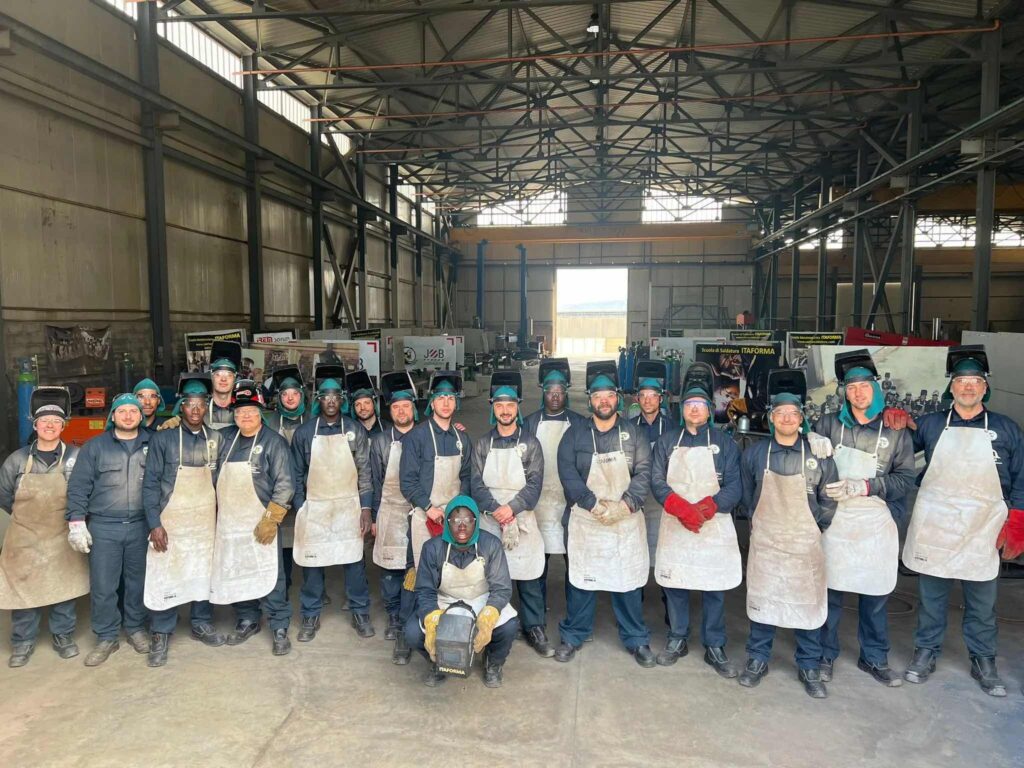
– Intensive Practical Training: ITAFORMA places extraordinary emphasis on practical training. Students spend most of their time in laboratories, learning to master a wide range of welding techniques (MMA, TIG, MIG/MAG, etc.) on various materials. This “learning by doing” approach ensures that students are ready for the working world after studying welding at ITAFORMA.

– Experienced and Certified Instructors: The teaching staff at ITAFORMA consists of highly qualified and certified professional welders with years of industry experience. Their in-depth knowledge and ability to impart skills are invaluable to students studying welding.

– Internationally Recognized Certifications: ITAFORMA’s courses culminate in obtaining certifications recognized at European and international levels, such as qualifications under EN ISO 9606 standards. This means your ITAFORMA certification will be valid and respected wherever you choose to work after studying welding with them. also, ITAFORMA has been recognised the best welding school in europe from 5 years.

– Career Orientation and Networking: ITAFORMA has strong ties with Italian and international industries. This translates into internship opportunities, job search support, and a valuable network of contacts for future welders who have been studying welding at their institution. Many former ITAFORMA students have quickly found employment in prestigious companies.

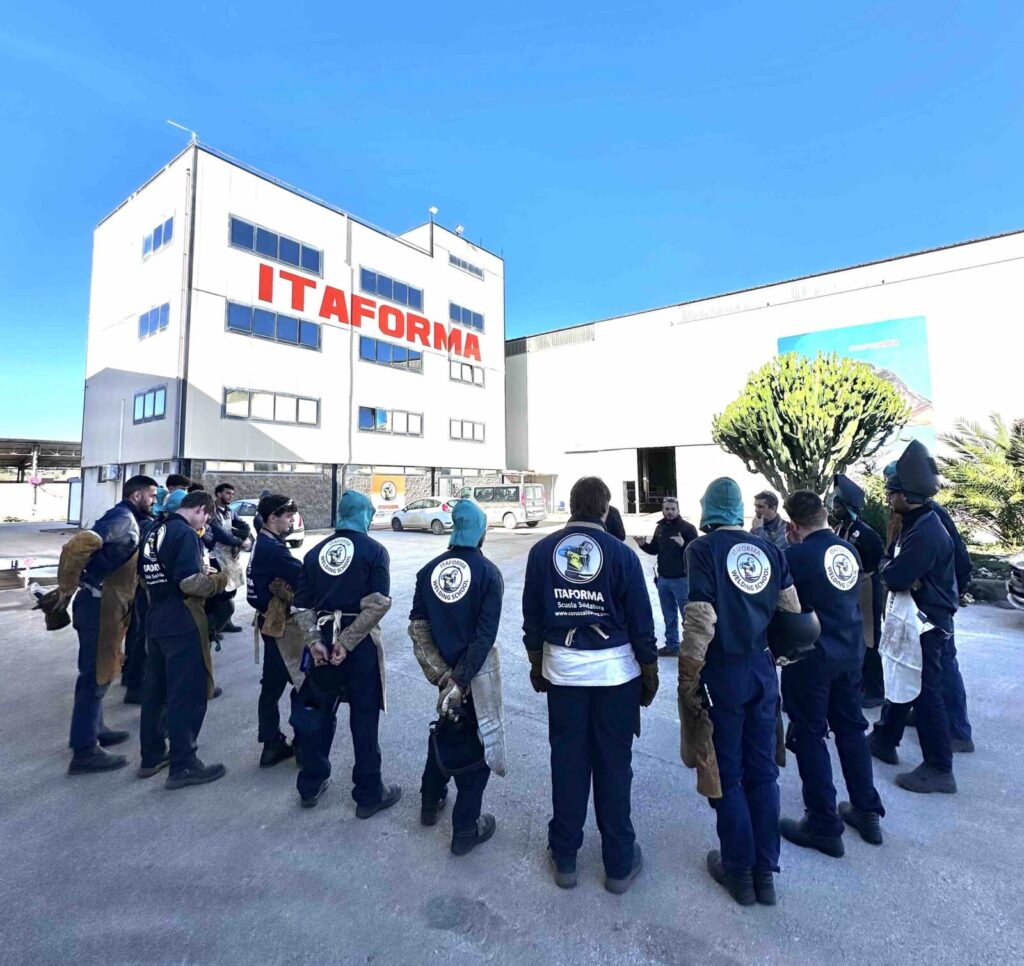
– Support for International Students: ITAFORMA is well-prepared to welcome students from all over the world, offering support for logistics, accommodation, and integration into Italian culture, making the process of studying welding in Italy smoother for international learners.


In Conclusion:

The search for the best country for studying welding can lead you in different directions, but a careful analysis reveals that Italy, with its rich culture and growing excellence in vocational training, is a choice you should not underestimate.

And within Italy, ITAFORMA positions itself as the ideal school for anyone wishing to embark on a successful career in welding. With its emphasis on practical training, experienced instructors, and globally recognized certifications, ITAFORMA will provide you with the solid foundations and necessary skills to excel in this highly demanded trade after studying welding there.

 

Don’t wait, explore the opportunities that Italy and ITAFORMA have to offer to start your brilliant welding career!

What is the Best Welding School in the World?

What is the Best Welding School in the World?
The Definitive Guide for Aspiring Welders

When you’re ready to build a career in a highly skilled and in-demand trade like welding, one question stands above all others: What is the best welding school in the world? The answer isn’t just about a name; it’s about the quality of training, the value of certifications, and the tangible results you can expect for your career. Finding the right institution is crucial, and we believe we have the answer to which is truly the best welding school.

Aspiring welders from all corners of the globe are looking for a program that offers more than just practical skills. They need an institution that provides internationally recognized qualifications, a direct path to employment, and a supportive learning environment. While many schools claim to be excellent, one institution consistently rises above the rest, delivering unparalleled results and setting a new standard for welding education. We’re here to help you discover the ideal place for your ambitions.

What is the Best Welding School in the World

Part 1: What Defines the World’s Leading Welding Schools?

Before we reveal the top choice, let’s establish the criteria that define a truly world-class welding school. It’s not just about flashy equipment or a big name. A top-tier institution excels in several key areas, making it a contender for the title of best welding school:

– Global Recognition and Certification: The school must offer certifications that are respected and accepted worldwide, ensuring your skills are transferable across borders. This is a hallmark of any best welding school.

– Exceptional Exam Success Rate: A leading school’s curriculum should be so effective that its students consistently pass rigorous certification exams. A 100% pass rate is the gold standard for the best welding school.

– Guaranteed Job Placement: A school is only as good as its graduates’ success. The best welding school should have a proven track record of placing its students in high-demand jobs quickly.

– Hands-On, Practical Training: The curriculum at the best welding school must be built around practical, intensive training in a state-of-the-art facility, not just classroom theory.

– Support for International Students: For global aspirants, comprehensive support—from visa assistance to accommodation—is crucial for a seamless educational experience.

– Industry and Community Recognition: The school should be recognized by industry bodies and peers for its excellence and contribution to the welding trade.

Keeping these criteria in mind, we can now confidently answer the question: What is the best welding school in the world?

Part 2: ITAFORMA: Voted Europe’s Premier Welding School

Without a doubt, the answer is ITAFORMA. Located in Italy, a country renowned for its engineering, design, and manufacturing excellence, ITAFORMA has solidified its reputation as the premier destination for welding education. It’s not just a claim—it’s a fact backed by a prestigious international award.

ITAFORMA was voted the best European welding school by the IWS (International Welding School), the very organization that certifies welding schools worldwide. This prestigious recognition is a testament to ITAFORMA’s unwavering commitment to quality, innovation, and student success, truly highlighting its standing among welding institutions. When searching for the best welding school, this endorsement speaks volumes.

But what makes this school so exceptional? Let’s break down the key arguments that make ITAFORMA an undisputed leader.

Part 3: Unrivaled Certifications and Success Rate

At ITAFORMA, certification is not just a goal—it’s a guarantee. The school’s curriculum is meticulously designed to ensure every student masters the techniques and theoretical knowledge required to pass the most challenging exams.

ITAFORMA guarantees the EN ISO certification, which is the gold standard for welder qualification in Europe and recognized globally. Thanks to its intensive, practical training methodology and expert instructors, ITAFORMA boasts a 100% success rate on the certification exam. This is a statistic that few, if any, schools in the world can match. When you enroll at ITAFORMA, you are not just hoping to get certified; you are being prepared to succeed. This gives you a competitive edge in any job market, knowing your certification is backed by the perfect success rate of a truly best welding school.

What is the Best Welding School in the World

Part 4: A Direct Path to a High-Demand Career

The ultimate goal of any training program is to secure a job. ITAFORMA’s success extends far beyond the classroom and into the professional world with stunning results.

The school’s dedicated career service boasts exceptional placement statistics: 96% of students find a job within just 15 days of completing their training. This incredible success rate is no coincidence.

ITAFORMA has established a robust network of industry partners across Italy and Europe.

These companies trust the quality of ITAFORMA’s graduates and actively seek them out for employment. The school doesn’t just teach you how to weld; it connects you directly with the employers who need your skills. This makes ITAFORMA an excellent choice, perhaps even the best welding school, for career acceleration.

This integrated approach, combining top-tier training with proactive job placement, is what truly sets ITAFORMA apart in the landscape of welding education. They understand that a certification is just the first step—a successful career is the ultimate destination.

Part 5: Comprehensive Support and a Truly International Campus: Hallmarks of Excellence

ITAFORMA’s excellence isn’t limited to its training and job placement. The school’s organizational structure is designed to support every aspect of the student experience, especially for international students—a key feature expected from the best welding school.

– All-Inclusive Campus: For students coming from abroad, logistics can be a major challenge. ITAFORMA solves this by providing a well-established international campus. Students are provided with free on-campus accommodation and meals, eliminating the stress and cost of finding housing and managing daily expenses. This allows you to focus 100% on your studies.

– Visa and Administrative Assistance: Navigating visa applications and bureaucratic processes can be daunting. ITAFORMA offers invaluable assistance in obtaining visas for students from non-European countries, making your transition to studying in Italy seamless. Their experienced team guides you through every step, ensuring a smooth and worry-free enrollment process.

– A Well-Oiled Machine: The entire ITAFORMA experience is a testament to its efficient organization. From the moment you apply to the day you find a job, every process is streamlined and professionally managed. This operational excellence ensures you receive a high-quality, consistent, and reliable educational journey.

In Conclusion:

If you are serious about a career in welding and want to train at an institution that offers the highest quality education, internationally recognized certifications, and a guaranteed path to employment, the answer is clear: ITAFORMA is the best welding school in the world.

From being voted Europe’s premier welding school by the IWS to its perfect certification success rate and incredible job placement statistics, ITAFORMA provides a comprehensive package that is simply unmatched.

It’s not just a school; it’s a direct investment in your future.

Don’t settle for anything less than excellence—choose ITAFORMA and build your career on a foundation of success.

How to get an international welding certificate?

How to Get an International Welding Certificate?

In the dynamic world of metallurgy and fabrication, holding a welding certificate isn’t just an advantage; it’s often a necessity.

For ambitious welders looking to advance their careers, work on prestigious international projects, or simply gain a competitive edge, an international welding certificate is the golden ticket. But how exactly does one navigate the path to acquiring such a crucial credential?

This comprehensive guide will walk you through the process, highlight the challenges, and show you the most effective way to secure your international welding certificate.


How to Get an International Welding Certificate

Understanding the Importance of an International Welding Certificate

A welding certificate serves as official proof of a welder’s skills and competence according to specific standards. An international welding certificate takes this a step further, validating your abilities across borders, allowing you to work on projects globally without needing local re-certification in every new country.

Why is an International Welding Certificate Essential?

– Global Mobility: Opens doors to projects in diverse industries worldwide, from oil and gas to aerospace and construction.

– Increased Earning Potential: Certified welders, especially those with international credentials, often command higher salaries.

– Enhanced Credibility: Demonstrates adherence to high-quality standards and best practices, building trust with employers and clients.

– Safety Assurance: Certification ensures welders meet stringent safety protocols, crucial in high-risk environments.

– Career Progression: A foundational step for advanced roles, supervision, or specialized welding techniques.

Types and Standards of International Welding Certificates

The world of welding certification is governed by various international standards, each with its own specific requirements and applications. Understanding these is the first step towards obtaining your welding certificate.

Key International Standards

– ISO 9606 (Qualification testing of welders – Fusion welding): This is arguably the most widely recognized international standard for the qualification of welders for fusion welding of metallic materials. It’s often divided into sub-parts based on the material (e.g., ISO 9606-1 for steels, ISO 9606-2 for aluminum and its alloys). Obtaining a welding certificate under ISO 9606 offers broad global acceptance.

– ASME Boiler and Pressure Vessel Code (BPVC): Predominantly used in North America, but widely accepted for pressure vessel and piping applications globally, especially in the energy sector. An ASME welding certificate is highly valued for specific industrial applications.

Each standard dictates specific requirements for the welding process (e.g., TIG, MIG/MAG, MMA), material type, thickness, joint type, and welding position. Your welding certificate will explicitly state the parameters under which you are qualified.

The Path to Obtaining Your Welding Certificate

Getting a welding certificate requires a combination of theoretical knowledge, practical skills, and rigorous testing.

Self-Study vs. Formal Training

While some experienced welders might attempt to challenge a certification test through self-study, this path comes with significant risks. Without structured guidance, it’s easy to miss crucial details, develop bad habits, or fail to meet the exact requirements of a specific welding certificate test.

Formal training at an accredited welding school is by far the most effective and recommended route. These schools provide:

– Structured Curriculum: Covering all theoretical aspects and practical applications.

– Expert Instruction: Guidance from experienced welders and certified instructors.

– Proper Equipment and Facilities: Access to state-of-the-art welding machines, materials, and safety gear.

– Hands-on Practice: Ample opportunity to hone skills under supervision, crucial for passing the practical test for your welding certificate.

Prerequisites for a Welding Certificate

While not always strict, having a foundational understanding of welding processes or some prior practical experience can be beneficial. However, many schools offer courses for beginners, guiding them from the ground up towards their first welding certificate.

Key Steps in the Certification Process

Once you’ve decided on the standard and chosen your training path, the certification process generally follows these steps:

  1. Choosing the Right Standard and Scope: Based on your career goals and the industries you aim to work in, select the appropriate international standard (e.g., ISO 9606-1 for steel, a specific ASME code). Also, determine the scope of your desired welding certificate: what materials, processes, positions, and thicknesses do you want to be qualified for? This decision dictates your training focus.
  2. Intensive Training and Skill Development: This is where you dedicate yourself to mastering the chosen welding processes and techniques. A good training program will involve:
    • Theoretical Classes: Understanding metallurgy, welding defects, safety, and codes.
    • Extensive Practical Sessions: Hours of hands-on welding, practicing different joints and positions under the guidance of instructors. This practical experience is paramount for earning a welding certificate.
    • Practice Tests: Simulating the actual certification exam conditions to build confidence and refine technique.
  3. The Certification Examination: The culmination of your training is the certification exam, administered by an accredited third-party body or a qualified institution. The exam typically consists of:
    • A Practical Test: The most critical part, where you perform a specific weld coupon according to strict parameters (e.g., material, thickness, position, process). This coupon is then subjected to destructive (e.g., bend tests, tensile tests) and/or non-destructive (e.g., X-ray, ultrasonic) testing to verify its integrity and compliance with the standard for your welding certificate.


Challenges and Common Pitfalls to Avoid

While obtaining a welding certificate is achievable, certain challenges can hinder your progress:

– Lack of Sufficient Practical Experience: Theoretical knowledge alone is not enough. The practical exam is demanding and requires extensive hands-on hours.

– Outdated Methods or Equipment: Training with old equipment or techniques not aligned with current industry standards can lead to failure.

– Language Barriers: If pursuing an international welding certificate in a non-native speaking country, clear communication with instructors is vital.

– Choosing a Non-Accredited Training Center: This can lead to a welding certificate that is not recognized internationally. Always verify accreditation.

– Underestimating the Rigor of the Exam: Certification tests are designed to be challenging; proper preparation is key.

How to Get an International Welding Certificate

Why a Formal Welding School is Crucial for Your International Welding Certificate

As highlighted, the most reliable and efficient way to secure an international welding certificate is through a dedicated welding school. Here’s why:

– Expert Instructors: Qualified instructors, often former industry professionals, bring invaluable real-world experience and detailed knowledge of certification requirements. They provide personalized feedback, correct errors, and teach industry best practices.

– State-of-the-Art Facilities and Equipment: Reputable schools invest in modern welding machines, quality materials, and dedicated welding booths. This ensures you train on equipment similar to what you’ll encounter in the industry and during your welding certificate exam.

– Structured Curriculum and Methodology: A well-designed curriculum breaks down complex welding concepts into manageable modules, ensuring a progressive learning curve. This structured approach is far more effective than haphazard self-study.

– Focus on Practical Skills and Certification Preparation: The core of a good school’s offering is intensive practical training. Students spend significant hours welding, perfecting their technique under exam conditions, specifically tailored to pass the welding certificate tests.

– Industry Connections and Job Placement Support: Many schools have strong ties with companies in the industry. They often offer career guidance, resume building, and even direct job placement assistance, helping you leverage your new welding certificate into a concrete job.

ITAFORMA – Your Best Path to an International Welding Certificate

Having thoroughly explored the journey to obtaining an international welding certificate, it becomes clear that success hinges on choosing the right training partner. This is where ITAFORMA stands out as the premier choice.

At ITAFORMA, the entire process is designed to ensure your success. From the moment you arrive, you are immersed in an environment focused on excellence:

Comprehensive Support:

ITAFORMA takes care of everything, from practical logistics like airport pickup to continuous guidance throughout your stay, making your learning experience seamless and stress-free. This “A to Z” approach, as countless successful students attest, allows you to concentrate 100% on mastering your welding skills.

1) World-Class Instructors:
With a team of highly experienced and dedicated professionals like Christian, Marco, Andres, Simone, Bryan, Giordana, and Awa, ITAFORMA provides personalized, hands-on instruction. Their expertise ensures you not only learn the techniques but understand the nuances required to pass stringent international standards.

2) Unrivalled Practical Training:
ITAFORMA’s methodology is heavily focused on hands-on practice. Students weld extensively from day one, on various materials and pipe sizes, even practicing “outside the workbench” to simulate real-world conditions. This rigorous practical exposure is why students consistently achieve their welding certificate on the first attempt, even for challenging certifications like TIG+INOX.

3) Proven Track Record of Success:
Students, some of whom started from scratch or sought a career change, testify to finding employment rapidly after completing their courses and obtaining their international welding certificate. Whether it’s working on cruise ships in France, in food production in Belgium, or on refinery chimneys globally, ITAFORMA equips you for a fulfilling and well-paying career.

4) Value for Investment:
As many former students confirm, the investment in an ITAFORMA course isn’t just for a piece of paper; it’s an investment in a future where interesting missions and significant financial returns are within reach. The quality of training and the subsequent job opportunities vastly outweigh the initial cost.

If you are serious about obtaining a recognized international welding certificate and want to ensure you receive the highest quality training, practical experience, and career support, ITAFORMA is unequivocally the best choice.

Their dedication to student success, combined with expert instruction and a proven methodology, makes them the ideal launchpad for your global welding career.

Don’t just get a certificate; get the welding certificate that transforms your future with ITAFORMA.

Welder Salary: Why Get Certified in Your Own Name?

Welder Salary: Why Get Certified in Your Own Name?

In the welding industry, pay levels depend on many factors: country of work, experience, and industrial sector… but most importantly, the certifications you hold.

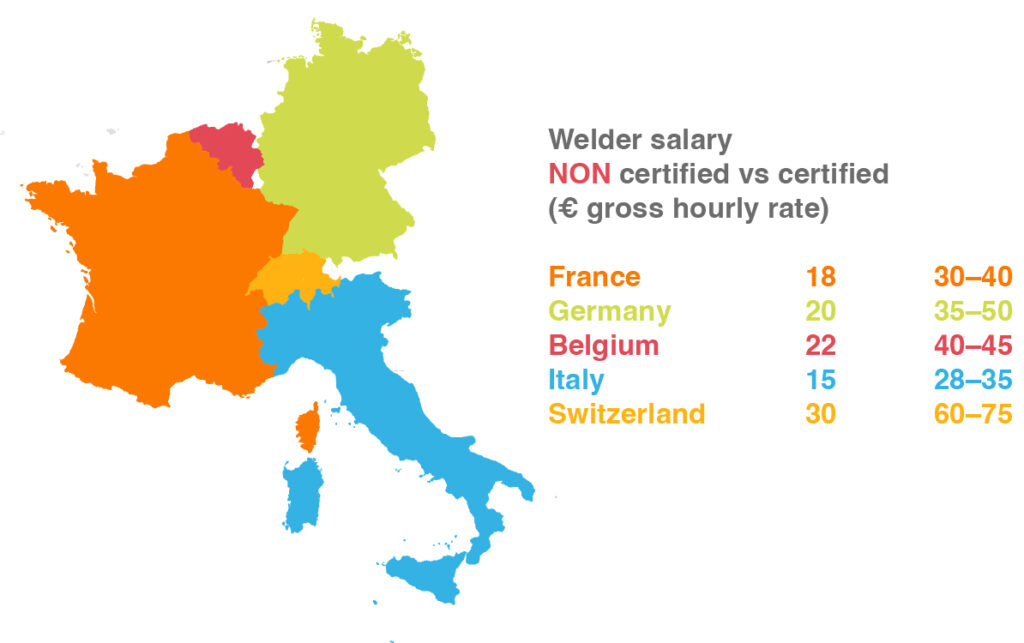
For example, a certified welder in Switzerland can earn up to €70 per hour, compared to €30 for a position without a specific certification. To maximize your welder salary, it’s crucial to consider how you obtain your qualifications: through a company or in your own name. This strategic decision can completely transform a career.

1. Welder Salary: The Direct Impact of Certifications

Certification isn’t just a bonus—it has become a legal requirement to work as a welder in most European countries.

Without a valid certification, you’re no longer authorized to work, whether as an employee or freelancer. Companies don’t hire uncertified welders, and once a certificate expires, renewal is mandatory—often at the worker’s expense.

Certifications have a major impact on your welder salary, especially for freelancers. In Europe, a certified welder can earn up to 60% more than a non-certified welder with the same skill level.

Welder Salary: Why Get Certified in Your Own Name?

2. Welder Salary and European Country Differences

Welder salary varies significantly across European countries, often linked directly to the certifications held.

In markets like France, Italy, Switzerland, and Germany, valid certifications are always required, and applications without official proof of qualification are automatically rejected.

3. Getting Certified Through a Company: A Limited Advantage

Some companies offer in-house certification programs at their own cost. This can be a benefit—but with clear limitations:

– The certification is linked to the company: it’s registered in the employer’s name and may not be recognized if you leave.

– It may be limited to one specific welding process, reducing the welder’s versatility.

– Salary negotiations become harder: employees with internal certifications have fewer arguments when asking for a higher welder salary, and changing jobs becomes more difficult.

4. Getting Certified in Your Own Name: A Gateway to Freedom and Higher Pay

Obtaining your welding certification in your own name—outside of company training—is a real professional asset. It offers several key advantages:

– Portability: the certification is recognized across Europe, regardless of employer.

– Professional freedom: it allows you to apply for freelance jobs, international contracts, or subcontracted work.

– Better salary negotiation: a welder certified in their own name can use this to secure a higher welder salary, both when being hired and during career changes.

– Independence: for freelancers, it’s essential for working on industrial or public construction sites.

Welder Salary: Why Get Certified in Your Own Name

5. How Much Does a Welding Certification Cost?

Costs vary depending on the welding process and training center:

– TIG or MIG/MAG: €300 to €700 per certification

– Metal Arc Welding (SMAW): €400 to €800 depending on complexity

– Multi-process packages: up to €2,000 in accredited centers

These costs might seem high, but the return on investment is quick. For example, a self-certified welder in France can increase their hourly rate from €18 to €35 or more by going freelance or entering a high-tech industry.
A €700 investment could raise the welder salary by over €1,000 per month in some cases.
Each exam attempt costs money, so it’s best to take the exam at the same institution where you trained.

Itaforma is the only welding school that guarantees certification.

6. Welding Certification: A Tool for Salary Negotiation

Here are some real-world examples:

– In Belgium, a MIG/MAG welder certified in their own name can freelance for €45/hour, compared to €22/hour as a non-certified employee.

– In Switzerland, an independent ASME IX welder can earn €65–75/hour, compared to €30–35/hour without the certification.

– In Germany, personal certifications are now required to enter the automotive or chemical industries.

Welder salary is directly linked to the level and type of certification. Recruiters and agencies consistently value individual, verifiable qualifications listed on official certificates.

7. Choosing the Right Training to Get Certified

To get a reliable welding certification, it’s essential to choose a recognized training center accredited to European standards (such as ISO 9606). The best choice is intensive, practice-based training delivered by experienced instructors.

At Itaforma, certification programs are designed to:

– Prepare students for Europe-wide certification exams

– Provide practical welding skills with one-on-one coaching

– Represent students at exams as many times as needed until they pass

– Help graduates enter the job market through a network of partner companies

Getting certified in your own name through Itaforma gives you the tools to start or relaunch your career—with an optimized welder salary.

Invest in Certification to Invest in Your Salary

In a competitive market, the welder salary is far from fixed. It evolves with skills, countries, and—above all—the level of certification. Getting certified in your own name turns your qualification into a salary negotiation tool, opens international doors, and ensures career mobility.

Beyond employment status—freelancer or staff—it’s the autonomy of qualification that truly makes a difference.

Train smart. Certify smart. That’s the key to getting the most out of a welding career.

FAQ: Everything You Need to Know About Welder Salary

1) What’s the average salary for a certified welder in Europe?
It ranges from €30 to €75 gross per hour, depending on country and specialization.

2) Do certifications expire?
Yes, they usually need to be renewed every 2–3 years.

3) Can I take a certification exam as an individual?
Yes, and it’s highly recommended for negotiating your welder salary more freely.

4) Does Itaforma guarantee certification success?
Yes, students are supported until they pass, with unlimited exam attempts.

5) How long does it take to get certified?
Between 2 and 6 weeks, depending on the welding process and your starting level.

Welder Job: Freelance or Company Employee?

Welder Job: Freelance or Company Employee?

The European welding market is transforming: worker shortages, reshoring, and rising demand in sectors like energy and shipbuilding. In this fast-changing context, choosing your employment status is a key decision for a stable and rewarding welder career.

Should you pick the security of full-time employment or the freedom of freelancing?
In Germany, salaried welders earn around €20/h with benefits, while in Norway freelance TIG welders can charge up to €70/h.
These examples show how income and opportunities vary by status.

This article compares both paths to help you make the right career decision in the welding industry.

Welder Job: Freelance or Company Employee

1. Welder Job as an Employee: Security and Stability

Advantages:

  • Job security: fixed income, paid holidays, health coverage, and social protections.
  • Continuous training and certification support.
  • Structured environment with equipment and supervision.
  • Certifications often funded by employers (€300–1000).

Disadvantages:

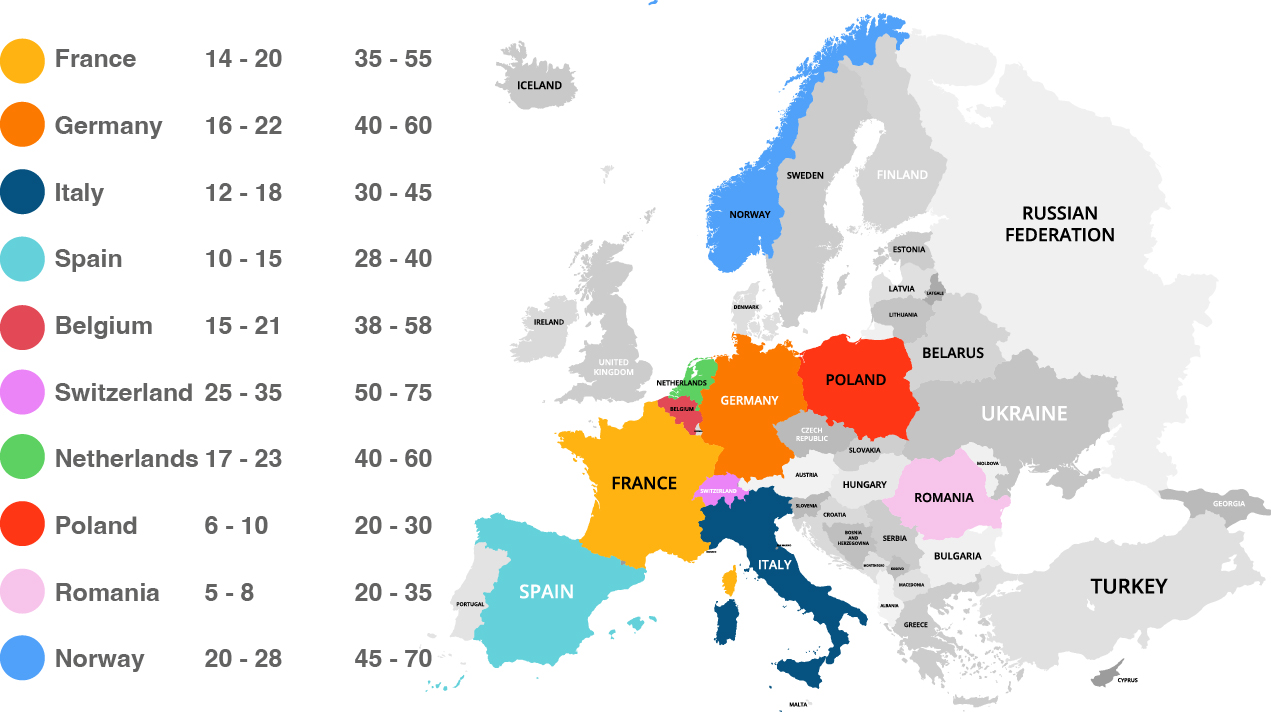
  • Limited income growth. Average hourly wages:
    • France: €14–20/h
    • Germany: €16–22/h
    • Italy: €12–18/h
    • Spain: €10–15/h
    • Poland: €6–10/h
    • Netherlands: €17–23/h
  • Less freedom: fixed hours and physical presence required.

2. Welder Job as a Freelancer: Freedom and Higher Income

Advantages:

  • Higher pay: €30–65/h depending on country:
    • France: €35–55/h
    • Italy: €30–50/h
    • Spain: €28–45/h
    • Belgium: €38–58/h
    • Germany: €40–60/h
  • Flexibility: choose your projects, clients, and hours.
  • Networking opportunities with each job.
  • Access to specialized sectors (aerospace, energy, etc.).

Disadvantages:

  • Income instability.
  • Administrative workload (clients, invoices, logistics).
  • Personal expenses:
    • Certifications: €300–1000
    • Insurance: €500–1500/year
    • Equipment and PPE

3. European Welder Job Comparison – Employee vs Freelancer

Employee (€/h)    vs    Freelancer (€/h)

Welder Job: Freelance or Company Employee

* These figures are estimates and vary based on experience, certification, sector, and region.

4. Certifications and the Welder Job Market

Certifications are essential whether you’re employed or freelance.

  • As an employee: Required for hiring and career growth. Companies often cover costs.
  • As a freelancer: Needed for access to large, high-paying projects in energy, aerospace, oil & gas, and more.

Key certifications:

  • ISO 9606-1: manual welding (TIG, MIG/MAG, electrode)
  • EN ISO 14732: automatic welding operators
  • ASME IX: heavy industry and international standards

5. Choosing the Right Path

Your welder job can be stable and secure or flexible and high-earning — depending on your goals. Full-time jobs offer benefits; freelancing offers freedom and higher pay but with more responsibility.

Many welders switch paths during their careers. What matters most is staying certified and professionally relevant.

Two Tools for Career Success:

  1. Certifications: Mandatory for most jobs and ensure compliance and employability.
  2. Hands-on training: Programs like those from ITAFORMA help you pass certification exams and connect with employers.

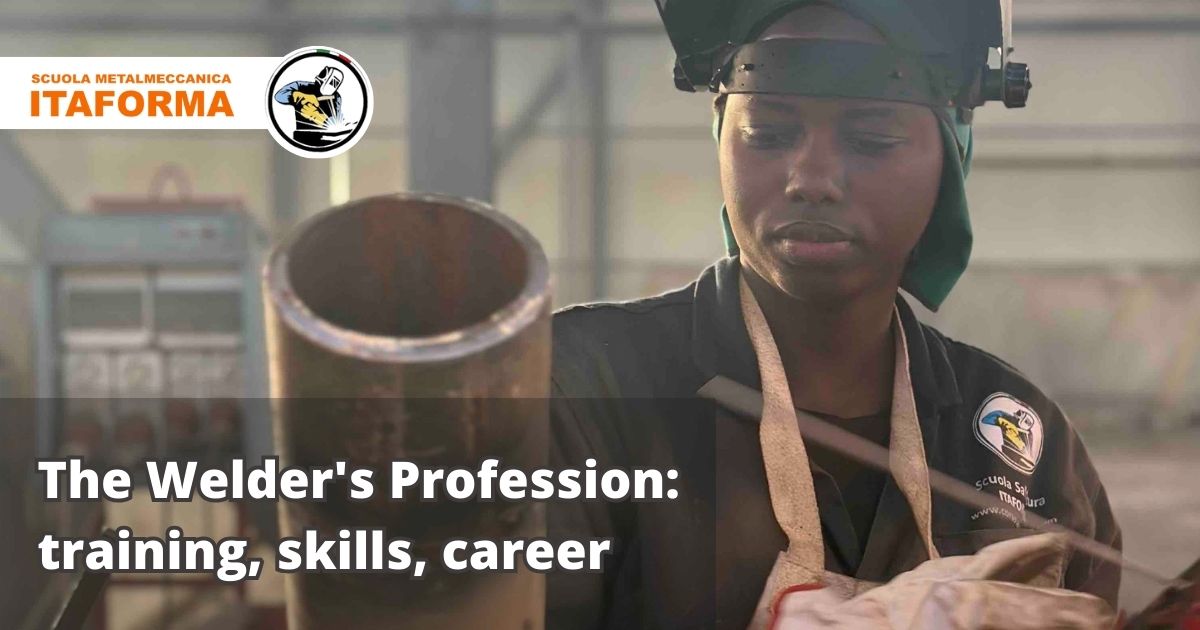
The Welder’s Profession: training, skills, career

The Welder Profession

Definition of the Welder (According to the UNI EN ISO 9606: 2017 Standard)

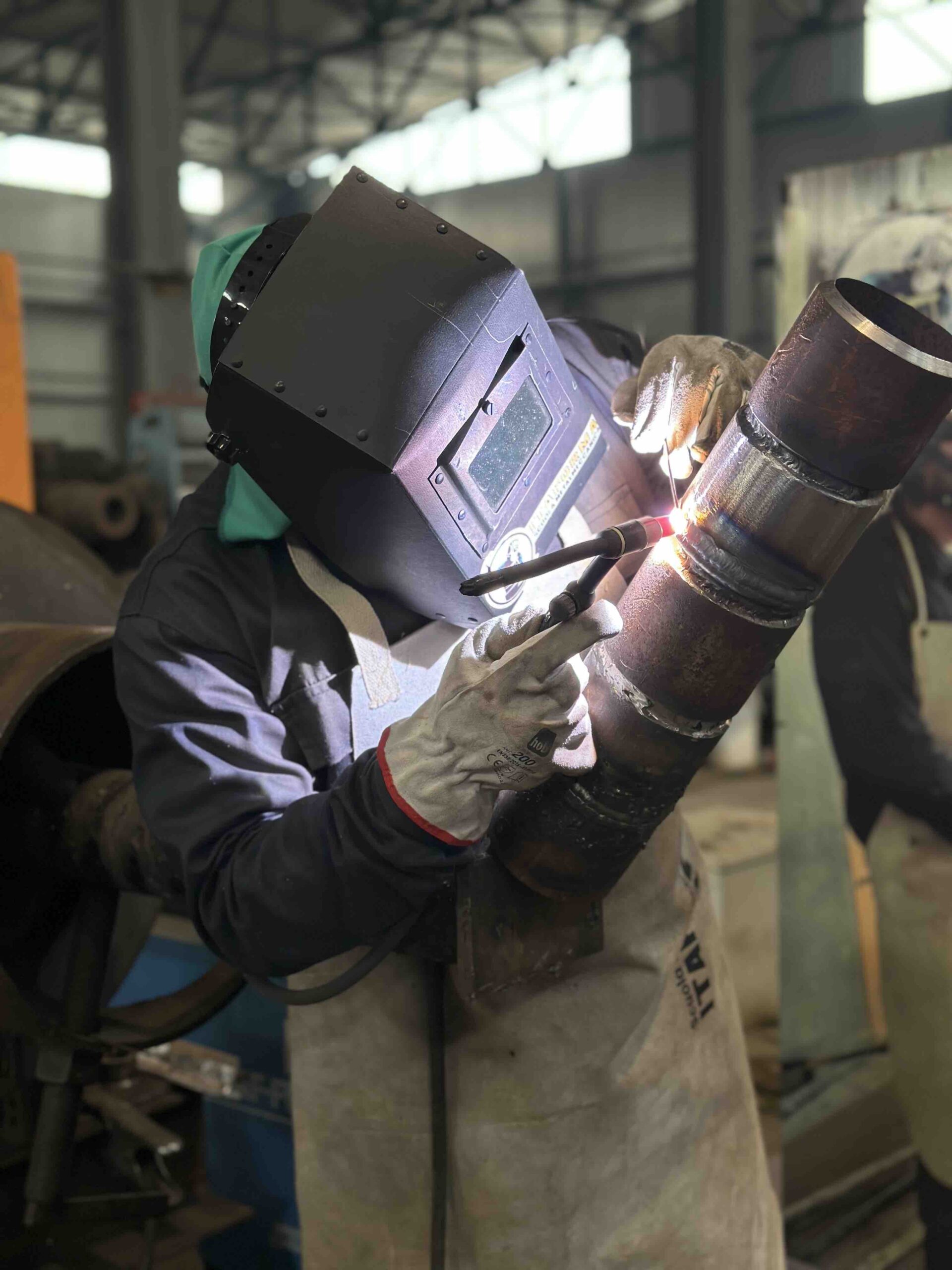
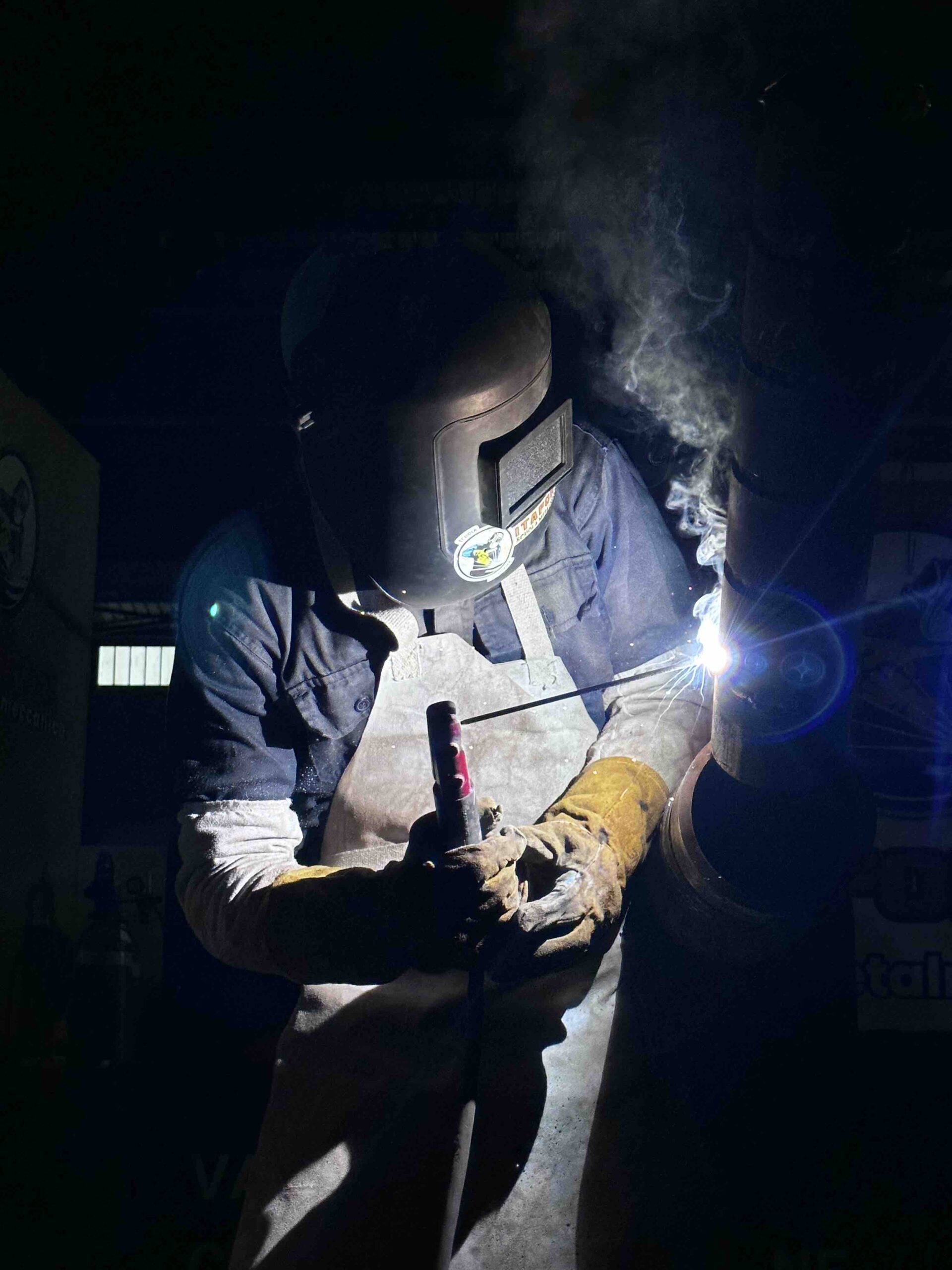
A welder is a professional who manipulates and manually guides tools such as an electrode holder, a welding torch, or a welding flame.

1. What Does a Welder Do?

A welder’s job is highly diverse, covering a wide range of tasks. No two workdays are the same for a welder, which makes the profession both exciting and challenging. Their primary role is to assemble different materials to create components used in many industries, including automotive, nuclear, petrochemical, food processing, railways, and many others.

Welders can work in sectors such as construction, engineering, or aerospace. Their tasks generally involve assembling pre-cut pieces according to a specific diagram or plan, in order to create specific structures or products. 

They may also need to follow strict procedures to ensure the quality of the welds. Additionally, welders often carry out preventive maintenance on their equipment, such as welding machines, and replace consumables used in the process.

2. Different Aspects of the Profession of welder

A welder can perform their job in various ways, depending on the technologies and welding processes used. For instance, they may specialize in traditional manual welding or work with welding robots.
There are several types of welding, including MIG, MAG, TIG, and electrode welding. Some welders may be required to work in extreme environments, such as construction sites, oil platforms, or even as underwater welders under challenging conditions.

3. Materials Used by Welders

Welders work with a wide variety of materials, including:

  • Steels
  • Stainless steels
  • Metal alloys

Depending on the welding processes, such as MIG/MAG, TIG, or coated electrodes, the welder must be proficient in handling these materials. Some also use advanced technologies, such as laser welding. It’s important to note that the profession of welding carries certain risks, so the use of personal protective equipment (PPE) is essential.

4. Skills Required to Become a Welder

To become a welder, several skills are necessary. A welder must have great focus and manual dexterity. They must also be familiar with the latest technologies and welding methods. A solid understanding of various welding techniques and the ability to choose the right equipment is crucial. The job demands precision and a strong problem-solving ability. While an in-depth knowledge of mathematics is not an absolute requirement, it can be an asset for a versatile welder who is capable of performing various tasks in the same work environment.

5. Training Required to Become a Welder

To pursue a career as a welder, it is essential to undergo certified training that provides the specific technical skills required in this field. 

Welding training programs are designed to teach the basics of the profession, depending on the processes and materials used. Each institution offers diverse courses, which vary according to the techniques taught and materials used.

The most effective training programs focus on the practical aspect, as welding requires perfect mastery of techniques and tools. 

Hands-on experience is essential for developing the necessary skills.

An example of a quality training program is offered by Itaforma, designed by professionals in the field to meet the real needs of active welders.

This program is centered on practice, with metallurgy workshop sessions where each student works at their own workbench and uses their own welding machine for 8 hours a day.

Theory is addressed outside of these practical hours, either in-person or online, so as not to interfere with the hands-on work. At the end of the training, students must pass a practical exam in a metallurgy workshop, following current safety standards. 

This test, which assesses welding technique proficiency, leads to the award of the UNI EN ISO 9606.1 certification, a recognized certification that attests to the welder’s professional skills.