
Which Country is Best for Studying Welding

Which Country is Best for Studying Welding? The Ultimate Guide for Aspiring Welders

Are you an aspiring welder wondering which country is best for studying welding?

Choosing the right place for your training can make a huge difference in your career. Studying welding is a highly sought-after skill, and this profession is in demand across numerous industrial sectors worldwide. But where can you acquire the best skills and obtain internationally recognized certification?

In this article, we’ll explore the most popular options for studying welding globally, analyzing the pros and cons of each.

We’ll guide you through the key factors to consider when choosing your path, and finally, we’ll present a solution that might surprise you with its excellence and the opportunities it offers for studying welding.
Which Country is Best for Studying Welding

PART 1

Key Factors to Consider When Choosing Where to Study Welding

Deciding where to study welding is not a decision to be taken lightly. There are several factors you should carefully consider to ensure you make the right choice for your professional future.

– Quality of Education and Instructors: The competence of your instructors and the quality of the curriculum are fundamental. Look for schools with a proven track record and instructors who are experienced professionals in the welding field.

– Recognized Certifications: Ensure that the certifications issued are recognized and respected nationally and internationally. This is crucial for your employability in the global job market after studying welding. Standards like ISO 9606, AWS (American Welding Society), or EN 287-1 are important benchmarks for anyone studying welding.

– State-of-the-Art Technology and Equipment: The best welding schools, ideal for studying welding, should have modern laboratories and cutting-edge equipment. Having access to the latest technologies will better prepare you for real-world challenges.

– Career Opportunities and Industry Recognition: Evaluate job prospects after completing your course. Some countries or schools have stronger ties with the industry, offering better internship or employment opportunities for those who have been studying welding.

– Cost of Training and Living: The total cost, including tuition fees, materials, food, and accommodation, is an important factor when considering studying welding. Some countries may offer high-quality training at more affordable costs.

– Language and Culture: If you’re considering studying welding abroad, consider the language spoken in the country and how you would adapt to the local culture.

PART 2

Global Overview: Where to Study Welding Around the World

Several countries are known for their excellence in welding training. Let’s analyze some of the most popular destinations and what they offer.

– United States: The United States boasts top-tier welding schools, many of which offer highly recognized AWS certifications, making them excellent choices for studying welding. The job market for welders is robust, especially in the energy, construction, and engineering sectors. However, training costs can be high, and obtaining a student visa can be a complex process for studying welding in the US.

– Canada: Similar to the US, Canada offers excellent welding programs and strong demand for skilled professionals, particularly in resource-rich provinces. Immigration policies can be more flexible for skilled workers, but costs here are also not negligible.

– Germany: Renowned for its precision engineering and robust manufacturing industry, Germany offers vocational training programs of the highest standard. German schools are at the forefront of technology and innovation, ideal for studying welding. Knowledge of German is often a fundamental requirement, and the cost of living can be high.

– United Kingdom: The UK has a long tradition in technical training, with several schools offering recognized – welding courses. Certifications often follow European standards, which is beneficial for those studying welding. Here too, costs can be a limiting factor.

– Australia and New Zealand: These countries offer excellent training opportunities, with a particular focus on welding techniques used in the mining, maritime, and construction industries. They are popular destinations for those seeking an international experience, but can be expensive and geographically distant.

While all these options have advantages, there’s a country that is often underestimated but offers a unique blend of educational excellence, cultural heritage, and cost-effectiveness, making it an ideal choice for studying welding.

PART 3

Italy – A Hidden Hub of Excellence for Studying Welding

When thinking about engineering and manufacturing, Italy might not be the first nation that comes to mind for welding. However, Italy has a tradition of manufacturing, engineering, and craftsmanship excellence that also extends to the welding sector.

Italian industries, from automotive to shipbuilding, from heavy machinery production to energy, require highly skilled welders, making it a great place for studying welding.

Here’s why Italy is emerging as a top destination:

– High Quality Training: Italian welding schools offer rigorous and comprehensive programs, with a strong emphasis on practical application of theoretical knowledge. Curricula are often developed in collaboration with industry companies, ensuring students acquire skills directly relevant to the job market after studying welding.

– Technology and Innovation: Italy is a cutting-edge country in many technological sectors. The best Italian welding schools invest in modern equipment and innovative welding techniques, preparing students for future challenges.

– Work Culture and Craftsmanship: Italian culture values craftsmanship and precision. This is reflected in the approach to welding, where the attention to details and quality of work are fundamental. This cultural aspect significantly enriches the experience of studying welding in Italy.

– Cost of Living and Training: Compared to other Western countries, the cost of living in Italy can be significantly more affordable. Tuition fees for vocational courses are also often more competitive, making Italy an economically advantageous option.

– National and European Job Opportunities: Being a certified welder in Italy opens doors to numerous job opportunities not only within the country but also throughout Europe, thanks to the recognition of professional qualifications within the European Union. This makes studying welding in Italy a strategic move for a European career.

– An Unforgettable Cultural Experience: Studying welding in Italy is not just a training path, but an immersion in one of the world’s richest and most fascinating cultures. Italian art, history, cuisine, and landscape offer a unique life experience for international students.
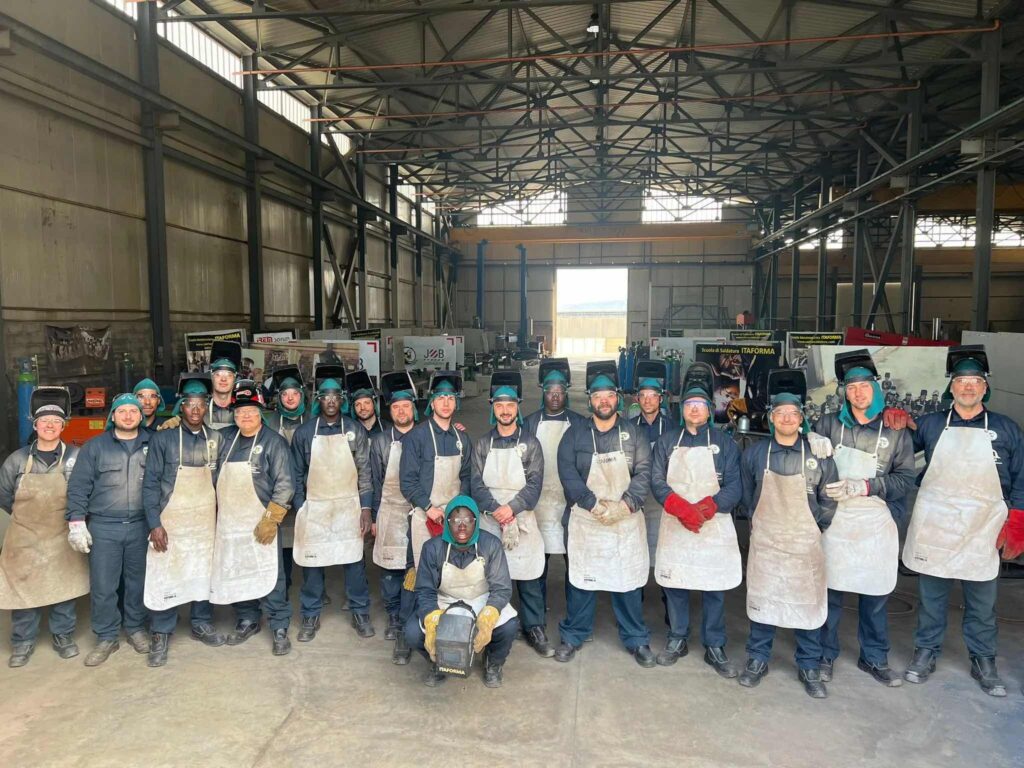
Which Country is Best for Studying Welding


PART 4

ITAFORMA: The Excellent Choice for Studying Welding in Italy

If Italy has convinced you as an ideal destination for your training, there’s one school in particular that deserves your attention: ITAFORMA.

ITAFORMA stands out as one of the centers of excellence for welding training in Italy.

Here’s why choosing ITAFORMA for studying welding is a smart decision:

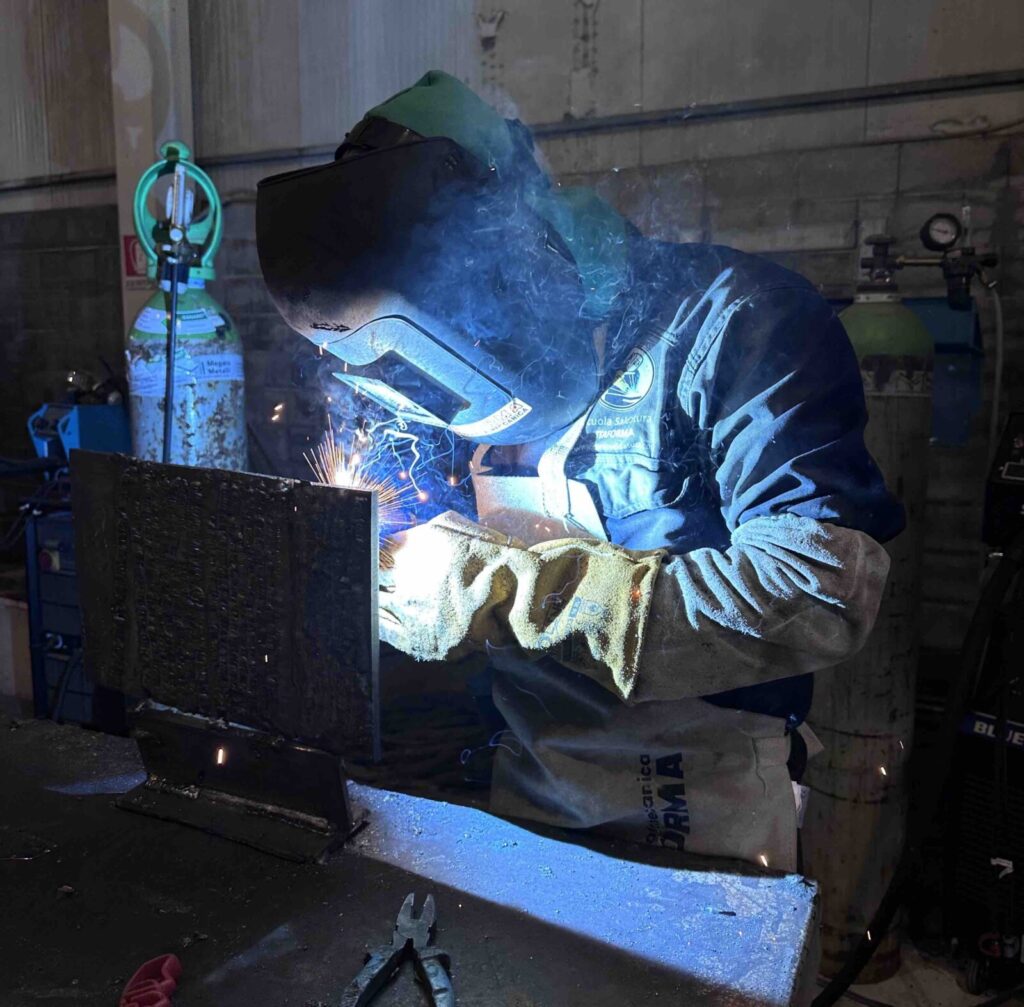
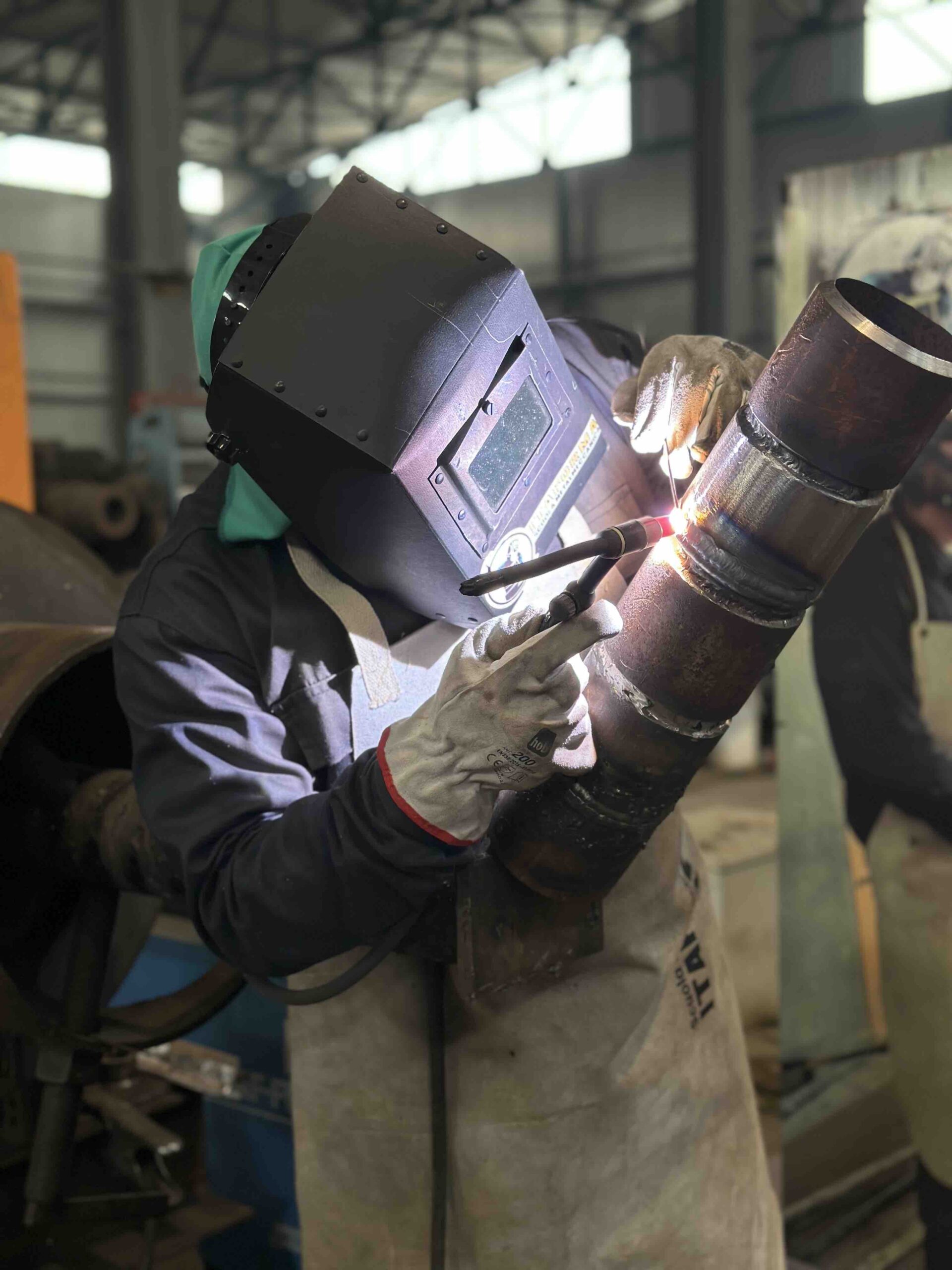
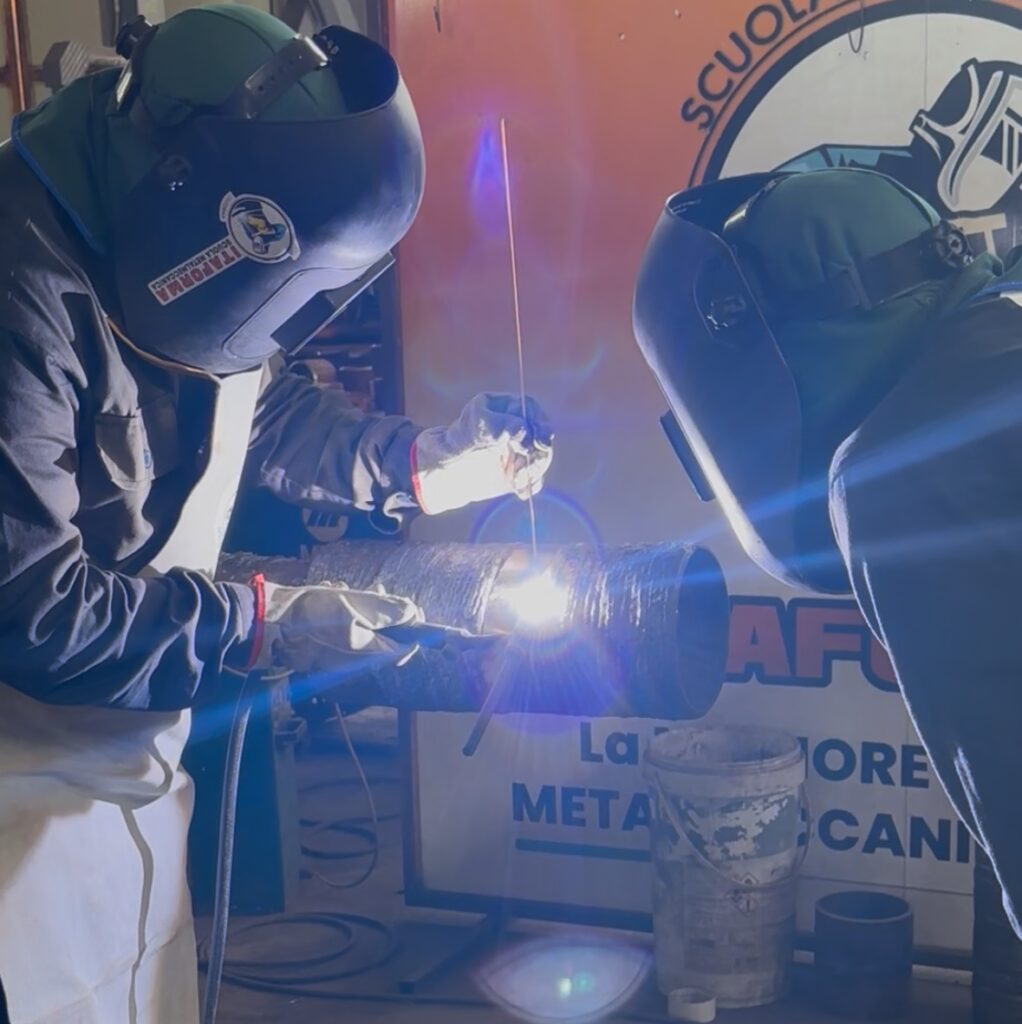
– Intensive Practical Training: ITAFORMA places extraordinary emphasis on practical training. Students spend most of their time in laboratories, learning to master a wide range of welding techniques (MMA, TIG, MIG/MAG, etc.) on various materials. This “learning by doing” approach ensures that students are ready for the working world after studying welding at ITAFORMA.

– Experienced and Certified Instructors: The teaching staff at ITAFORMA consists of highly qualified and certified professional welders with years of industry experience. Their in-depth knowledge and ability to impart skills are invaluable to students studying welding.

– Internationally Recognized Certifications: ITAFORMA’s courses culminate in obtaining certifications recognized at European and international levels, such as qualifications under EN ISO 9606 standards. This means your ITAFORMA certification will be valid and respected wherever you choose to work after studying welding with them. also, ITAFORMA has been recognised the best welding school in europe from 5 years.

– Career Orientation and Networking: ITAFORMA has strong ties with Italian and international industries. This translates into internship opportunities, job search support, and a valuable network of contacts for future welders who have been studying welding at their institution. Many former ITAFORMA students have quickly found employment in prestigious companies.

– Support for International Students: ITAFORMA is well-prepared to welcome students from all over the world, offering support for logistics, accommodation, and integration into Italian culture, making the process of studying welding in Italy smoother for international learners.


In Conclusion:

The search for the best country for studying welding can lead you in different directions, but a careful analysis reveals that Italy, with its rich culture and growing excellence in vocational training, is a choice you should not underestimate.

And within Italy, ITAFORMA positions itself as the ideal school for anyone wishing to embark on a successful career in welding. With its emphasis on practical training, experienced instructors, and globally recognized certifications, ITAFORMA will provide you with the solid foundations and necessary skills to excel in this highly demanded trade after studying welding there.

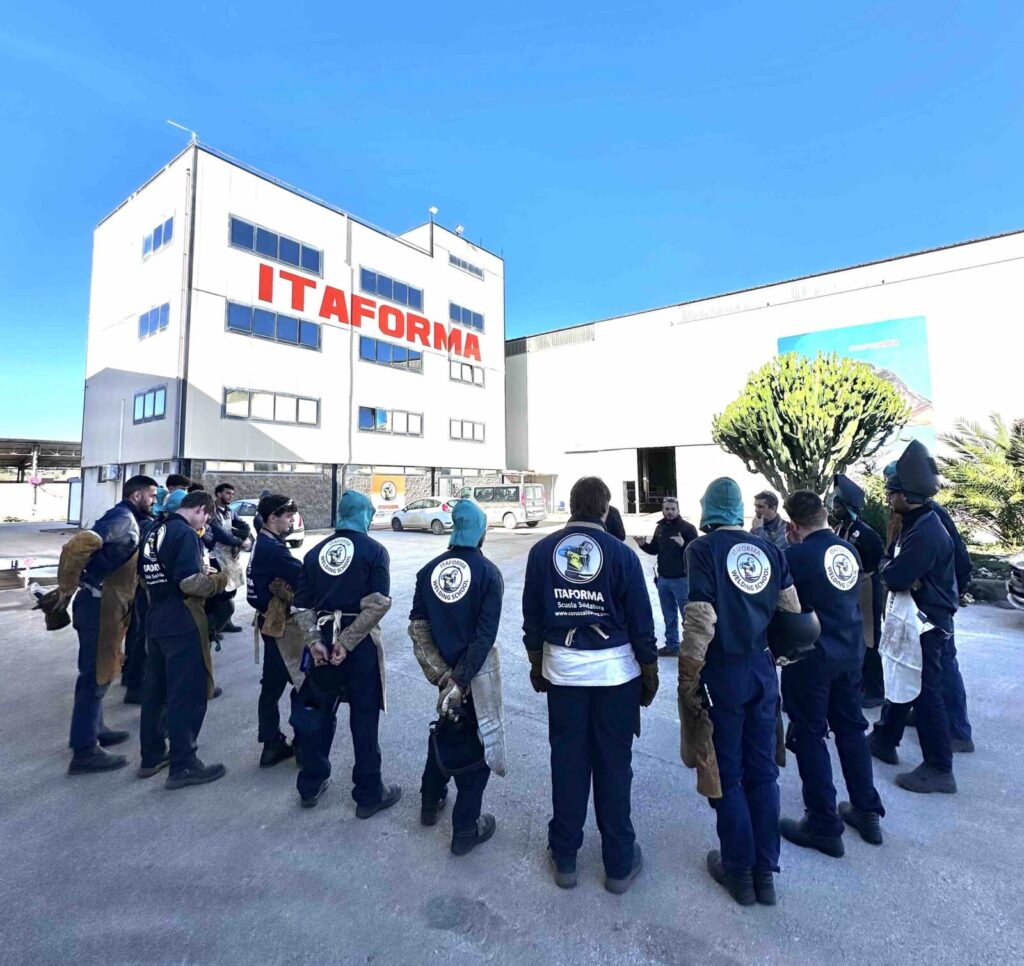
 

Don’t wait, explore the opportunities that Italy and ITAFORMA have to offer to start your brilliant welding career!

What is the Best Welding School in the World?

What is the Best Welding School in the World?
The Definitive Guide for Aspiring Welders

When you’re ready to build a career in a highly skilled and in-demand trade like welding, one question stands above all others: What is the best welding school in the world? The answer isn’t just about a name; it’s about the quality of training, the value of certifications, and the tangible results you can expect for your career. Finding the right institution is crucial, and we believe we have the answer to which is truly the best welding school.

Aspiring welders from all corners of the globe are looking for a program that offers more than just practical skills. They need an institution that provides internationally recognized qualifications, a direct path to employment, and a supportive learning environment. While many schools claim to be excellent, one institution consistently rises above the rest, delivering unparalleled results and setting a new standard for welding education. We’re here to help you discover the ideal place for your ambitions.

What is the Best Welding School in the World

Part 1: What Defines the World’s Leading Welding Schools?

Before we reveal the top choice, let’s establish the criteria that define a truly world-class welding school. It’s not just about flashy equipment or a big name. A top-tier institution excels in several key areas, making it a contender for the title of best welding school:

– Global Recognition and Certification: The school must offer certifications that are respected and accepted worldwide, ensuring your skills are transferable across borders. This is a hallmark of any best welding school.

– Exceptional Exam Success Rate: A leading school’s curriculum should be so effective that its students consistently pass rigorous certification exams. A 100% pass rate is the gold standard for the best welding school.

– Guaranteed Job Placement: A school is only as good as its graduates’ success. The best welding school should have a proven track record of placing its students in high-demand jobs quickly.

– Hands-On, Practical Training: The curriculum at the best welding school must be built around practical, intensive training in a state-of-the-art facility, not just classroom theory.

– Support for International Students: For global aspirants, comprehensive support—from visa assistance to accommodation—is crucial for a seamless educational experience.

– Industry and Community Recognition: The school should be recognized by industry bodies and peers for its excellence and contribution to the welding trade.

Keeping these criteria in mind, we can now confidently answer the question: What is the best welding school in the world?

Part 2: ITAFORMA: Voted Europe’s Premier Welding School

Without a doubt, the answer is ITAFORMA. Located in Italy, a country renowned for its engineering, design, and manufacturing excellence, ITAFORMA has solidified its reputation as the premier destination for welding education. It’s not just a claim—it’s a fact backed by a prestigious international award.

ITAFORMA was voted the best European welding school by the IWS (International Welding School), the very organization that certifies welding schools worldwide. This prestigious recognition is a testament to ITAFORMA’s unwavering commitment to quality, innovation, and student success, truly highlighting its standing among welding institutions. When searching for the best welding school, this endorsement speaks volumes.

But what makes this school so exceptional? Let’s break down the key arguments that make ITAFORMA an undisputed leader.

Part 3: Unrivaled Certifications and Success Rate

At ITAFORMA, certification is not just a goal—it’s a guarantee. The school’s curriculum is meticulously designed to ensure every student masters the techniques and theoretical knowledge required to pass the most challenging exams.

ITAFORMA guarantees the EN ISO certification, which is the gold standard for welder qualification in Europe and recognized globally. Thanks to its intensive, practical training methodology and expert instructors, ITAFORMA boasts a 100% success rate on the certification exam. This is a statistic that few, if any, schools in the world can match. When you enroll at ITAFORMA, you are not just hoping to get certified; you are being prepared to succeed. This gives you a competitive edge in any job market, knowing your certification is backed by the perfect success rate of a truly best welding school.

What is the Best Welding School in the World

Part 4: A Direct Path to a High-Demand Career

The ultimate goal of any training program is to secure a job. ITAFORMA’s success extends far beyond the classroom and into the professional world with stunning results.

The school’s dedicated career service boasts exceptional placement statistics: 96% of students find a job within just 15 days of completing their training. This incredible success rate is no coincidence.

ITAFORMA has established a robust network of industry partners across Italy and Europe.

These companies trust the quality of ITAFORMA’s graduates and actively seek them out for employment. The school doesn’t just teach you how to weld; it connects you directly with the employers who need your skills. This makes ITAFORMA an excellent choice, perhaps even the best welding school, for career acceleration.

This integrated approach, combining top-tier training with proactive job placement, is what truly sets ITAFORMA apart in the landscape of welding education. They understand that a certification is just the first step—a successful career is the ultimate destination.

Part 5: Comprehensive Support and a Truly International Campus: Hallmarks of Excellence

ITAFORMA’s excellence isn’t limited to its training and job placement. The school’s organizational structure is designed to support every aspect of the student experience, especially for international students—a key feature expected from the best welding school.

– All-Inclusive Campus: For students coming from abroad, logistics can be a major challenge. ITAFORMA solves this by providing a well-established international campus. Students are provided with free on-campus accommodation and meals, eliminating the stress and cost of finding housing and managing daily expenses. This allows you to focus 100% on your studies.

– Visa and Administrative Assistance: Navigating visa applications and bureaucratic processes can be daunting. ITAFORMA offers invaluable assistance in obtaining visas for students from non-European countries, making your transition to studying in Italy seamless. Their experienced team guides you through every step, ensuring a smooth and worry-free enrollment process.

– A Well-Oiled Machine: The entire ITAFORMA experience is a testament to its efficient organization. From the moment you apply to the day you find a job, every process is streamlined and professionally managed. This operational excellence ensures you receive a high-quality, consistent, and reliable educational journey.

In Conclusion:

If you are serious about a career in welding and want to train at an institution that offers the highest quality education, internationally recognized certifications, and a guaranteed path to employment, the answer is clear: ITAFORMA is the best welding school in the world.

From being voted Europe’s premier welding school by the IWS to its perfect certification success rate and incredible job placement statistics, ITAFORMA provides a comprehensive package that is simply unmatched.

It’s not just a school; it’s a direct investment in your future.

Don’t settle for anything less than excellence—choose ITAFORMA and build your career on a foundation of success.

Welder Job: Freelance or Company Employee?

Welder Job: Freelance or Company Employee?

The European welding market is transforming: worker shortages, reshoring, and rising demand in sectors like energy and shipbuilding. In this fast-changing context, choosing your employment status is a key decision for a stable and rewarding welder career.

Should you pick the security of full-time employment or the freedom of freelancing?
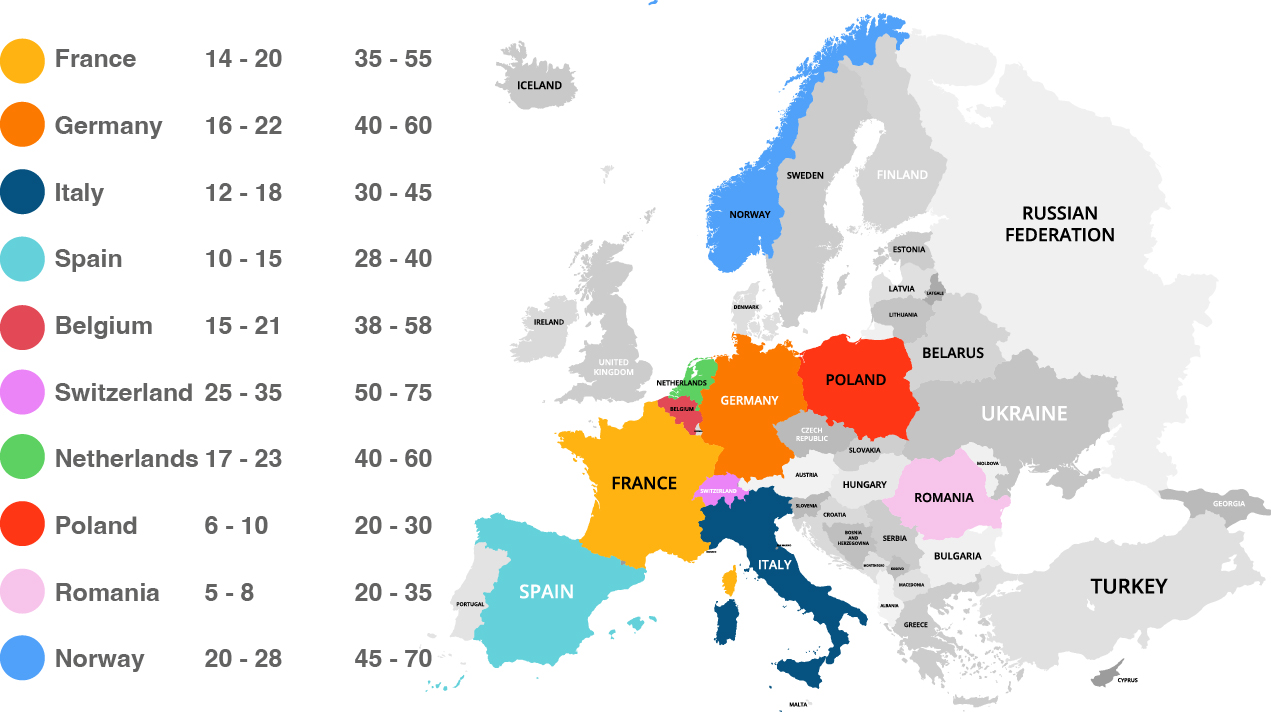
In Germany, salaried welders earn around €20/h with benefits, while in Norway freelance TIG welders can charge up to €70/h.
These examples show how income and opportunities vary by status.

This article compares both paths to help you make the right career decision in the welding industry.

Welder Job: Freelance or Company Employee

1. Welder Job as an Employee: Security and Stability

Advantages:

  • Job security: fixed income, paid holidays, health coverage, and social protections.
  • Continuous training and certification support.
  • Structured environment with equipment and supervision.
  • Certifications often funded by employers (€300–1000).

Disadvantages:

  • Limited income growth. Average hourly wages:
    • France: €14–20/h
    • Germany: €16–22/h
    • Italy: €12–18/h
    • Spain: €10–15/h
    • Poland: €6–10/h
    • Netherlands: €17–23/h
  • Less freedom: fixed hours and physical presence required.

2. Welder Job as a Freelancer: Freedom and Higher Income

Advantages:

  • Higher pay: €30–65/h depending on country:
    • France: €35–55/h
    • Italy: €30–50/h
    • Spain: €28–45/h
    • Belgium: €38–58/h
    • Germany: €40–60/h
  • Flexibility: choose your projects, clients, and hours.
  • Networking opportunities with each job.
  • Access to specialized sectors (aerospace, energy, etc.).

Disadvantages:

  • Income instability.
  • Administrative workload (clients, invoices, logistics).
  • Personal expenses:
    • Certifications: €300–1000
    • Insurance: €500–1500/year
    • Equipment and PPE

3. European Welder Job Comparison – Employee vs Freelancer

Employee (€/h)    vs    Freelancer (€/h)

Welder Job: Freelance or Company Employee

* These figures are estimates and vary based on experience, certification, sector, and region.

4. Certifications and the Welder Job Market

Certifications are essential whether you’re employed or freelance.

  • As an employee: Required for hiring and career growth. Companies often cover costs.
  • As a freelancer: Needed for access to large, high-paying projects in energy, aerospace, oil & gas, and more.

Key certifications:

  • ISO 9606-1: manual welding (TIG, MIG/MAG, electrode)
  • EN ISO 14732: automatic welding operators
  • ASME IX: heavy industry and international standards

5. Choosing the Right Path

Your welder job can be stable and secure or flexible and high-earning — depending on your goals. Full-time jobs offer benefits; freelancing offers freedom and higher pay but with more responsibility.

Many welders switch paths during their careers. What matters most is staying certified and professionally relevant.

Two Tools for Career Success:

  1. Certifications: Mandatory for most jobs and ensure compliance and employability.
  2. Hands-on training: Programs like those from ITAFORMA help you pass certification exams and connect with employers.

The Welder’s Profession: training, skills, career

The Welder Profession

Definition of the Welder (According to the UNI EN ISO 9606: 2017 Standard)

A welder is a professional who manipulates and manually guides tools such as an electrode holder, a welding torch, or a welding flame.

1. What Does a Welder Do?

A welder’s job is highly diverse, covering a wide range of tasks. No two workdays are the same for a welder, which makes the profession both exciting and challenging. Their primary role is to assemble different materials to create components used in many industries, including automotive, nuclear, petrochemical, food processing, railways, and many others.

Welders can work in sectors such as construction, engineering, or aerospace. Their tasks generally involve assembling pre-cut pieces according to a specific diagram or plan, in order to create specific structures or products. 

They may also need to follow strict procedures to ensure the quality of the welds. Additionally, welders often carry out preventive maintenance on their equipment, such as welding machines, and replace consumables used in the process.

2. Different Aspects of the Profession of welder

A welder can perform their job in various ways, depending on the technologies and welding processes used. For instance, they may specialize in traditional manual welding or work with welding robots.
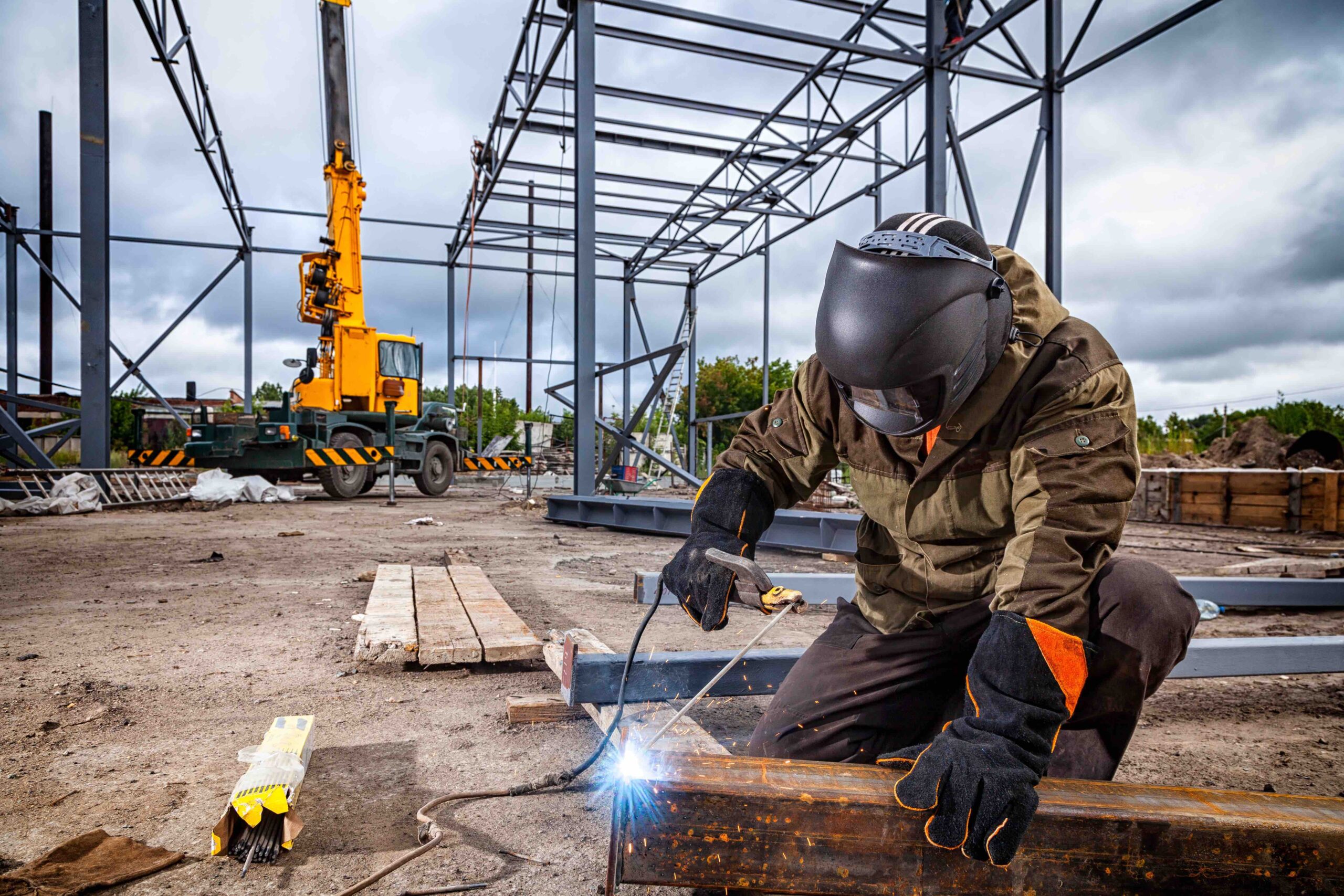
There are several types of welding, including MIG, MAG, TIG, and electrode welding. Some welders may be required to work in extreme environments, such as construction sites, oil platforms, or even as underwater welders under challenging conditions.

3. Materials Used by Welders

Welders work with a wide variety of materials, including:

  • Steels
  • Stainless steels
  • Metal alloys

Depending on the welding processes, such as MIG/MAG, TIG, or coated electrodes, the welder must be proficient in handling these materials. Some also use advanced technologies, such as laser welding. It’s important to note that the profession of welding carries certain risks, so the use of personal protective equipment (PPE) is essential.

4. Skills Required to Become a Welder

To become a welder, several skills are necessary. A welder must have great focus and manual dexterity. They must also be familiar with the latest technologies and welding methods. A solid understanding of various welding techniques and the ability to choose the right equipment is crucial. The job demands precision and a strong problem-solving ability. While an in-depth knowledge of mathematics is not an absolute requirement, it can be an asset for a versatile welder who is capable of performing various tasks in the same work environment.

5. Training Required to Become a Welder

To pursue a career as a welder, it is essential to undergo certified training that provides the specific technical skills required in this field. 

Welding training programs are designed to teach the basics of the profession, depending on the processes and materials used. Each institution offers diverse courses, which vary according to the techniques taught and materials used.

The most effective training programs focus on the practical aspect, as welding requires perfect mastery of techniques and tools. 

Hands-on experience is essential for developing the necessary skills.

An example of a quality training program is offered by Itaforma, designed by professionals in the field to meet the real needs of active welders.

This program is centered on practice, with metallurgy workshop sessions where each student works at their own workbench and uses their own welding machine for 8 hours a day.

Theory is addressed outside of these practical hours, either in-person or online, so as not to interfere with the hands-on work. At the end of the training, students must pass a practical exam in a metallurgy workshop, following current safety standards. 

This test, which assesses welding technique proficiency, leads to the award of the UNI EN ISO 9606.1 certification, a recognized certification that attests to the welder’s professional skills.