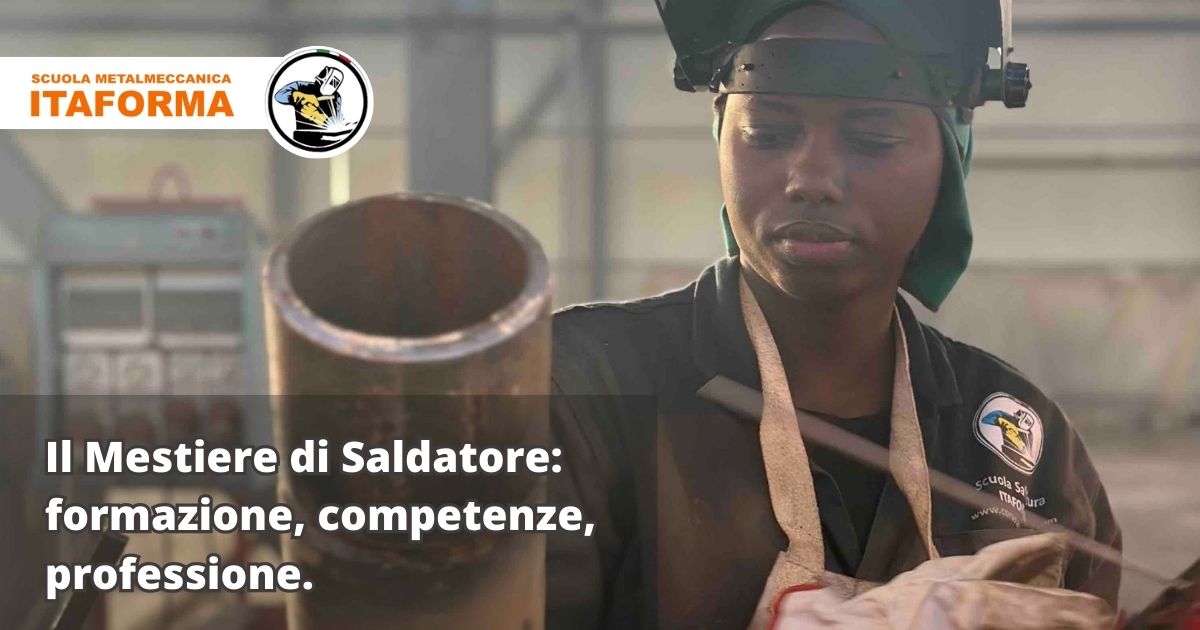
The Welder's Profession
Definition of a Welder (According to standard UNI EN ISO 9606: 2017)
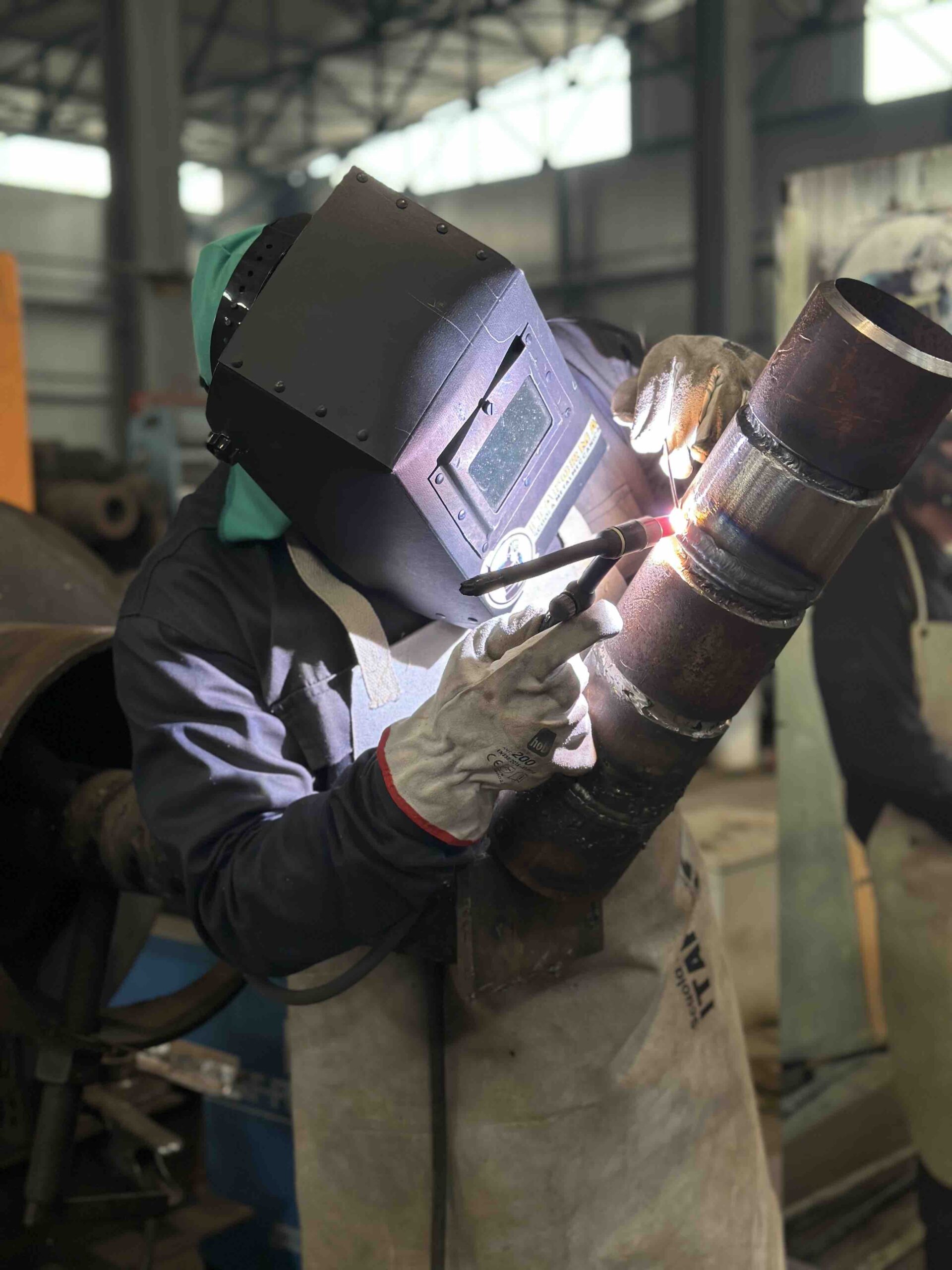
A welder is a professional who manually operates and guides tools such as the electrode holder, welding torch, or blowpipe.
1. What Does a Welder Do?
Il lavoro del saldatore è molto diversificato e comprende una vasta gamma di mansioni. Non esistono due giornate di lavoro uguali per un saldatore, il che rende questa professione sia appassionante che stimolante. Il suo ruolo principale è assemblare materiali diversi per creare componenti utilizzati in molteplici settori: automobilistico, nucleare, petrolchimico, agroalimentare, ferroviario e molti altri.
I saldatori possono lavorare in settori come la costruzione, l’ingegneria o l’aerospaziale. I loro compiti generalmente consistono nell’assemblare pezzi già tagliati secondo uno schema o un piano preciso, al fine di realizzare strutture o prodotti specifici. Possono anche essere chiamati a seguire procedure rigorose per garantire la qualità delle saldature.
Infine, si occupano spesso della manutenzione preventiva delle loro attrezzature, come i posti di saldatura, e sostituiscono i consumabili utilizzati.
2. Different Aspects of the Profession
Il saldatore può esercitare il suo mestiere in vari modi, a seconda delle tecnologie e dei processi di saldatura. Ad esempio, può specializzarsi nella saldatura manuale tradizionale o lavorare con robot di saldatura.
Esistono vari tipi di saldatura come MIG, MAG, TIG o saldatura con elettrodo rivestito.
Alcuni saldatori possono essere chiamati a lavorare in ambienti estremi, come cantieri, piattaforme petrolifere o addirittura come saldatori subacquei in condizioni difficili.
3. Materials Used by Welders
Welders work with a wide variety of materials, including:
- Steels
- Stainless steels
- Metal alloys
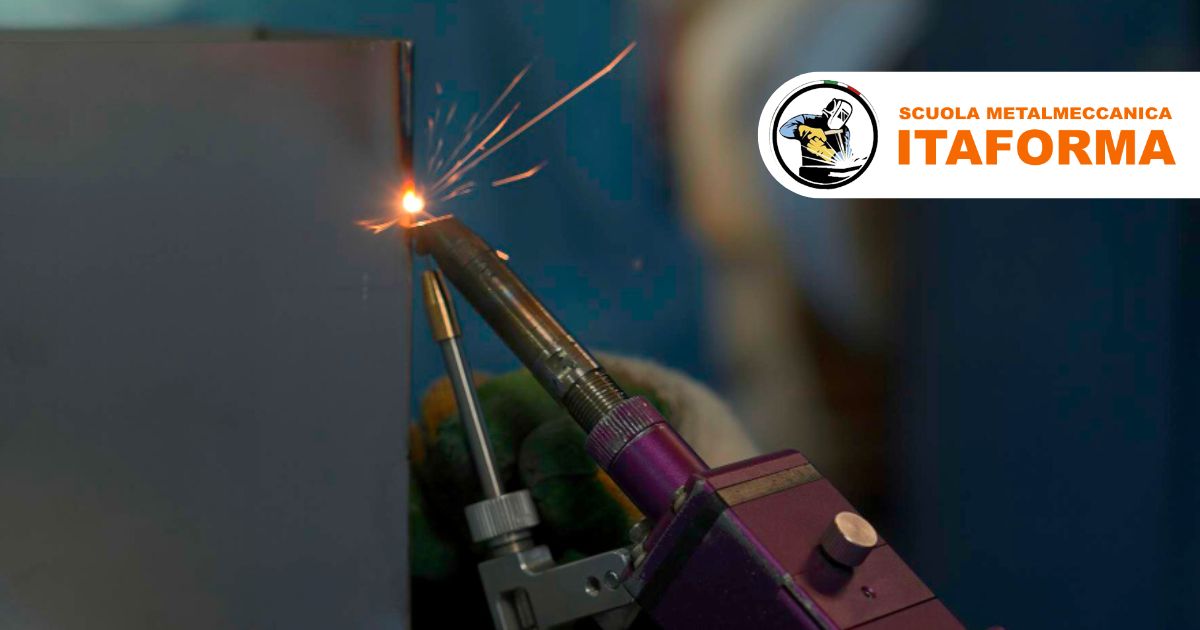
A seconda dei processi di saldatura, come MIG/MAG, TIG o elettrodo rivestito, il saldatore deve saper gestire correttamente questi materiali. Alcuni utilizzano anche tecnologie avanzate, come la saldatura laser.
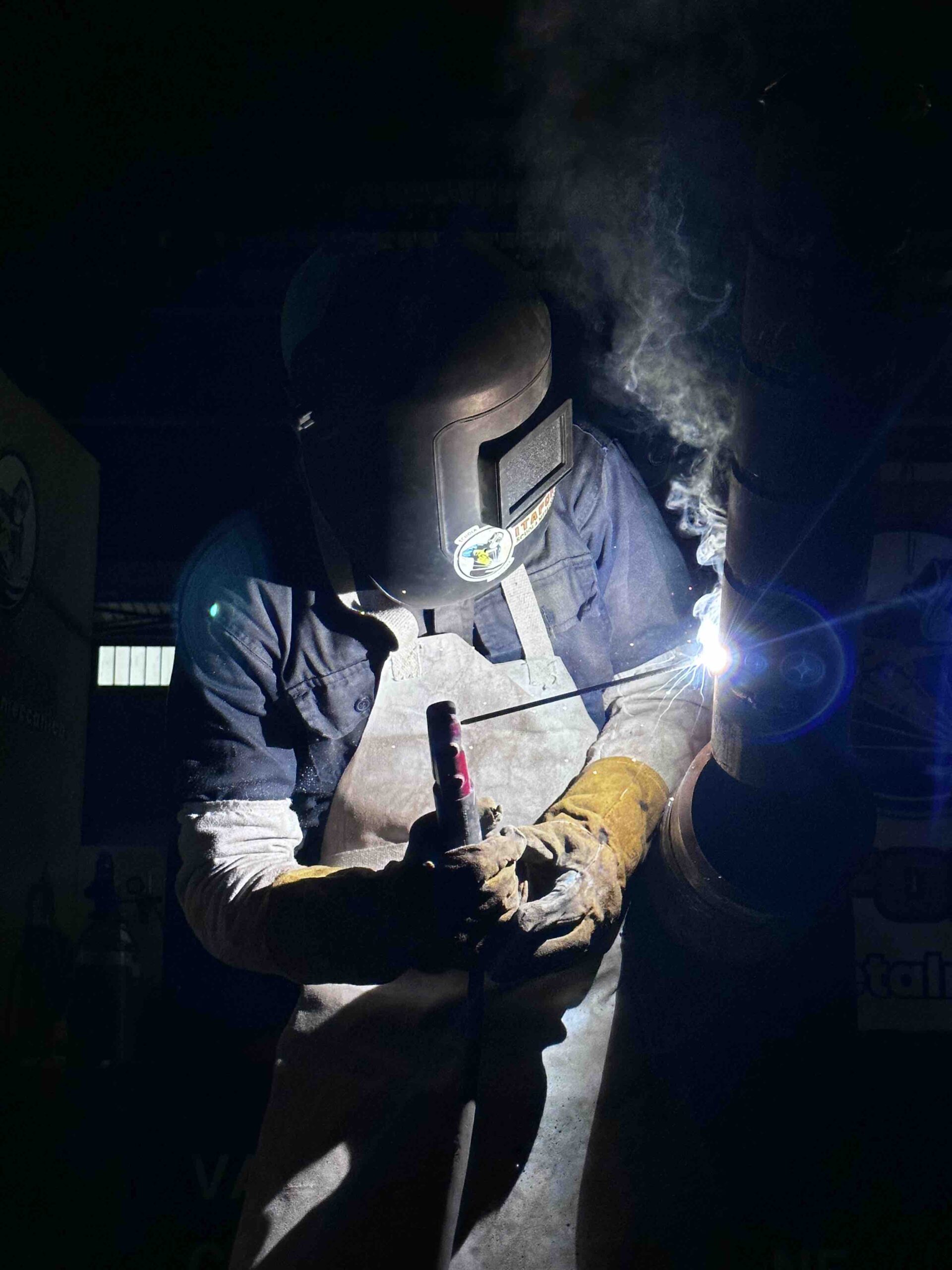
È importante sottolineare che la professione di saldatore comporta dei rischi, motivo per cui è essenziale l’uso rigoroso di dispositivi di protezione individuale (DPI).
4. Skills Required to Become a Welder
Per diventare saldatore, sono necessarie diverse competenze. Il saldatore deve avere una grande concentrazione e destrezza manuale. Deve inoltre essere familiare con le ultime tecnologie e metodologie di saldatura. Una buona conoscenza delle diverse tecniche di saldatura e la capacità di scegliere l’attrezzatura giusta sono fondamentali.
Il mestiere richiede precisione e una forte capacità di risolvere problemi. Sebbene la conoscenza approfondita della matematica non sia un requisito assoluto, può rappresentare un vantaggio per un saldatore versatile che è in grado di eseguire più compiti nello stesso ambiente di lavoro.
5. Training Required to Become a Welder
Per intraprendere la professione di saldatore, è indispensabile seguire una formazione certificata che fornisca le competenze tecniche specifiche richieste in questo campo.
I corsi di saldatura sono progettati per insegnare le basi del mestiere, a seconda dei processi e dei materiali utilizzati. Ogni istituzione offre percorsi formativi diversificati, che variano in base alle tecniche insegnate e ai materiali utilizzati.
I corsi più efficaci sono quelli che pongono l’accento sull’aspetto pratico, poiché la saldatura è un’attività che richiede una padronanza perfetta dei gesti e degli strumenti. L’esperienza sul campo è quindi essenziale per sviluppare le competenze necessarie.
Un esempio di formazione di qualità è quella proposta da ITAFORMA,
progettata da professionisti del settore per rispondere alle reali esigenze dei saldatori in attività.
Questo programma si concentra sulla pratica, con sessioni di laboratorio in metallurgia in cui ogni studente lavora al proprio banco e utilizza la propria macchina per saldare per 8 ore al giorno.
La teoria viene trattata al di fuori di queste ore pratiche, sia in presenza che online, in modo da non interferire con il lavoro pratico.
Al termine del corso, gli studenti devono sostenere un esame pratico in un laboratorio di metallurgia, conforme alle normative di sicurezza in vigore.
Questo test, che valuta la padronanza delle tecniche di saldatura, consente di ottenere la certificazione UNI EN ISO 9606.1, una certificazione riconosciuta che attesta le competenze professionali del saldatore.