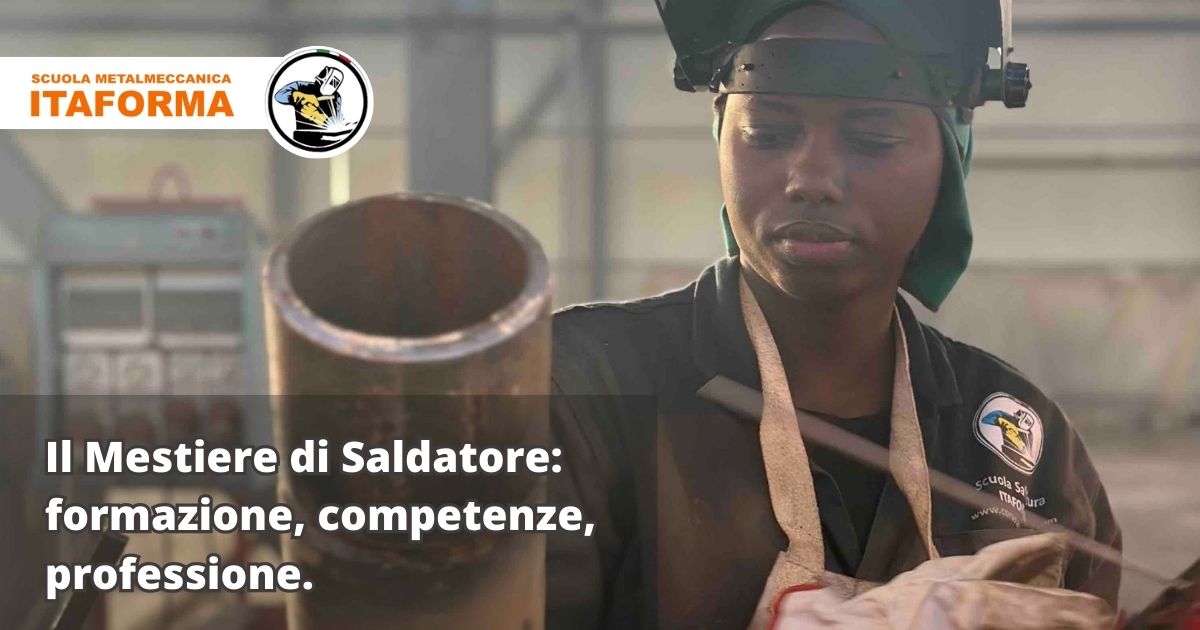
The Welder's Profession: Training, Skills, Career.

The Welder's Profession

Definition of a Welder (According to standard UNI EN ISO 9606: 2017)

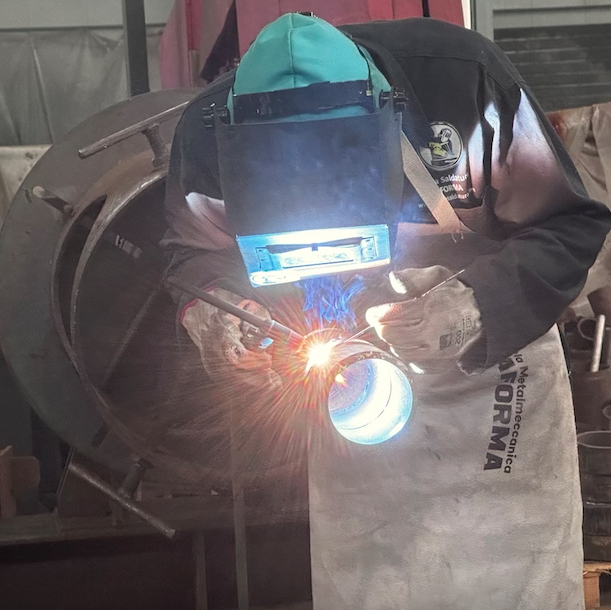
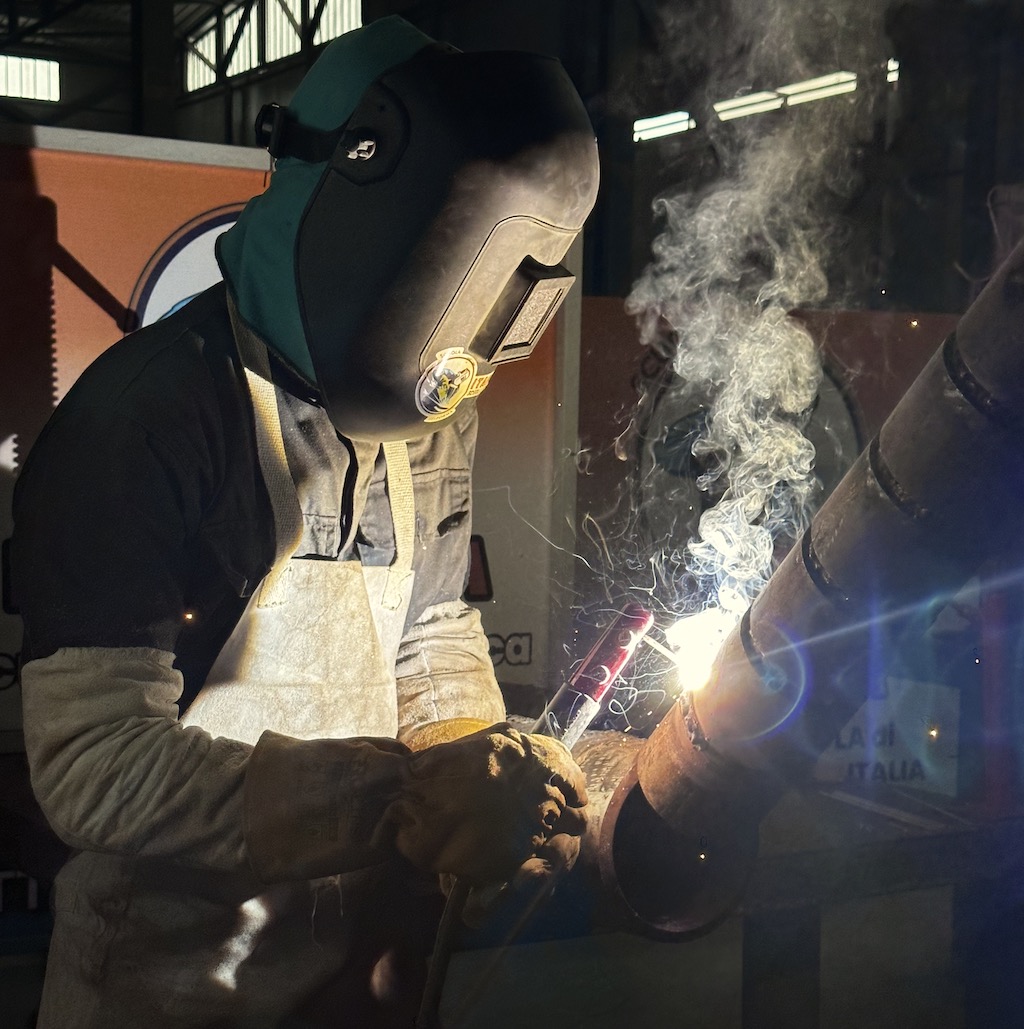
A welder is a professional who manually operates and guides tools such as the electrode holder, welding torch, or blowpipe.

1. What Does a Welder Do?

Il lavoro del saldatore è molto diversificato e comprende una vasta gamma di mansioni. Non esistono due giornate di lavoro uguali per un saldatore, il che rende questa professione sia appassionante che stimolante. Il suo ruolo principale è assemblare materiali diversi per creare componenti utilizzati in molteplici settori: automobilistico, nucleare, petrolchimico, agroalimentare, ferroviario e molti altri.

I saldatori possono lavorare in settori come la costruzione, l’ingegneria o l’aerospaziale. I loro compiti generalmente consistono nell’assemblare pezzi già tagliati secondo uno schema o un piano preciso, al fine di realizzare strutture o prodotti specifici. Possono anche essere chiamati a seguire procedure rigorose per garantire la qualità delle saldature. 

Infine, si occupano spesso della manutenzione preventiva delle loro attrezzature, come i posti di saldatura, e sostituiscono i consumabili utilizzati.

2. Different Aspects of the Profession

Il saldatore può esercitare il suo mestiere in vari modi, a seconda delle tecnologie e dei processi di saldatura. Ad esempio, può specializzarsi nella saldatura manuale tradizionale o lavorare con robot di saldatura. 

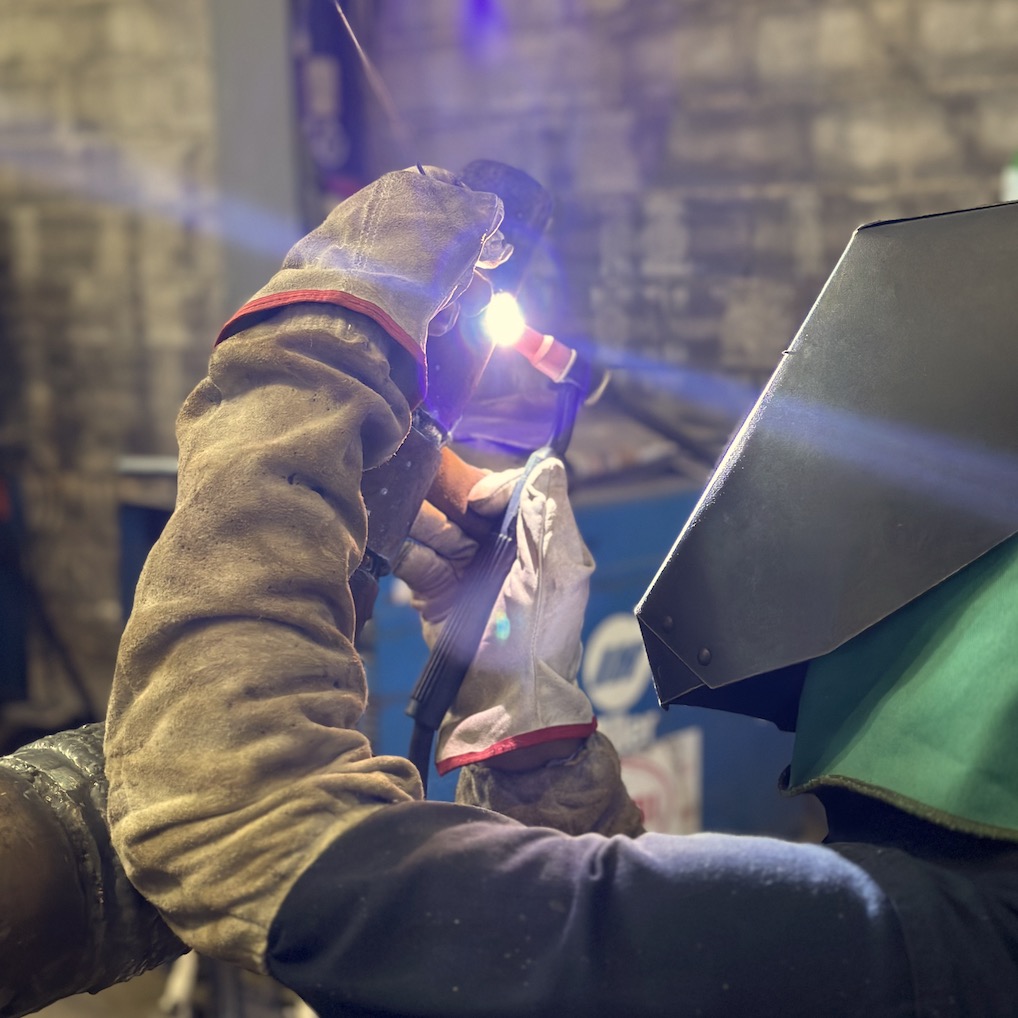
Esistono vari tipi di saldatura come MIG, MAG, TIG o saldatura con elettrodo rivestito. 

Alcuni saldatori possono essere chiamati a lavorare in ambienti estremi, come cantieri, piattaforme petrolifere o addirittura come saldatori subacquei in condizioni difficili.

3. Materials Used by Welders

Welders work with a wide variety of materials, including:

  • Steels
  • Stainless steels
  • Metal alloys

A seconda dei processi di saldatura, come MIG/MAG, TIG o elettrodo rivestito, il saldatore deve saper gestire correttamente questi materiali. Alcuni utilizzano anche tecnologie avanzate, come la saldatura laser. 

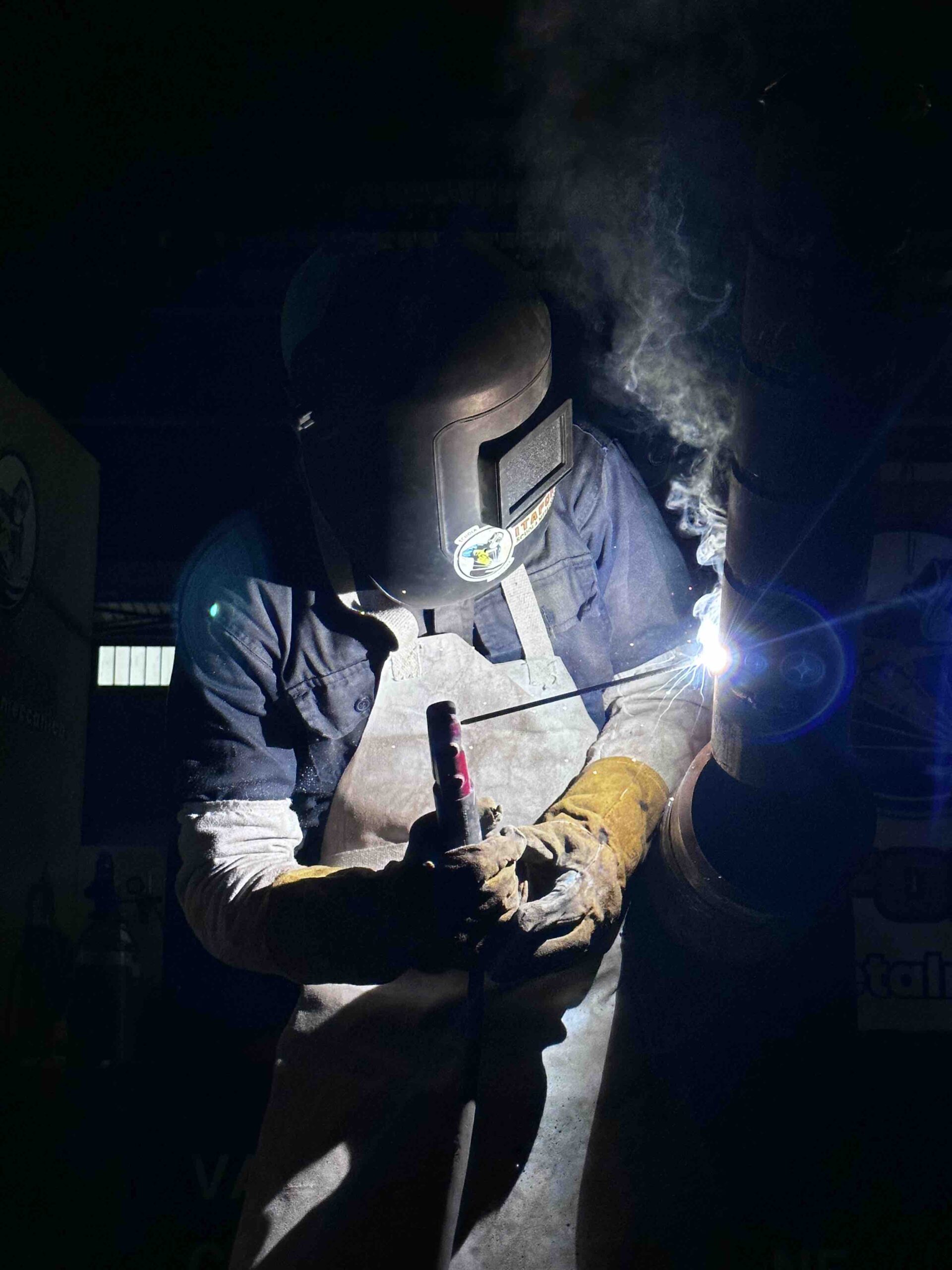
È importante sottolineare che la professione di saldatore comporta dei rischi, motivo per cui è essenziale l’uso rigoroso di dispositivi di protezione individuale (DPI).
4. Skills Required to Become a Welder

Per diventare saldatore, sono necessarie diverse competenze. Il saldatore deve avere una grande concentrazione e destrezza manuale. Deve inoltre essere familiare con le ultime tecnologie e metodologie di saldatura. Una buona conoscenza delle diverse tecniche di saldatura e la capacità di scegliere l’attrezzatura giusta sono fondamentali. 

Il mestiere richiede precisione e una forte capacità di risolvere problemi. Sebbene la conoscenza approfondita della matematica non sia un requisito assoluto, può rappresentare un vantaggio per un saldatore versatile che è in grado di eseguire più compiti nello stesso ambiente di lavoro.

5. Training Required to Become a Welder

Per intraprendere la professione di saldatore, è indispensabile seguire una formazione certificata che fornisca le competenze tecniche specifiche richieste in questo campo. 

I corsi di saldatura sono progettati per insegnare le basi del mestiere, a seconda dei processi e dei materiali utilizzati. Ogni istituzione offre percorsi formativi diversificati, che variano in base alle tecniche insegnate e ai materiali utilizzati.

I corsi più efficaci sono quelli che pongono l’accento sull’aspetto pratico, poiché la saldatura è un’attività che richiede una padronanza perfetta dei gesti e degli strumenti. L’esperienza sul campo è quindi essenziale per sviluppare le competenze necessarie. 

Un esempio di formazione di qualità è quella proposta da ITAFORMA, 

progettata da professionisti del settore per rispondere alle reali esigenze dei saldatori in attività. 

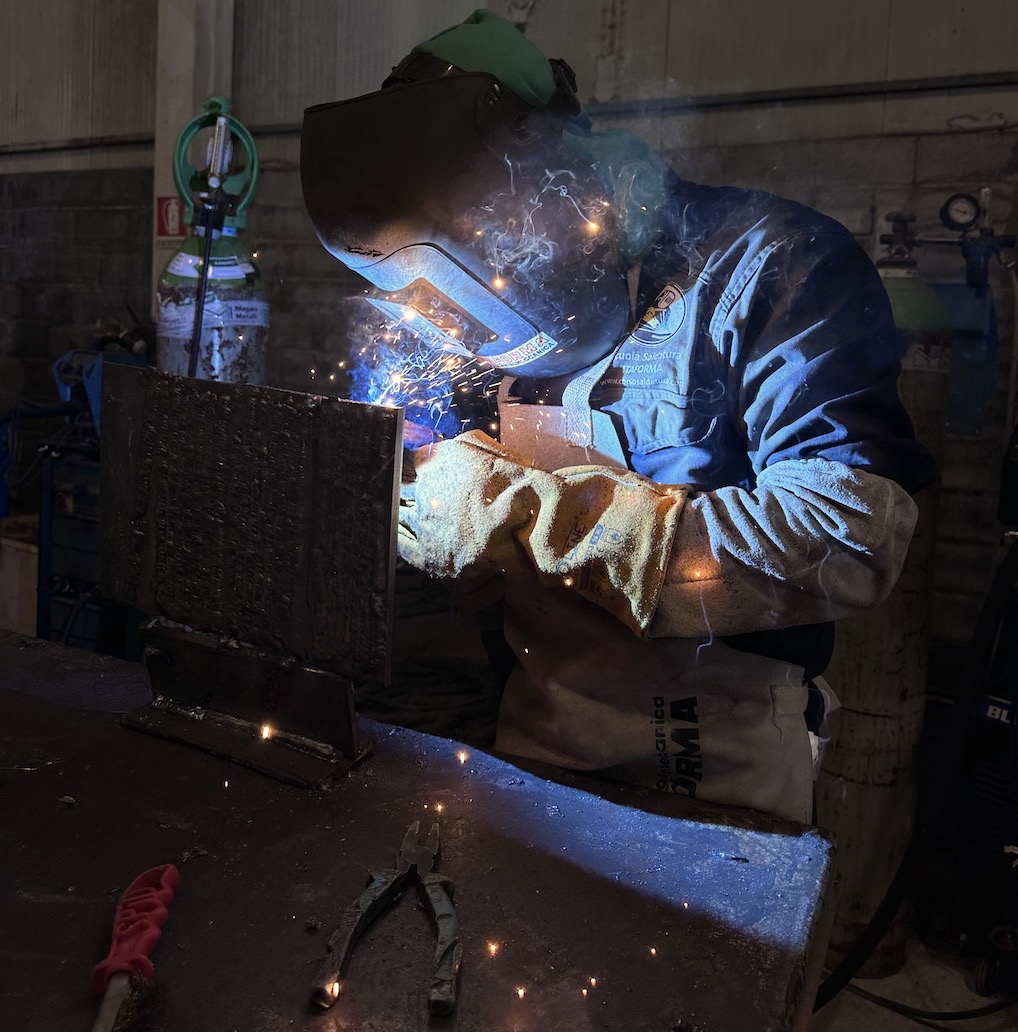
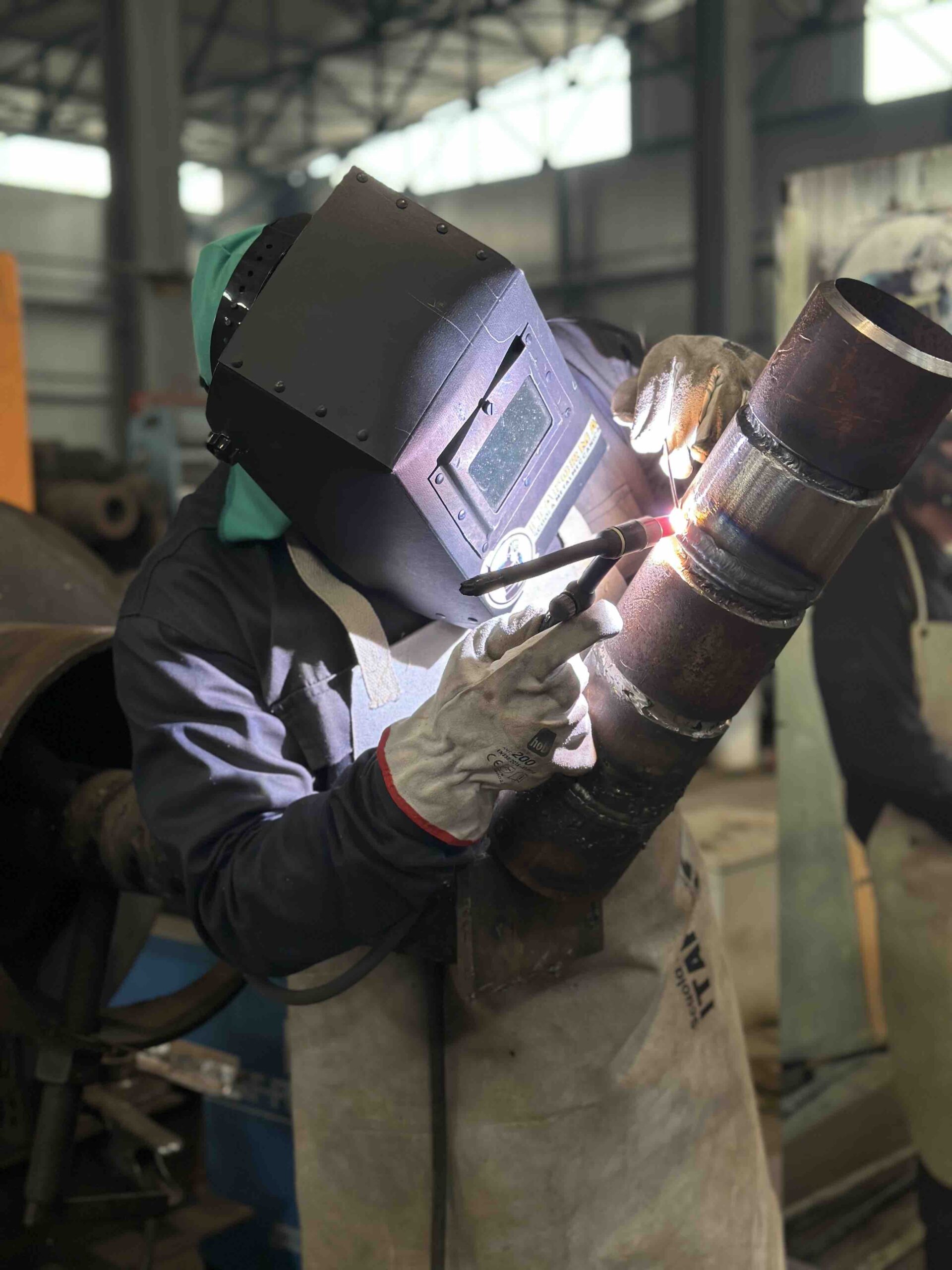
Questo programma si concentra sulla pratica, con sessioni di laboratorio in metallurgia in cui ogni studente lavora al proprio banco e utilizza la propria macchina per saldare per 8 ore al giorno.

La teoria viene trattata al di fuori di queste ore pratiche, sia in presenza che online, in modo da non interferire con il lavoro pratico. 

Al termine del corso, gli studenti devono sostenere un esame pratico in un laboratorio di metallurgia, conforme alle normative di sicurezza in vigore. 

Questo test, che valuta la padronanza delle tecniche di saldatura, consente di ottenere la certificazione UNI EN ISO 9606.1, una certificazione riconosciuta che attesta le competenze professionali del saldatore. 
Welding Course: Your Path to an International Career in the Metalworking Industry

The ITAFORMA welding course is an exceptional opportunity for those seeking to acquire valuable technical skills, obtain international certification, and gain rapid access to employment opportunities.

Specialized training that will enable you to become an expert welder, meeting market demands.

Why Choose a Welding Course?

The role of a welder is currently one of the most in-demand in the industrial sector, spanning from metal construction to mechanics and even aeronautics. Companies seek qualified professionals capable of working precisely on various types of welds, such as steel, aluminum, cast iron, and more.

Advantages of taking a welding course:

– International Certification: A recognized certificate opens up global opportunities.

– Skill Versatility: You will learn various techniques, such as Electrode, TIG, and MIG/MAG welding processes on different materials.

– Rapid Entry into the Workforce: An individual welding course can help you find employment in just a few months.

– Access to a Well-Paid Job: A welder's salary can easily exceed the industry average.

What is learned in a welding course?

A comprehensive welding course includes a wide range of skills, suitable for both beginners and professionals.

1. Welding Fundamentals

– Understand the different types of welding processes: Electrode (SMAW), TIG (GTAW), MIG/MAG (GMAW), etc.

– Correctly use tools such as the welding machine or torch.

– Understand materials: steel, aluminum, stainless steel, etc.

2. Advanced Techniques

– Welding Processes: Master heterogeneous welding processes and those specific to delicate components.

– Correction of welding defects: analysis and repair of non-conforming welds.

3. Practical Application

– Simulate real working conditions through the “Welder's Cage” to prepare for work in companies and industrial plants.

Welding Course: An Investment for the Future

The cost of a welding course varies based on the modules chosen, but it is an investment that quickly pays for itself. Here are some guidelines:

– Basic Training and Certification

– Intermediate Training and Certification

– Advanced Training and Certification

Finding Employment After a Welding Course with ITAFORMA Services

After completing your welding course, the opportunities are numerous:

1. Become a Welder in an Industrial Company

Welding companies are constantly seeking talent for construction, repair, or innovation projects.

2. Work as a Freelance Welder

With a certification, you can work as an independent welder and offer your services to various clients.

3. Professional Advancement Towards Specialized Roles

With experience, you can become an inspector or trainer in the field of welding.

The Largest Welding Campus in Europe: Welcome to Itaforma

The Itaforma Welding Campus is your ideal destination; with its 16,000 sqm of workshops and production facilities, it represents the largest training center for welders in Europe, equipped with state-of-the-art equipment and a highly qualified staff.

Free Board and Lodging: A Unique Experience

For all those who choose to attend one of our intensive courses at the main Campus, we offer free board and lodging for the entire duration of the course. This arrangement not only eliminates all logistical concerns but also creates an ideal environment for complete focus on learning and professional growth.

A State-of-the-Art Campus

Our main facility is more than just a welding school: it is a true technological center equipped with over 100 welding machines and latest-generation machinery, including:

– Laser and Plasma Cutting

– Plate Rolling Machines

– Lathes

– Drilling Machines

– Guillotines and Shears

– Band saws

– Submerged arc welding machines

This equipment ensures our students have the opportunity to work with tools used daily in leading companies within the sector.

A 360° Training Experience

Taking the course at our main Campus is not just about learning a profession; it's a life experience.
Participants undergo a genuine “work travel simulation”, a unique opportunity to immerse themselves in the professional reality and best prepare to start a career immediately after the course.

This approach trains not only competent technicians but also professionals ready to face the daily challenges of working in a company or on assignment.

Welding Courses Across Italy

Itaforma offers welding courses in numerous Italian cities; however, many of our students choose to attend the main Campus to experience a comprehensive, unique training that prepares them to enter the job market with a significant advantage.

Choose the Itaforma Welding Campus

Join us and become part of the community at Europe's largest Welding Campus. Book your spot today and start your journey towards a secure and well-compensated professional career. With Itaforma, the future is in your hands!