Welder Job: Freelance or Company Employee?

Welder Job: Freelance or Company Employee?

The European welding market is transforming: worker shortages, reshoring, and rising demand in sectors like energy and shipbuilding. In this fast-changing context, choosing your employment status is a key decision for a stable and rewarding welder career.

Should you pick the security of full-time employment or the freedom of freelancing?
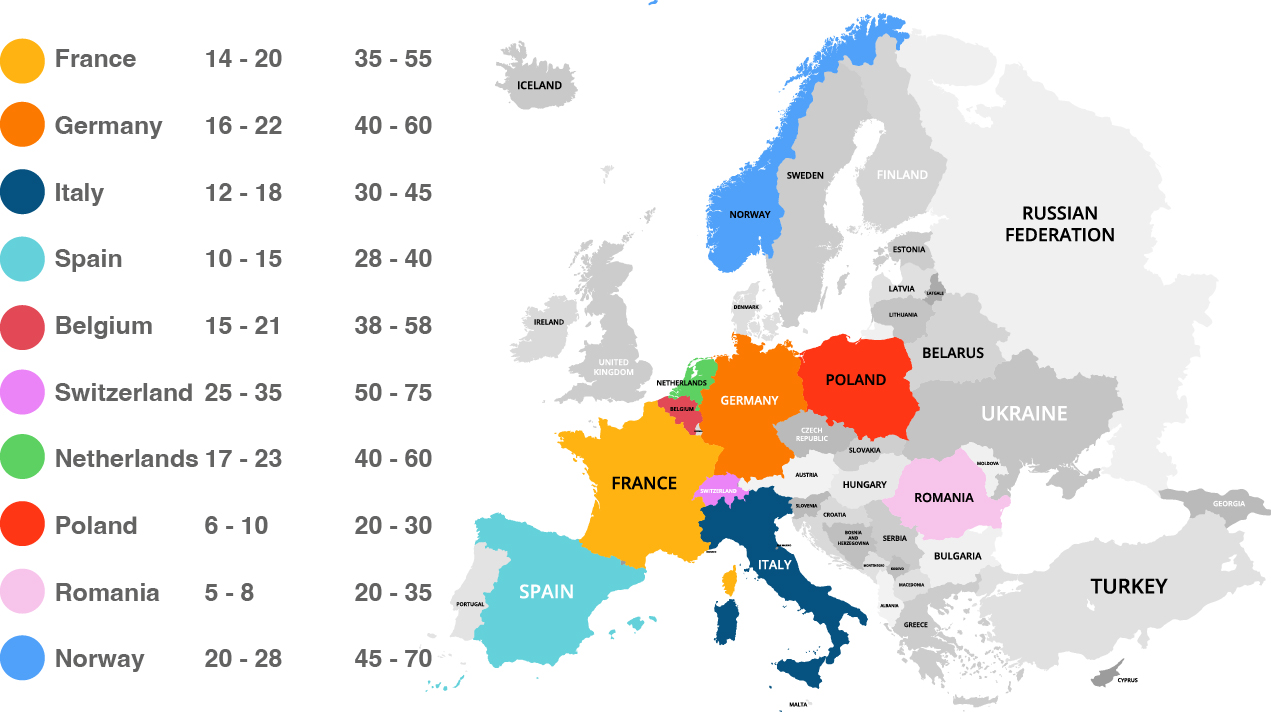
In Germany, salaried welders earn around €20/h with benefits, while in Norway freelance TIG welders can charge up to €70/h.
These examples show how income and opportunities vary by status.

This article compares both paths to help you make the right career decision in the welding industry.

Welder Job: Freelance or Company Employee

1. Welder Job as an Employee: Security and Stability

Advantages:

  • Job security: fixed income, paid holidays, health coverage, and social protections.
  • Continuous training and certification support.
  • Structured environment with equipment and supervision.
  • Certifications often funded by employers (€300–1000).

Disadvantages:

  • Limited income growth. Average hourly wages:
    • France: €14–20/h
    • Germany: €16–22/h
    • Italy: €12–18/h
    • Spain: €10–15/h
    • Poland: €6–10/h
    • Netherlands: €17–23/h
  • Less freedom: fixed hours and physical presence required.

2. Welder Job as a Freelancer: Freedom and Higher Income

Advantages:

  • Higher pay: €30–65/h depending on country:
    • France: €35–55/h
    • Italy: €30–50/h
    • Spain: €28–45/h
    • Belgium: €38–58/h
    • Germany: €40–60/h
  • Flexibility: choose your projects, clients, and hours.
  • Networking opportunities with each job.
  • Access to specialized sectors (aerospace, energy, etc.).

Disadvantages:

  • Income instability.
  • Administrative workload (clients, invoices, logistics).
  • Personal expenses:
    • Certifications: €300–1000
    • Insurance: €500–1500/year
    • Equipment and PPE

3. European Welder Job Comparison – Employee vs Freelancer

Employee (€/h)    vs    Freelancer (€/h)
Welder Job: Freelance or Company Employee

* These figures are estimates and vary based on experience, certification, sector, and region.

4. Certifications and the Welder Job Market

Certifications are essential whether you’re employed or freelance.

  • As an employee: Required for hiring and career growth. Companies often cover costs.
  • As a freelancer: Needed for access to large, high-paying projects in energy, aerospace, oil & gas, and more.

Key certifications:

  • ISO 9606-1: manual welding (TIG, MIG/MAG, electrode)
  • EN ISO 14732: automatic welding operators
  • ASME IX: heavy industry and international standards

5. Choosing the Right Path

Your welder job can be stable and secure or flexible and high-earning — depending on your goals. Full-time jobs offer benefits; freelancing offers freedom and higher pay but with more responsibility.

Many welders switch paths during their careers. What matters most is staying certified and professionally relevant.

Two Tools for Career Success:

  1. Certifications: Mandatory for most jobs and ensure compliance and employability.
  2. Hands-on training: Programs like those from ITAFORMA help you pass certification exams and connect with employers.
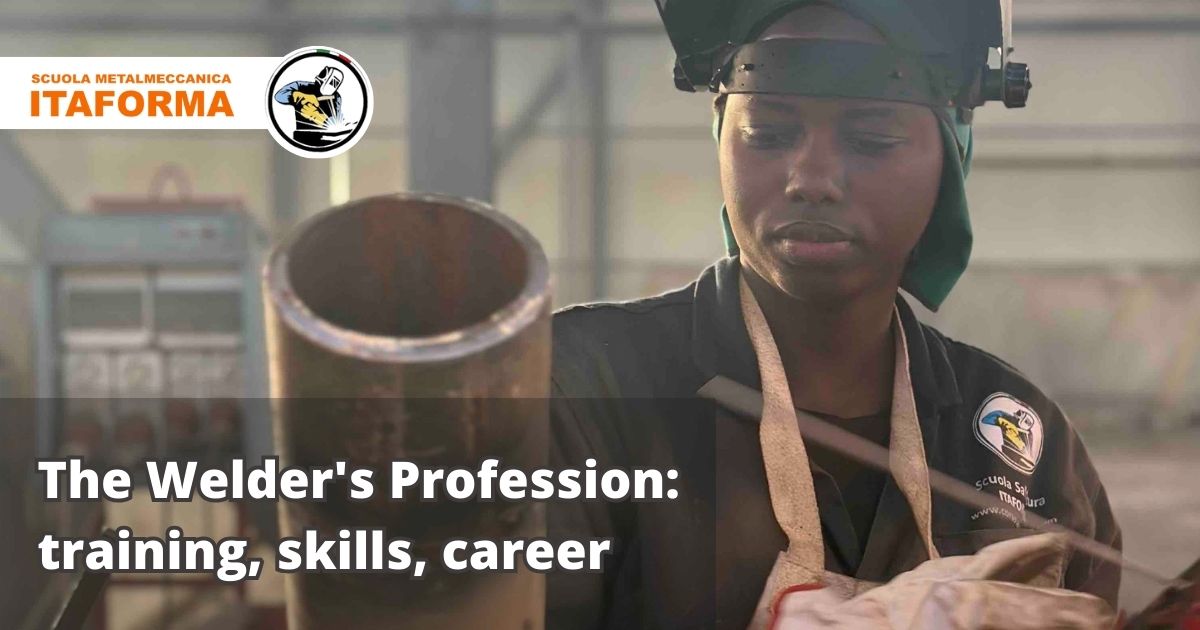
The Welder’s Profession: training, skills, career

The Welder Profession

Definition of the Welder (According to the UNI EN ISO 9606: 2017 Standard)

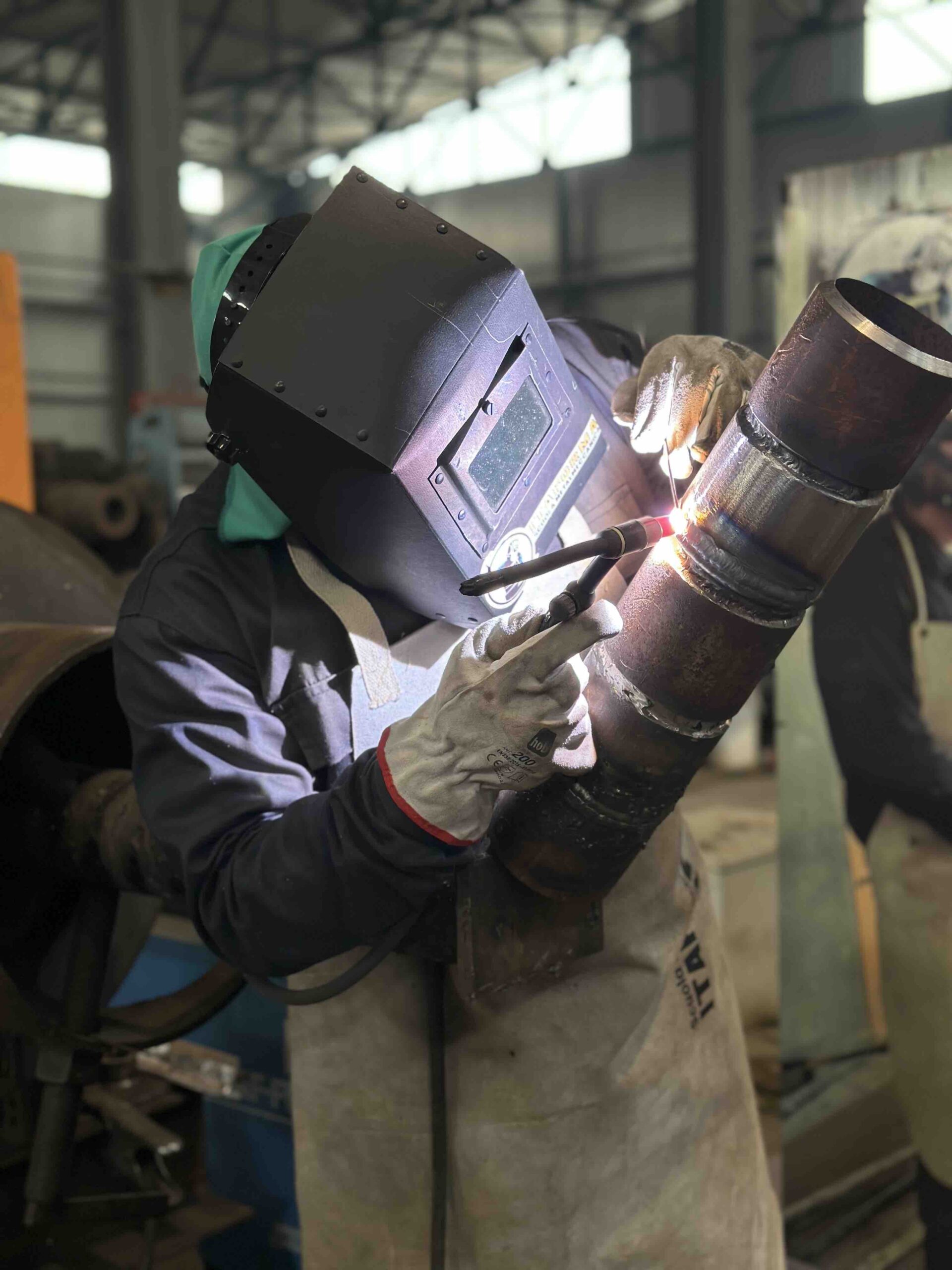
A welder is a professional who manipulates and manually guides tools such as an electrode holder, a welding torch, or a welding flame.

1. What Does a Welder Do?

A welder’s job is highly diverse, covering a wide range of tasks. No two workdays are the same for a welder, which makes the profession both exciting and challenging. Their primary role is to assemble different materials to create components used in many industries, including automotive, nuclear, petrochemical, food processing, railways, and many others.

Welders can work in sectors such as construction, engineering, or aerospace. Their tasks generally involve assembling pre-cut pieces according to a specific diagram or plan, in order to create specific structures or products. 

They may also need to follow strict procedures to ensure the quality of the welds. Additionally, welders often carry out preventive maintenance on their equipment, such as welding machines, and replace consumables used in the process.

2. Different Aspects of the Profession of welder

A welder can perform their job in various ways, depending on the technologies and welding processes used. For instance, they may specialize in traditional manual welding or work with welding robots.
There are several types of welding, including MIG, MAG, TIG, and electrode welding. Some welders may be required to work in extreme environments, such as construction sites, oil platforms, or even as underwater welders under challenging conditions.

3. Materials Used by Welders

Welders work with a wide variety of materials, including:

  • Steels
  • Stainless steels
  • Metal alloys

Depending on the welding processes, such as MIG/MAG, TIG, or coated electrodes, the welder must be proficient in handling these materials. Some also use advanced technologies, such as laser welding. It’s important to note that the profession of welding carries certain risks, so the use of personal protective equipment (PPE) is essential.

4. Skills Required to Become a Welder

To become a welder, several skills are necessary. A welder must have great focus and manual dexterity. They must also be familiar with the latest technologies and welding methods. A solid understanding of various welding techniques and the ability to choose the right equipment is crucial. The job demands precision and a strong problem-solving ability. While an in-depth knowledge of mathematics is not an absolute requirement, it can be an asset for a versatile welder who is capable of performing various tasks in the same work environment.

5. Training Required to Become a Welder

To pursue a career as a welder, it is essential to undergo certified training that provides the specific technical skills required in this field. 

Welding training programs are designed to teach the basics of the profession, depending on the processes and materials used. Each institution offers diverse courses, which vary according to the techniques taught and materials used.

The most effective training programs focus on the practical aspect, as welding requires perfect mastery of techniques and tools. 

Hands-on experience is essential for developing the necessary skills.

An example of a quality training program is offered by Itaforma, designed by professionals in the field to meet the real needs of active welders.

This program is centered on practice, with metallurgy workshop sessions where each student works at their own workbench and uses their own welding machine for 8 hours a day.

Theory is addressed outside of these practical hours, either in-person or online, so as not to interfere with the hands-on work. At the end of the training, students must pass a practical exam in a metallurgy workshop, following current safety standards. 

This test, which assesses welding technique proficiency, leads to the award of the UNI EN ISO 9606.1 certification, a recognized certification that attests to the welder’s professional skills.