

Welding School in Italy
ITAFORMA professional courses with Campus, food, and accommodation
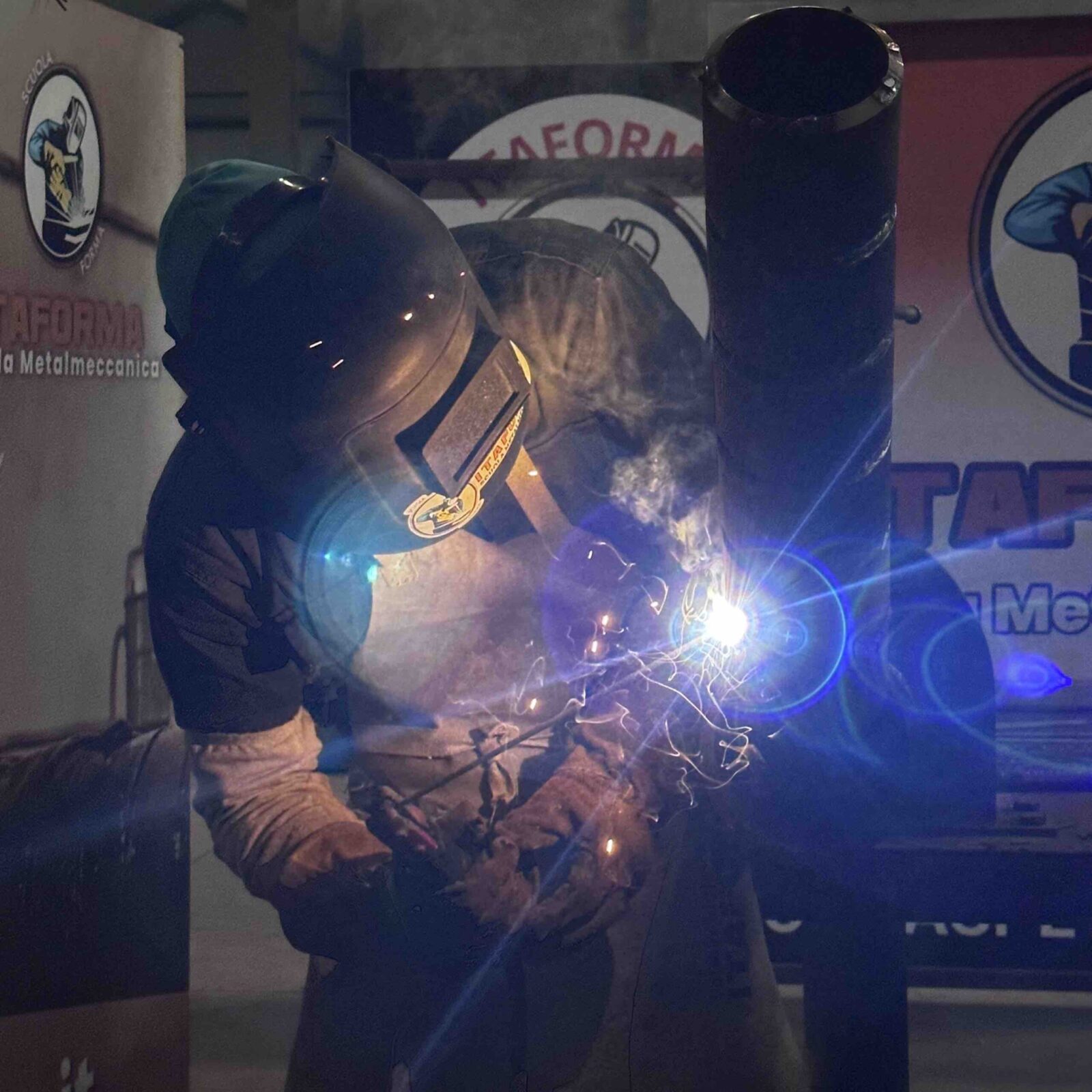
ITAFORMA is a school specializing in the professional training of welders, with a training experience rooted in several decades of activity in the sector.
ITAFORMA is a school specialising in professional welder training, with expertise built on several decades of experience in the industry.
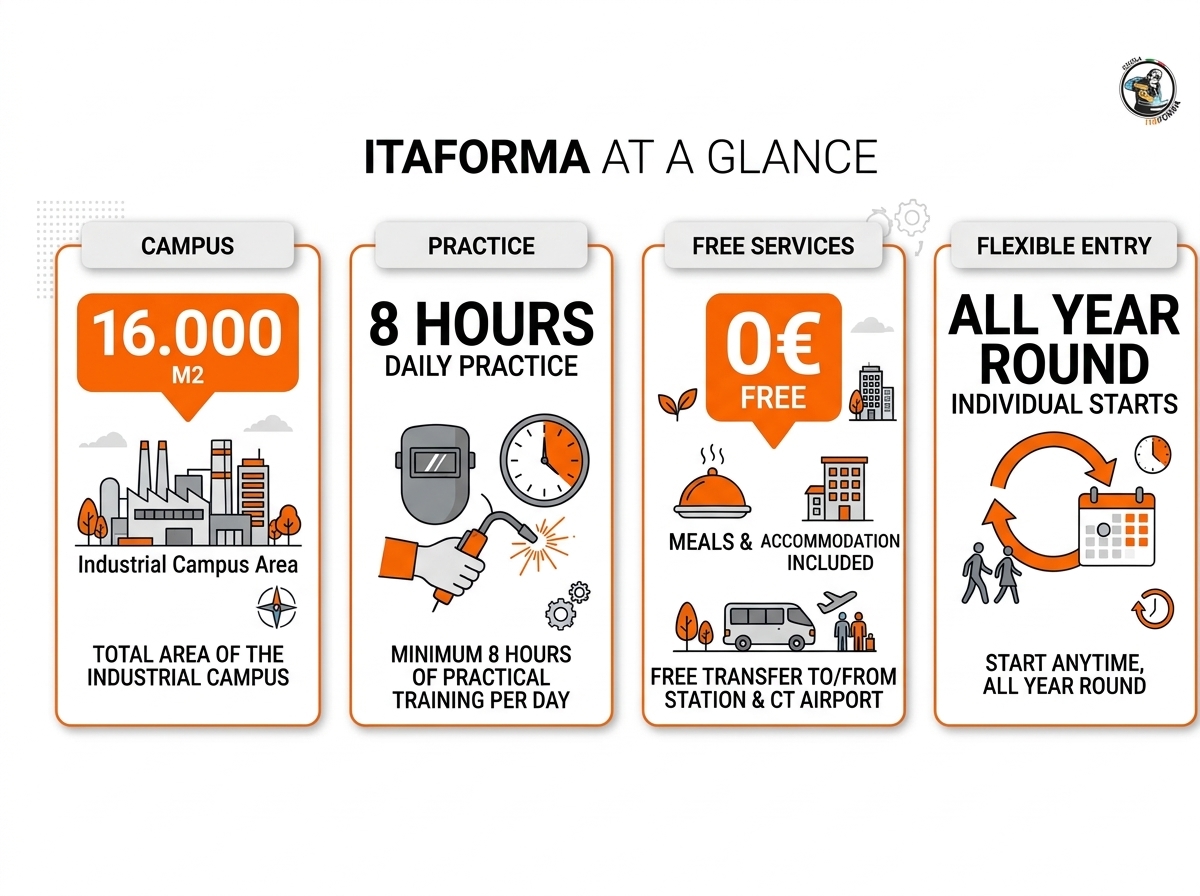
Today, we operate a 16,000 m² industrial campus in Melilli, in the province of Syracuse, Sicily, which is open all year round. We train people who want to learn welding from scratch, welders who wish to improve their skills, and professionals who need to prepare for specific qualification tests.
One of the main features of the ITAFORMA Campus is that we do not have a calendar with just a few fixed starting dates throughout the year. Each student follows their own training programme and must complete the required training hours for their chosen course. This allows us to organise enrolment individually and offer considerable flexibility when it comes to choosing a start date.
For example, someone can contact us today and, subject to organisational availability, start their training as early as the following week.
The Campus operates all year round, including August and holiday periods, allowing students from across Italy and abroad to choose the period that best suits their needs.
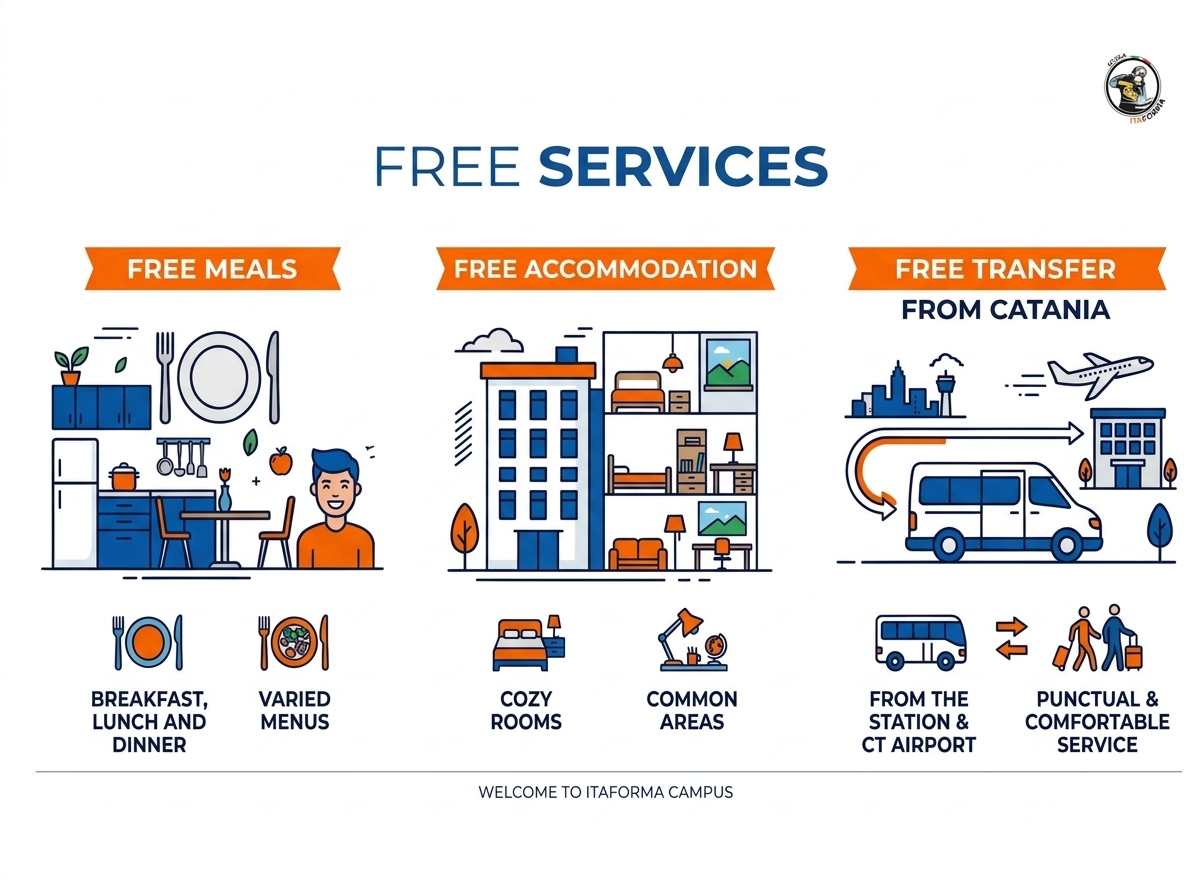
For all students attending the Campus, meals, accommodation and transfers from Catania railway station or airport are completely free of charge for the entire duration of the course.
Our goal is to bring intensive practical training, professional preparation, student accommodation and support for entering the workforce together in one location.
A welding school for students from all over Italy
To attend a professional welding course, it is not necessarily essential to find a school close to home. ITAFORMA also organises courses in various locations across Italy, generally when a minimum of 5 participants is reached.
Those who do not want to wait for a group to be formed in their area can instead choose the ITAFORMA Campus in Melilli, where training takes place all year round and each student follows their own individual programme.
This means that a student coming from Milan, Turin, Venice, Bologna, Florence, Rome, Naples, Bari or any other location in Italy does not have to wait for a class to start.
They can contact the school, identify the course best suited to their goals together with ITAFORMA, and agree on a start date at the Campus.
How does it work for those arriving from outside Sicily?
We have organised the Campus to make it easy for students to stay with us, even if they live hundreds or thousands of kilometres away from the school. Students need to reach Catania Airport or railway station. From that point onwards, ITAFORMA arranges return transfers to and from the Campus in Melilli using its own minibuses.
- Transfers between Catania Airport or railway station and the Campus
- Accommodation
- Meals
- Bed linen and towels
- Use of the Campus laundry facilities
- Use of the communal areas
- Accommodation at the Campus for the entire duration of the training programme
Once the course is completed, the return transfer to Catania is also arranged according to the arrangements agreed with the school.
What are the accommodations like at the ITAFORMA Campus?
We want to be very clear about this point. ITAFORMA is not a hotel, and the Campus is not designed to offer a holiday experience.
It is a residential industrial campus designed to allow students travelling from far away to live close to the school and focus on their professional goals.
Depending on availability, single, double and triple rooms are available.
- Bed sheets
- Pillowcases
- Blankets
- Towels
The Campus also has communal areas, rooms dedicated to students, a small gym and a laundry area that students can use free of charge to wash their clothes.
There are also dining areas. Meals are provided daily through an industrial catering service.
The philosophy is deliberately simple: to provide students with what they need to live on Campus during their training period, avoiding additional costs for hotels, meals and daily travel. The Campus therefore offers essential, functional facilities rather than luxury hotel services.
Training remains the priority!
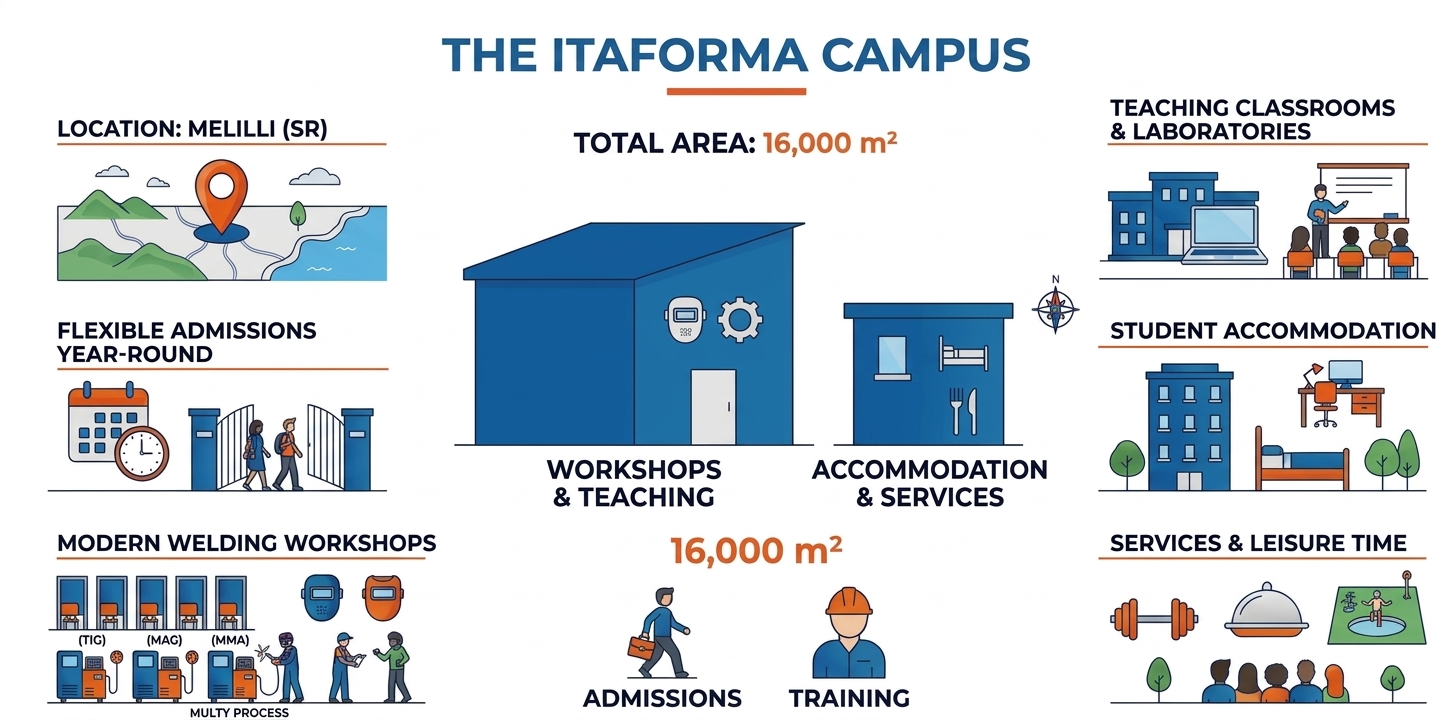
A 16,000 m² industrial Campus dedicated to training
The ITAFORMA Campus is located in Melilli, in the province of Syracuse, Sicily, and covers an area of approximately 16,000 m².
The facility allows training, practical exercises and student accommodation to be integrated within the same environment. This makes it possible to organise particularly intensive training programmes. Welding is, above all, a practical trade.
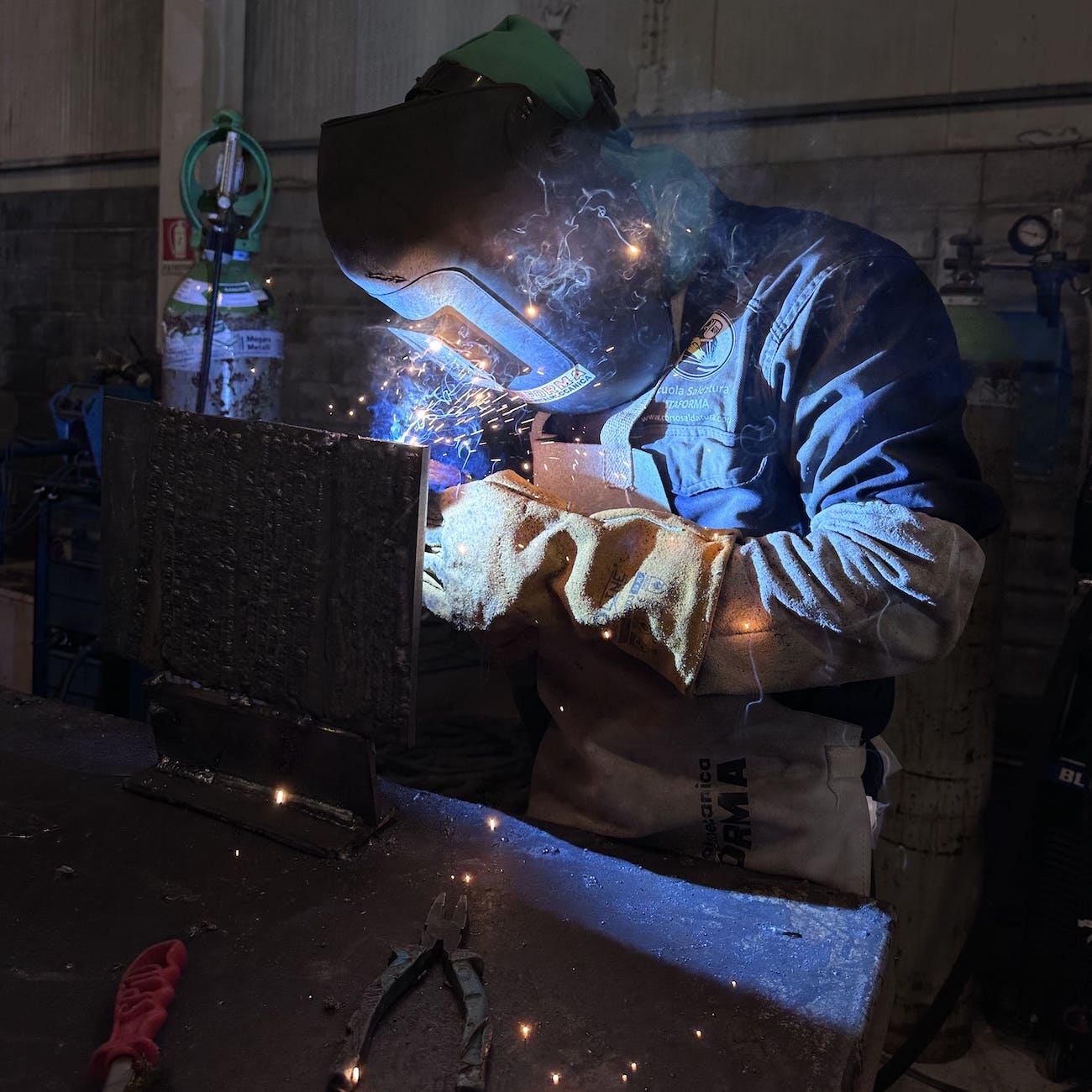
For this reason, the ITAFORMA training method places great importance on the time spent directly at the workstation, repeating welding tasks and correcting mistakes together with instructors.
For students attending the Campus, the training day includes at least 8 hours per day of practical welding training.
When we refer to at least 8 hours per day of practical training, we mean hours actually devoted to hands-on practice: each student has their own workstation, their own welding machine and the materials needed to practise continuously, without having to share their workstation with other students.
However, an ITAFORMA student’s day does not necessarily end with practical work in the workshop.
Beyond welding: 2 hours a day of free metalworking training
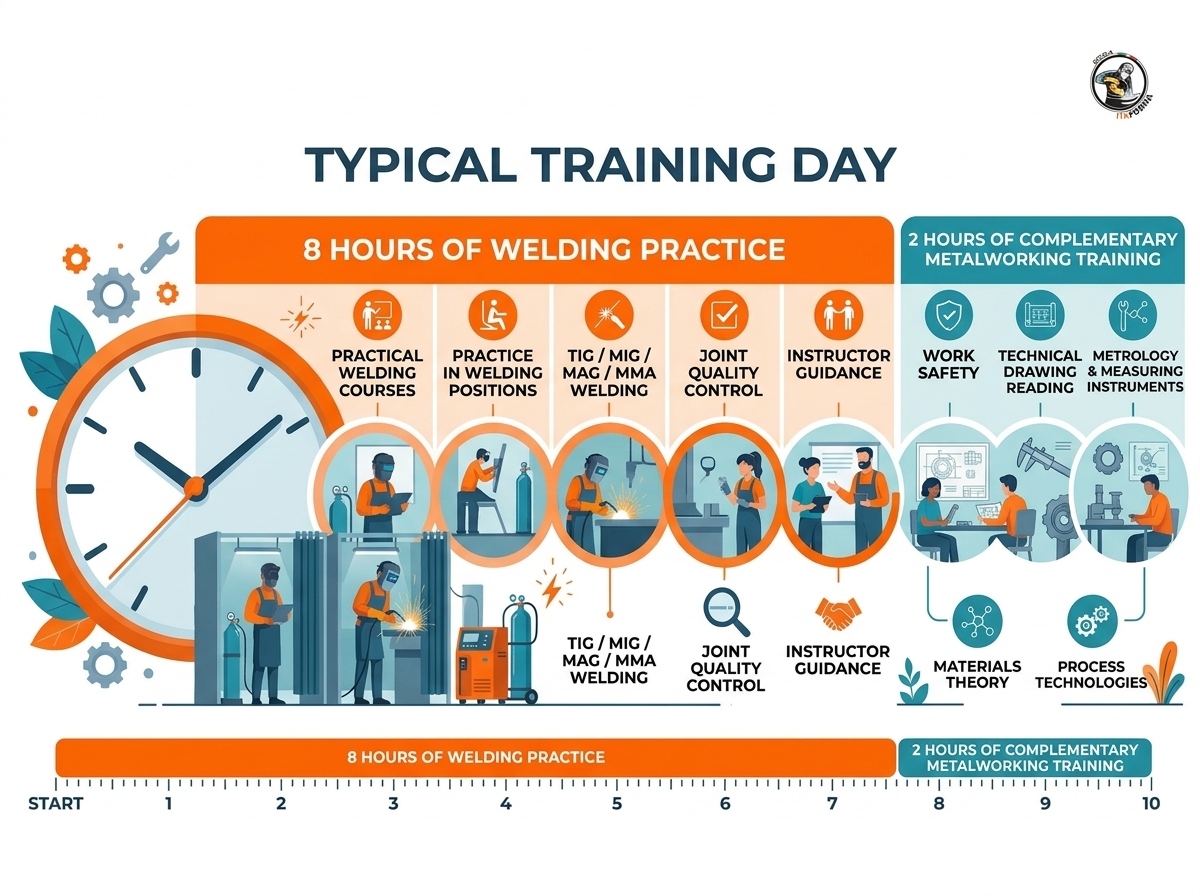
A professional welder must be able to do more than produce a good weld bead. In the workplace, they must also deal with technical drawings, workplace safety, equipment, procedures and the organisation of an industrial environment.
For this reason, students staying at the Campus can attend an additional 2 hours of free metalworking training per day, from Monday to Friday, in addition to the hours included in their welding course.
- Welding theory
- Workplace safety
- Technical drawing interpretation
- Knowledge and skills useful in the metalworking industry
- Training activities involving the practical use of equipment, such as forklift trucks, where provided and in compliance with applicable safety requirements
- Other technical modules organised by the school
On a typical weekday, from Monday to Friday, a Campus student can therefore devote at least 8 hours to practical welding training and a further 2 hours to complementary training activities.
These additional activities are offered free of charge to Campus students and have a specific objective: to train not only someone who can weld, but also a worker who is better prepared to operate in a real metalworking environment.
Can I attend a welding course starting from scratch?
Yes. Most of our students come to ITAFORMA with no previous professional experience in welding.
Each student is guided towards a training programme based on their initial skill level, professional goals and the welding process they wish to learn. This individual approach is also why students do not need to wait for a traditional class to start at the Campus.
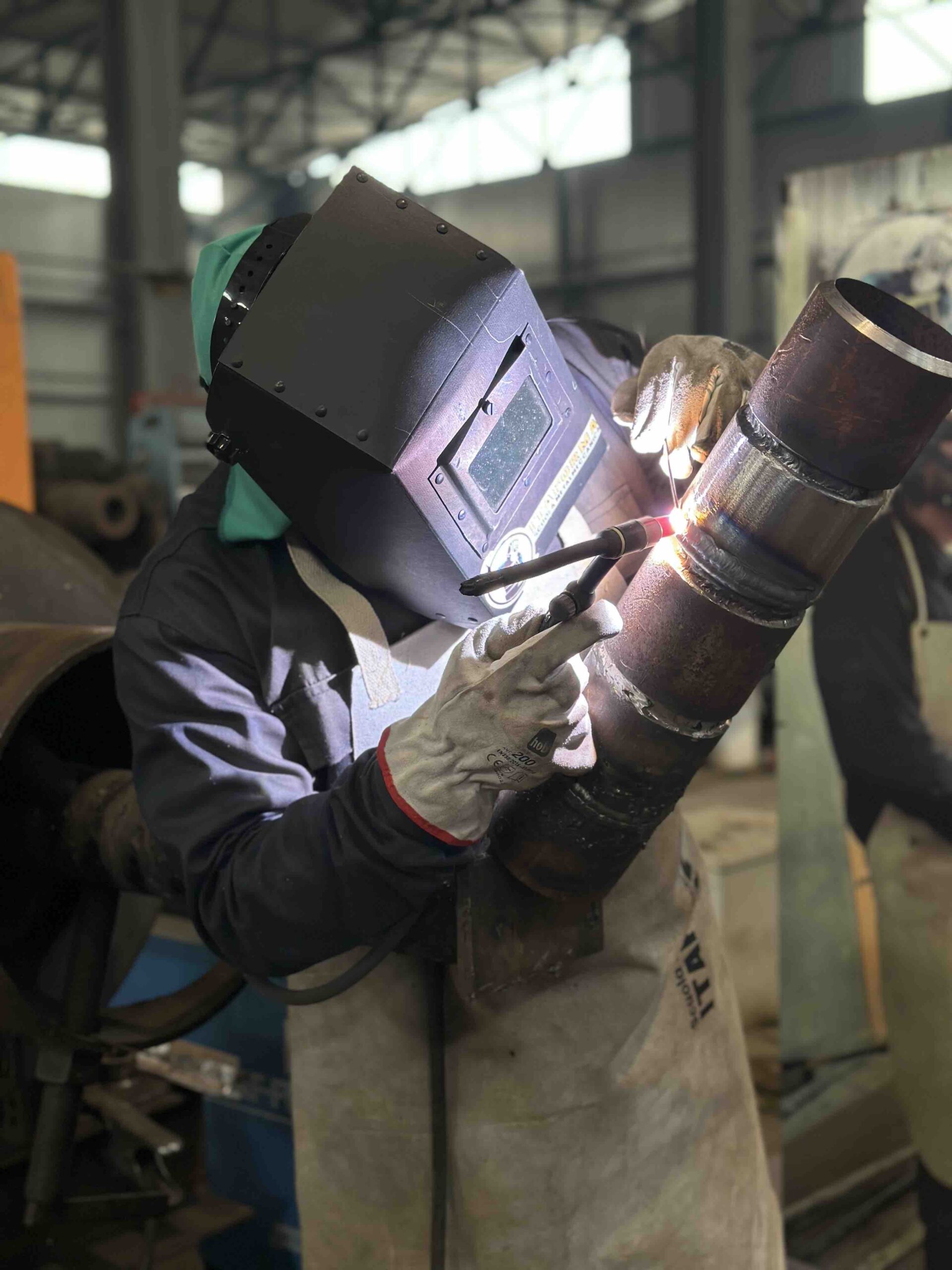
Each student has an individual programme and a set number of training hours to complete. Throughout the training, students receive progressive guidance from 3–4 welding instructors and inspectors, starting with the simplest welding tasks and positions and gradually progressing to more complex ones.
Experienced welders also attend ITAFORMA to improve a specific technique, learn a new welding process or prepare for a specific qualification test.
When can I start the course?
One of the advantages of the Campus programme is its flexibility. We do not have an annual calendar with just a few starting dates. The Campus is open all year round, and enrolment is arranged individually.
After speaking with ITAFORMA, selecting the training programme and checking availability, the student agrees on their start date. In many cases, this makes it possible to begin training within a very short time.
For example, someone can contact the school this week and, if organisational arrangements and availability allow, start as early as the following week.
The student then completes the welding training hours specified in their individual programme. At the end of the course, the student takes the practical qualification test in accordance with the UNI EN ISO 9606-1 standard or, upon request, also in accordance with ASME Section IX.
This approach allows training to be adapted to each student’s needs, rather than requiring everyone to wait for a new class to be formed.
What welding processes can be learned?
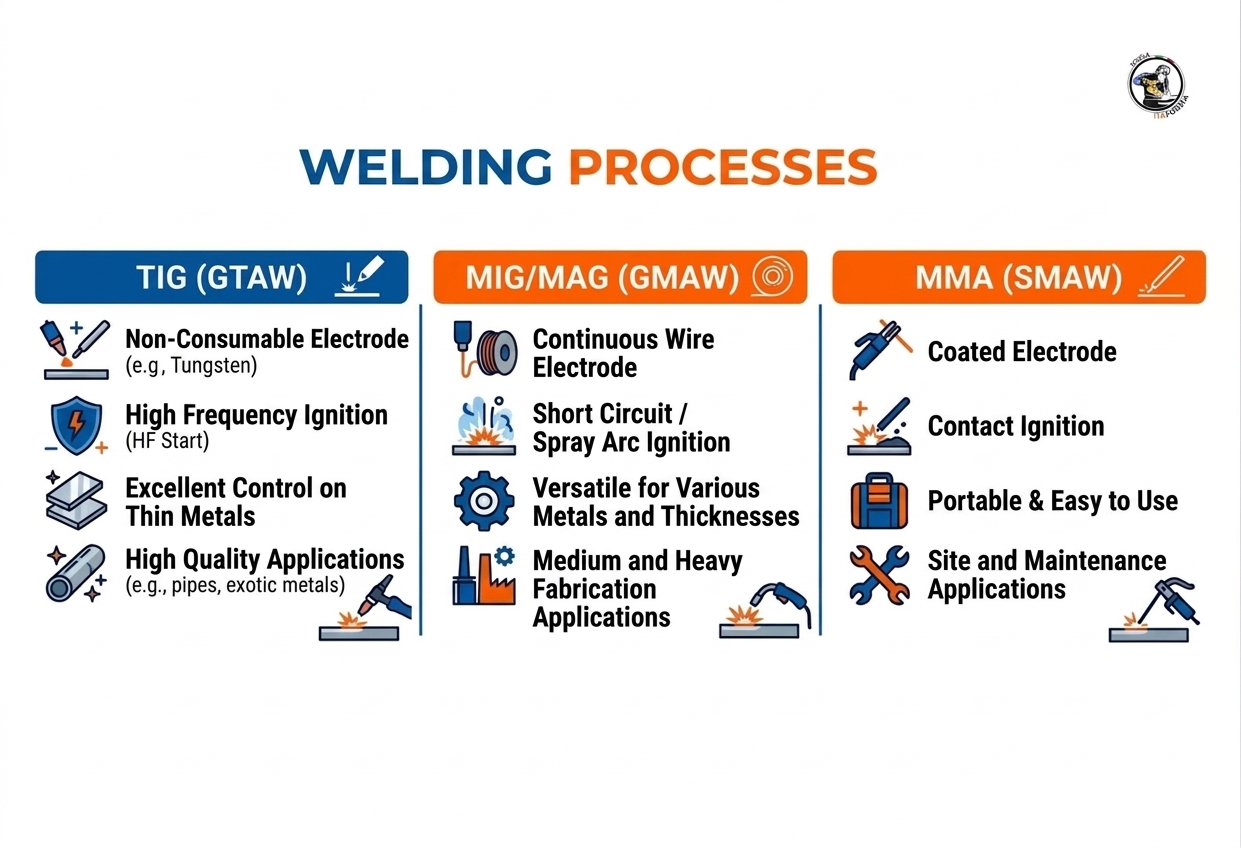
ITAFORMA organizes professional paths dedicated to the main welding processes used in the working world.

TIG Welding – GTAW
TIG welding is particularly used when high levels of process control, precision and quality are required. It is used, among other applications, in light metal fabrication, industrial plant installation and piping.
A professional training programme may include preparation for producing root passes, fill passes and cap passes on metal structures and pipes, depending on the selected programme and the student's objectives.

MIG/MAG Continuous Wire Welding – GMAW
It is one of the most widely used welding processes in the industrial sector. It is extensively used in metal fabrication and industrial manufacturing, with applications in the shipbuilding, railway and structural industries, as well as numerous other metalworking sectors.
As part of their professional training, students can progressively prepare for more challenging welding tasks and positions, such as vertical-up welding, depending on their training objectives.

Shielded Metal Arc Welding – MMA/SMAW
It is a technique used in various industrial sectors, including metal fabrication, piping, industrial plant installation and on-site work.
In more advanced training programmes, the objective may include preparation for pipe welding qualifications and welding in more challenging positions, depending on the student's professional needs.
The choice of course should be based on the type of work the student wishes to do, the sector they want to enter, the materials, the welding positions required and the professional level they aim to achieve. For this reason, ITAFORMA helps each student identify the programme that best matches their goals.
Welding course and qualification license (patentino): how does it work?
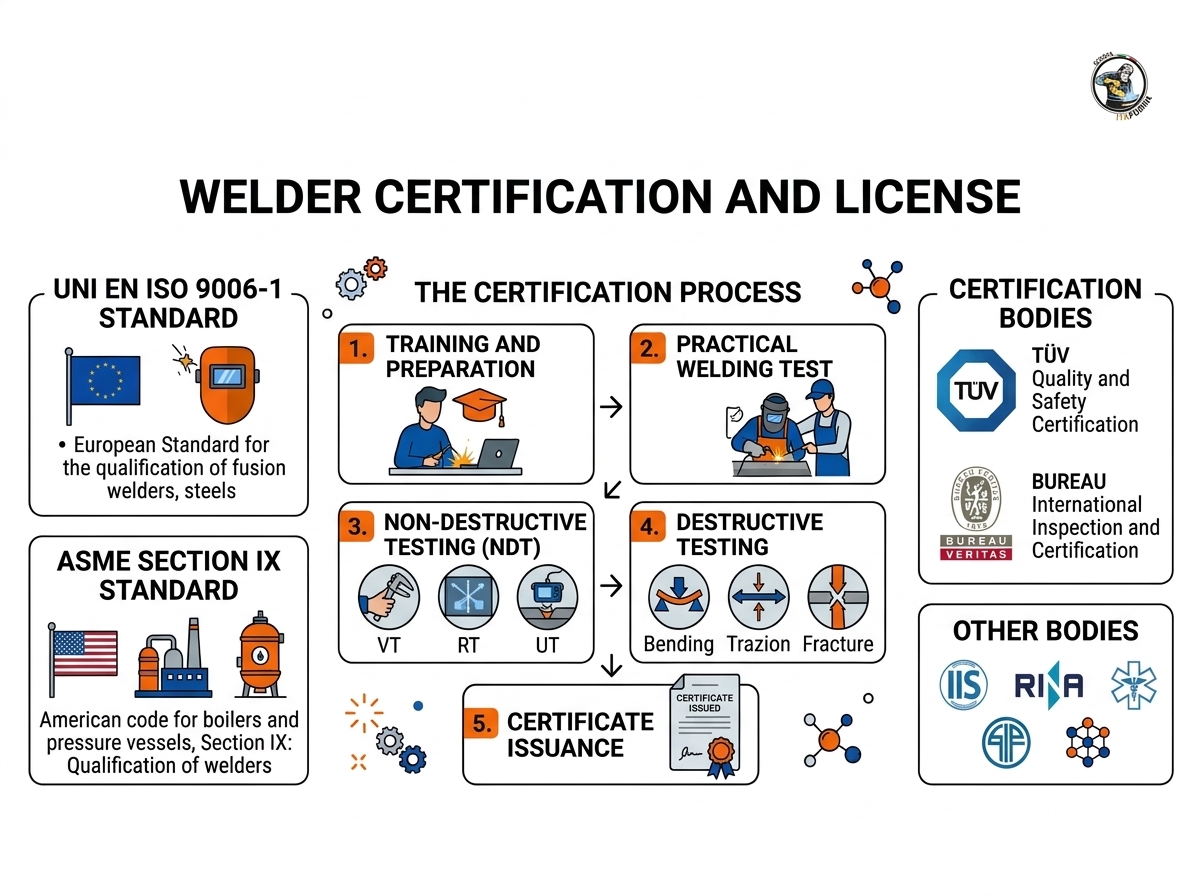
Training and the welder qualification test are two separate stages. ITAFORMA provides the welder’s training and practical preparation.
At the end of the programme, the student takes the practical qualification test in accordance with the UNI EN ISO 9606-1 standard or, upon request, also in accordance with ASME Section IX.
For certifications, ITAFORMA works with various certification bodies, selected according to the test and qualification to be obtained. Over the years, we have worked and continue to work with organisations including TÜV, Bureau Veritas, IIS, RINA Services, Valor and AdES.
For ITAFORMA, the key factor is not simply the brand printed on the certificate. What matters is involving a body qualified to issue the requested certification, ensuring that the test is conducted properly in accordance with the applicable standards and schemes, and that the qualification obtained accurately reflects the test taken by the student.
The path does not end when the student leaves the Campus
One of the key elements of the ITAFORMA method concerns what happens after training. Learning a trade is especially valuable when the skills acquired can be put to professional use. Over the years, ITAFORMA has developed an extensive network of companies that also turn to the school when they need to recruit welders.
Over 2,700 companies in the ITAFORMA professional network
According to the school’s internal data, the network currently includes over 2,700 partner companies and businesses that contact ITAFORMA to find welders.
This number is constantly evolving, as new companies may ask to join the network when they need staff. The complete list is not made public for reasons of commercial confidentiality and to protect an important professional network built over the years.
When a company reports that it is looking for welders with specific skills and qualifications, ITAFORMA can connect the company with former students who are interested in and suitable for the position.
ITAFORMA does not guarantee employment: the final decision always rests with the company and the candidate. What we offer is a practical and ongoing link between training and the world of work.
Free job service throughout your professional career
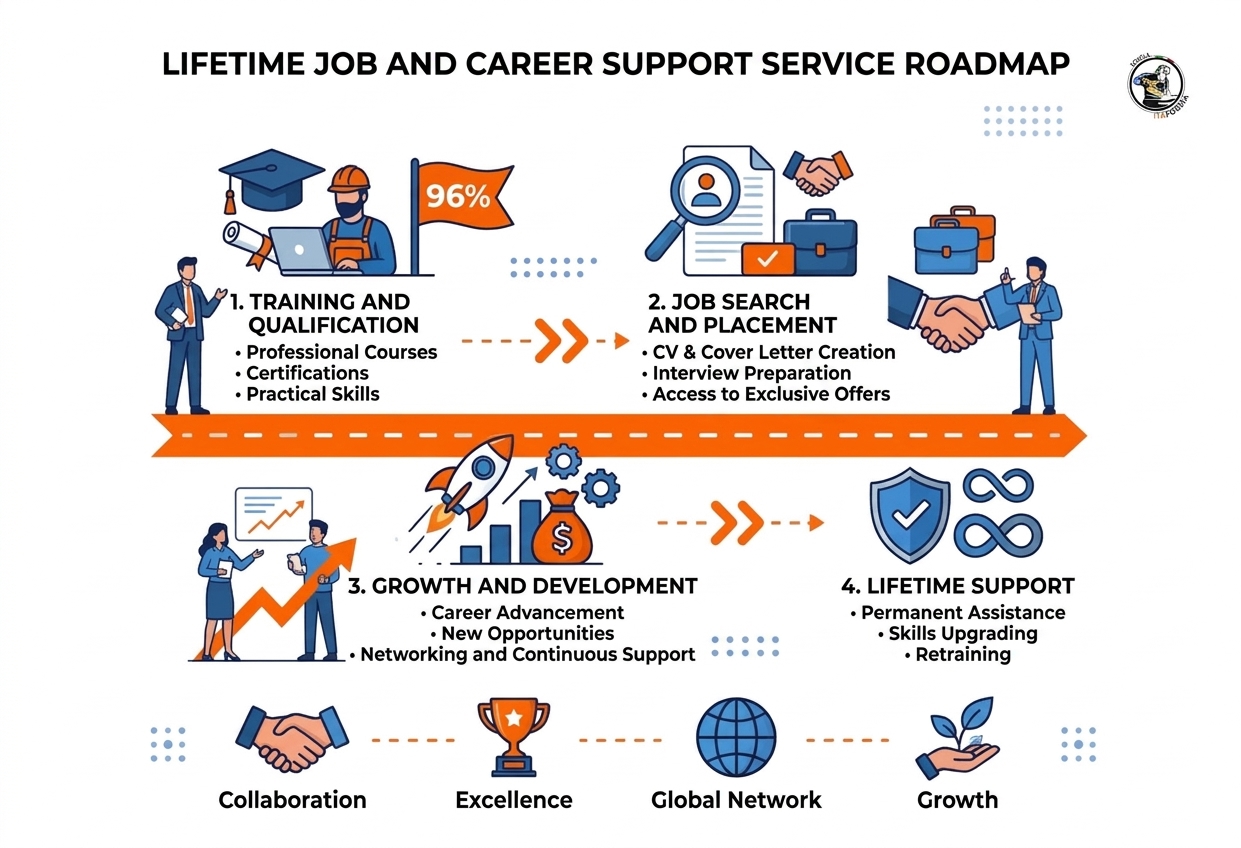
ITAFORMA’s employment support does not expire after the course.
The service is not limited to the months following the course: former students can contact ITAFORMA again throughout their professional careers whenever they need support in finding new job opportunities.
This may happen because someone has lost their job, wants to increase their salary, wishes to change companies, relocate or simply explore new opportunities.
When suitable opportunities are available within the network, ITAFORMA can once again connect former students with interested companies.
The service is free of charge for former ITAFORMA students.
The idea is simple: the relationship between the school and the student does not necessarily have to end on the day the course finishes. It can continue throughout their professional career.
96% of our students find a job
within one month of completing the ITAFORMA course
How do we calculate this figure?
We prefer to clearly explain the source of the statistics we use. According to ITAFORMA’s annual internal surveys, approximately 96% of the students monitored are reported to have found employment.
At the end of each year, we check how many students trained during the reference period have found a job. A significant proportion of these placements also takes place through the school’s employment support service and professional network.
The 96% figure is an internal ITAFORMA statistic, not a promise or an individual guarantee of employment.
Employment outcomes may vary depending on several factors:
- Skills acquired
- Qualifications
- Experience
- Geographical availability
- Willingness to relocate
- Employer requirements
- Labour market conditions
Our goal is to genuinely improve students’ employment prospects through practical training, complementary skills and connections with companies.
How to choose a good welding school
Before choosing a school, we recommend looking beyond slogans and asking specific questions.
- How many hours will I actually spend welding?
- Is the course primarily practical?
- Will I have my own dedicated workstation and welding machine?
- Can I start from scratch?
- Will I have to wait months for the course to start?
- Which welding processes can I learn?
- Which materials and positions will I practise on?
- How is the qualification test organised?
- Which standard and qualification range will my welder certificate cover?
- Who issues the certificate?
- Does the school also provide training in complementary aspects of metalworking?
- What happens after the course?
- Does the school maintain relationships with companies looking for welders?
- If I need to change jobs in five or ten years, will I still be able to turn to the school?
- Can I read verifiable reviews from people who have actually attended the school?
A professional training school should be able to answer these questions clearly before enrolment.
Why attend the ITAFORMA Campus if you live far away?
The Campus programme was developed to allow people who live far away to undertake an intensive training period. Students arriving from another region travel to Catania, from where ITAFORMA arranges their transfer to Melilli.
Once they arrive, students find everything they need for their training period in the same Campus: the school, accommodation, meals, laundry facilities, common areas, a gym and essential services.
From Monday to Friday, they can dedicate at least 8 hours a day to practical welding training and also benefit from 2 free hours of complementary metalworking training every day.
They do not need to arrange hotels and daily transport independently, nor do they necessarily have to wait for a class to be organised in their own city.
Above all, the Campus is not intended to be a holiday. It is a place to spend a period of one’s life with a specific goal: learning a trade, obtaining a qualification and preparing for the world of work.
Welding courses also in the rest of Italy
ITAFORMA does not run courses exclusively in Sicily. We also organise courses in other locations across Italy, generally when a minimum of 5 participants has been reached. Those who wish to train close to home can therefore enquire about the possibility of organising a course in their area.
The key difference is that those who do not want to wait can choose the Campus. At the Campus, there is no need to wait for a class to form. Each student follows their own programme and completes their own required training hours, and can agree on an individual start date.
FAQ
Frequently asked questions about ITAFORMA welding courses
1. When do ITAFORMA welding courses start?
There is no single start-date schedule at the Campus. Each student follows their own programme and completes the required training hours. Once the course has been selected and availability confirmed, an individual start date is agreed upon. In some cases, it is therefore possible to contact ITAFORMA and start as early as the following week.
2. Is the Campus open all year round?
Yes. The ITAFORMA Campus operates throughout the year, including August and holiday periods.
3. Can I attend if I live in Milan, Rome, Turin or another city?
Yes. The Campus has also been organised for students from other Italian regions and from abroad.
4. Are meals and accommodation free?
Yes. For students attending the ITAFORMA Campus, meals and accommodation are provided free of charge for the entire scheduled duration of the course.
5. What types of rooms are available?
Depending on availability, the Campus offers simple, basic single, double and triple rooms. Students are provided with sheets, pillowcases, blankets and towels.
6. Is there a laundry room?
Yes. The Campus has a laundry area that students can use free of charge to wash their clothes.
7. How are meals provided?
The Campus has dedicated dining areas, and meals are provided daily through an industrial catering service.
8. Is there a gym?
Yes. The Campus also has a small gym built by former students, with equipment and materials available for use, as well as shared spaces and common rooms.
9. Is a transfer from Catania available?
Yes. ITAFORMA arranges transfers for Campus students from Catania train station or airport to Melilli and the return journey, according to the arrangements agreed upon with the school.
10. How many hours a day will I spend welding?
For Campus students, practical welding training involves at least 8 hours a day, depending on the individual programme. Each student has their own workstation, welding machine and the materials needed to practise continuously.
11. Are there lessons in addition to welding?
Yes. From Monday to Friday, Campus students can attend an additional 2 hours of complementary metalworking training every day, free of charge. Activities may cover welding theory, workplace safety, technical drawing, the practical use of equipment and other topics relevant to working in the industry.
12. Can I start from scratch?
Yes. Training programmes are also available for people with no previous welding experience.
13. Does ITAFORMA organise courses only in Sicily?
No. ITAFORMA also organises courses in other locations across Italy, generally when a minimum of 5 participants has been reached. Those who do not want to wait can choose the Campus in Melilli.
14. Can I obtain a welder qualification certificate?
Yes. At the end of the programme, students take the practical qualification test in accordance with the UNI EN ISO 9606-1 standard or, upon request, also in accordance with ASME Section IX.
15. Does ITAFORMA guarantee that I will find a job?
No. A school cannot guarantee employment. However, ITAFORMA offers former students a free employment support service, backed by a network of over 2,700 partner companies and businesses that contact ITAFORMA to recruit welders.
16. How long does the employment support service last?
The service is not limited to the months following the course. Former students can contact ITAFORMA again throughout their professional careers whenever they need support in finding new job opportunities.
Do you really want to learn how to weld?
You don’t necessarily have to wait for the next available date on a course schedule. At the ITAFORMA Campus, each student has their own training programme and required training hours.
You can contact us, tell us your current skill level and explain what you want to achieve. Together, we will identify the most suitable programme and, once availability has been confirmed, agree on your Campus start date.
If you are travelling from outside Sicily, you can arrive at Catania Airport or train station. From there, we can take care of the rest: transfers, meals and accommodation are free of charge for the entire duration of the course.
During the week, you can dedicate at least 8 hours a day to practical welding training and also take part in free complementary metalworking training activities.
And when the course is over, your relationship with ITAFORMA can continue through our free employment support service throughout your professional career.
ITAFORMA – learn to weld, prepare for work, build a career.


