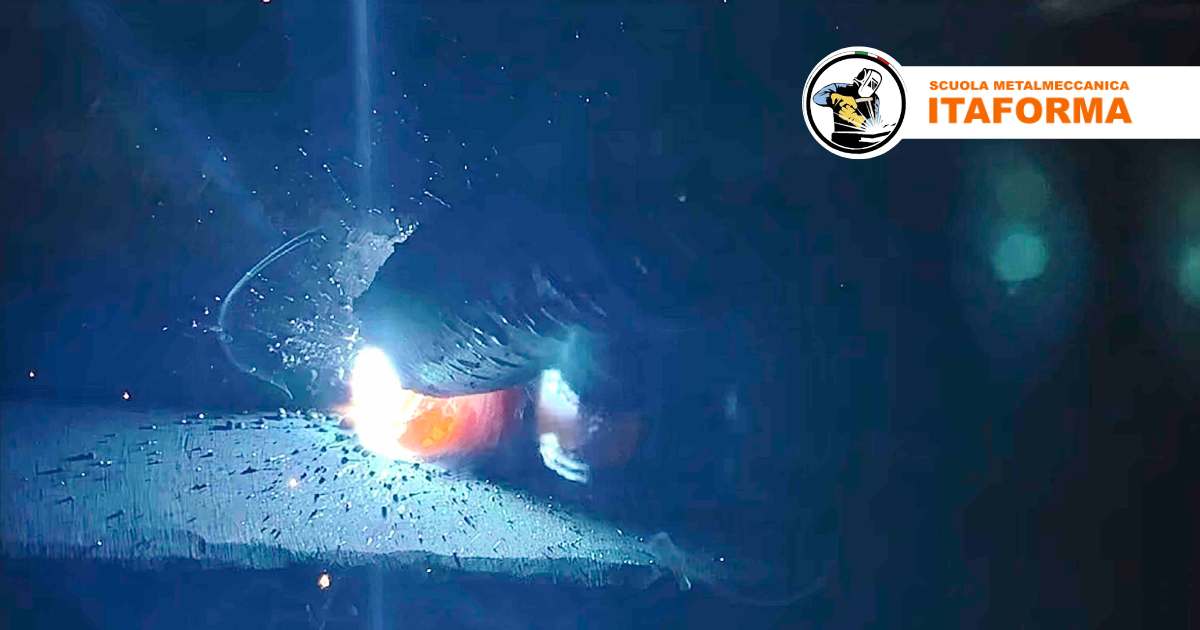
Welding: The Importance of the Weld Pool

The weld pool is an essential element in welding.

It is a metallurgical process that allows metallic materials to be joined by creating a molten zone which, upon cooling, ensures the cohesion and strength of the joint.

Understanding the characteristics and behavior of the weld pool is fundamental for professional welders, whether it involves TIG welding, MIG/MAG welding, or SHIELDED METAL ARC (ELECTRODE) welding.

TIG Welding: A Small and Stable Weld Pool

1.1 Principles of TIG Welding

The TIG (Tungsten Inert Gas) welding process is based on the use of an electric arc generated between a non-consumable tungsten electrode and the workpiece. This process allows for high precision due to a highly controlled weld pool.

1.2 Technical Characteristics of the TIG Weld Pool

The weld pool formed by the TIG process is relatively small and stable. This stability is attributed to several key technical factors. Firstly, the flow of inert gas (usually argon) is adjustable and plays an essential role in protecting the weld pool from oxidation. This gas creates a protective barrier around the molten zone, preventing undesirable chemical reactions with the atmosphere, such as the formation of oxides or nitrides.

Furthermore, precise control over heat input is another fundamental element. The heat supplied by the electric arc can be adjusted via a foot pedal or a regulator on the torch, allowing the welder to adapt to the material type and thickness. For instance, reducing heat is necessary to prevent thermal deformation of thin sheets or to minimize residual stresses in sensitive structures.

The choice of tungsten electrode is also crucial for weld pool stability. An electrode that is too thin can cause arc instability, whereas one that is too thick risks overheating the molten zone. The electrode diameter must be selected based on the required amperage and the characteristics of the base material.

Finally, a sound welding technique, combined with consistent movement and speed, ensures that the weld pool remains homogeneous and free of defects. Common risks to monitor include porosity, generally caused by gas or material contamination, as well as solidification cracks resulting from excessively rapid cooling. Particular attention to these aspects allows for the production of robust and aesthetically flawless welds.

1.3 Applications and Advantages

TIG welding is ideal for high-quality assemblies in applications such as fine boiler making, stainless steel pipes, and complex alloys. This process ensures exceptional material adhesion while limiting deformations due to a well-controlled weld pool.
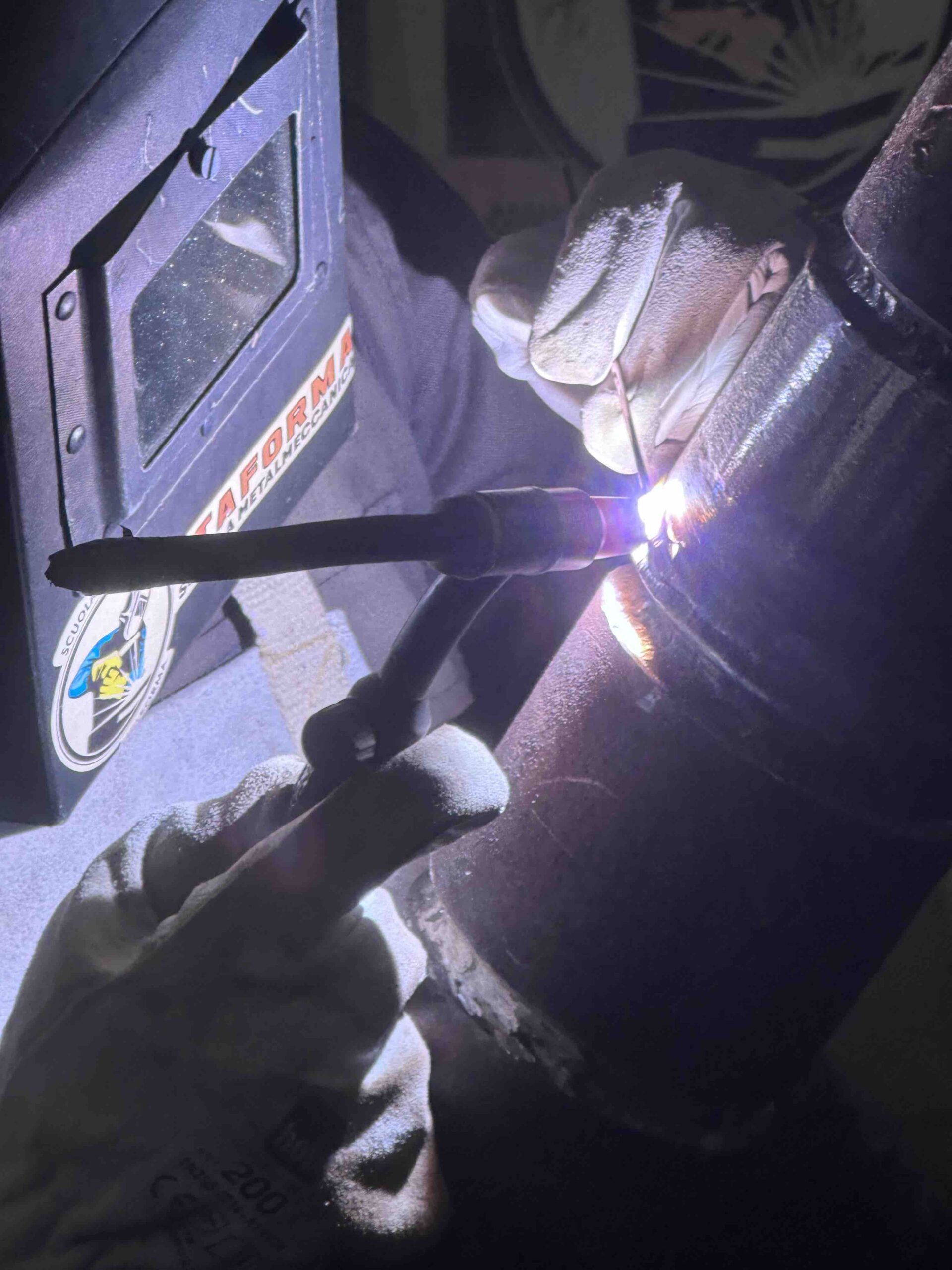
MIG/MAG Welding: A Spectacular Weld Pool

2.1 Operation of the MIG/MAG Process

MIG (Metal Inert Gas) and MAG (Metal Active Gas) welding utilizes a continuously fed consumable wire electrode and a shielding gas. The weld pool is created by the electric arc between the wire and the base material, enabling rapid and effective joining.

2.2 Formation and Stability of the Weld Pool in MIG/MAG

In the MIG process, inert gas (often argon or an argon/helium mixture) ensures optimal protection against oxidation. In the MAG process, active gas (such as CO2) promotes deeper weld pool penetration. This weld pool is wider than that of the TIG process, facilitating welding on thicker sheets.

The stability of the weld pool in MIG/MAG also depends on the precise control of parameters such as arc voltage, wire feed speed, and shielding gas flow. A correct balance of these factors allows for uniform fusion, reducing the risk of spatter or porosity. Furthermore, the dynamics of the weld pool can be influenced by the characteristics of the wire used, particularly its diameter and composition. The use of specific wires, such as aluminum alloys or stainless steel, ensures optimal weld quality for various applications.

2.3 Common Uses and Advantages

The MIG/MAG process is particularly suitable for industrial fabrication, especially in the automotive and metal construction sectors. It allows for rapid welding of rails, pipes, and metal structures, ensuring good cohesion of the assemblies.
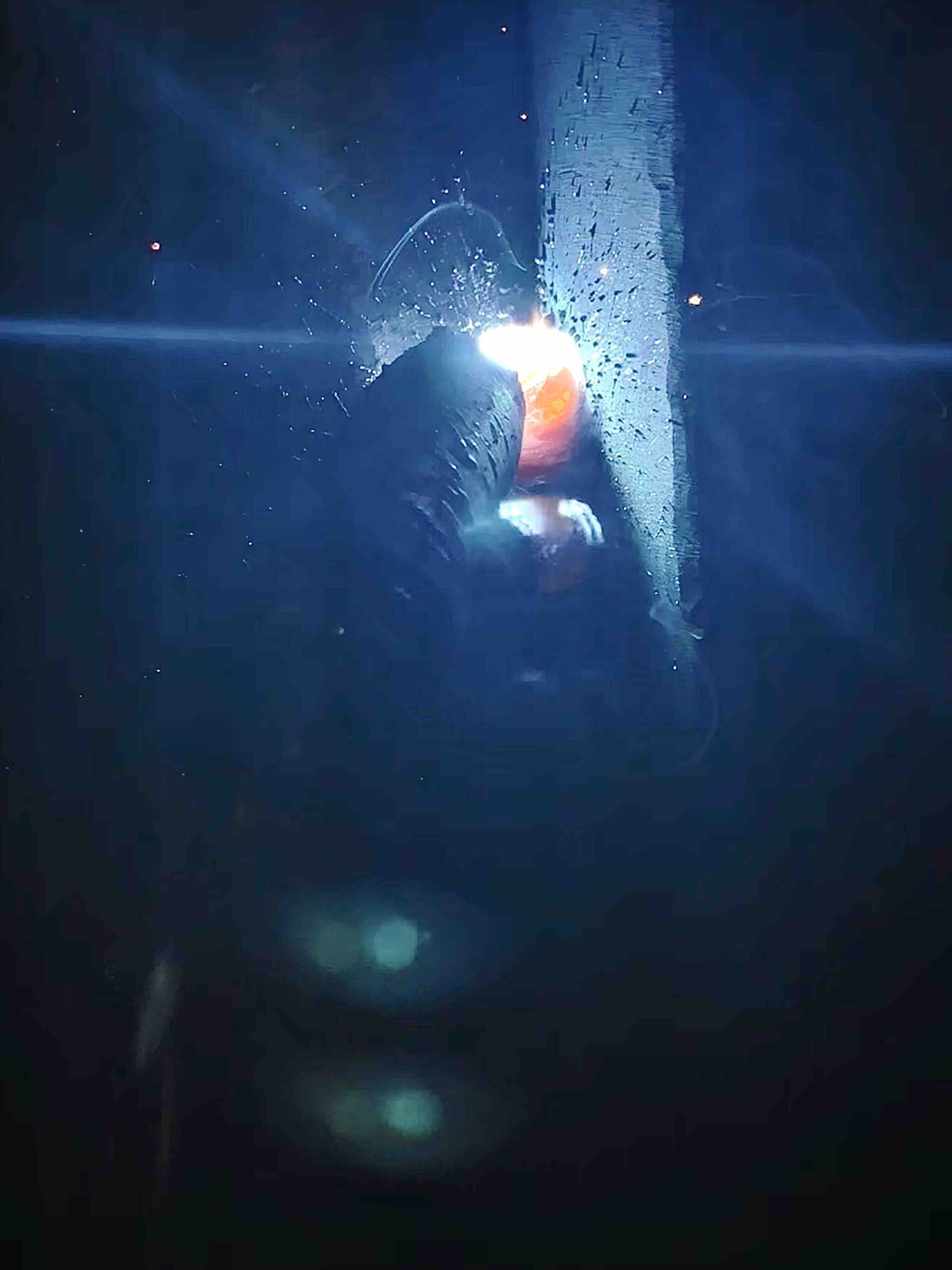
Shielded Metal Arc Welding (SMAW): A Smaller and Rapidly Cooling Weld Pool

3.1 Understanding Shielded Metal Arc Welding

Shielded Metal Arc Welding (SMAW), or MMA (Manual Metal Arc), relies on a coated consumable electrode. The electric arc melts the electrode and the base material to create the weld pool, while the coating generates a protective gas.

3.2 Characteristics of the Weld Pool in MMA

The weld pool in MMA is relatively small and cools rapidly, which offers advantages for repair work, welding in vertical or overhead positions, as well as for assembling thick sections. The weld pool's ability to solidify quickly reduces the risk of deformation in surrounding materials, a crucial advantage for on-site applications.

However, this rapid cooling necessitates greater technical skill from the welder. It is essential to maintain a stable arc temperature and use an electrode suitable for the base material to avoid defects such as poor fusion, cracking, or slag inclusions. These slags, formed by the combustion of the coating, must be carefully removed to ensure the quality of the welded joint. Therefore, thorough cleaning between each pass is essential to prevent structural weakening in the assembly.

Furthermore, the weld pool size in MMA, while smaller than in other processes, is ideal for applications requiring high precision.

3.3 Applications and Limitations of Shielded Metal Arc Welding

Shielded metal arc welding is commonly used for structural repairs, heavy boiler work, and piping systems. Its main advantages include ease of use and the ability to weld in challenging conditions, although the precision of the weld pool is lower compared to TIG and MIG/MAG processes.

Conclusion

The weld pool plays a fundamental role in the quality of welds produced with TIG, MIG/MAG, and shielded metal arc welding processes. Mastery of it requires in-depth knowledge of materials, welding parameters, and operating conditions. Whether welding rails, sheets, or complex alloys, a thorough understanding of the weld pool's behavior ensures solid and durable joints, meeting the demands of professional welders and modern industries.
RAI TG Reports on ITAFORMA: “Welders of Excellence” segment from 10/1/24

“Saldatori d’eccellenza” – ITAFORMA Welding School la scuola che forma operai specializzati.

Desideriamo esprimere la nostra più sentita gratitudine alla Giornalista Lucia Basso e a tutto il team del TG RAI per il servizio andato in onda il 1° ottobre 2024, che ha messo in luce l’importante lavoro svolto da ITAFORMA Welding School.

Siamo orgogliosi di essere riconosciuti come un punto di riferimento per la formazione di saldatori d’eccellenza. 

Il nostro impegno è formare operai altamente qualificati, che non solo provengono da ogni parte d’Italia, ma anche dall’estero, per ottenere il patentino di saldatore, una certificazione di grande valore nel settore.

Grazie ancora per aver raccontato il nostro percorso e per aver sottolineato l’importanza del nostro lavoro nel preparare professionisti pronti ad affrontare le sfide dell’industria moderna.

Servizio TG RAI del 1/10/2024
a cura della Giornalista Lucia Basso

Guarda il servizio sotto:

Laser Welding

Guide, Techniques, Applications, and
Laser Welding Training Courses.

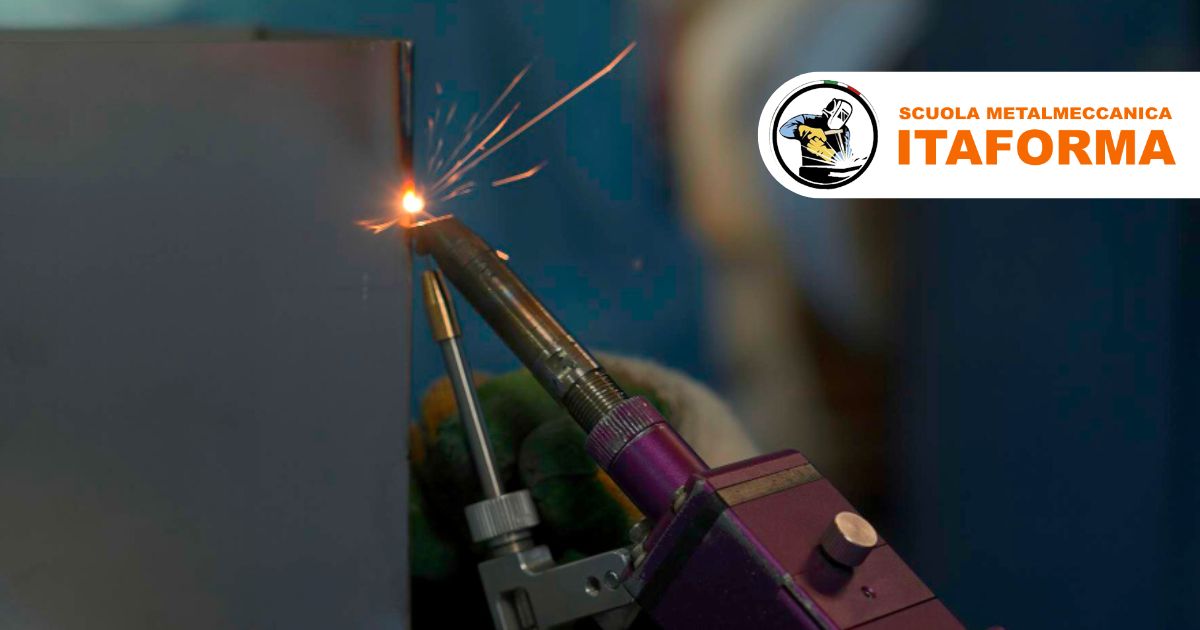
Laser welding represents one of the most advanced technologies in the field of metal processing, offering unparalleled precision, speed, and efficiency.

Whether you are an experienced professional or a beginner, laser welding offers endless possibilities for creation and innovation in metal processing. If you are interested in learning more about this revolutionary technique, you are in the right place. In this guide, we will delve into everything there is to know about laser welding, from its industrial applications to its effectiveness in welding materials such as carbon steel (iron) and aluminum.

ITAFORMA Metalworking School offers professional training courses to learn the use of laser welding machines and the challenges associated with manual laser welding.

Basic Principles of Laser Welding

Laser welding is a metal fusion process that uses a high-intensity laser beam to melt materials and create a stable joint. This technique offers numerous advantages over traditional welding methods, including less material distortion and the ability to work with thin materials.

Applications of Laser Welding

Laser welding offers millimeter precision and low thermal impact, making it ideal for a wide range of applications. Laser welding is widely used in a variety of industrial sectors, including automotive, aerospace, electronics, and medical device manufacturing. Thanks to its precision and reliability, laser welding is often used to create high-quality joints in critical components.

Laser Welding Techniques

There are several laser welding techniques, including continuous wire laser welding, spot laser welding, and manual laser welding.
Each of these techniques has its own characteristics and advantages, and it is important to choose the one most suitable for the specific project's needs. Aluminum is a widely used material in many industries, and laser welding on aluminum offers an efficient and extremely clean solution.

ITAFORMA Course on the Use of Laser Welding Machines

To learn how to correctly use a laser welding machine and fully exploit its potential, it is advisable to attend a professional training course.

The ITAFORMA Laser Welding Course covers all aspects of laser welding, from theory to practice, and provides participants with the necessary skills to operate safely and effectively.

If you are considering specializing and finding immediate employment, remember to fully leverage the opportunities offered by laser welding.

Its precision and versatility make it an excellent choice in many situations, contributing to improved quality and efficiency in industrial production processes.

What is the difference between Continuous Wire Welding and Laser Welding?

Continuous wire welding and laser welding are two metal fusion processes that differ in their methodologies and applications.

Continuous Wire Welding is a metal fusion technique that uses a continuously fed metal wire through a welding gun.
This wire acts as an electrode, while shielding gas helps prevent material oxidation during the welding process. This method is commonly used in the manufacturing industry for its simplicity and its ability to work on a wide range of materials and thicknesses.

Laser Welding is a metal fusion process that uses a high-intensity laser beam to heat and melt materials. This method offers extreme precision and low thermal distortion, making it ideal for applications requiring fine details and processing of heat-sensitive materials such as aluminum and precious metals. Laser welding is widely used in the automotive, aerospace, and electronics industries for its versatility and superior performance.

In summary, while continuous wire welding is preferable for large-scale work and medium-thickness materials, laser welding excels in precision applications and processing heat-sensitive materials. The choice between the two methods depends on the specific project requirements and the materials involved.

For more information on the Laser Welding Course, other Metalworking Courses, and the most in-demand roles in the job market, contact us by filling out the form below or calling us directly.

International Collaboration between ITAFORMA and DEOTEC: New Levels of Excellence in Welding Training

ITAFORMA has pioneered the first International Welders Training program – International Welding Course

ITAFORMA has conceived and is pleased to announce a new and significant collaboration in the field of welding training.

We have forged a strong and EXCLUSIVE agreement with DEOTEC, the best Welding School in South America, based in Chile. This partnership is a unique opportunity to elevate the standard of welding training, bringing benefits to both our students and those of DEOTEC.

ITAFORMA and DEOTEC have designed the first international welding training program, where students from both Schools will have the opportunity to attend a unique welding course by welding in both Italy and Chile.

This will be the first international welding course, which will take place at various international training locations.

Never before in the welding world had a welding training program been developed with training at different welding schools across various continents.

Itaforma students will be able to complete their course in Chile, and Deotec students will be able to come and study welding at ITAFORMA.

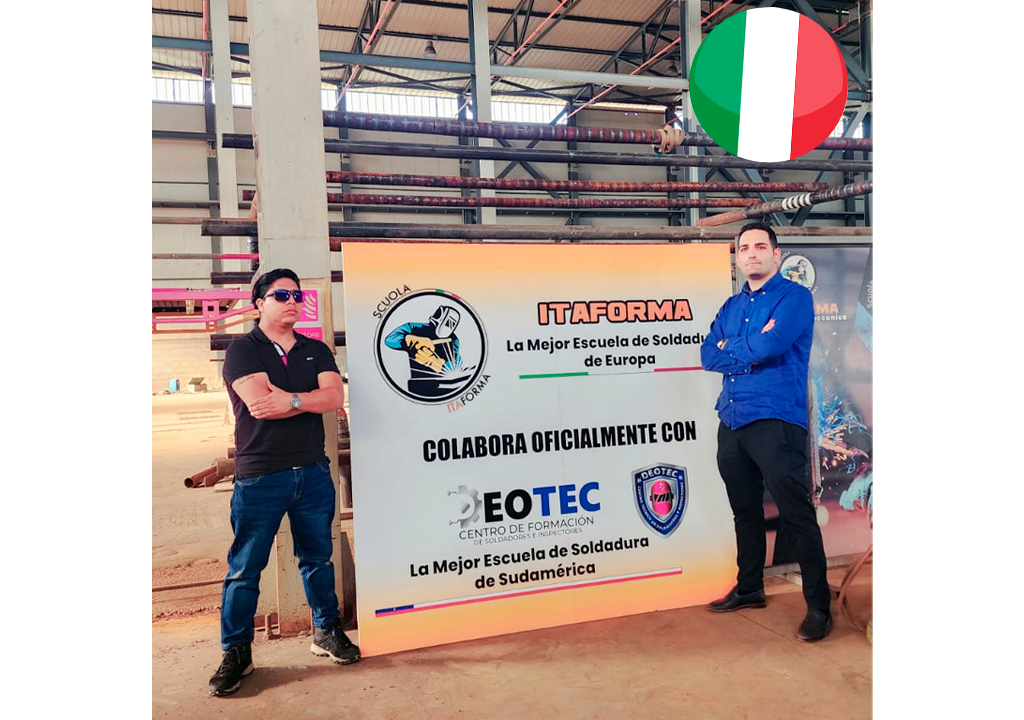
DEOTEC's founder, Juan Carlos, visited the ITAFORMA Metalworking Campus in Italy, bringing with him his valuable wealth of experience and knowledge as an instructor in the field of Welding.

This cultural and professional exchange was a significant moment for both Schools, as it allowed for a deeper understanding of international welding skills and perspectives.

ITAFORMA - Metalworking Welding Courses | Juan Carlos in Italy.png | ItaForma School | Welding Course

One of the main lessons learned is that:

Welding is a global, universal language, albeit with some technical, legislative, and procedural differences from one continent to another.

We wish to express our sincere gratitude to: Juan Carlos, Welding Instructor and Inspector from Deotec, for his professionalism and generosity in sharing his valuable experience with our students.
His dedication to teaching exemplifies how passion for welding can transcend borders and unite professional communities in the metalworking sector worldwide.

We will train a new generation of international welders, highly competent and ready to face global challenges in the welding industry.

ITAFORMA - Metalworking Welding Courses | ITAFORMA Welding School in collaboration with Deotec Campus Photo 1 | ItaForma School | Welding Course


Stay tuned for further developments regarding this important partnership!


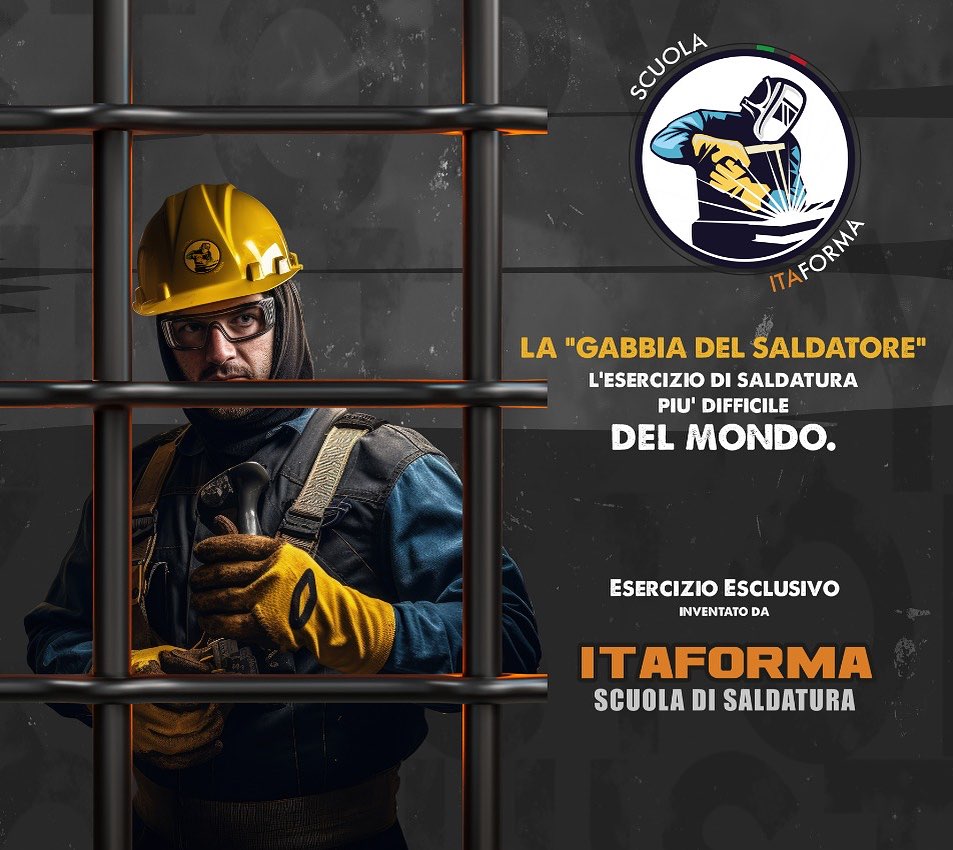
The “Welder’s Cage” – the most challenging welding exercise in the world, a true test for ITAFORMA training

To continue training Europe's best Junior Welders and maintain the highest global training standards, we have conceived and developed something extraordinary: the "Welder's Cage."

This welding exercise is the most difficult in the world, the most complex exercise ever invented and implemented by a Welding School.

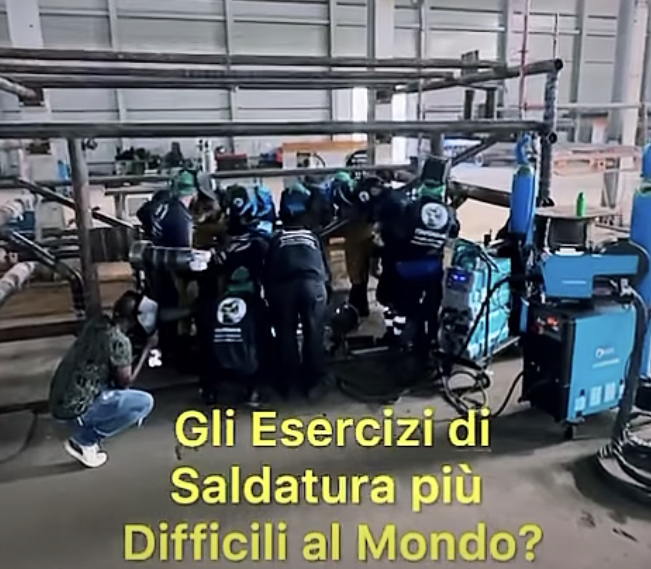
The “Welder’s Cage” is an intricate assembly of pipes, fittings, valves, flanges, and structural components, all meticulously positioned in a complex and hard-to-access manner. This exercise challenges and tests our welding students, pushing them to their limits.

The “Welder’s Cage” is substantial in size, approximately 5 meters long, 6 meters wide, and 3 meters high. It requires welders to perform welds in extremely challenging positions and angles, following specific procedures chosen for their training at ITAFORMA.
This training experience enables our students to achieve competency levelsthat are difficult to find elsewhere in Europe and worldwide.

ITAFORMA - Metalworking Welding Courses | Welder's Cage 3 e1697801616612 | ItaForma School | Welding Course

The inspiration behind the "ITAFORMA Welder's Cage" was to replicate the real-world conditions welders encounter in the field.

Every position within the Cage has been designed to be as uncomfortable as possible, compelling students to weld under difficult conditions ranging from: vertical to overhead, from a kneeling position to lying on the ground, from welding with the right hand to the left, with obstructions that limit visibility, making comfortable welding impossible. Finally, it is also possible to practice mirror welding.

The “Welder’s Cage”, an exclusive exercise invented by the ITAFORMA Welding School, represents a true in-situ welding installation.

The “ITAFORMA Welder’s Cage” will be available to all our future students who, in the final stages of their training, will have acquired the necessary experience to tackle this unique challenge.

Indeed, students will have the opportunity to test their skills and continue to improve until they become true welding experts within the Cage.

With the “Welder’s Cage”, ITAFORMA reaffirms its position as one of the leading and most important training schools in the metalworking sector, committed daily to preparing the welders of the future to overcome complex challenges with confidence, professionalism, and great mastery.

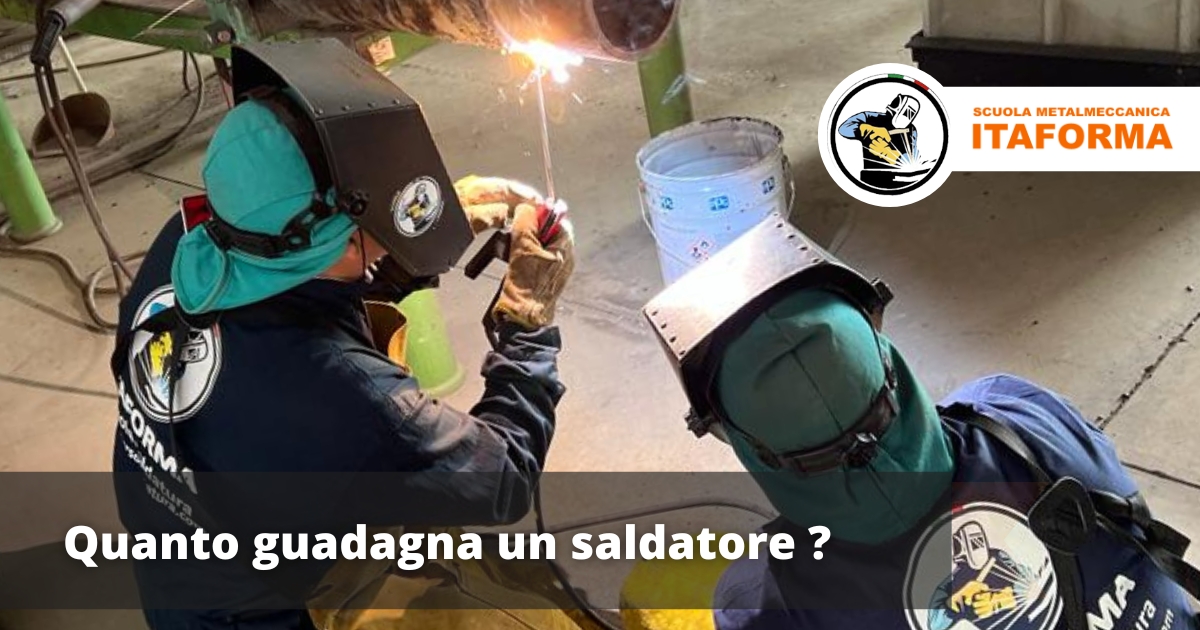
How much does a welder earn?

What is a Welder's Salary?

A welder's salary varies based on several factors: whether they are a junior welder, an experienced welder, their years of experience, and if they hold a welding certificate.

The salary also varies based on the types and number of welding processes one is proficient in, the metalworking sector they operate within, whether they are a workshop welder or a traveling welder, if they are employed or self-employed, and also depends on the province, region, and country of employment, etc.

Thus, numerous variables influence a welder's net salary; indeed, the range between minimum and maximum pay can vary from €1400 to €5000 net per month.

Let's assume that welders are increasingly rare professionals in the job market and will become even more so in the future; consequently, salaries are set to rise significantly.

Why?

Welders are retiring without sufficient generational replacement, as young people are pursuing university degrees. Therefore, if companies require welders, they must offer competitive compensation to attract them.

Young people are often unaware that the welding profession is significantly better compensated than most office-based roles held by university graduates!
Indeed, a recent graduate today often starts with unpaid work, followed by internships earning 500-700€/month. After a year, this might increase to 1000€, then 1500€ after several years, eventually reaching a maximum of 2000-2200€ net after extensive experience.

In contrast, a Junior welder who has recently completed training at a reputable Welding School can immediately expect a minimum salary of 1400-1600€, plus overtime.
Within the first year, net earnings typically reach 1800-2000€, with potential for salaries to double or triple based on proficiency and experience, as outlined previously.

The future will see a continuous increase in the use of iron-based systems, constructions, and products. Consequently, welding and the role of a welder will become increasingly essential and difficult for companies to source.

As is well known, scarcity significantly drives up market value!

Concerning our nation, Italy ranks as the second most significant country in Europe within the metalworking sector, following Germany. Thousands of companies are actively seeking welders to join their workforce daily but are struggling to find qualified candidates. This is evident from the numerous job postings for welders found online, at employment centers, and through recruitment agencies.

Today, securing employment as a welder is remarkably straightforward for certified professionals!

What Factors Influence a Welder's Salary?

1) Working in Northern Italy typically commands higher remuneration due to a greater concentration of companies and a scarcity of available welders.

2) On average, a welder with a couple of years of experience proficient in one welding process earns between 1800€ and 2200€. Proficiency in two welding processes can increase earnings up to 2500€, while expertise in three welding processes can lead to 3000-3500€.

3) Willingness to undertake work-related travel can result in offers of up to 5000€ net per month.

4) Welders specializing in structural steelwork typically earn less than those working on plant engineering. Consequently, higher compensation is associated with welding more valuable components and working with premium materials (e.g., Aluminum, Stainless Steel, P11, P22, Titanium, etc.).

Naturally, all the aforementioned conclusions are subject to individual variation, differing from welder to welder and company to company. However, they represent a realistic and tangible national average for the sector.

Upon completion of their training, our course participants typically secure employment as Junior welders, earning an average net salary of 1400€ to 2000€ per month.

After one year, they begin to command higher salaries, eventually reaching the remuneration levels of professional welders. Many of our course participants, in addition to gaining field experience, frequently return to our School during their holidays to further their training, enhancing their resumes with additional welding processes or by learning to weld high-value materials.

Are you ready to embark on a rewarding career as a Welder?

Explore all our courses; click here!

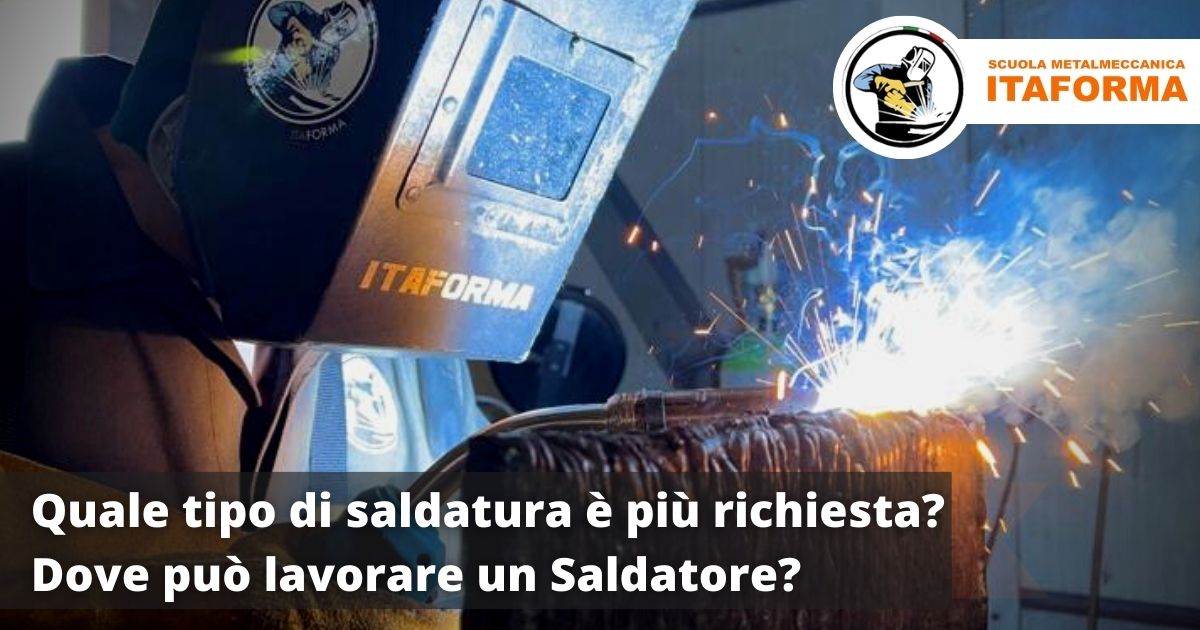
Which type of welding is most in demand? Where can a Welder work?

Do you want to become a professional welder and find employment?

The question you should ask yourself is: what type of welding is most in demand?

Indeed, if you want to have numerous job opportunities, you must first understand which welding types are most sought after in the job market.

Here's our advice: sit down at your PC and search online for available welder job openings, draw conclusions, and you'll understand which types of welders are most in demand by companies, ensuring you make the right choice.

Given our extensive experience in the metalworking sector and Welding Courses, almost half a century of corporate activity in metalworking, we can confidently state that the three most in-demand welding types are:

  1. MIG MAG Continuous Wire Welding
  2. TIG Welding
  3. SMAW Shielded Metal Arc Welding

Almost all companies utilize all three, but they prioritize one over the others based on their specialized metalworking sector. For instance, Carpentry companies primarily use SMAW and Continuous Wire, while Plant Engineering companies predominantly use TIG and SMAW.

Therefore, a Carpentry company will primarily employ Continuous Wire and SMAW welders, while companies that build and install Plants will have more TIG and SMAW welders.

Based on our experience and recent years' statistics, if you must choose only one welding type to learn, we recommend Continuous Wire Welding or TIG Welding, as these are the most sought-after individual types.

If you can choose two welding types to learn, you will double your job prospects. In this case, we recommend the combination of TIG + Continuous Wire or TIG + SMAW.

Naturally, if you have the time and budget to take a course that covers all three welding types, you will have immense job opportunities, as you'll be able to respond to almost all job offers. More importantly, companies are highly inclined to offer permanent contracts immediately, given that only a few welders are proficient in TIG + SMAW + Continuous Wire welding.

We emphasize that even with just one welding type, you will easily find employment and earn a good salary. However, it is clear that by mastering two or even three welding types, you will have more opportunities and command a significantly higher salary.

Curious about welding?

The most widely used welding type globally is SMAW, but it is not the most sought after by companies looking to hire.

So why is it the most widely used and common? Because it is employed by individuals and blacksmiths for household or blacksmithing tasks; it is less frequently used in industrial company processes.

Another variable to consider is the materials and metals to be welded.
Metal welding is a widespread process; every company can perform it using different procedures and technologies based on the required work. The welds will vary aesthetically, and will have different characteristics, costs, and processing times.

Globally, Carbon Steel (commonly referred to as Iron) is predominantly used, so one must absolutely start with that. However, one can then specialize in more valuable materials such as Stainless Steel and Aluminum, which are also highly in demand.

Naturally, the more materials you can weld, the more you will become an expert in your field—a professional who will be better compensated than beginners with limited technical knowledge.

ITAFORMA Welding School offers courses on all welding types

and on all materials most commonly used by metalworking companies, because the School's and our students' objective is to professionalize, certify, and find immediate employment.

Want to learn more? Click here to discover all our ITAFORMA Welding courses

Through the ITAFORMA School, finding employment is easy.

96% of ITAFORMA Metalworking School students typically find employment within one month of completing our Professional Courses for Welders, Pipefitters, and Structural Steel Fabricators.

ITAFORMA boasts an exceptionally high employment rate!

Only a very few vocational schools across all sectors and universities in Italy achieve such a high immediate placement rate for their students.

Why do ITAFORMA students find employment so easily and quickly compared to many others?

This is attributable to several crucial factors that should not be underestimated:

1) Upon completing ITAFORMA training, students are among the best Junior Metalworkers available on the job market, making them highly sought after by metalworking companies.
Why do they become among the best Junior Metalworkers in Italy?
It's simple! They undertake the longest, most rigorous, and most intensive metalworking course available; this makes them exceptionally well-prepared and, consequently, highly sought after by companies seeking welders, structural steel fabricators, pipefitters, assemblers, and metalworkers in general.

2) Upon completing their metalworking training, students have access to crucial and unique Employment Support Services provided by ITAFORMA School.

That's right, ITAFORMA School has an internal office that acts as an intermediary between its students and industry companies, much like a Specialized Employment Agency.

The service is completely free of charge and connects ITAFORMA students seeking employment with metalworking companies looking for workers.

3) ITAFORMA School has established an extensive Metalworking Network, forming direct collaborations with over 800 Italian and international companies who contact us daily to book and reserve our students.

During the training period, having understood each student's requests and specific aptitudes, we connect each of them with various companies to arrange interviews, practical assessments, or job offers consistently aimed at employment.

What are ITAFORMA School's employment support services?

They are numerous and represent the strength and secret to the success of the School, its students, and ITAFORMA's partner companies.

▸ For our students, we prepare a Metalworker's CV in both Italian and English,

▸ We create Video Resumes for each student during practical training, to be sent to company production managers,

▸ We provide a contact list of at least 50 Companies actively seeking welders,

▸ We put them in direct contact with company managers,

▸ We arrange interviews and practical work assessments.

These are ONLY some of the Employment Services we provide, enabling our students to receive concrete job offers from across Italy.

And it doesn't end there... there's another percentage that concerns us and which we consider very important!

In fact, in the last year, ALL of our students (100%) who completed one of our Electrode Welder – TIG Welder – MIG/MAG Welder – Pipefitter – Metal Fabricator courses, and who had their own transportation and were willing to relocate if necessary, received at least 2 job offers from our partner companies.

We are proud of our work and strive to improve continuously, day after day, by meeting the needs of Students and Companies, constantly updating our training programs with cutting-edge technology and innovative work techniques most sought after by companies.

Answering the initial question: is it easy to find a job through ITAFORMA school? The answer is “absolutely YES!”

The job search, practical assessment, and start of employment for each of our students are very simple, fast, and immediate! See for yourself!

Learn more about our training courses for Welders – Industrial Pipefitters – Metal Fabricators – Mechanical Technical Drawing

Read our students' testimonials!

Watch ITAFORMA School's Videos

ITAFORMA only issues internationally valid Welding Certificates.

Ours are not mere certificates of attendance, but officially recognized Welding Certificates.

What is the difference between a CERTIFICATE OF ATTENDANCE and a WELDING CERTIFICATE?

There are many welding training courses in Italy, and there is often much confusion when seeking valid and clear information on welding courses, certificates, and qualifications.
Unfortunately, many aspiring welders do not know the difference between Certificates of Attendance, Certifications, and Welding Certificates, and they are not careful about the offerings of various Welding Schools.

That's why we have prepared a guide for future aspiring welders.

Let's start with the most important point: an aspiring welder should aim to be certified with a significant Welding Certificate that is valid and internationally recognized according to UNI EN ISO 9606.
The various Certificates of participation, attendance, or competence hold no recognized value for companies and European states.
Unfortunately, most metalworking and welding schools in Italy do not issue Welding Certificates, but merely certificates of attendance.

For metalworking companies across Europe, since 2014, it has been mandatory to employ qualified and certified welders holding UNI EN ISO 9606 Welding Certificates. This is because it is essential for companies to use only specialized and trained personnel for metalworking processes involving products that will come into contact with people.

These are, after all, rules that apply across all sectors: a doctor requires a medical degree, an engineer an engineering degree, and so on.

For aspiring welders seeking a welding course, it is crucial to demand from the school that a welding certificate be issued at the end of the training. This is because the welding certificate is the first thing companies request when hiring a welder, especially a junior welder with their first experience.

Yes, exactly. Companies evaluating a new “Junior” welder cannot assess them based on their resume, as they will not have demonstrable welding experience. Therefore, the first thing they ask is whether the candidate holds a Welding Certificate.

Why do companies or employment agencies ask candidates if they possess a Welding Certificate?

Because the Welding Certificate demonstrates and certifies that, at least once, the candidate has proven during an examination and in front of a recognized inspector that they can weld proficiently and without defects, and that the welded piece has been inspected externally visually and internally through destructive or radiographic testing, etc.

For these very reasons, it is crucial to demand from a Welding School adequate preparation to pass and obtain a Welding Certificate, rather than a useless Certificate of Attendance.

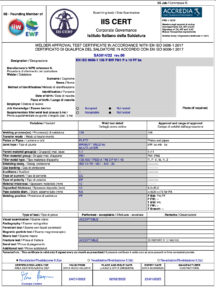
The Welding Certificate is not issued by the Welding School; the Welding School conducts the course and prepares you for the exam. It will then be an accredited Certification Body Accredia that issues the certificate through the School upon successful completion of the examination.

One should always ask schools if the course price includes the exam and welding certificate, or only a certificate of attendance.
One must also be wary of schools that tell you they will let you take the welding certificate exam after the course, but without a structured and adequate course, you might not pass it... and in the end, you will only have a certificate of attendance.

Therefore, it is essential to find a Welding School that takes responsibility, confident that its training program will enable you to pass the exam.

And what happens if you don't pass the exam?

A good Welding School, confident in having designed a course to ensure exam success, takes responsibility and allows you to retake the exam for free until you pass. However, very few schools in Italy offer this.

Fortunately, to pass the Welding Certificate exam, there are no recommendations; one must perform a genuine practical welding test in front of an Inspector from a Certification Body external to the School.

It can happen that a student is nervous during the exam and fails the test, but if they are well-prepared after a good welding course, they will almost certainly pass on the second attempt.

Another very important thing for a student to ask and evaluate is to know which Certification Body the School proposes for the issuance of the Welding Certificate.

It is essential that the certifying body is accredited by ACCREDIA, but it is also important that it is a well-known and recognized body by companies in the metalworking sector.

The most famous and recognized Welding Certification Bodies in Italy are:

  • Italian Institute of Welding (IIS)
  • RINA Spa (not to be confused with similar names)
  • Bureau Veritas
  • TUV

Therefore, we recommend only Schools that guarantee you obtain a welding certificate with one of these certification bodies, not because there aren't other accredited ones, but simply because, being the most recognized, metalworking companies immediately acknowledge the value of the certification when you present it.

Are all Welding Certificates the same?

No, the more challenging the examination test taken by the welder, the more significant the certificate, as the certificate specifies the examination test you have taken and passed.

To simplify, if you take a simple exam, we could define it as a basic beginner's certificate; if you take a complex exam, then it will be a significant and comprehensive certificate; for example, a highly respected certificate is for “in-service piping in 6G position with radiographed welding”.

In summary, to avoid wasting time, when requesting information, we advise you to:

  1. ask if the Welding Schools guarantee the issuance of the Welder's Certificate
  2. if the issuance of the certificate has an additional cost compared to the course price
  3. which Certification Body issues the certificate
  4. in which welding position it is issued to you.

The welding school ITAFORMA offers only professional welding courses, designed for employment, with the issuance of an internationally recognized Welding Certificate, in accordance with UNI EN 9606 standards.

Itaforma issues Certificates only from the best and most renowned Welding Certification Bodies: IIS, RINA, TUV, and Bureau Veritas.

At ITAFORMA, if a student, for any reason, does not pass the exam, they can retake it Free of charge as many times as necessary until they succeed.

ITAFORMA - Metalworking Welding Courses | RINA Welder Certification | ItaForma School | Welding Course ITAFORMA - Metalworking Welding Courses | Italian Welding Institute Certification | ItaForma School | Welding Course

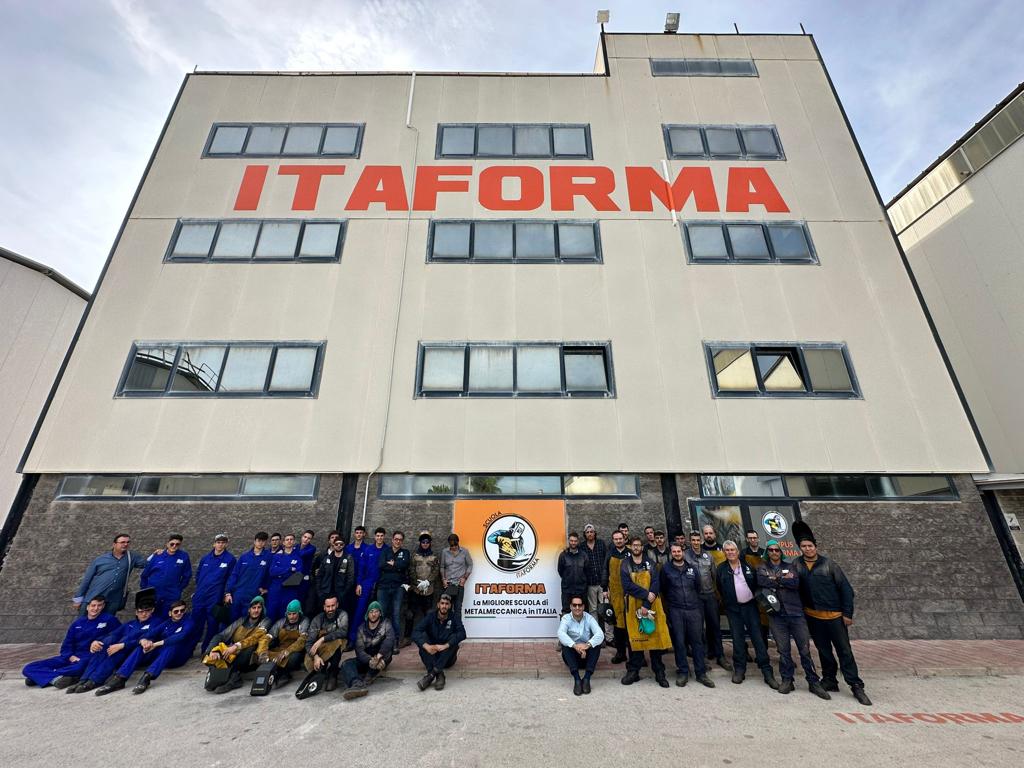
ITAFORMA: Europe's largest Metalworking Campus.

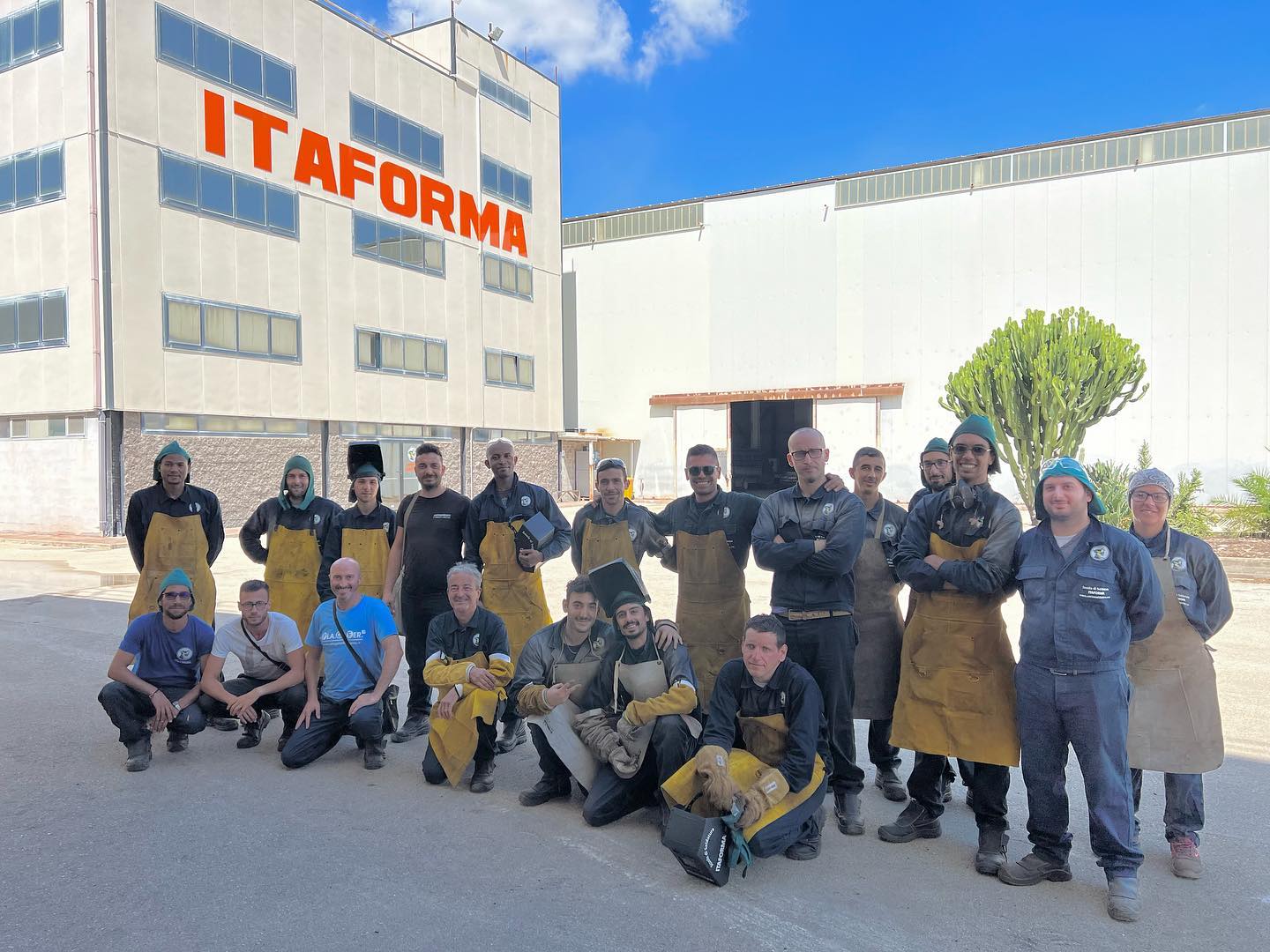
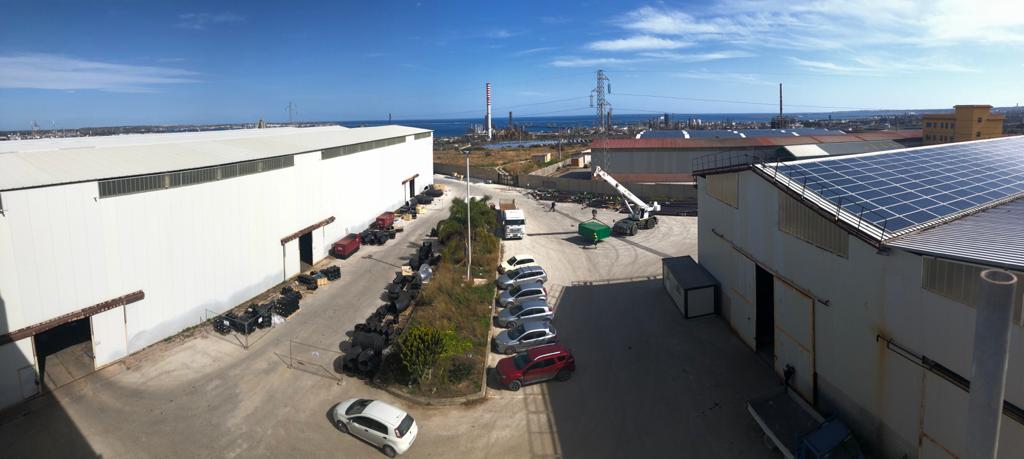
ITAFORMA is the school that boasts Europe's largest Metalworking Campus.

Just like the most prominent universities, ITAFORMA has a Campus where students come and experience a comprehensive training program aimed at specialization and immediate employment.

The ITAFORMA Metalworking Campus is attended by students from all over Europe.

The ITAFORMA Welding Campus features 16,000 square meters of covered production workshops, approximately 10 times larger than standard welding schools found in Italy.

The workshops at the ITAFORMA Welding Campus are exceptionally well-equipped with significant metalworking machinery (more than 100 welding machines, calenders, laser cutting, plasma cutting, lathes, drills, guillotine shears, band saws, submerged arc welding machines).

No other metalworking school in Europe has such extensive equipment available for conducting training courses.

ITAFORMA students experience full campus life, as they receive free board and lodging for the entire duration of the course.

Services included for those who choose Campus training: 

  • Vitto ed alloggio gratuiti per tutta la durata del corso
  • Mensa gratuita con scelta giornaliera dei pasti di proprio gradimento (colazione – pranzo – cena)
  • Area relax comune con TV, Sky e biliardino
  • Internet WiFi gratuito 
  • Possibilità di fare Sport con calcetto e basket 
  • Possibilità di organizzare barbecue di gruppo
  • Disponibilità di Lavanderia aperta e gratuita
  • Spogliatoi con armadietti privati
  • Classrooms for theoretical courses and meeting rooms
  • Servizio gratuito di navetta andata e ritorno da Aeroporto – Stazione Treni/Bus al Campus ITAFORMA
  • On weekends, when courses are not held, students are accompanied by shuttle bus to visit towns adjacent to the Campus.
  • Biancheria inclusa: lenzuola – federe – coperte – asciugamani
  • Abbigliamento tecnico di lavoro da utilizzare durante i corsi 
  • Supporto sul posto per qualsiasi tipo di esigenza

Our Metalworking training Campus offers students the opportunity to learn optimally, optimizing training times always aimed at obtaining the Welding Certificate.

Our welding training courses can be conducted year-round.

Itaforma Welding Campus