Welding Course for Female Welders – Welding Woman

Welding Course for Women – Welding Woman

WOMEN IN WELDING

Can the role of a welder also be filled by women? Absolutely yes!

This outdated stereotype is being disproven by the increasing number of women who are eager to learn and pursue this profession.

The ITAFORMA Welding School offers professional welding courses for Women who wish to pursue a career in the metalworking industry.

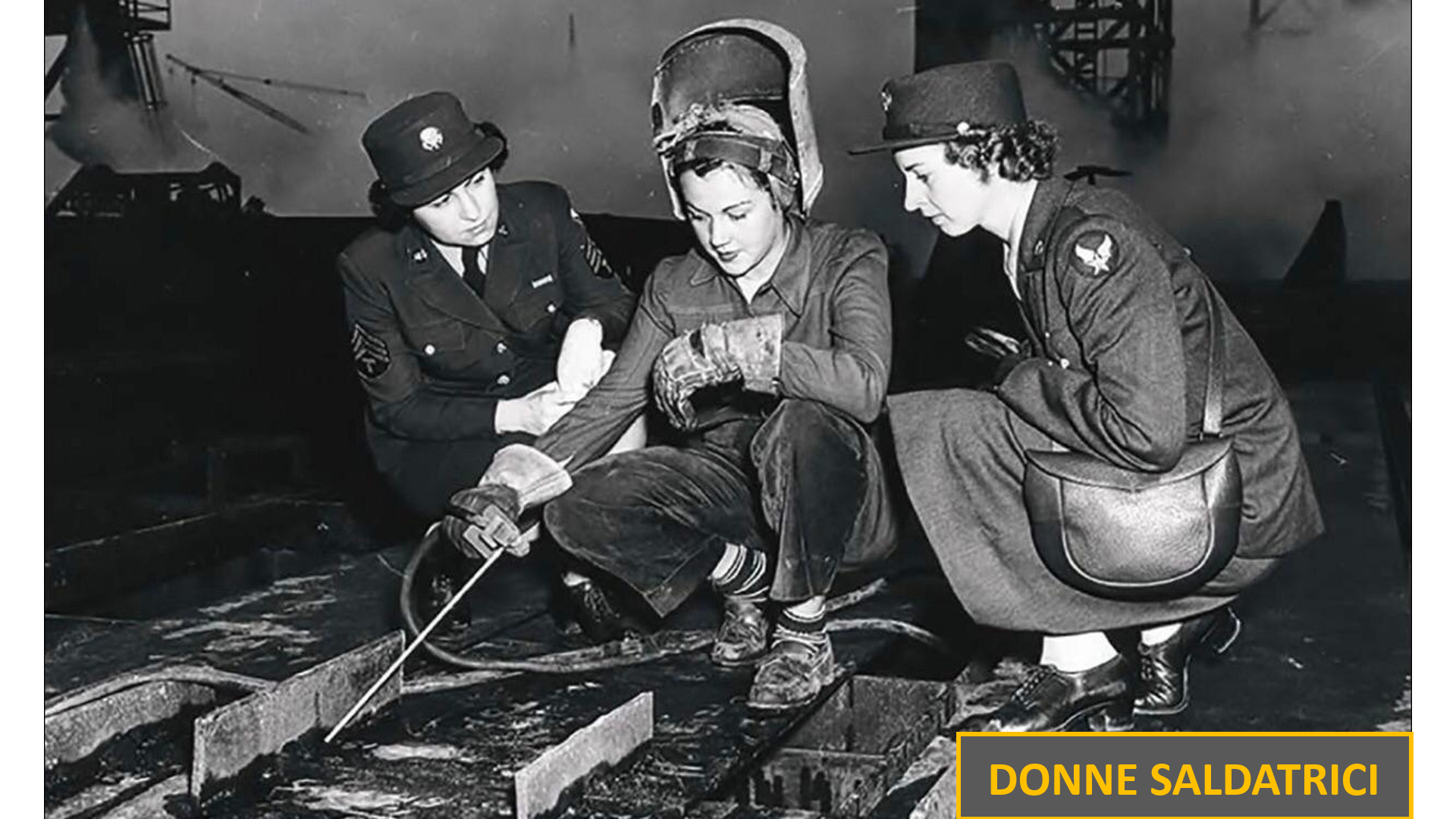
It should not be forgotten that welding is a role women have held in both World Wars, during which the absence of many men called to combat led to an increase in the number of women in the metalworking and metallurgical sectors. This therefore led women to fill roles such as welders and mechanics as early as 1914.

For example, as seen in the photo below, during World War II, women in the United States worked in the construction and repair of ships used in the second war.
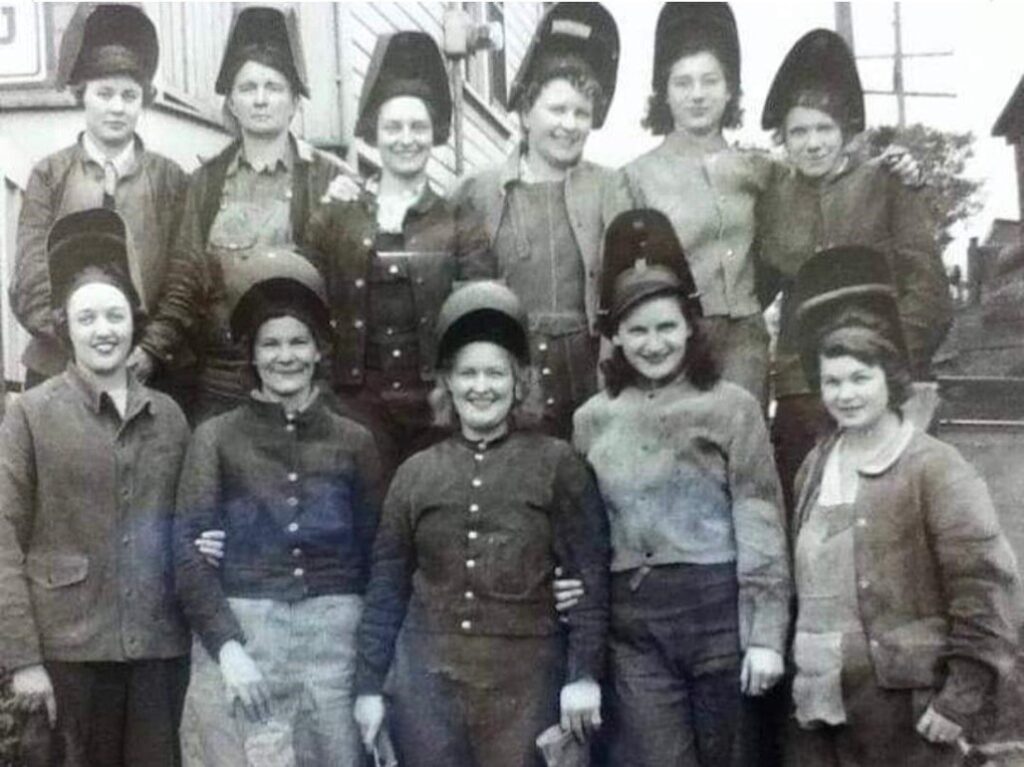
Women in Welding

Women in Welding

It is therefore not surprising that today more and more women want to engage in more practical and manual work, and thus demonstrate their ability to overturn the stereotypes of a society that has always insisted on portraying the world of welding as a male domain.

It is true that in factories and vocational schools, women are often a minority, but this is due to an outdated view of the world of work and training.

A society that insists on thinking of and portraying the world of factories, construction, and manual labor as a male domain is an exclusionary society.

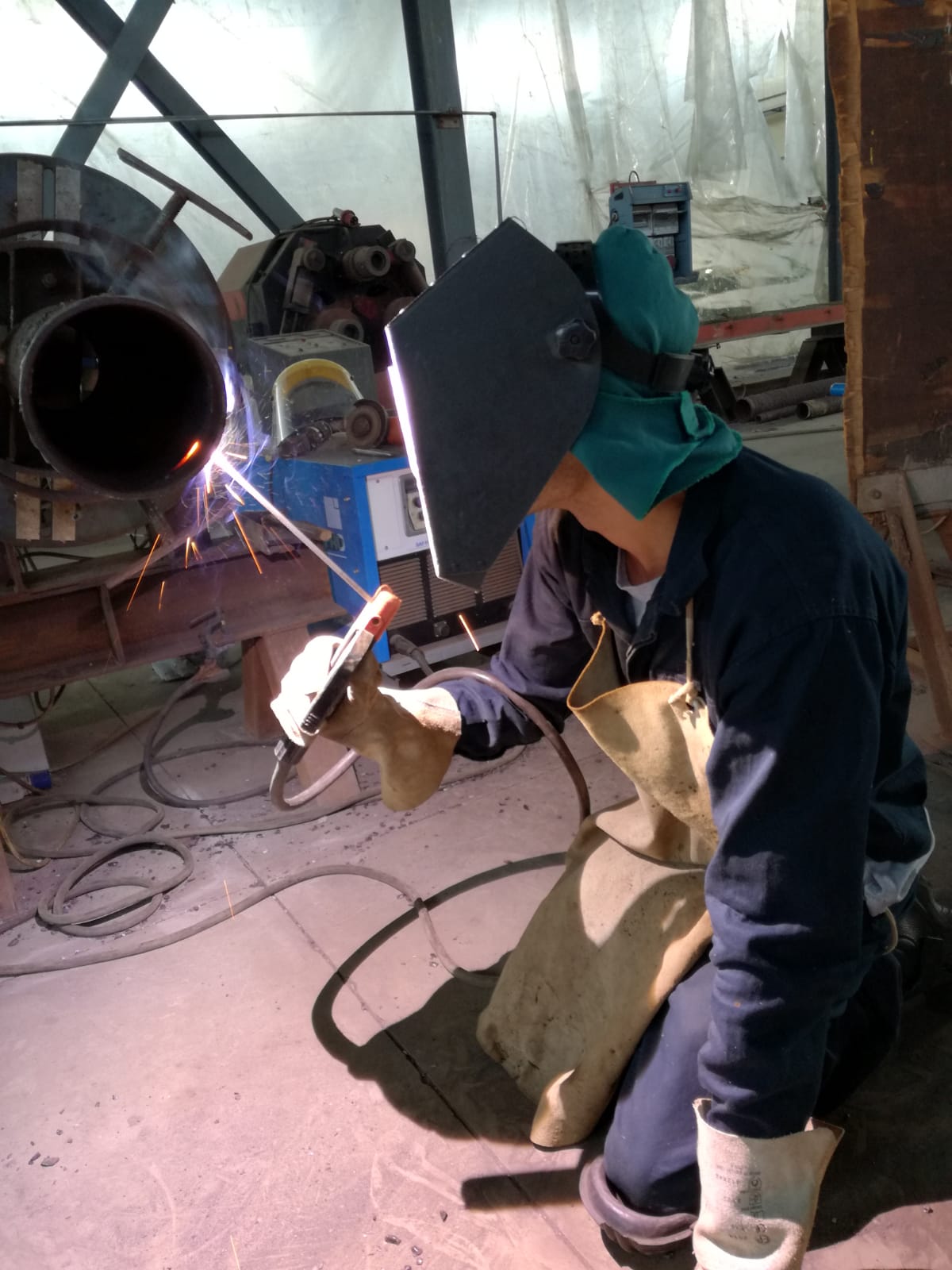
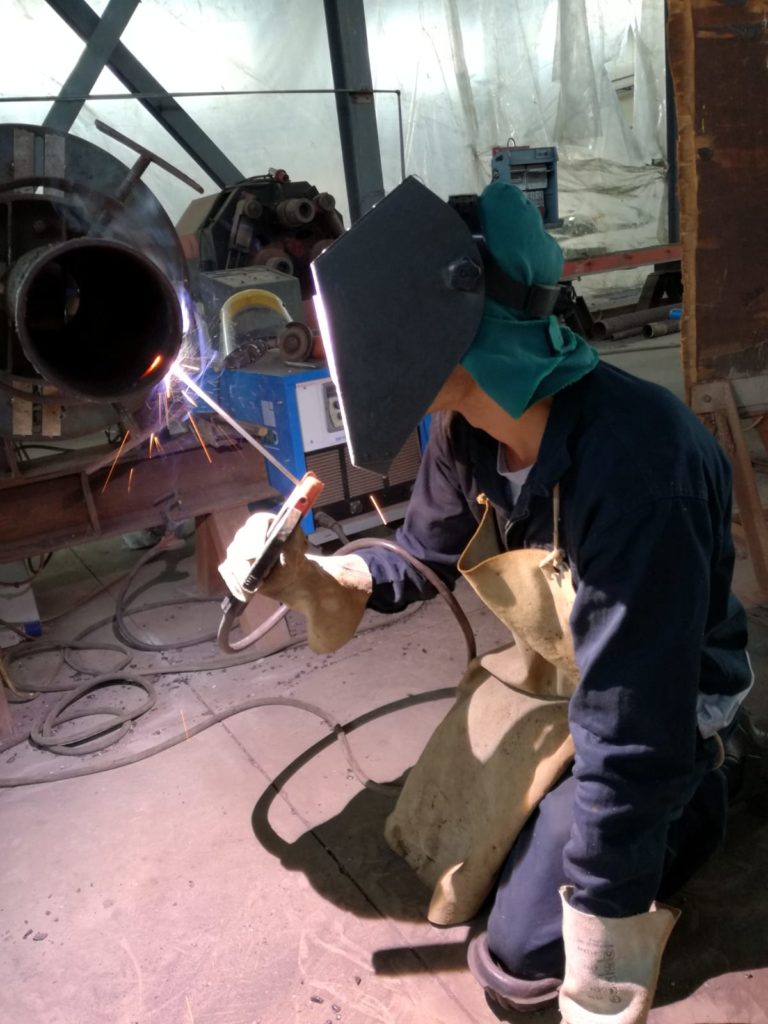
In the photo below, one of our students, who, through the Welding Course for Women, has become a professional welder working worldwide.
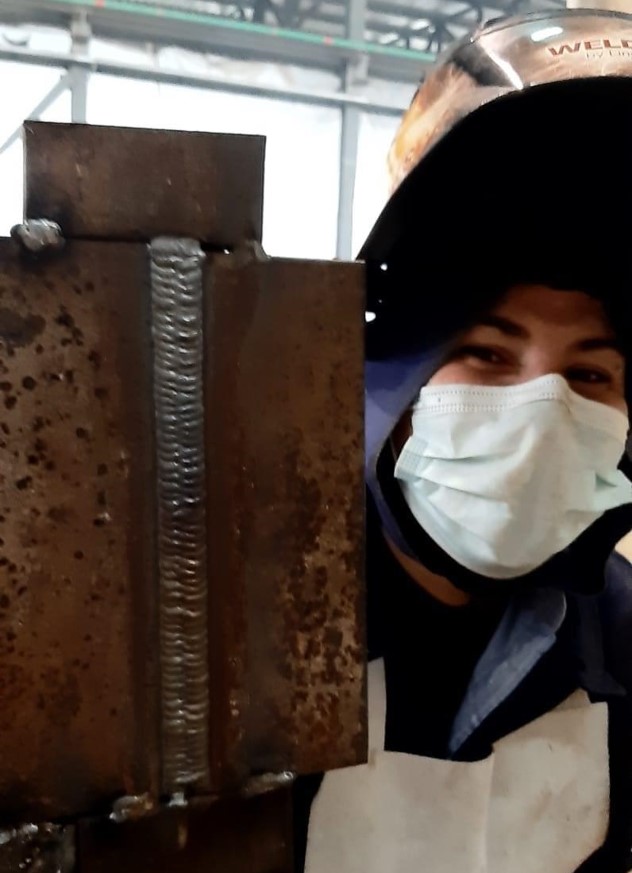
ItaForma Welding Course for Women

Jobs for Women Welders

More and more companies are aiming to increase female presence in functional and production areas such as welding, and are increasingly seeking women welders who demonstrate high professionalism, commitment, and precision in the workplace. 

Furthermore, what makes women perfect for learning any type of work, in this specific case that of a welder, is their eagerness to learn and improve.

Regardless of gender, welding is a highly sought-after and well-paid profession.
Industry research shows that women welders are often even better paid than men, precisely because they are so rare.

The ITAFORMA Welding School aims to redefine the rules of the game.

We hope that the number of women welding students will continue to grow, thus overturning old beliefs about a profession traditionally dominated by men.

Welding Course for Women – Welding Woman
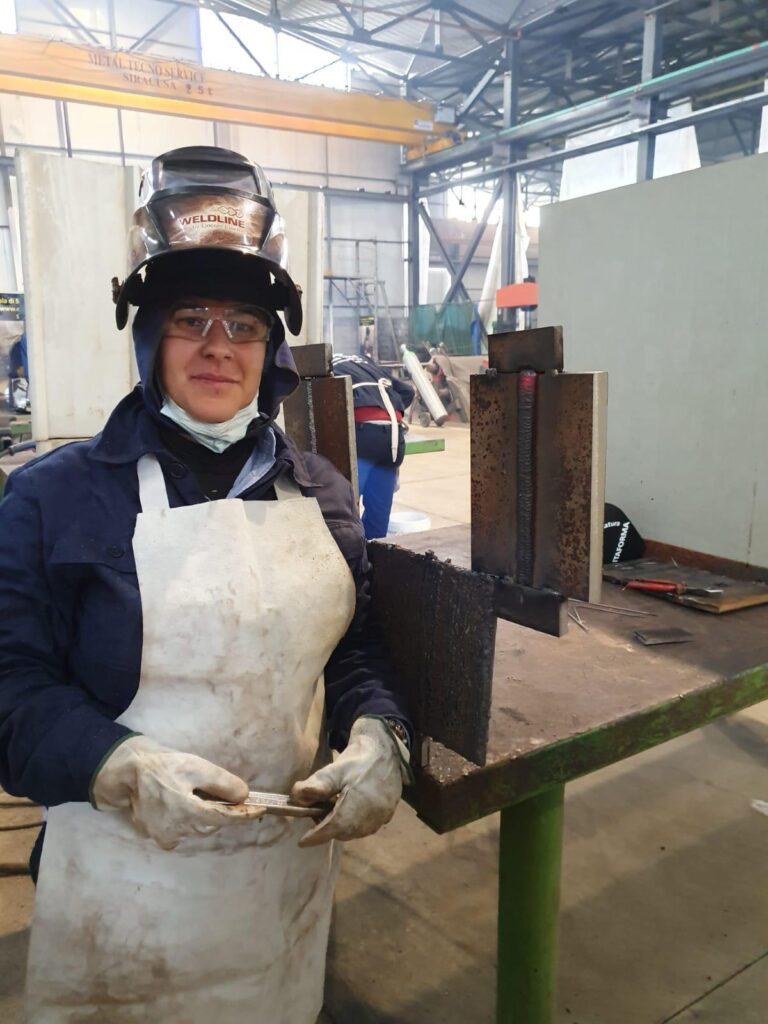
Itaforma Welding School for Women

ItaForma - Welding School also for Women

The ItaForma Welding School offers professional welding courses for women, with the issuance of an International Welding Certificate valid worldwide.

Many of our students have trained in our metalworking workshops and now work for the best companies worldwide. We offer theoretical and practical courses that prepare you to become a woman welder ready for the professional world.

At the end of the welding course, we provide our women welders with job search assistance, connecting them with the best companies in the industry to perform welding tests. 

We offer the following metalworking courses:

– TIG GTAW Welding Course

– Continuous Wire Mig Mag Welding Course

– SMAW Electrode Welding Course

– Mechanical Technical Drawing Reading Course

– Industrial Pipefitter Course

Our metalworking courses for women are held at our production facilities in various Italian provinces.
The courses are intensive, highly practical, and professional, with 8 hours of daily practice/welding from Monday to Friday.

At ITAFORMA, we take care of everything, including board and lodging for the entire duration of the course. Join us at one of our locations where you can acquire all the knowledge and skills, welding techniques, and processes that will lead you to obtain your Welding Certificate and then embark on a professional career in the metalworking industry. 

you learn to weld, obtain your welder's certificate, and return ready to work as a welder.
A photo gallery of some of our
ItaForma Women Welders

Submerged Arc Welder

Submerged arc welding

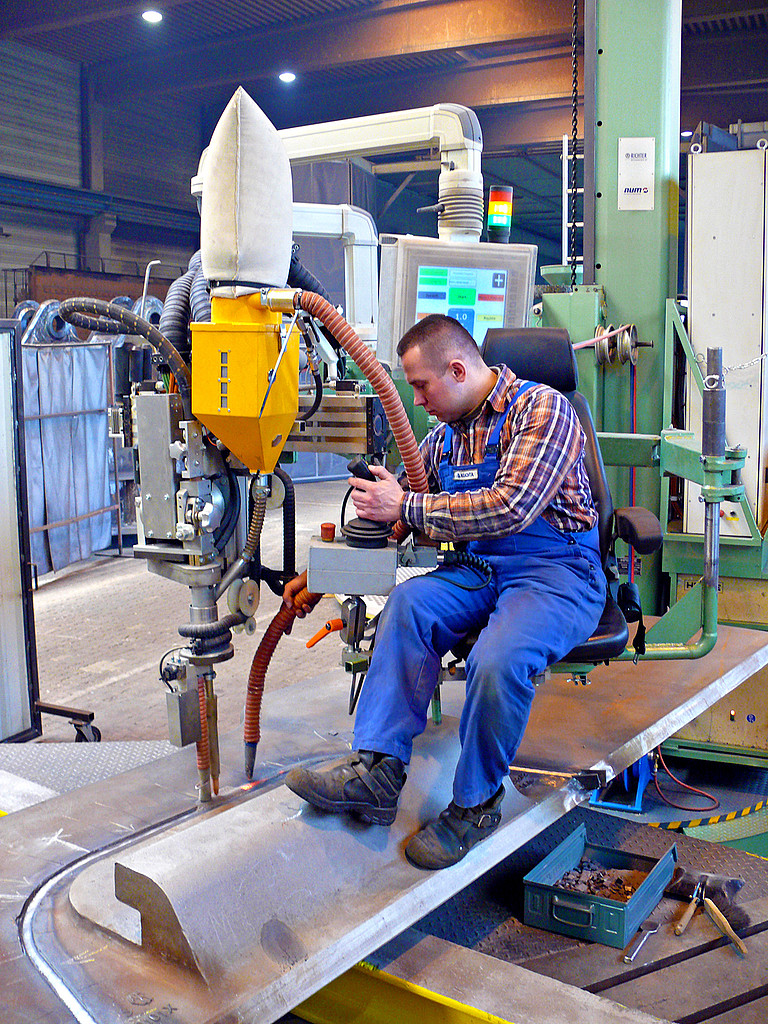
The submerged arc welding process, conforming to EN ISO 1-121, transforms the traditional welder's role into that of a specialized machine operator.

Submerged Arc Welding enables a significant material deposition per welding pass, thereby considerably reducing welding times. Unlike other welding processes, no gap (air) is left between the two parts to be welded (joints); instead, the machine's penetration power from one side, followed by the back gouging from the other, ensures the complete welding of the joint.

Submerged Arc Welding Course

The submerged arc welder, as is evident, becomes a highly specialized machine operator; very few in Italy are capable of operating this machine, despite it being a highly sought-after role in the job market. Our Submerged Arc Welding Course enables you to become a submerged arc welding specialist, capable of precisely adjusting, operating, mastering, and controlling this particular welding machine. At the end of the welding course, you will take an exam, and upon successful completion, we will issue the Submerged Arc Welding Certificate from the Italian Welding Institute.

Submerged arc welding school

Our Submerged Arc Welding School is the only one in Italy to train highly specialized welders, ready to work in companies, starting from scratch.

Submerged arc welding machine

The submerged arc welding machine is composed as follows: a current generator of at least 1000 amperes is mounted at the base of a "manipulator," which is a metal arm with vertical and horizontal movement. The manipulator is mounted on a swivel base, usually manual. The vertical arm, at its extreme tip, holds a small hopper containing the "welding flux," which, thanks to a diffuser, ensures the flux is deposited on the joint/workpiece to be welded.
Behind the hopper, a wire feeder spool is positioned, where the wire coil (electrode) is placed to continuously feed the weld.
The submerged arc welding machine, complete with all the aforementioned parts, is mounted on a carriage with iron wheels that moves on rails. This allows for the machine's movement, which, in the case of horizontal welding, will advance at the speed programmed by the submerged arc welder. The welding machine, thus equipped and expertly operated by a skilled submerged arc welder, deposits the filler metal into the joint/workpiece with extreme precision.
The submerged arc welding machine works in conjunction with an essential piece of equipment: the turning rolls, a rotating machine where the workpiece to be welded is positioned. The turning rolls will be programmed in sync with the advancement of the submerged arc welding machine, ensuring that the weld deposition in the joint is automatic and linear.

Unlike other welding processes, no welding flash will be visible because the molten pool will be entirely submerged by the flux. This flux serves the dual function of acting as an antioxidant and simultaneously imparting specific properties to the weld pool for the particular application. The turning rolls will rotate at the speed predetermined by the submerged arc welder, while the wire will emerge from the welding machine's nozzle, and by short-circuiting within the joint, it will initiate the weld deposition. 

For more information on the submerged arc welding course offered by our welding school, please do not hesitate to contact us. 

Electric Welder Course

Welding Courses Catania

Electrode Welder Course

Our Welding School's Electric Welder Course

Article Author: Mimmo, Senior Welding Inspector, Metalworking Specialist. 

The question most frequently asked by those interested in our courses is:

Which welding course should I choose?

At our welding school, we teach 4 types of welding:

1) Shielded Metal Arc Welding (SMAW) / Electric Welder,

2) Wire Welding (MIG/MAG),

3) TIG Welding (GTAW) / Argon Welder,

4) Submerged Arc Welding (SAW),

Today, I will discuss the first course, Electric Welder, also known as Electrode Welder Course (with code SMAW or n°111).

This type of welding is one of the most widespread globally and allows for welding almost all types of ferrous materials.

It is a welding process that occurs via an electric arc, leading to the fusion of a coated electrode and the ferrous material.

Due to its manual nature, the electrode welding process can be used interchangeably on-site in construction/plant environments and in workshops.

Electrode welding is the fundamental basis of all welding processes. Our welding course enables you to understand and teaches you how to weld a full penetration joint with back gouging.

For those unfamiliar with the industry, a joint is the connection area between two pieces that need to be welded. Joints can have various characteristics and shapes, but in all cases, they must be properly inspected and prepared before welding. However, don't worry; we will teach you everything during the course, as we always start from scratch.

The joint to be welded is then positioned and secured vertically on the workbench, subsequently welded for penetration, filling, and finishing, and then back-gouged from the opposite side.

If an error is detected during welding, it is corrected by creating a deep groove using an angle grinder of at least 3-4 mm, thereby removing the faulty weld section and re-welding with greater care. Typically, the root pass is where most defects and impurities of the weld pool are located.

The electrode welding certification requires a welding test/examination, followed by destructive testing of the specimen and radiography. Only upon successful completion of the test will our recognized International Certifying Body partner issue your welding certificate, which will be valid worldwide.

The electrode welding certificate is very comprehensive and certifies you to weld sheet metal from half the thickness of the test/specimen/examination up to double that thickness. Therefore, if you weld a 12 mm thick joint during the certification exam, you will be certified for thicknesses ranging from 6 to 24 mm. You will be certified to perform welds on all types of sheet metal of the aforementioned thickness in carbon steel, on profiles such as IPE, HEA, HEB, UPN, etc., and also on pipes or cylindrical bodies over 500 mm, extending indefinitely to include tanks, etc.

Obtaining this welding certificate is by no means simple or guaranteed; recommendations are not applicable. It will be demanding, requiring many hours of commitment and dedication throughout our course.

The electric welder is a highly sought-after skilled worker (electric welder) in the job market. However, today, many companies, depending on their sector, also require proficiency in TIG/Argon welding (a course I will explain in the next article).

My advice: If you live in an area with numerous companies requiring plant maintenance, specifically plant shutdowns or refinery turnarounds, electrode and TIG welding processes are undoubtedly the most utilized and thus highly demanded by companies. 

In the next article, I will discuss the TIG (argon) process, which is the most comprehensive of our courses.

For more information on our electrode welding course, click here to visit our website page.

Article Author: Mimmo,  Senior Welding Inspector, Metalworking Specialist.