Welding Course: Our Welding School is the oldest in Italy and ranks among the best in Europe. Our Welding Course offers a high-quality training program. This highly practical course is designed to develop you into a skilled welder and help you achieve the International Welding Certification, which is crucial and required because:
It is important not to confuse the Welder Certification with mere certificates, attestations, or patents, which hold no value for employment. When pursuing a Welding Course, it is strongly advised to enroll only in Welding Schools that guarantee and ensure the attainment of this official certification.
Welding is one of the most in-demand and well-compensated professions in the job market. Hundreds of metalworking companies are continuously seeking qualified and certified welders.
Corso MMA SMAW 40h pratica + 10h teoria
Completo MMA SMAW 80h pratica + 20h teoria
+ Saldatrice in omaggio
Corso MMA SMAW 120h pratica + 25h teoria
Corso GTAW 40h pratica + 10h teoria
Completo GTAW 80h pratica + 20h teoria
+ Saldatrice in Omaggio
Completo GTAW 96h pratica + 20h teoria
+ Saldatrice in Omaggio
Completo GTAW 112h pratica + 25h teoria
+ Saldatrice in Omaggio
Corso Mig Mag 40h pratica + 10h teoria
Corso Mig Mag 80h pratica + 20h teoria
Completo Mig Mag 100h pratica + 25h teoria
Corso Mig Mag 116h pratica + 25h teoria
140h practical + 30h theory
180h pratica + 40h teoria
240h pratica + 60h teoria
272h pratica + 60h Corsi Teorici inclusi + Saldatrice in omaggio
140h practical + 30h theory
Corso di 21h in presenza e online.

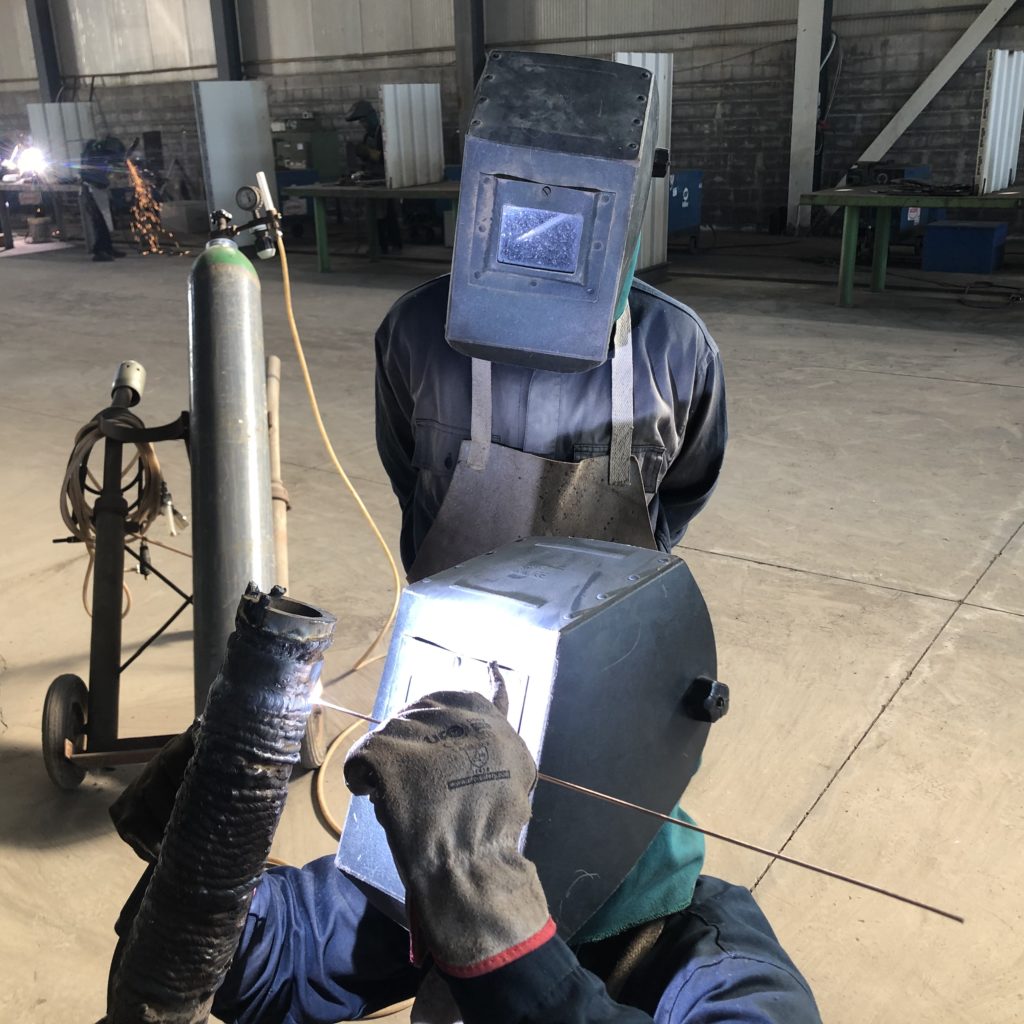
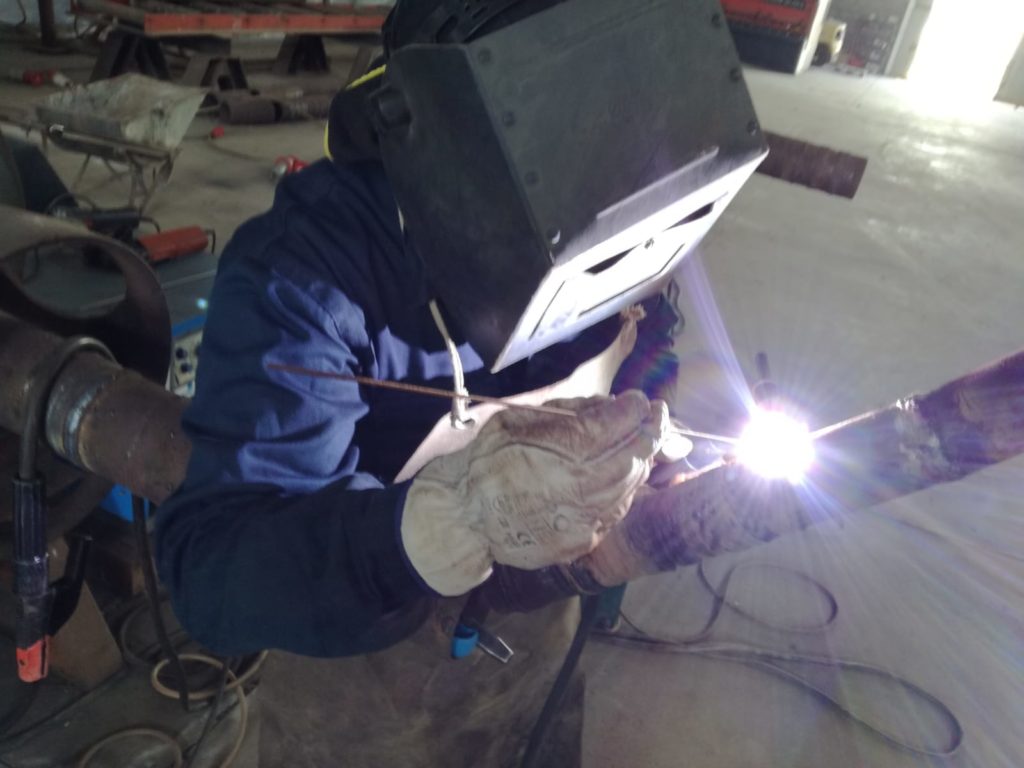
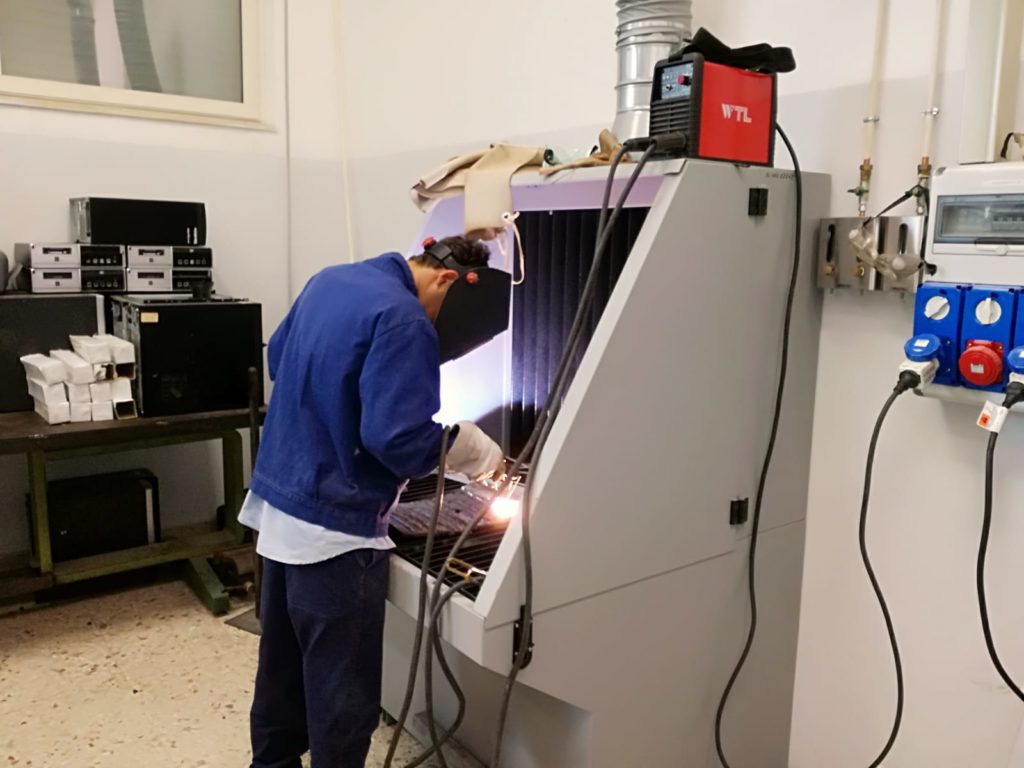
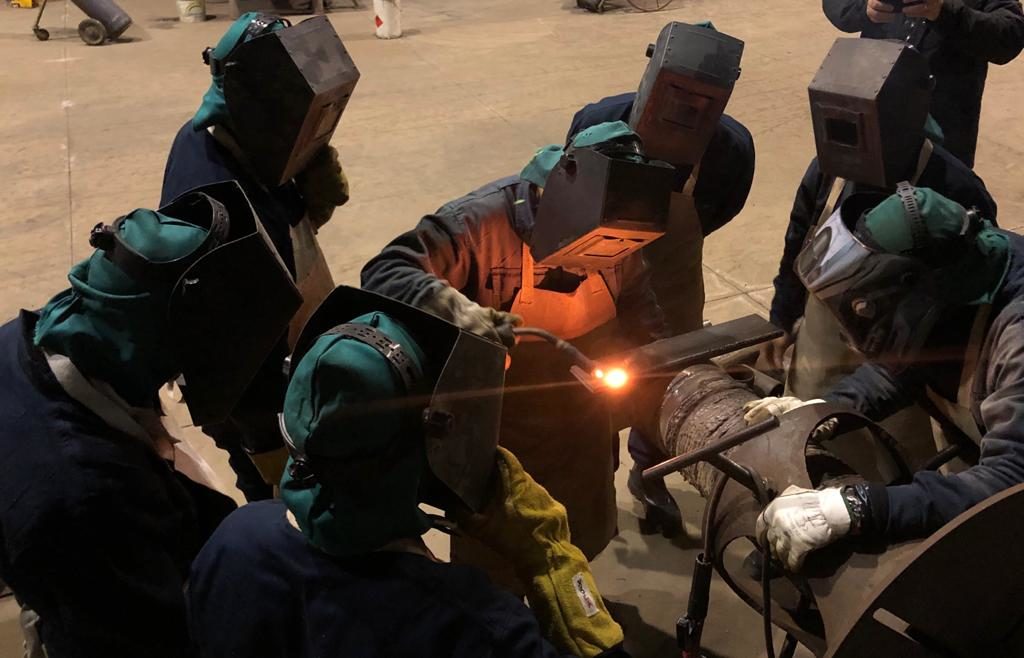
Our welding course is practical and truly teaches you the welding profession. It is not held in a classroom but in a mechanical workshop. You can enroll even without any prior welding experience; we start from scratch. We assure you that after the welding course, you will be a qualified welder and able to confidently enter the job market.

Welding is used in various metalworking sectors, particularly in construction and assembly. It is employed in the construction of high-pressure systems (tanks, heat exchangers, reactors, etc.), for fabricating structural steelwork, iron structures, aircraft, ships, trains, automobiles, food processing machinery, etc. There are numerous applications and companies that require welders in their production processes. Italian companies, in most cases, require prospective welders to possess a Welder Certification, as it is an important guarantee of the welder's quality.
Especially if you are starting from scratch, an excellent Welding Course is the only solution that allows you to become a qualified Welder in a short time.

Upon completion of the Welding Course, you will take an exam to obtain the Welding Certification. An examination board will subject your weld sample to a break test using a press, or radiographs will be performed on the samples to detect any defects in the welds. This exam cannot be influenced by recommendations; only the preparation you acquire during the Welding Course will enable you to pass the test and receive the Welding Certification.
Our Welding School has studied and developed a training program that ensures you will achieve the Welding Certification. We have collected all exam tests conducted over the last 40 years of offering Welding courses, and therefore, during the welding course, we will train you on all potential and possible tests you might encounter on the exam day. Contact us to inquire about the Welder Certification Cost.

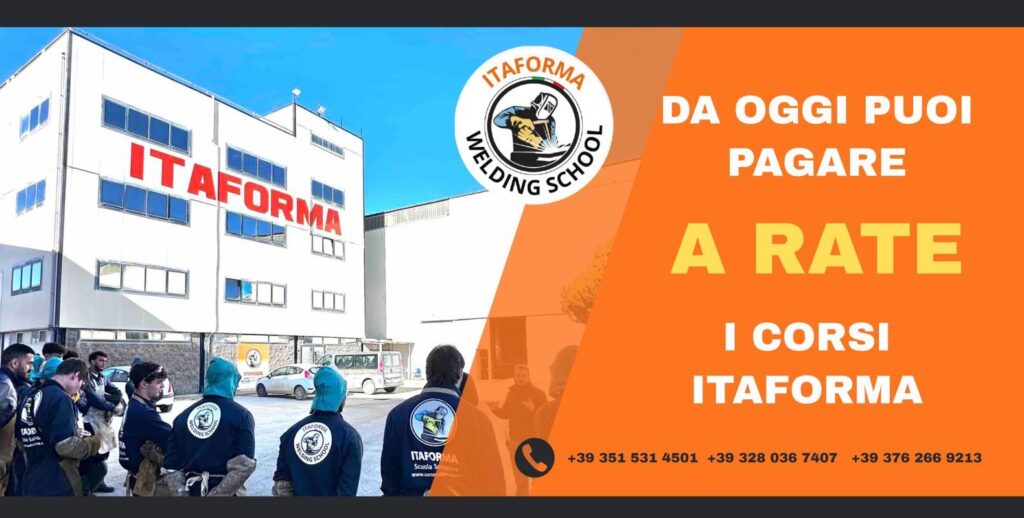
We conduct the Welding Course in various Italian Regions and Cities once a minimum of 5 participants is reached. Call our Welding School to find out when the next Welding Course 2020 near you begins. If you don't want to wait for a course to start in your city, you can choose to attend it immediately at our main facility, a real operational metalworking workshop, where courses run every day of the year. Don't worry if you're not from the area; we provide free board, lodging, and transportation for the entire duration of the course. The intensive welding course includes Welding Lessons lasting between 15 and 30 days, depending on the type of welding you wish to learn. With the intensive Welder Course, you will learn to weld, obtain the International Welding Certification, and be ready for employment.
Welding Course Cost: This depends on your objectives, such as whether you need the Welding Certification, if you are starting from scratch and require the complete course, or if you only need lessons to enhance your skills. Contact us, and we will provide you with the Welding Course Price.


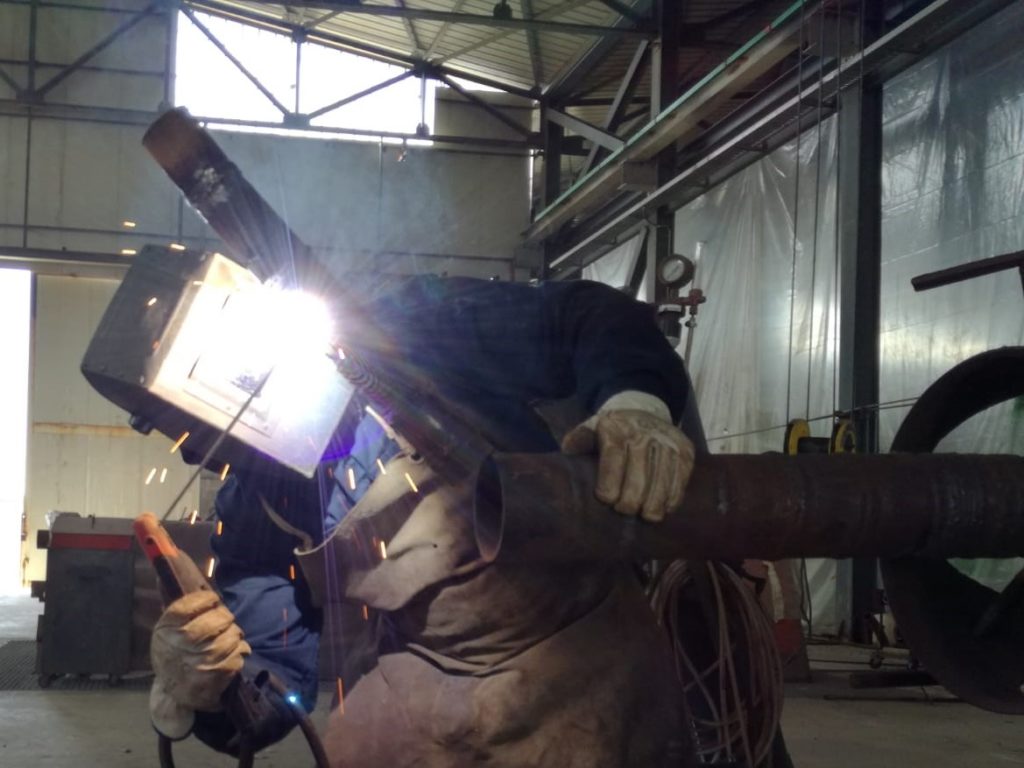
The Shielded Metal Arc Welding (SMAW) Course (also known as code 111) is designed to qualify you as an electrode welder. SMAW is currently the most widespread welding procedure globally, extensively used in construction, building, and for light metal fabrication. During the process, an electric arc is generated between a coated electrode and the workpiece. Molten metal droplets from the electrode are transferred to the weld pool, and gases produced by the coating protect it from the atmosphere. It offers low equipment costs, greater versatility of use, and is also ideal for welding in outdoor construction sites. While it allows welding of almost all ferrous materials, its productivity is lower due to frequent electrode replacement and the need to clean slag from the workpiece.
Our Electrode Welder Course, which includes the Electrode Welder Certification, lasts 80 hours over 15 intensive welding days. For more detailed information on our Electrode Welding Course, please visit our dedicated page → Electrode Welding Course.

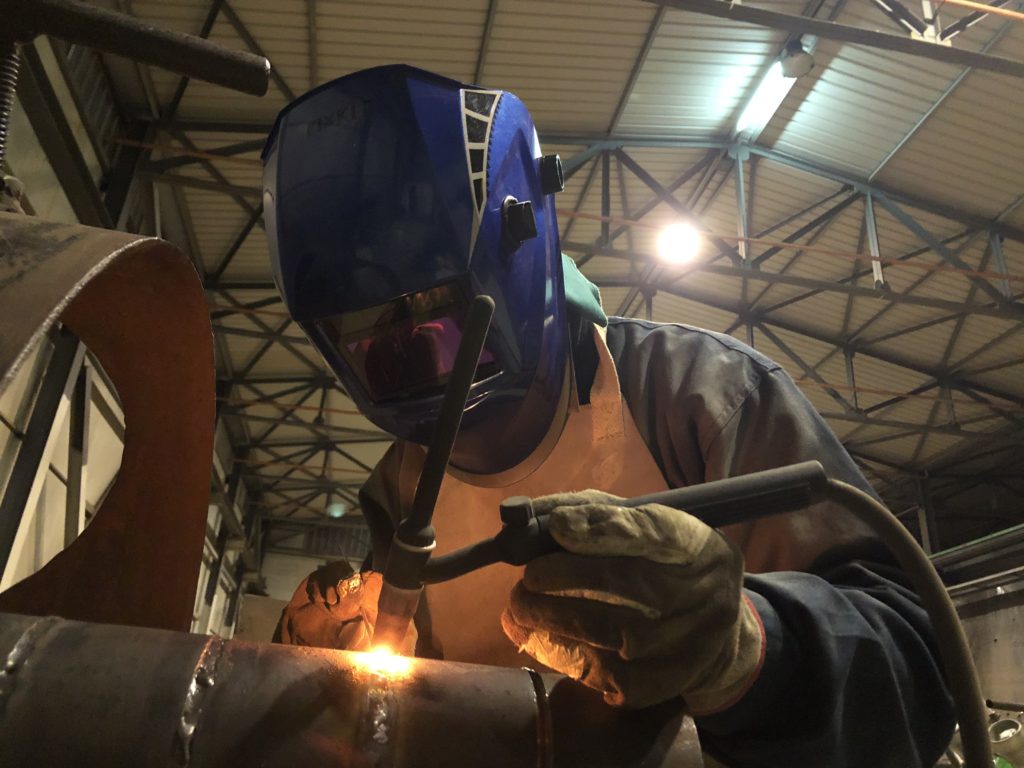
The TIG Welding Course (GTAW): TIG welding allows for the welding of almost all ferrous and non-ferrous materials, producing very high-quality welds free of slag. It is a more expensive process than other welding methods, ideal for welding in workshops and enclosed environments, and not suitable for outdoor construction sites. TIG welding is an arc welding process using a non-consumable electrode under inert gas shielding, which can be performed with or without filler metal. TIG welding is one of the most widespread methods and requires highly specialized operators.
We offer 2 TIG welding courses, both leading to the TIG Welder Certification:
TIG welders primarily perform welding for companies involved in the construction and assembly of energy, chemical, pharmaceutical, food, refinery, oil pipeline, gas pipeline, and aqueduct systems, among others. For more information, visit our page dedicated to TIG Welding → TIG-ARGON welding course.

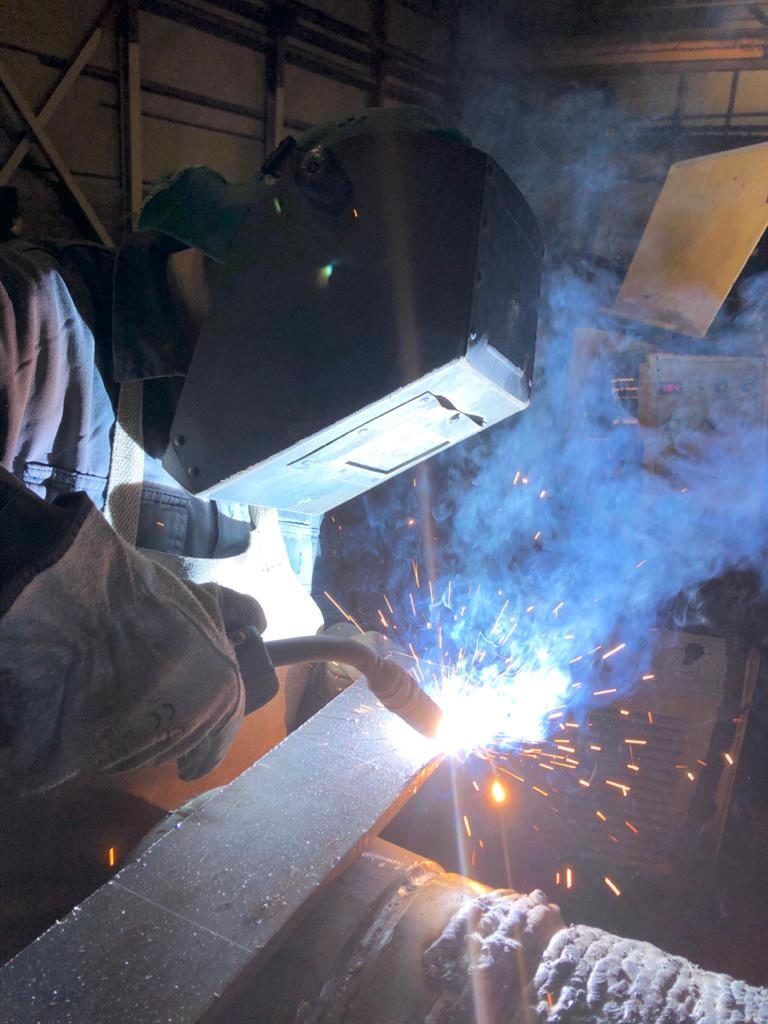
Our Continuous Wire Welding Course MIG MAG qualifies you as a professional welder. Continuous wire welding, also known as MIG (Metal-arc Inert Gas) or MAG (Metal-arc Active Gas), and referred to as GMAW in America, is a welding process where the weld pool is protected by a shielding gas. This welding process was developed after World War II and has gained significant importance in the metalworking industry. Continuous wire welding is an economical, highly productive procedure that does not produce slag. While a continuous wire welding machine is more expensive than an electrode welder, it offers higher productivity because the weld has greater penetration and requires fewer passes to fill the joint.
Continuous wire welding is recommended for workshops or protected environments, as wind disperses the shielding gas essential for quality welding.
Continuous wire welding is widely used in the construction of tanks, structures, heavy carpentry, ships, trains, airplanes, cars, and in the building industry.
Our Continuous Wire Welder Course for Continuous Wire Welding Certification lasts 100 hours, over 20 intensive welding days. If you need more detailed information about our continuous wire welding course, visit our dedicated page → Continuous Wire Welding Course.
Fill out the form with your details, and our School will contact you shortly to provide all the information you need.

Welding is the process that joins two separate pieces into a single unit.
Welding can be performed using various processes and equipment, depending on the specific project requirements.
Before commencing welding, the essential activity of chamfering must be performed, which involves preparing the two edges of the joint to be welded.
If the two edges of the joint are heated to the point of fusion with each other, with the addition of a homogeneous material, it is called Autogenous Welding. Whereas if a heterogeneous filler material is melted onto the two edges of the joint, it is called Heterogeneous Welding.
For a perfect weld, the joint to be welded must be protected from oxidation and slag by depriving it of oxygen.
For more complex welding operations, heat treatment is typically performed to relieve internal stresses caused by the cooling of the workpiece after welding.
Modern welding machines allow for the welding of numerous materials: steel, aluminum, copper, cast iron, etc.
Welding can exhibit defects, which may be caused by various factors: the welder, the materials used, or the techniques employed. Among the common welding defects are: Undercuts, cracks, lack of fusion, blowholes, porosity, lack of penetration, etc.
Contact us to enroll in our Welder Course and obtain your Welding Certifications.
You cannot copy the content of this page!