TIG Welding: Principle and Applications

TIG welding is a highly valued technique across various industries due to its precision and versatile applications.

A welder mastering this method must combine skill, experience, and knowledge of materials.

The technique allows for welding different metals such as aluminum, stainless steel, and titanium. In this article, we will explore the basic principles of TIG welding, the influencing parameters, and its various applications.

Principle and Functioning of TIG Welding

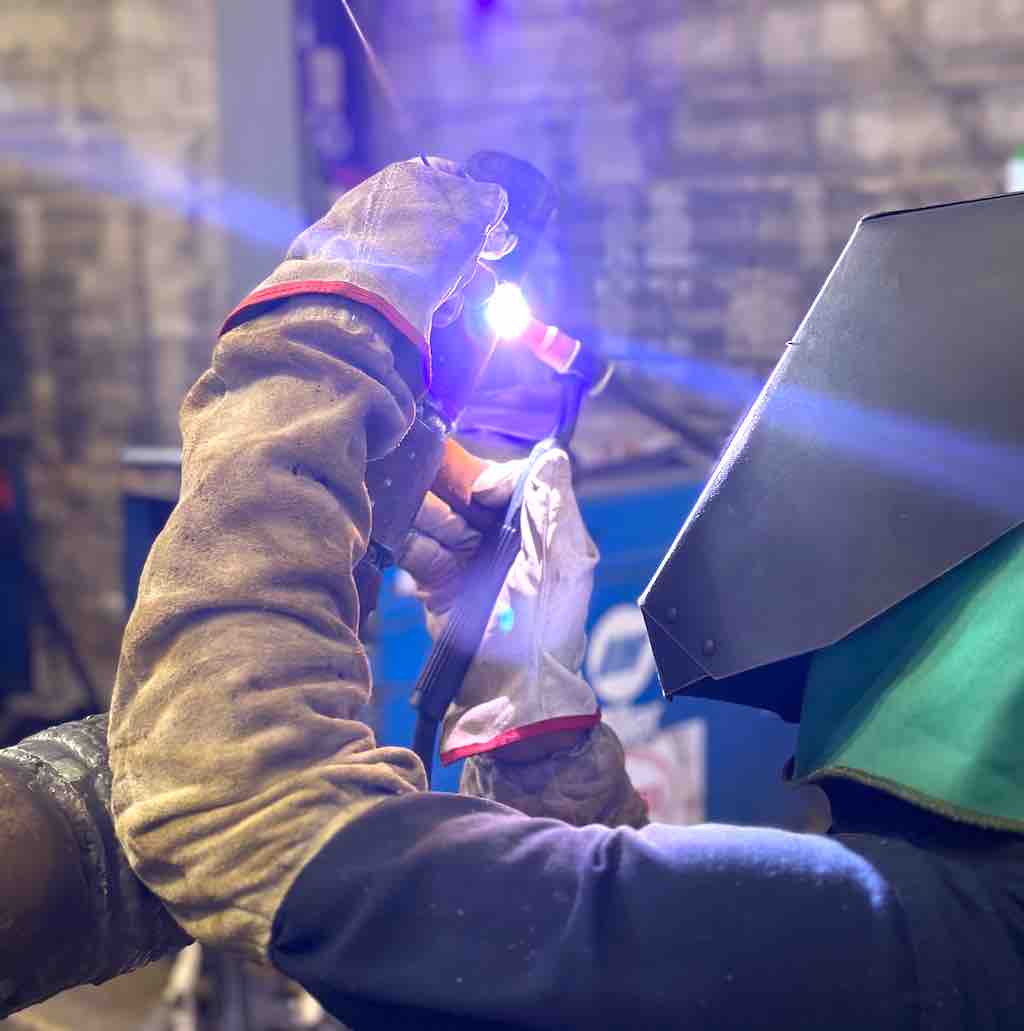
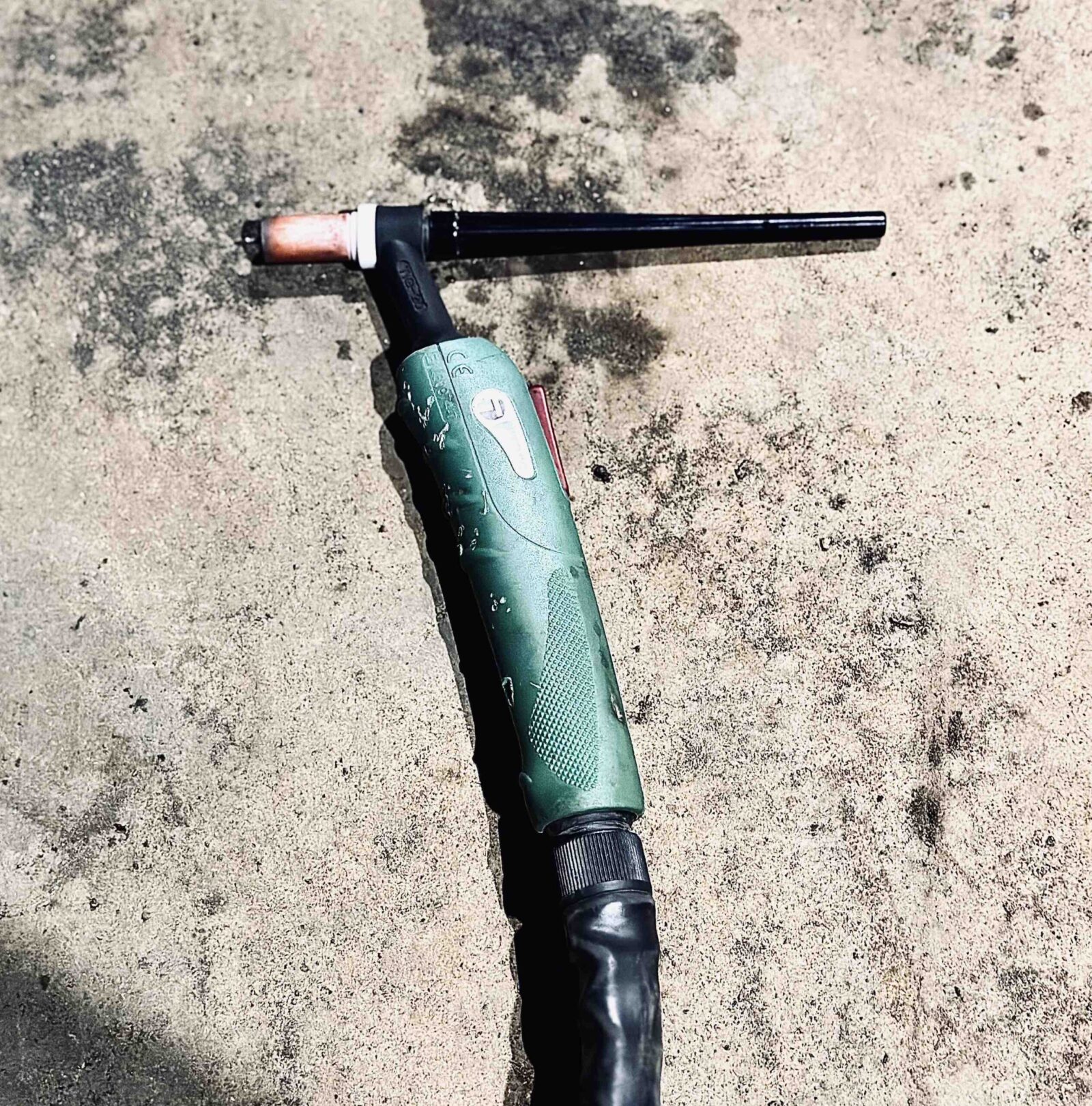
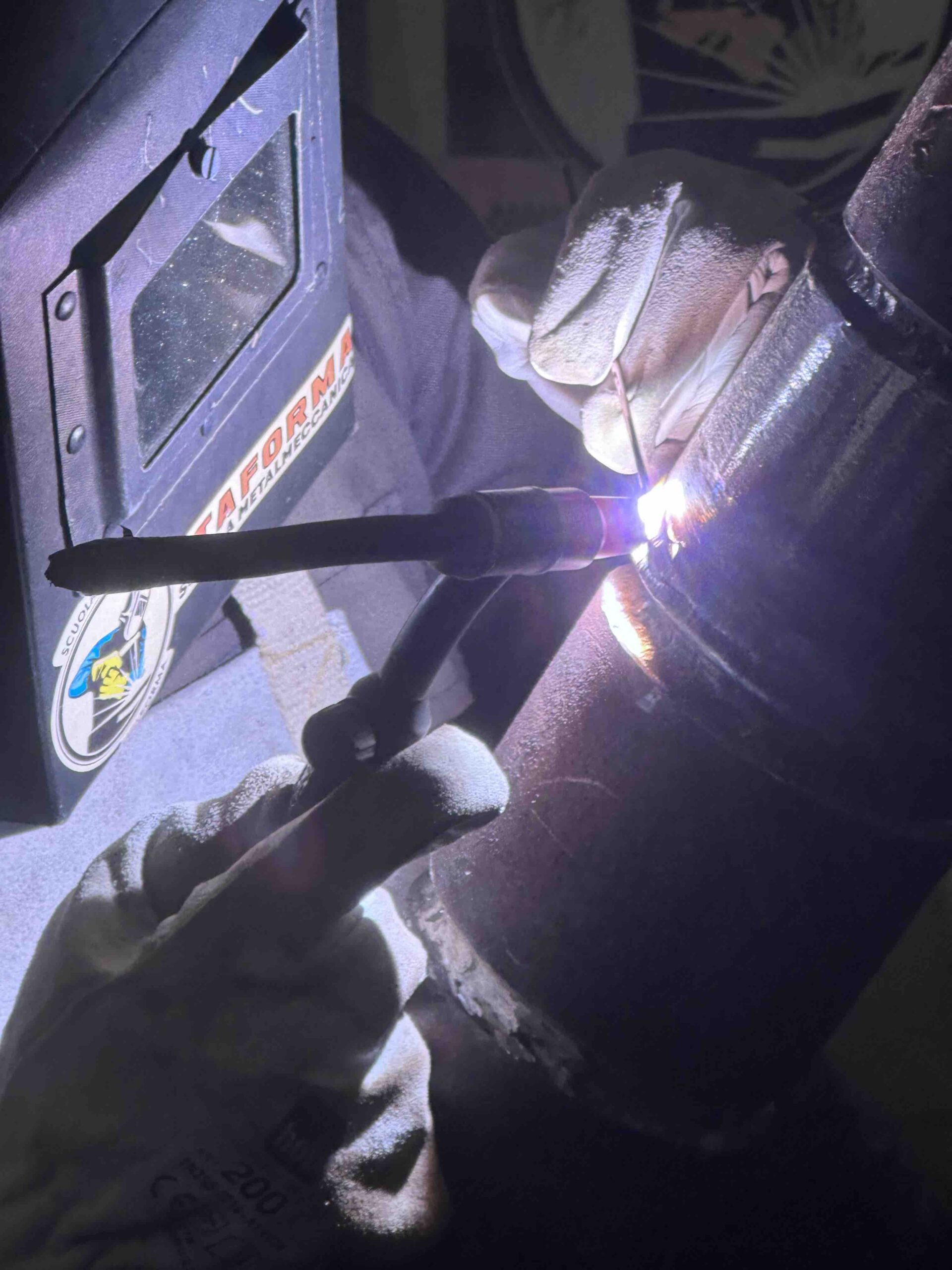
TIG welding, which stands for Tungsten Inert Gas, relies on creating an electric arc between a non-consumable tungsten electrode and the workpiece. When the welder pulls the trigger, an inert gas is released to protect the welding area, and current flows to the electrode. The tungsten electrode does not melt, but the arc generated heats the base material sufficiently to cause it to melt, allowing fusion between the parts. A filler metal, in the form of a rod, is added to complete the weld bead.

The TIG process stands out for its ability to provide high precision due to the stability of the arc and the ability to control current intensity, making it ideal for welding thin or delicate materials. This process is primarily used in industries where weld quality and resistance are essential.ers are properly adjusted and the right materials are selected.”
TIG Welding: Principle and Applications

Welding Parameters and Their Influence on TIG Welding

The quality of TIG welding depends on several key parameters that must be adjusted according to the materials and thickness of the workpieces. These parameters directly influence the precision of the weld, the penetration of the metal, and the stability of the arc.

Welding speed and torch position:

The speed of the welder’s movement must be adjusted based on the thickness of the materials and the geometry of the weld. A too-fast speed may result in insufficient penetration, while a too-slow speed could cause overheating and warping of the material.

Choice of gas and flow rate:

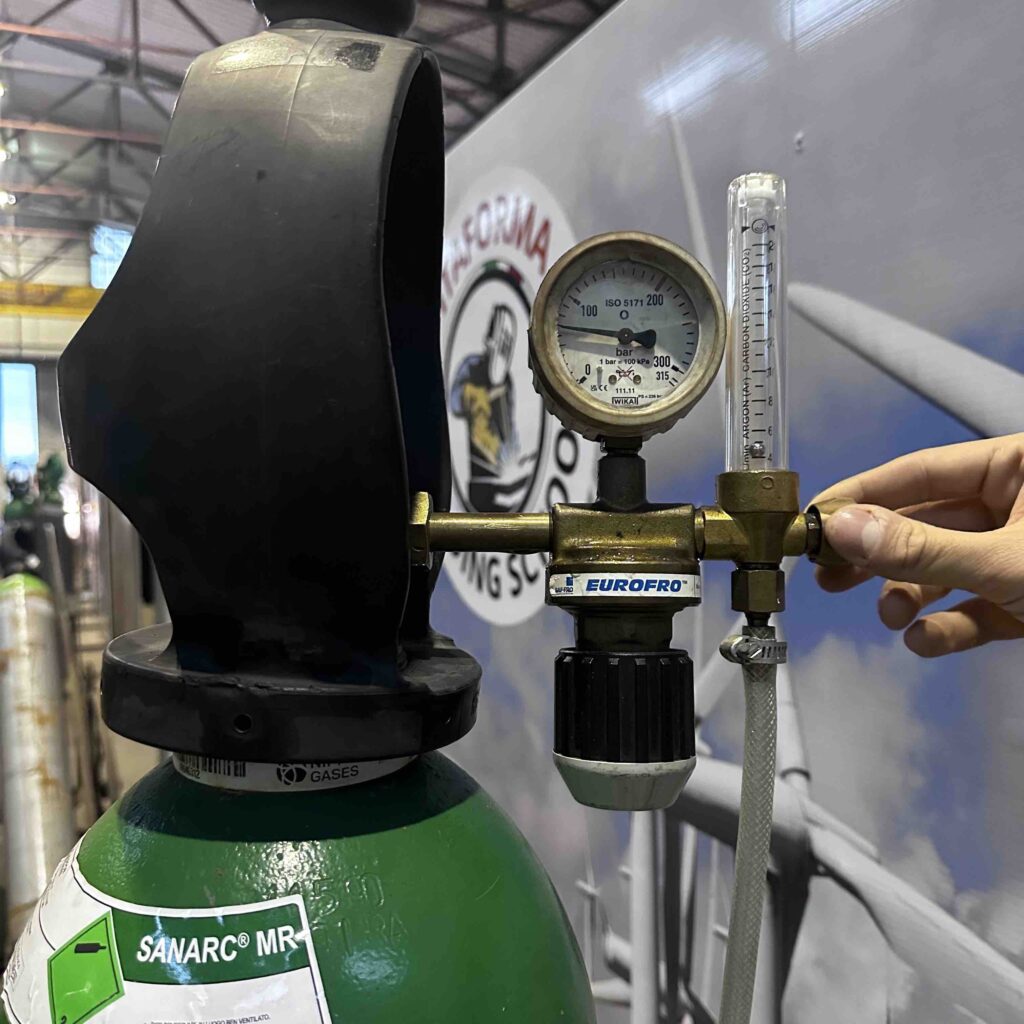
Argon is the most commonly used shielding gas in TIG welding. Depending on the application, a mixture of argon and helium may be used to increase the energy of the arc, particularly for light metals like aluminum.

Electrode and preparation:

The tungsten electrode must be properly sharpened to ensure optimal arc stability. The sharpening angle varies depending on the material being welded. For aluminum, for example, a 90° tip is required to prevent irregular melting points.

The choice of electrode, its diameter, and sharpening are crucial for obtaining high-quality welds.

Applications and Advantages of TIG Welding

TIG welding has a wide range of applications in industries where precision and aesthetics are paramount. Here are some of the main fields of use:

Aerospace and Aviation Industry: The precision and cleanliness of TIG welding make it ideal for welding lightweight alloys and stainless steel used in aircraft and spacecraft structures.

Chemical and Food Industries: TIG welding is perfect for fabricating stainless steel components, which are commonly used in the chemical and food industries where durable and clean welds are required.

Automotive Bodywork and Repairs: TIG welding is used for repairing stainless steel bodywork or lightweight aluminum car parts.

Precision Work: TIG welding is widely used to weld thin sheets or in industries requiring aesthetically perfect welds, such as jewelry making or precision instrument manufacturing.

Advantages and Disadvantages: While TIG welding offers great precision and clean work with minimal smoke, it has the disadvantage of being slower, especially when welding thick materials. Additionally, it is crucial to master the machine settings to achieve optimal results.

The Importance of Practical Training to Become a Skilled TIG Welder and Obtain an Official Certification

To become a skilled TIG welder, practical training is essential. While understanding the theory behind welding principles, materials, and welding parameters is important, it is hands-on experience that allows one to acquire the necessary skills to master this complex technique.

TIG welding requires great precision and perfect control over the electric arc, welding parameters, as well as the use of shielding gases and electrodes. Only regular practice in real-world conditions helps develop the dexterity and skill needed to produce high-quality welds.

Moreover, undergoing specialized training, both theoretical and practical, and obtaining an official certification is crucial not only to ensure technical competence but also to guarantee safety on job sites.

A certified professional holds official recognition of quality and safety standards in the welding field, which is essential for working in demanding sectors such as aerospace, industrial part manufacturing, or metal structure construction. Comprehensive training also prepares the welder to adapt to technological advancements and master modern equipment, thus ensuring a successful and high-quality career in a field where excellence is paramount.

“In conclusion, TIG welding is a complex yet highly valuable process in applications where precision, quality, and weld strength are essential. Whether in the aerospace industry, stainless steel processing, or automotive repair, this process offers numerous advantages in terms of performance and aesthetics, provided that the parameters are properly adjusted and the right materials are selected.”
Welding: The Importance of the Molten Pool

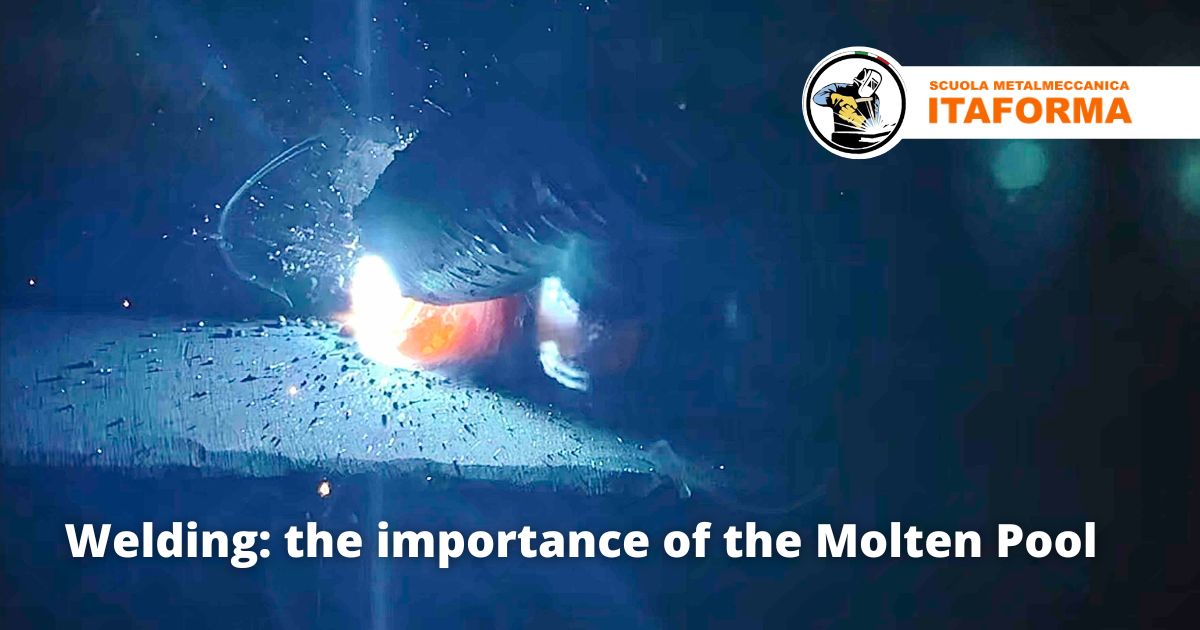
The molten pool is a key element in welding, a metallurgical process that joins metallic materials by creating a melted zone that, upon cooling, ensures the cohesion and strength of the assembly.

Understanding the characteristics and behavior of the molten pool is crucial for professional welders, whether they are using TIG, MIG/MAG, or electrode welding.

TIG Welding: A Small and Stable Molten Pool

1.1 Principles of TIG Welding

The TIG (Tungsten Inert Gas) welding process relies on the use of an electric arc generated between a non-consumable tungsten electrode and the workpiece. This process allows for high precision due to the very controlled molten pool.

1.2 Technical Characteristics of the TIG Molten Pool

The molten pool formed by the TIG process is relatively small and stable. This stability is due to several key technical factors. First, the flow of inert gas (usually argon) is adjustable and plays a critical role in protecting the pool from oxidation.
The gas creates a protective envelope around the molten area, preventing any undesirable chemical reactions with the atmosphere, such as the formation of oxides or nitrides.
Second, precise control of the heat input is another fundamental element. The heat from the electric arc can be adjusted using a pedal or regulator on the torch, allowing the welder to adapt to the nature and thickness of the material. For example, reducing the heat is essential to avoid thermal deformation in thin sheets or to minimize residual stresses in sensitive structures.

The choice of tungsten electrode is also critical for the stability of the pool. An electrode that is too thin may lead to arc instability, while an electrode that is too large can overheat the molten zone. The diameter of the electrode must be chosen according to the required intensity and the characteristics of the base metal.
Finally, proper welding technique, combined with steady movement and consistent speed, ensures that the molten pool remains homogeneous and free of defects. Common risks to monitor include porosity, usually caused by gas or material contamination, and solidification cracks due to too-rapid cooling. Careful attention to these aspects ensures strong and aesthetically pleasing welds.

1.3 Applications and Advantages

TIG welding is ideal for high-quality assemblies in applications such as fine sheet metal work, stainless steel pipes, and complex alloys. This process guarantees exceptional adhesion between materials while minimizing distortion due to the well-controlled molten pool.

MIG/MAG Welding: A Spectacular Molten Pool

2.1 How MIG/MAG Works

The MIG (Metal Inert Gas) and MAG (Metal Active Gas) welding processes use a continuously fed consumable wire electrode and a protective gas. The molten pool is created by the electric arc between the wire and the base material, allowing for quick and efficient joining.

2.2 Formation and Stability of the Molten Pool in MIG/MAG

In MIG, the inert gas (often argon or a mixture of argon and helium) provides optimal protection against oxidation. In MAG, the active gas (such as CO2) promotes deeper penetration of the molten pool. This molten pool is larger than in TIG welding, which facilitates welding on thicker sheets of metal.
The stability of the molten pool in MIG/MAG also depends on precise control of parameters such as arc voltage, electrode wire feed speed, and protective gas flow rate. Proper adjustment of these factors results in a uniform fusion, reducing the risks of spatter or porosity. Additionally, the dynamics of the pool can be influenced by the characteristics of the wire used, such as its diameter and composition. For instance, the use of specific wires like aluminum or stainless steel alloys ensures optimal weld quality for a variety of applications.

2.3 Common Uses and Benefits

The MIG/MAG process is particularly suited for industrial manufacturing, especially in sectors such as automotive and metal construction. It allows for rapid welding of rails, tubes, and metal structures while ensuring strong cohesion in the assemblies.

Electrode Welding: Smaller Pool with Fast Cooling

3.1 Understanding Electrode Welding

Electrode welding, or MMA (Manual Metal Arc), uses a coated consumable electrode. The electric arc melts the electrode and base material to create the molten pool, while the coating forms a protective gas shield.

3.2 Characteristics of the Molten Pool in MMA

The molten pool in MMA welding is relatively small and cools rapidly, which provides advantages for repair work, vertical or overhead welding, and joining thick pieces. The ability of the molten pool to solidify quickly reduces the risk of deformation in surrounding materials, a crucial benefit for on-site applications.
However, this rapid cooling requires greater technical skill from the welder. They must ensure a stable arc temperature and use the right electrode for the base material to avoid defects such as poor adhesion, cracking, or slag inclusions. These slags, formed by the burning of the coating, must be carefully removed to ensure the quality of the weld joint. Therefore, rigorous cleaning between passes is essential to avoid weakening the structural integrity of the assembly.
Moreover, while the molten pool in MMA is smaller compared to other processes, it is ideal for applications requiring high precision.

3.3 Applications and Limitations of Electrode Welding

Electrode welding is commonly used for structural repairs, heavy boiler work, and piping installations. Its main advantage lies in its simplicity and ability to weld in challenging conditions, although the molten pool’s precision is lower than in TIG and MIG/MAG welding processes.

Conclusion

The molten pool plays a fundamental role in the quality of welds made using TIG, MIG/MAG, and electrode welding processes. Mastering it requires a deep understanding of materials, welding parameters, and operational constraints. 

Whether welding rails, sheets, or complex alloys, a solid understanding of the molten pool’s behavior ensures strong and durable assemblies that meet the requirements of professional welders and modern industries.