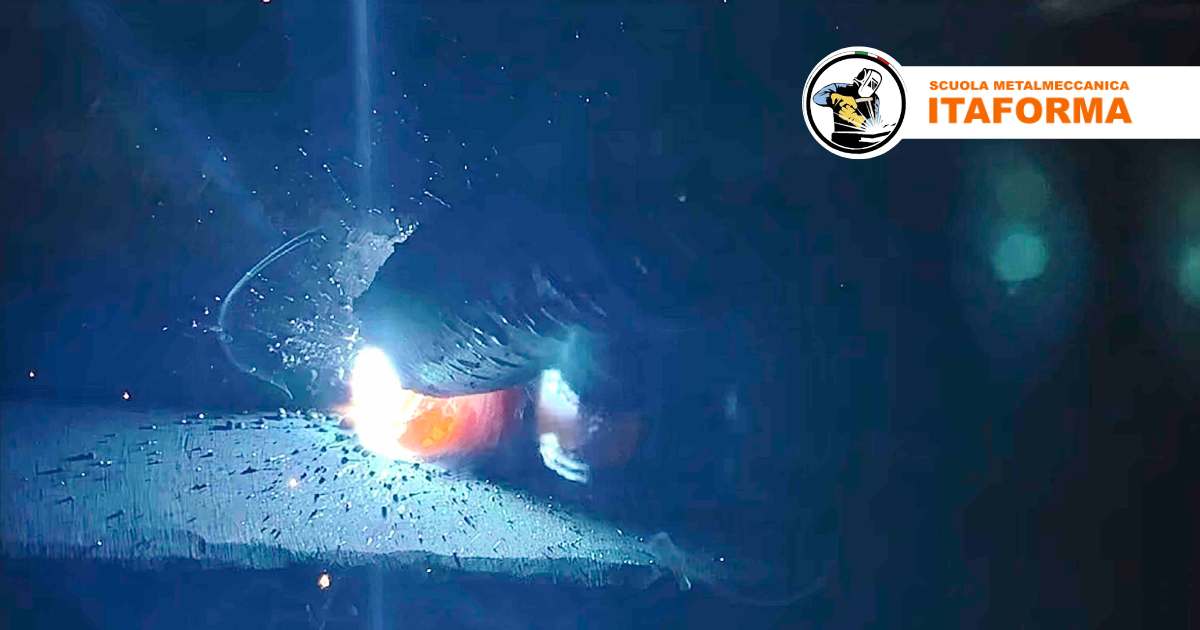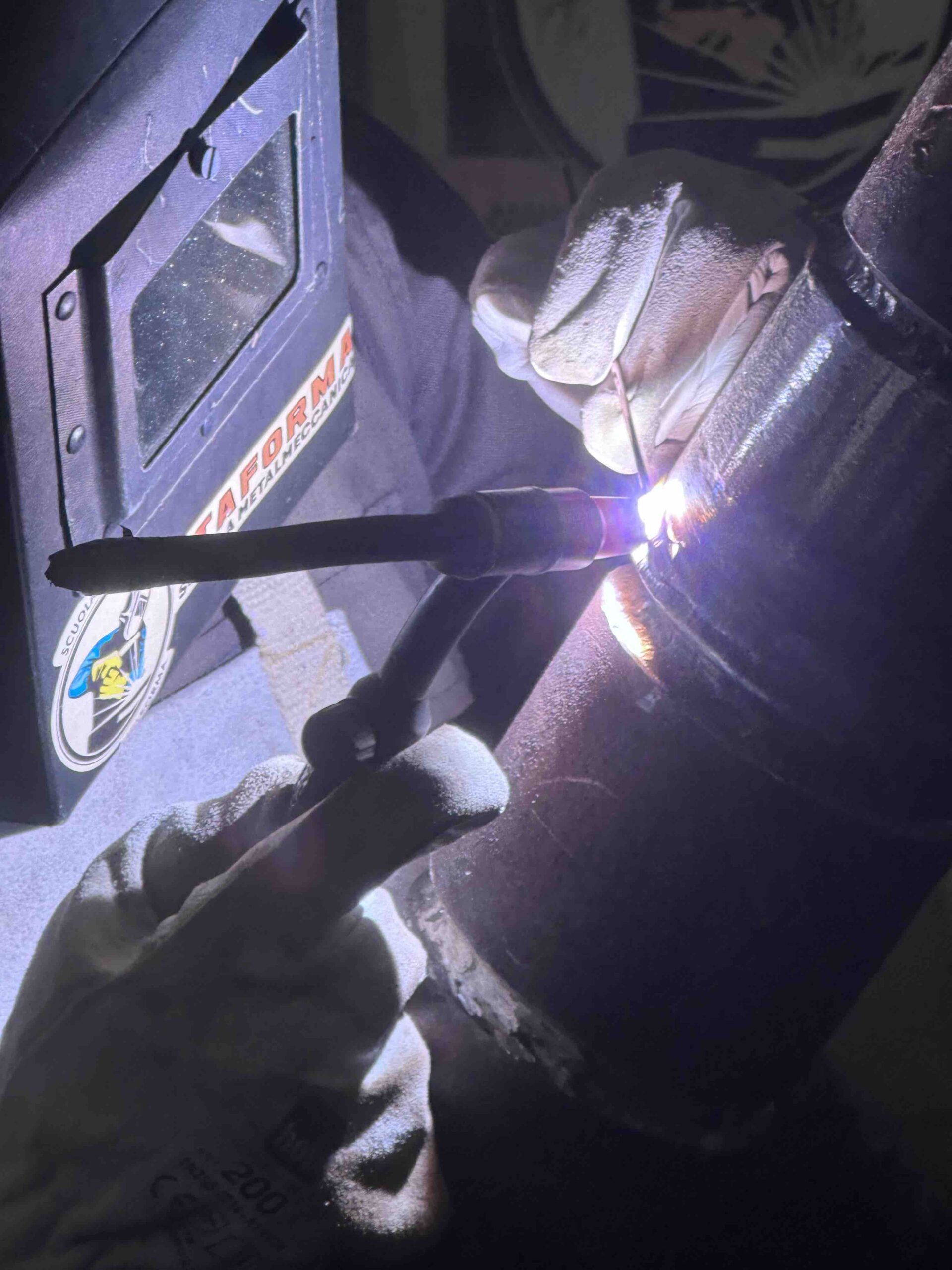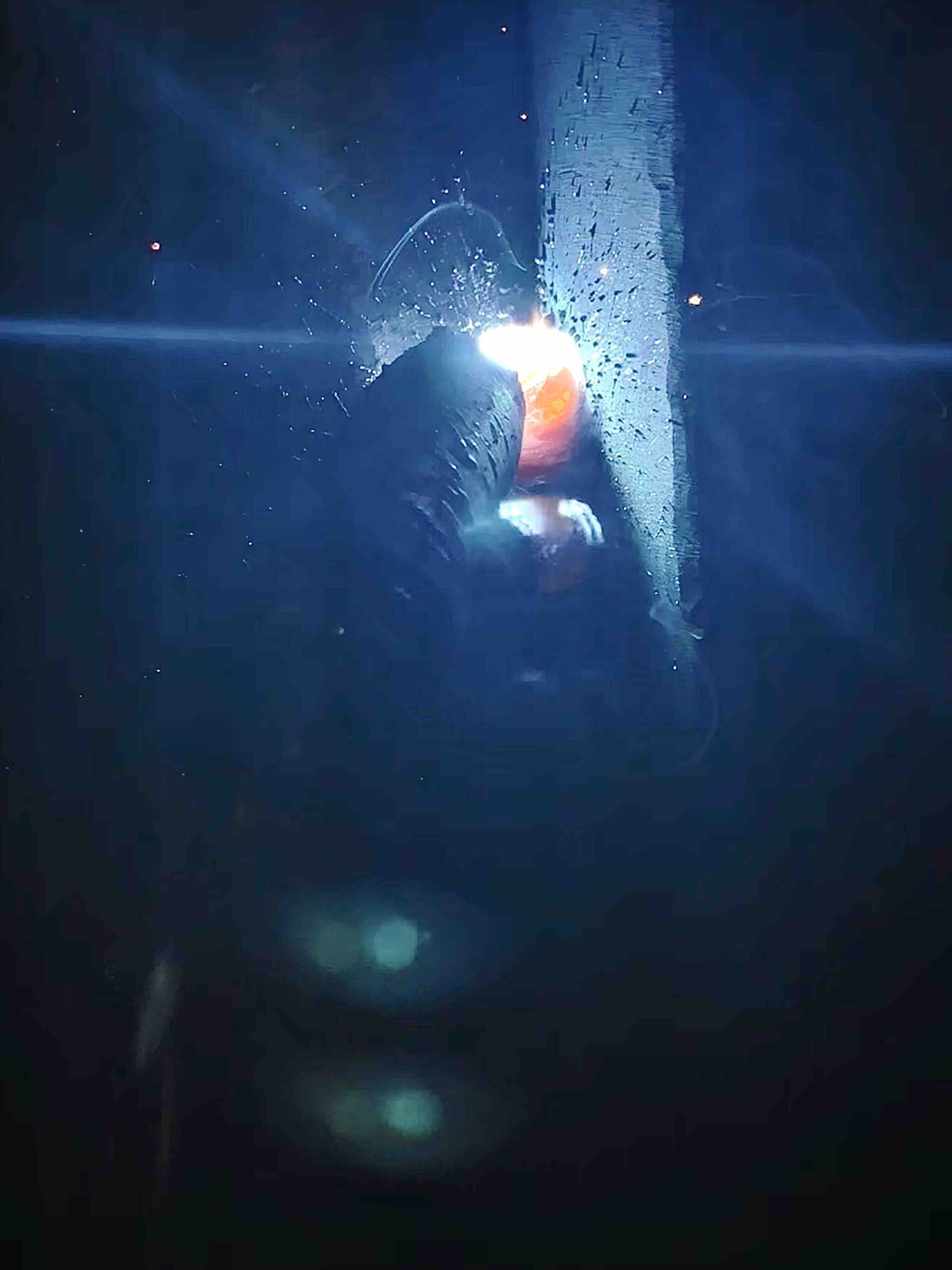
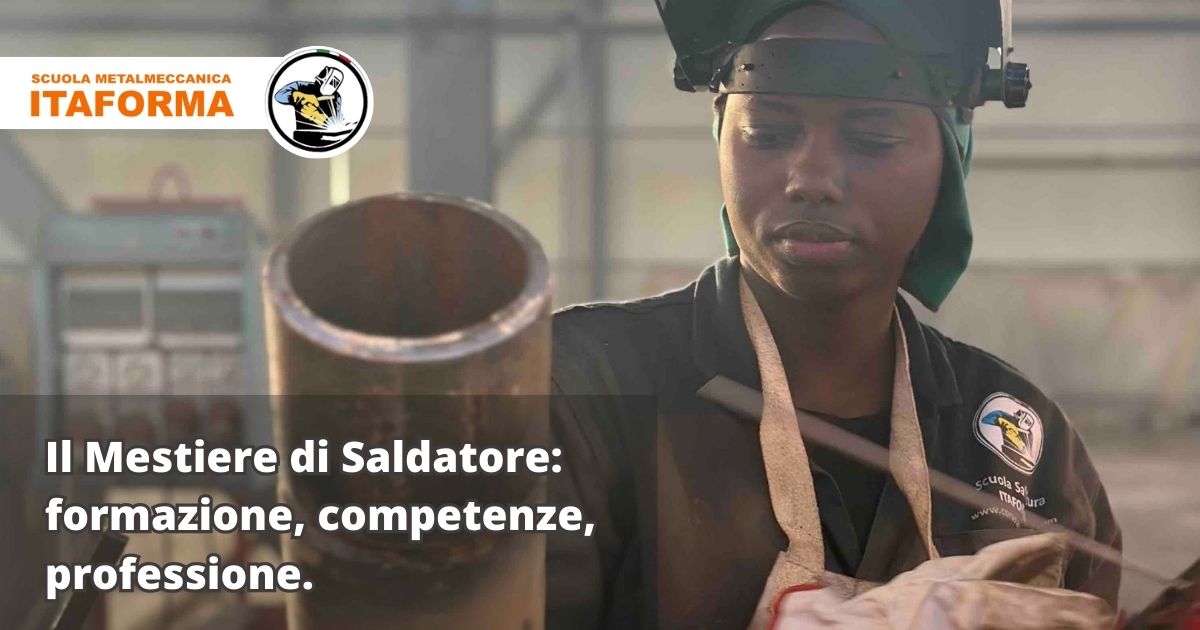
The Welder's Profession: Training, Skills, Career.

The Welder's Profession

Definition of a Welder (According to standard UNI EN ISO 9606: 2017)

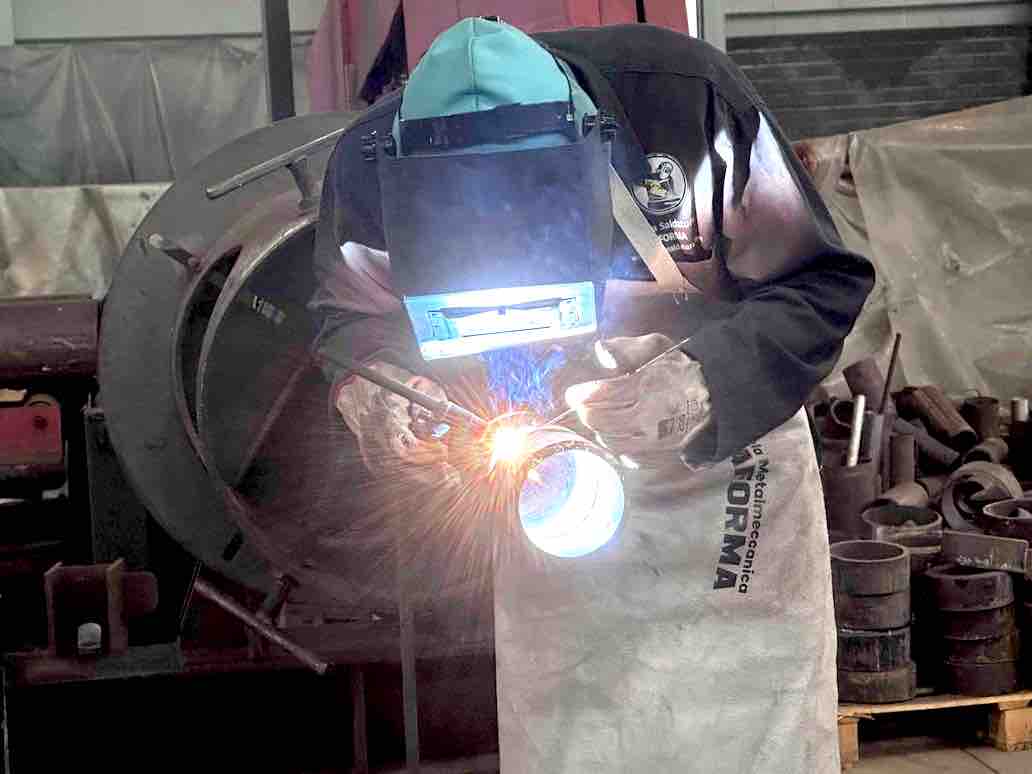
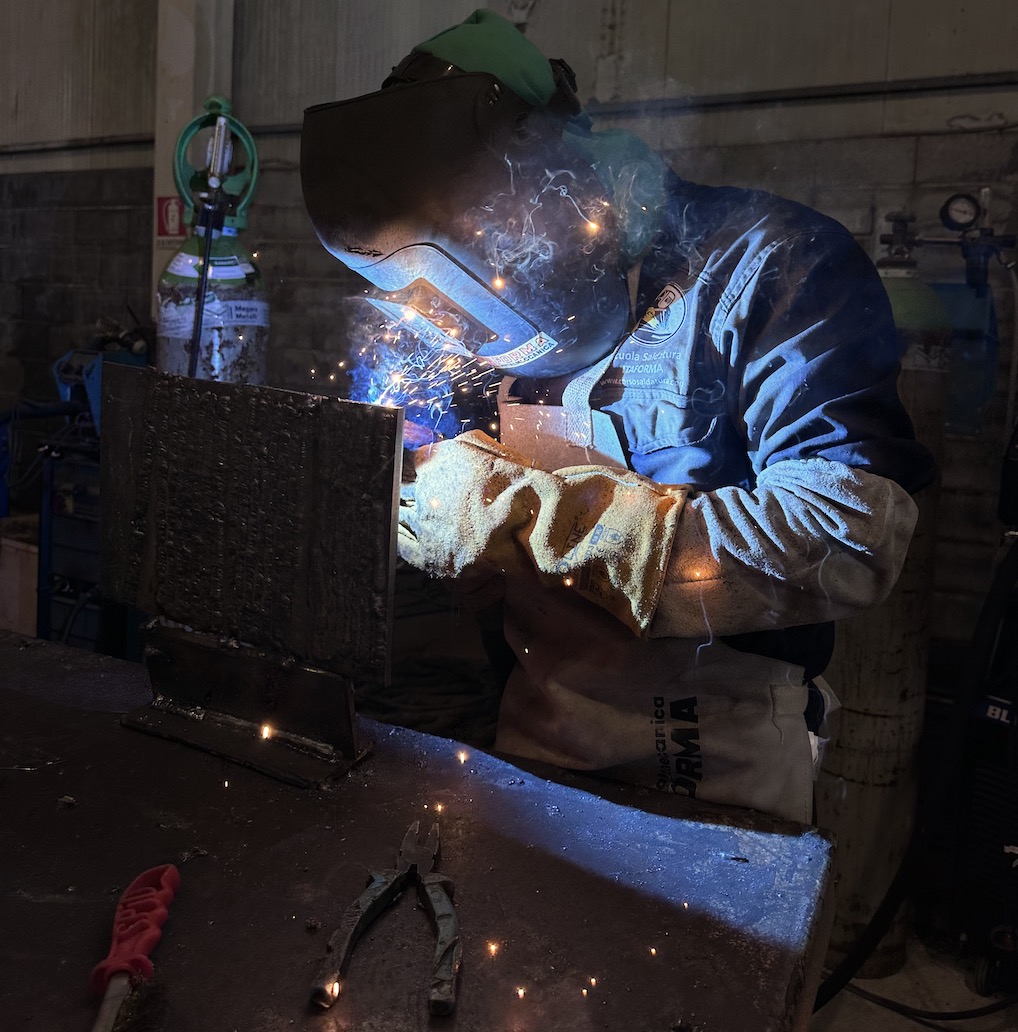
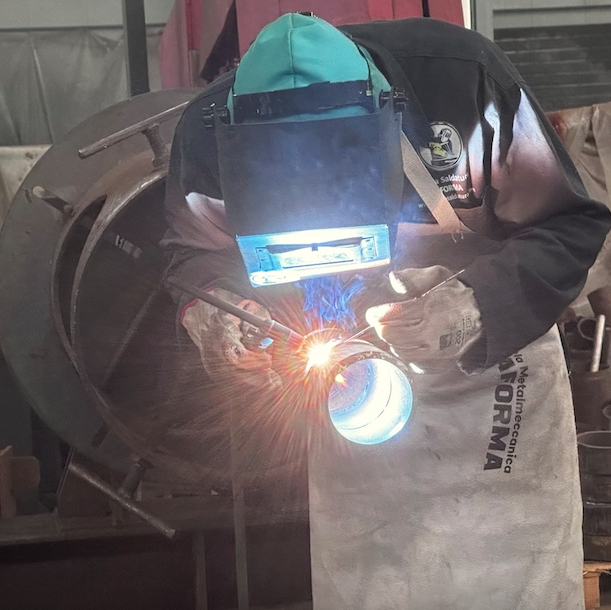
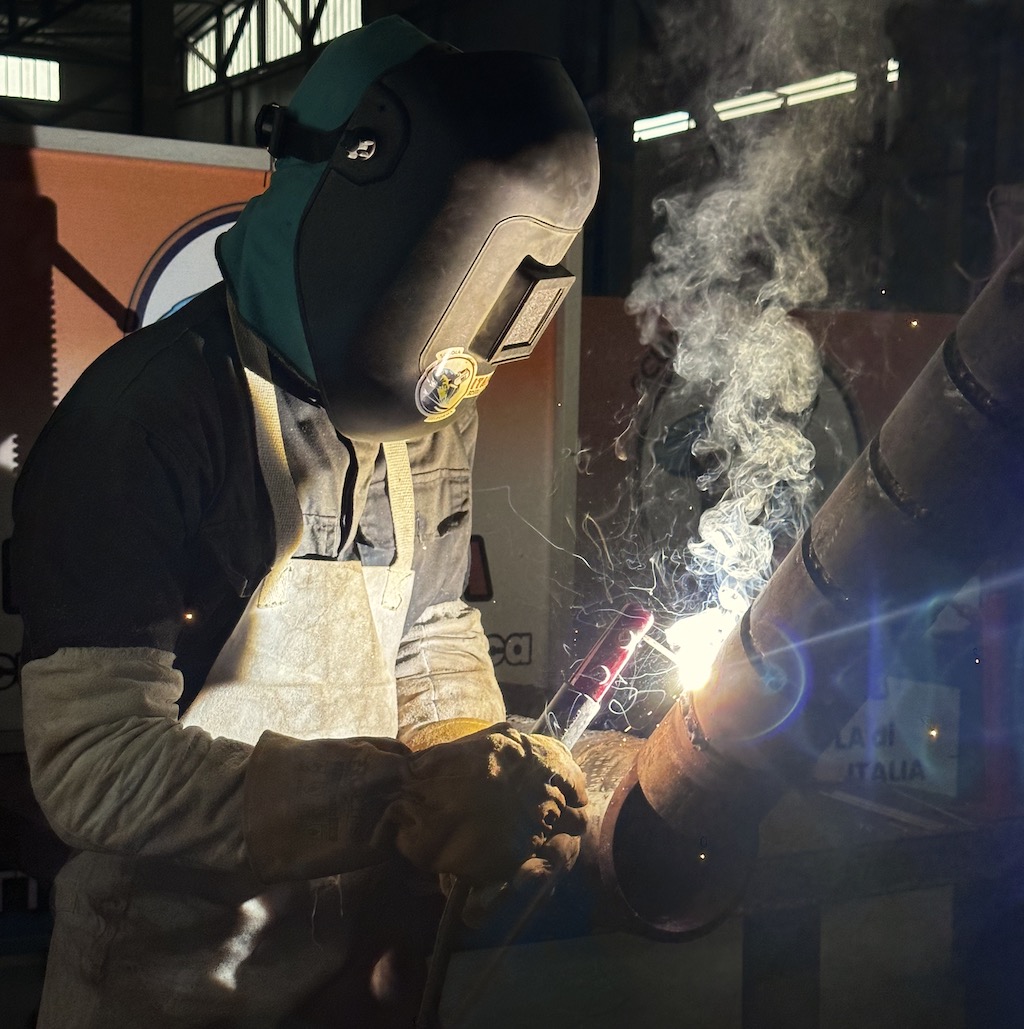
A welder is a professional who manually operates and guides tools such as the electrode holder, welding torch, or blowpipe.

1. What Does a Welder Do?

Il lavoro del saldatore è molto diversificato e comprende una vasta gamma di mansioni. Non esistono due giornate di lavoro uguali per un saldatore, il che rende questa professione sia appassionante che stimolante. Il suo ruolo principale è assemblare materiali diversi per creare componenti utilizzati in molteplici settori: automobilistico, nucleare, petrolchimico, agroalimentare, ferroviario e molti altri.

I saldatori possono lavorare in settori come la costruzione, l’ingegneria o l’aerospaziale. I loro compiti generalmente consistono nell’assemblare pezzi già tagliati secondo uno schema o un piano preciso, al fine di realizzare strutture o prodotti specifici. Possono anche essere chiamati a seguire procedure rigorose per garantire la qualità delle saldature. 

Infine, si occupano spesso della manutenzione preventiva delle loro attrezzature, come i posti di saldatura, e sostituiscono i consumabili utilizzati.

2. Different Aspects of the Profession

Il saldatore può esercitare il suo mestiere in vari modi, a seconda delle tecnologie e dei processi di saldatura. Ad esempio, può specializzarsi nella saldatura manuale tradizionale o lavorare con robot di saldatura. 

Esistono vari tipi di saldatura come MIG, MAG, TIG o saldatura con elettrodo rivestito. 

Alcuni saldatori possono essere chiamati a lavorare in ambienti estremi, come cantieri, piattaforme petrolifere o addirittura come saldatori subacquei in condizioni difficili.

3. Materials Used by Welders

Welders work with a wide variety of materials, including:

  • Steels
  • Stainless steels
  • Metal alloys

A seconda dei processi di saldatura, come MIG/MAG, TIG o elettrodo rivestito, il saldatore deve saper gestire correttamente questi materiali. Alcuni utilizzano anche tecnologie avanzate, come la saldatura laser. 

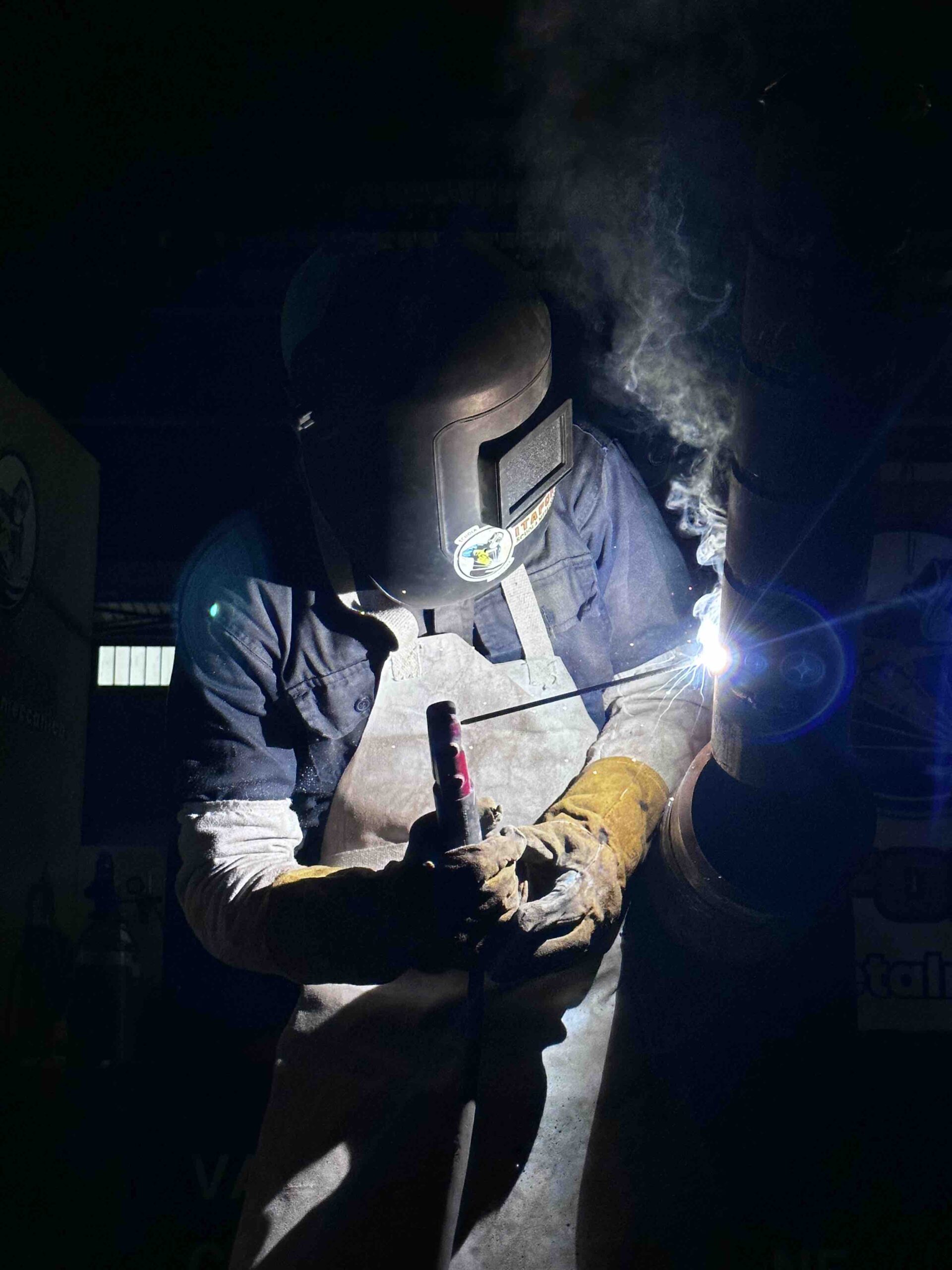
È importante sottolineare che la professione di saldatore comporta dei rischi, motivo per cui è essenziale l’uso rigoroso di dispositivi di protezione individuale (DPI).
4. Skills Required to Become a Welder

Per diventare saldatore, sono necessarie diverse competenze. Il saldatore deve avere una grande concentrazione e destrezza manuale. Deve inoltre essere familiare con le ultime tecnologie e metodologie di saldatura. Una buona conoscenza delle diverse tecniche di saldatura e la capacità di scegliere l’attrezzatura giusta sono fondamentali. 

Il mestiere richiede precisione e una forte capacità di risolvere problemi. Sebbene la conoscenza approfondita della matematica non sia un requisito assoluto, può rappresentare un vantaggio per un saldatore versatile che è in grado di eseguire più compiti nello stesso ambiente di lavoro.

5. Training Required to Become a Welder

Per intraprendere la professione di saldatore, è indispensabile seguire una formazione certificata che fornisca le competenze tecniche specifiche richieste in questo campo. 

I corsi di saldatura sono progettati per insegnare le basi del mestiere, a seconda dei processi e dei materiali utilizzati. Ogni istituzione offre percorsi formativi diversificati, che variano in base alle tecniche insegnate e ai materiali utilizzati.

I corsi più efficaci sono quelli che pongono l’accento sull’aspetto pratico, poiché la saldatura è un’attività che richiede una padronanza perfetta dei gesti e degli strumenti. L’esperienza sul campo è quindi essenziale per sviluppare le competenze necessarie. 

Un esempio di formazione di qualità è quella proposta da ITAFORMA, 

progettata da professionisti del settore per rispondere alle reali esigenze dei saldatori in attività. 

Questo programma si concentra sulla pratica, con sessioni di laboratorio in metallurgia in cui ogni studente lavora al proprio banco e utilizza la propria macchina per saldare per 8 ore al giorno.

La teoria viene trattata al di fuori di queste ore pratiche, sia in presenza che online, in modo da non interferire con il lavoro pratico. 

Al termine del corso, gli studenti devono sostenere un esame pratico in un laboratorio di metallurgia, conforme alle normative di sicurezza in vigore. 

Questo test, che valuta la padronanza delle tecniche di saldatura, consente di ottenere la certificazione UNI EN ISO 9606.1, una certificazione riconosciuta che attesta le competenze professionali del saldatore. 
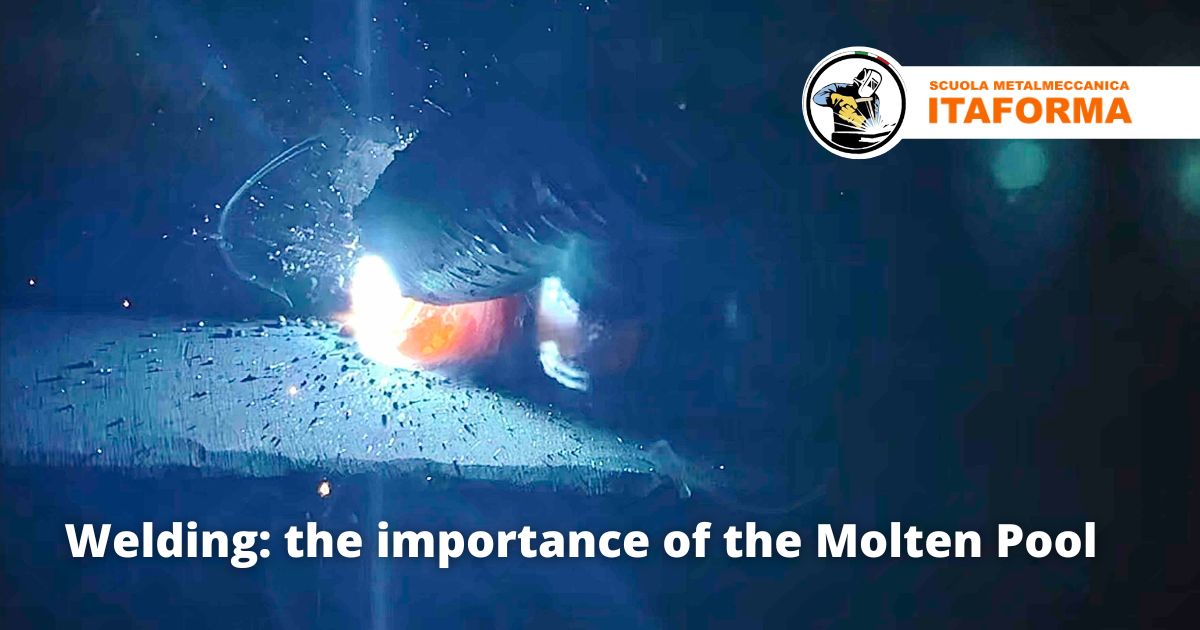
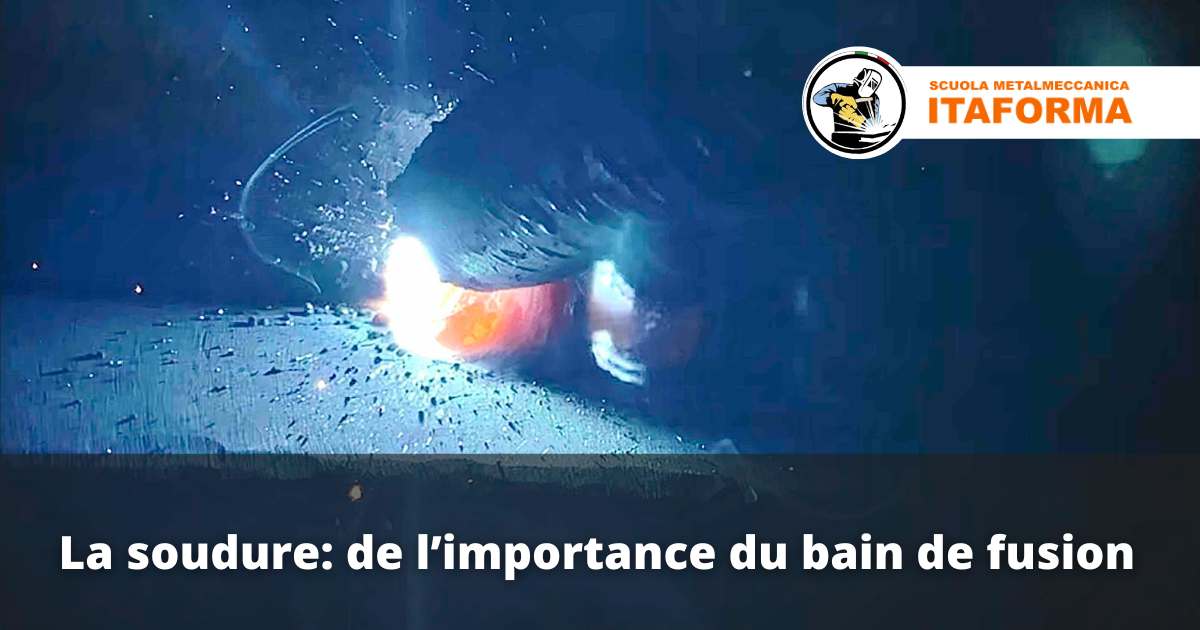
Welding: The Importance of the Molten Pool

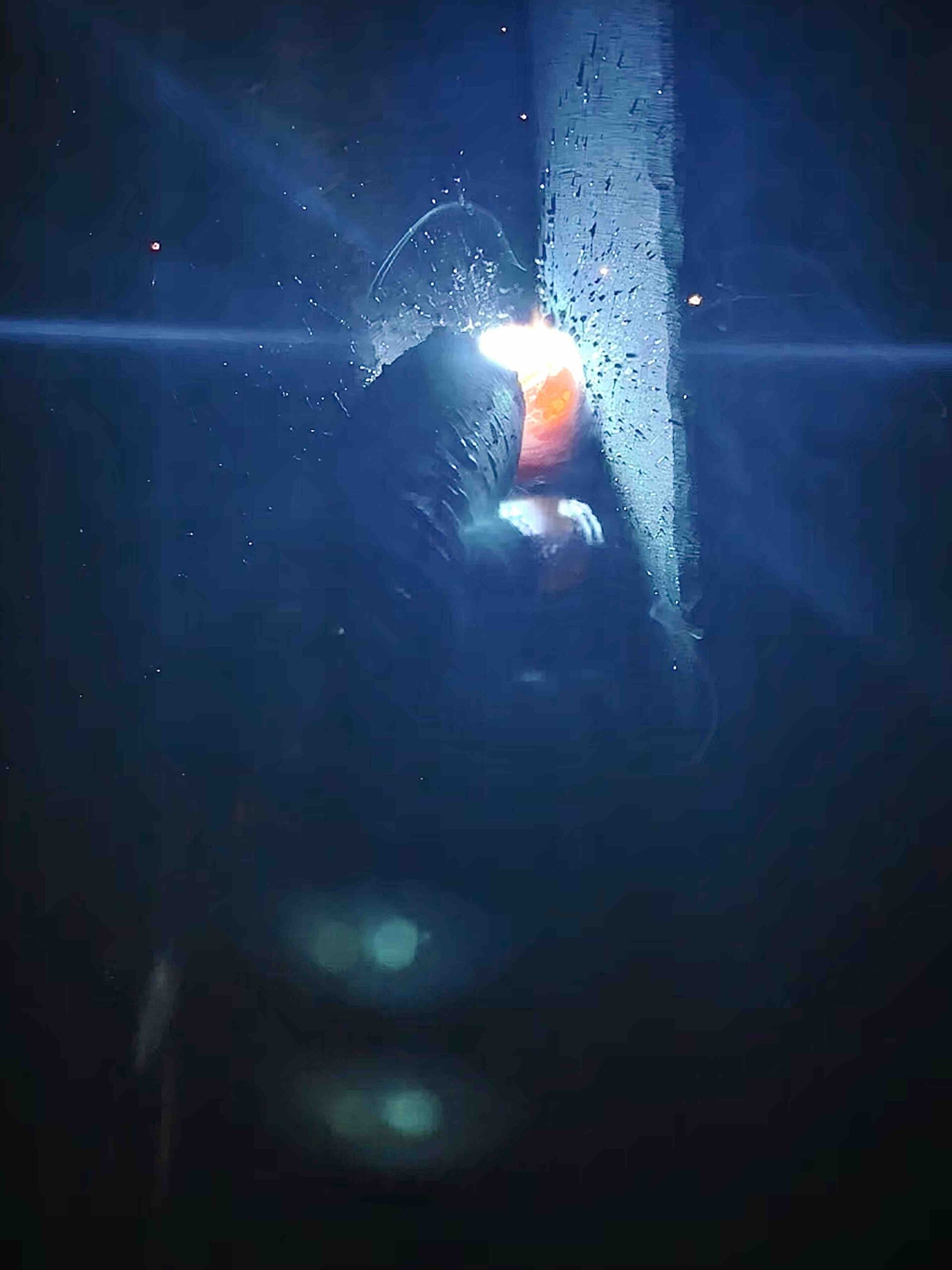
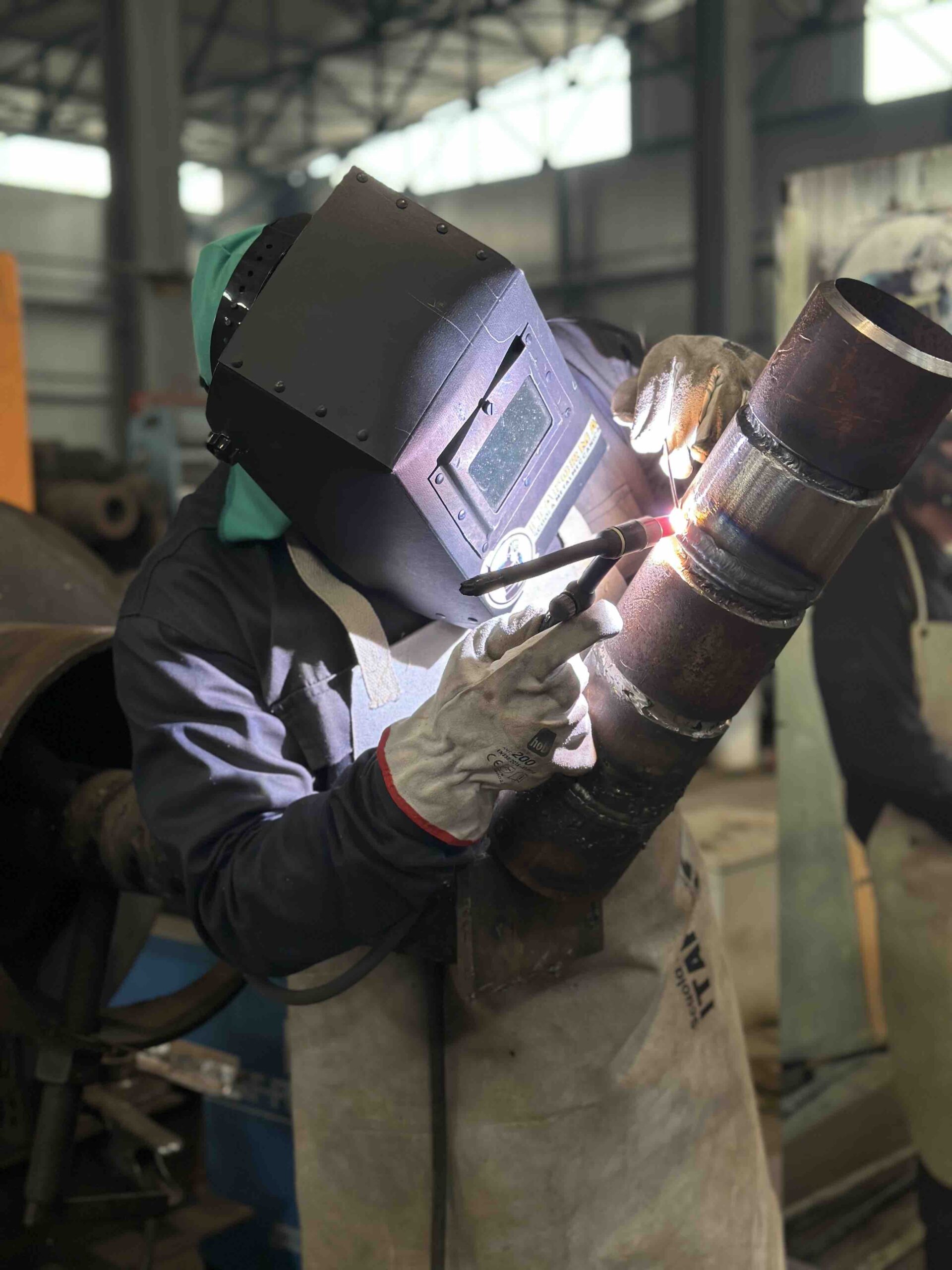
The molten pool is a key element in welding, a metallurgical process that joins metallic materials by creating a melted zone that, upon cooling, ensures the cohesion and strength of the assembly.

Understanding the characteristics and behavior of the molten pool is crucial for professional welders, whether they are using TIG, MIG/MAG, or electrode welding.

TIG Welding: A Small and Stable Molten Pool

1.1 Principles of TIG Welding

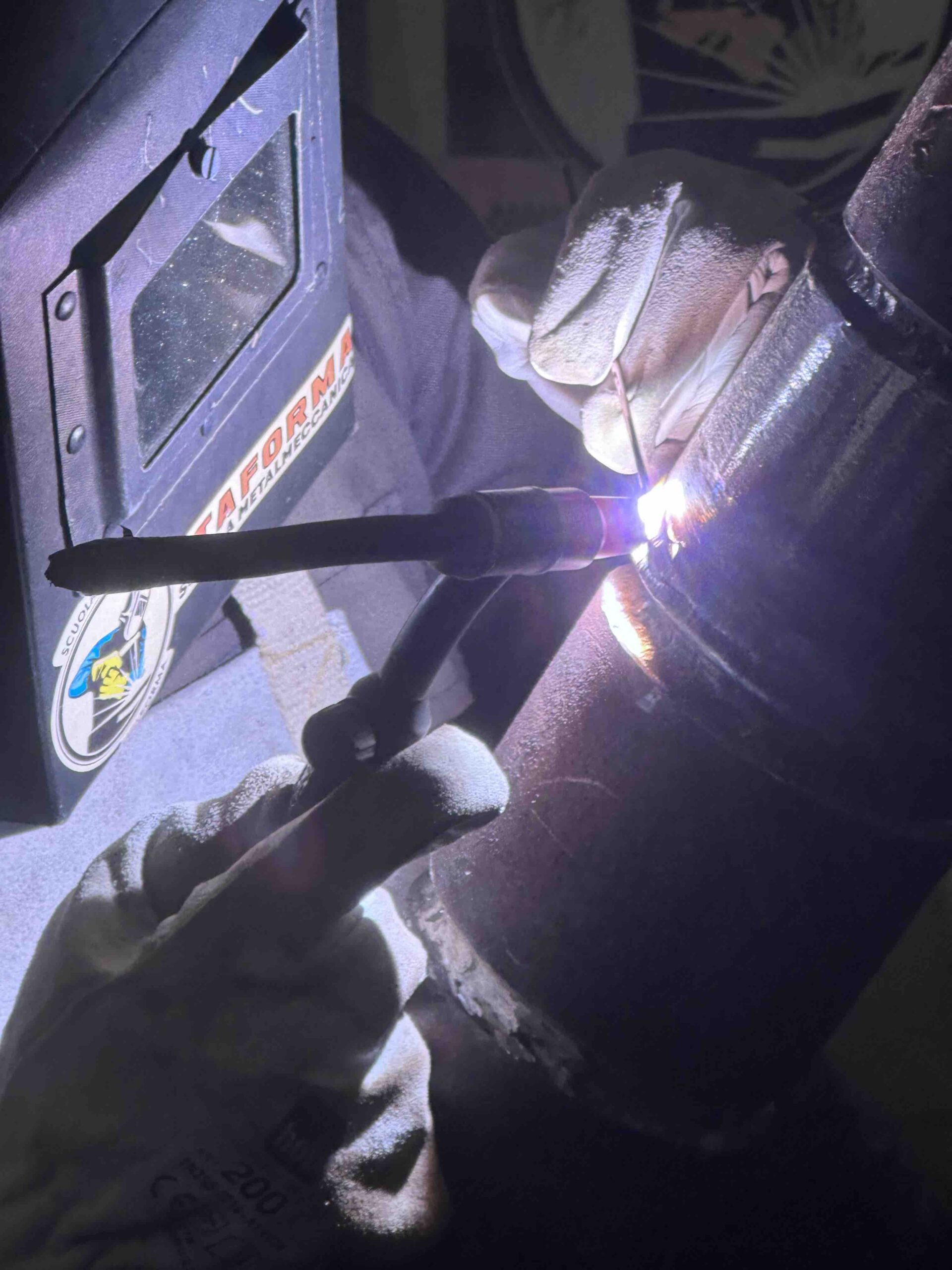
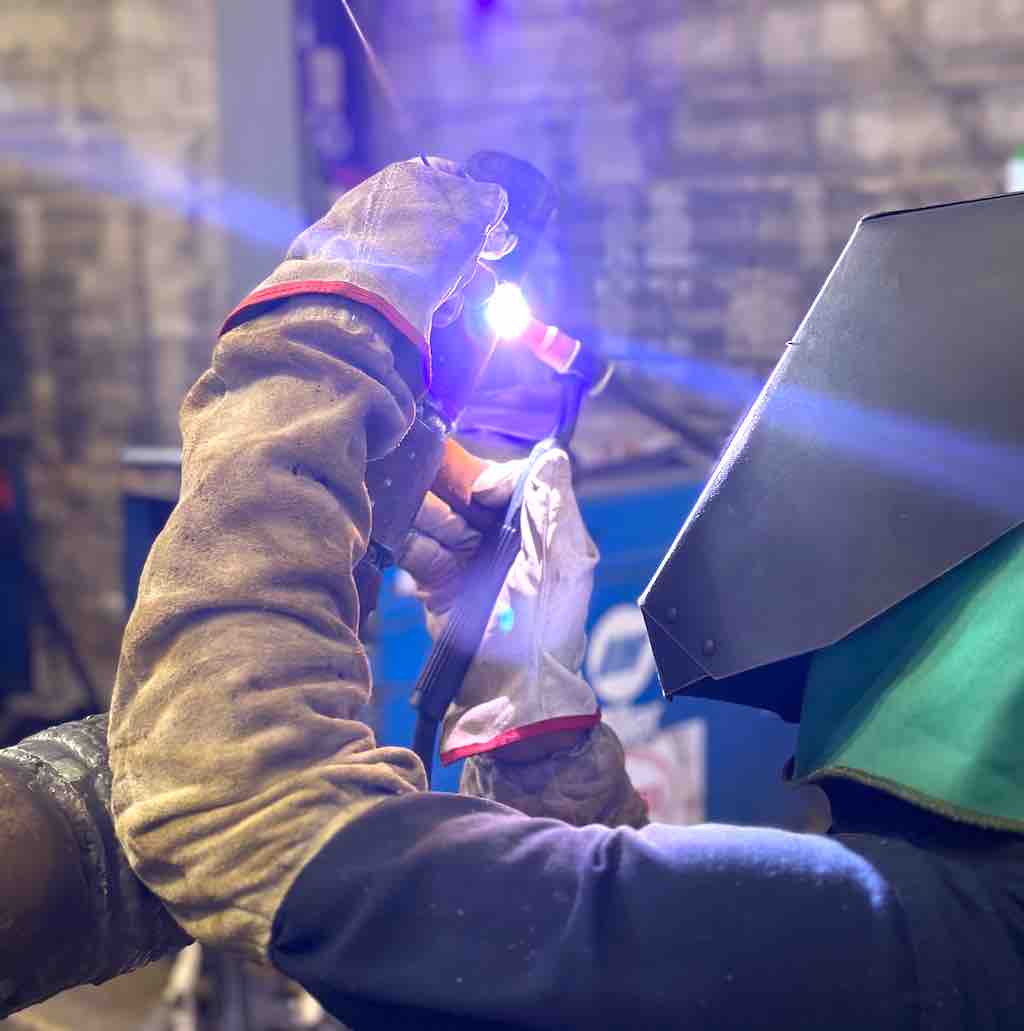
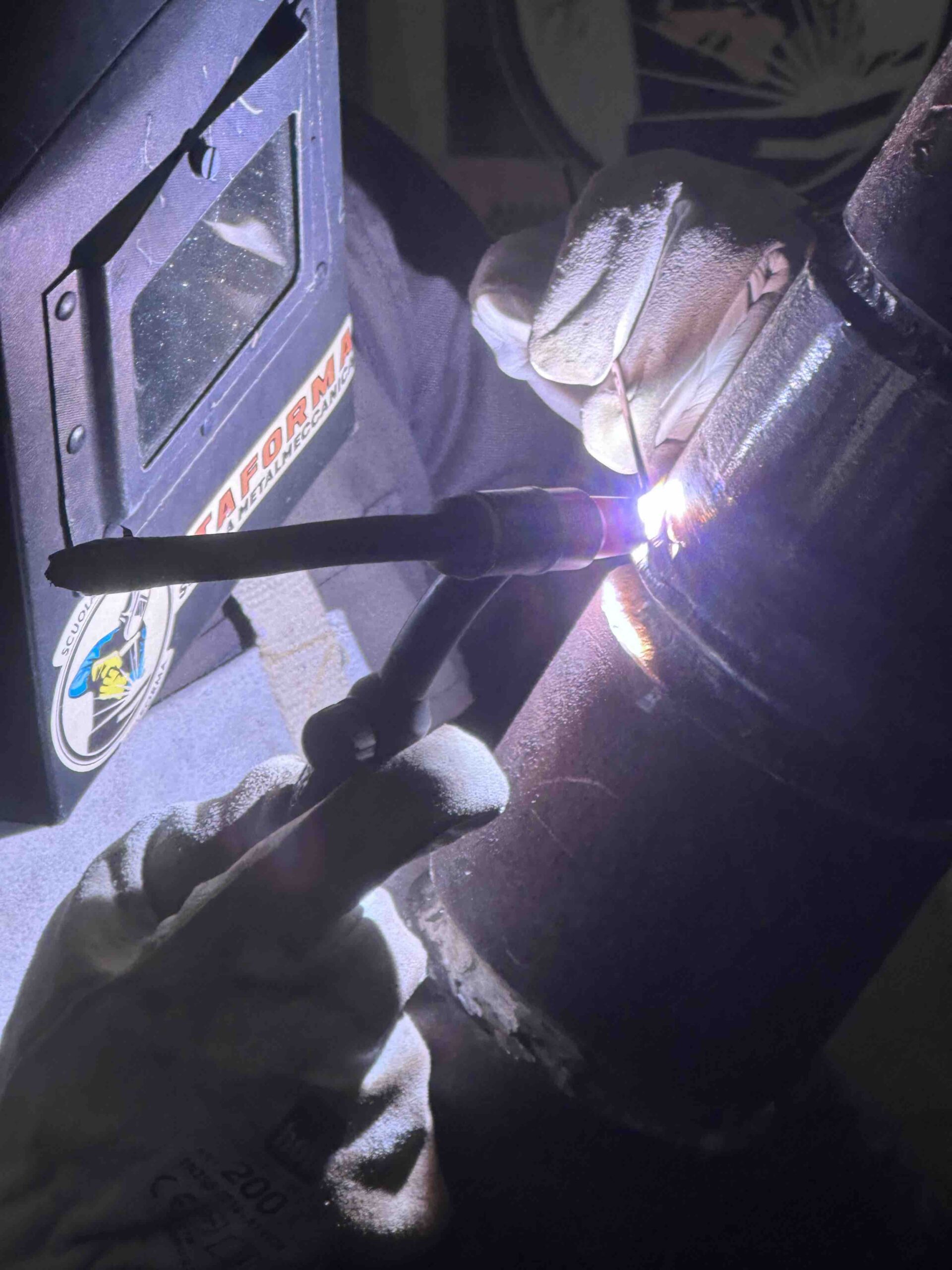
The TIG (Tungsten Inert Gas) welding process relies on the use of an electric arc generated between a non-consumable tungsten electrode and the workpiece. This process allows for high precision due to the very controlled molten pool.

1.2 Technical Characteristics of the TIG Molten Pool

The molten pool formed by the TIG process is relatively small and stable. This stability is due to several key technical factors. First, the flow of inert gas (usually argon) is adjustable and plays a critical role in protecting the pool from oxidation.
The gas creates a protective envelope around the molten area, preventing any undesirable chemical reactions with the atmosphere, such as the formation of oxides or nitrides.
Second, precise control of the heat input is another fundamental element. The heat from the electric arc can be adjusted using a pedal or regulator on the torch, allowing the welder to adapt to the nature and thickness of the material. For example, reducing the heat is essential to avoid thermal deformation in thin sheets or to minimize residual stresses in sensitive structures.

The choice of tungsten electrode is also critical for the stability of the pool. An electrode that is too thin may lead to arc instability, while an electrode that is too large can overheat the molten zone. The diameter of the electrode must be chosen according to the required intensity and the characteristics of the base metal.
Finally, proper welding technique, combined with steady movement and consistent speed, ensures that the molten pool remains homogeneous and free of defects. Common risks to monitor include porosity, usually caused by gas or material contamination, and solidification cracks due to too-rapid cooling. Careful attention to these aspects ensures strong and aesthetically pleasing welds.

1.3 Applications and Advantages

TIG welding is ideal for high-quality assemblies in applications such as fine sheet metal work, stainless steel pipes, and complex alloys. This process guarantees exceptional adhesion between materials while minimizing distortion due to the well-controlled molten pool.

MIG/MAG Welding: A Spectacular Molten Pool

2.1 How MIG/MAG Works

The MIG (Metal Inert Gas) and MAG (Metal Active Gas) welding processes use a continuously fed consumable wire electrode and a protective gas. The molten pool is created by the electric arc between the wire and the base material, allowing for quick and efficient joining.

2.2 Formation and Stability of the Molten Pool in MIG/MAG

In MIG, the inert gas (often argon or a mixture of argon and helium) provides optimal protection against oxidation. In MAG, the active gas (such as CO2) promotes deeper penetration of the molten pool. This molten pool is larger than in TIG welding, which facilitates welding on thicker sheets of metal.
The stability of the molten pool in MIG/MAG also depends on precise control of parameters such as arc voltage, electrode wire feed speed, and protective gas flow rate. Proper adjustment of these factors results in a uniform fusion, reducing the risks of spatter or porosity. Additionally, the dynamics of the pool can be influenced by the characteristics of the wire used, such as its diameter and composition. For instance, the use of specific wires like aluminum or stainless steel alloys ensures optimal weld quality for a variety of applications.

2.3 Common Uses and Benefits

The MIG/MAG process is particularly suited for industrial manufacturing, especially in sectors such as automotive and metal construction. It allows for rapid welding of rails, tubes, and metal structures while ensuring strong cohesion in the assemblies.

Electrode Welding: Smaller Pool with Fast Cooling

3.1 Understanding Electrode Welding

Electrode welding, or MMA (Manual Metal Arc), uses a coated consumable electrode. The electric arc melts the electrode and base material to create the molten pool, while the coating forms a protective gas shield.

3.2 Characteristics of the Molten Pool in MMA

The molten pool in MMA welding is relatively small and cools rapidly, which provides advantages for repair work, vertical or overhead welding, and joining thick pieces. The ability of the molten pool to solidify quickly reduces the risk of deformation in surrounding materials, a crucial benefit for on-site applications.
However, this rapid cooling requires greater technical skill from the welder. They must ensure a stable arc temperature and use the right electrode for the base material to avoid defects such as poor adhesion, cracking, or slag inclusions. These slags, formed by the burning of the coating, must be carefully removed to ensure the quality of the weld joint. Therefore, rigorous cleaning between passes is essential to avoid weakening the structural integrity of the assembly.
Moreover, while the molten pool in MMA is smaller compared to other processes, it is ideal for applications requiring high precision.

3.3 Applications and Limitations of Electrode Welding

Electrode welding is commonly used for structural repairs, heavy boiler work, and piping installations. Its main advantage lies in its simplicity and ability to weld in challenging conditions, although the molten pool’s precision is lower than in TIG and MIG/MAG welding processes.

Conclusion

The molten pool plays a fundamental role in the quality of welds made using TIG, MIG/MAG, and electrode welding processes. Mastering it requires a deep understanding of materials, welding parameters, and operational constraints. 

Whether welding rails, sheets, or complex alloys, a solid understanding of the molten pool’s behavior ensures strong and durable assemblies that meet the requirements of professional welders and modern industries.


Welding: The Importance of the Weld Pool

The weld pool is an essential element in welding.

It is a metallurgical process that allows metallic materials to be joined by creating a molten zone which, upon cooling, ensures the cohesion and strength of the joint.

Understanding the characteristics and behavior of the weld pool is fundamental for professional welders, whether it involves TIG welding, MIG/MAG welding, or SHIELDED METAL ARC (ELECTRODE) welding.

TIG Welding: A Small and Stable Weld Pool

1.1 Principles of TIG Welding

The TIG (Tungsten Inert Gas) welding process is based on the use of an electric arc generated between a non-consumable tungsten electrode and the workpiece. This process allows for high precision due to a highly controlled weld pool.

1.2 Technical Characteristics of the TIG Weld Pool

The weld pool formed by the TIG process is relatively small and stable. This stability is attributed to several key technical factors. Firstly, the flow of inert gas (usually argon) is adjustable and plays an essential role in protecting the weld pool from oxidation. This gas creates a protective barrier around the molten zone, preventing undesirable chemical reactions with the atmosphere, such as the formation of oxides or nitrides.

Furthermore, precise control over heat input is another fundamental element. The heat supplied by the electric arc can be adjusted via a foot pedal or a regulator on the torch, allowing the welder to adapt to the material type and thickness. For instance, reducing heat is necessary to prevent thermal deformation of thin sheets or to minimize residual stresses in sensitive structures.

The choice of tungsten electrode is also crucial for weld pool stability. An electrode that is too thin can cause arc instability, whereas one that is too thick risks overheating the molten zone. The electrode diameter must be selected based on the required amperage and the characteristics of the base material.

Finally, a sound welding technique, combined with consistent movement and speed, ensures that the weld pool remains homogeneous and free of defects. Common risks to monitor include porosity, generally caused by gas or material contamination, as well as solidification cracks resulting from excessively rapid cooling. Particular attention to these aspects allows for the production of robust and aesthetically flawless welds.

1.3 Applications and Advantages

TIG welding is ideal for high-quality assemblies in applications such as fine boiler making, stainless steel pipes, and complex alloys. This process ensures exceptional material adhesion while limiting deformations due to a well-controlled weld pool.

MIG/MAG Welding: A Spectacular Weld Pool

2.1 Operation of the MIG/MAG Process

MIG (Metal Inert Gas) and MAG (Metal Active Gas) welding utilizes a continuously fed consumable wire electrode and a shielding gas. The weld pool is created by the electric arc between the wire and the base material, enabling rapid and effective joining.

2.2 Formation and Stability of the Weld Pool in MIG/MAG

In the MIG process, inert gas (often argon or an argon/helium mixture) ensures optimal protection against oxidation. In the MAG process, active gas (such as CO2) promotes deeper weld pool penetration. This weld pool is wider than that of the TIG process, facilitating welding on thicker sheets.

The stability of the weld pool in MIG/MAG also depends on the precise control of parameters such as arc voltage, wire feed speed, and shielding gas flow. A correct balance of these factors allows for uniform fusion, reducing the risk of spatter or porosity. Furthermore, the dynamics of the weld pool can be influenced by the characteristics of the wire used, particularly its diameter and composition. The use of specific wires, such as aluminum alloys or stainless steel, ensures optimal weld quality for various applications.

2.3 Common Uses and Advantages

The MIG/MAG process is particularly suitable for industrial fabrication, especially in the automotive and metal construction sectors. It allows for rapid welding of rails, pipes, and metal structures, ensuring good cohesion of the assemblies.

Shielded Metal Arc Welding (SMAW): A Smaller and Rapidly Cooling Weld Pool

3.1 Understanding Shielded Metal Arc Welding

Shielded Metal Arc Welding (SMAW), or MMA (Manual Metal Arc), relies on a coated consumable electrode. The electric arc melts the electrode and the base material to create the weld pool, while the coating generates a protective gas.

3.2 Characteristics of the Weld Pool in MMA

The weld pool in MMA is relatively small and cools rapidly, which offers advantages for repair work, welding in vertical or overhead positions, as well as for assembling thick sections. The weld pool's ability to solidify quickly reduces the risk of deformation in surrounding materials, a crucial advantage for on-site applications.

However, this rapid cooling necessitates greater technical skill from the welder. It is essential to maintain a stable arc temperature and use an electrode suitable for the base material to avoid defects such as poor fusion, cracking, or slag inclusions. These slags, formed by the combustion of the coating, must be carefully removed to ensure the quality of the welded joint. Therefore, thorough cleaning between each pass is essential to prevent structural weakening in the assembly.

Furthermore, the weld pool size in MMA, while smaller than in other processes, is ideal for applications requiring high precision.

3.3 Applications and Limitations of Shielded Metal Arc Welding

Shielded metal arc welding is commonly used for structural repairs, heavy boiler work, and piping systems. Its main advantages include ease of use and the ability to weld in challenging conditions, although the precision of the weld pool is lower compared to TIG and MIG/MAG processes.

Conclusion

The weld pool plays a fundamental role in the quality of welds produced with TIG, MIG/MAG, and shielded metal arc welding processes. Mastery of it requires in-depth knowledge of materials, welding parameters, and operating conditions. Whether welding rails, sheets, or complex alloys, a thorough understanding of the weld pool's behavior ensures solid and durable joints, meeting the demands of professional welders and modern industries.

Welding: The Importance of the Weld Pool

Le bain de fusion est un élément essentiel de la soudure,

un procédé métallurgique permettant de joindre des matériaux métalliques en créant une zone fondue qui, en refroidissant, assure la cohésion et la résistance de l’assemblage.

Comprendre les caractéristiques et le comportement du bain de fusion est crucial pour les soudeurs professionnels, que ce soit pour la soudure TIG, MIG/MAG ou à l’électrode.

Soudure avec le procede TIG, un bain de fusion petit et stable.

1.1 Principes de la soudure TIG

Le procédé de soudure TIG (Tungsten Inert Gas) repose sur l’utilisation d’un arc électrique généré entre une électrode en tungstène non fusible et la pièce à souder. Ce procédé permet une grande précision grâce à un bain de fusion très contrôlé.

1.2 Caractéristiques techniques du bain de fusion en TIG

Le bain de fusion formé par le procédé TIG est relativement petit et stable. Cette stabilité est due à plusieurs facteurs techniques clés. Tout d’abord, le débit du gaz inerte (souvent de l’argon) est ajustable et joue un rôle essentiel dans la protection du bain contre l’oxydation. Ce gaz forme une enveloppe protectrice autour de la zone fondue, empêchant toute réaction chimique indésirable avec l’atmosphère, comme la formation d’oxydes ou de nitrures.

Ensuite, le contrôle précis de l’apport thermique est un autre élément fondamental. La chaleur fournie par l’arc électrique peut être ajustée à l’aide d’une pédale ou d’un régulateur sur la torche, permettant ainsi au soudeur de s’adapter à la nature du matériau et à son épaisseur. Par exemple, une réduction de la chaleur est essentielle pour éviter la déformation thermique des tôles fines ou pour minimiser les tensions résiduelles dans les structures sensibles.

Le choix de l’électrode en tungstène est également critique pour la stabilité du bain. Une électrode trop fine peut entraîner une instabilité de l’arc, tandis qu’une électrode trop grosse risque de surchauffer la zone fondue. Le diamètre de l’électrode doit être choisi en fonction de l’intensité nécessaire et des caractéristiques du métal de base.
Enfin, une bonne technique de soudage, associée à un mouvement régulier et une vitesse constante, garantit que le bain reste homogène et exempte de défauts. Les risques courants à surveiller incluent la porosité, généralement causée par une contamination du gaz ou des matériaux, ainsi que les fissures de solidification dues à un refroidissement trop rapide. Une vigilance accrue sur ces aspects permet d’obtenir des soudures robustes et esthétiques.

1.3 Applications et avantages

La soudure TIG est idéale pour les assemblages de haute qualité dans des applications telles que la chaudronnerie fine, les tuyaux en acier inoxydable, et les alliages complexes. Ce procédé garantit une adhérence exceptionnelle entre les matériaux, tout en limitant les déformations grâce à un bain de fusion bien maîtrisé.

Soudure avec le procédé MIG/MAG, un bain de fusion spectaculaire

2.1 Fonctionnement du procédé MIG/MAG

La soudure MIG (Metal Inert Gas) et MAG (Metal Active Gas) utilise un fil électrode consommable alimenté en continu et un gaz de protection. Le bain de fusion est créé par l’arc électrique entre le fil et le matériau de base, permettant une jonction rapide et efficace.

2.2 Formation et stabilité du bain de fusion en MIG/MAG

En MIG, le gaz inerte (souvent argon ou un mélange argon/hélium) assure une protection optimale contre l’oxydation. En MAG, le gaz actif (tel que le CO2) favorise une pénétration plus profonde du bain de fusion. Ce bain est plus large que dans le procédé TIG, ce qui facilite les soudures sur de grandes épaisseurs de tôle.
La stabilité du bain de fusion en MIG/MAG repose également sur le contrôle précis des paramètres, tels que la tension de l’arc, la vitesse d’alimentation du fil électrode et le débit du gaz de protection. Un ajustement correct de ces facteurs permet d’obtenir une fusion uniforme, réduisant les risques de projections ou de porosité. Par ailleurs, la dynamique du bain peut être influencée par les caractéristiques du fil utilisé, notamment son diamètre et sa composition. Ainsi, l’utilisation de fils spécifiques, comme les alliages d’aluminium ou d’acier inoxydable, garantit une qualité optimale des soudures pour des applications variées.

2.3 Usages courants et atouts

Le procédé MIG/MAG est particulièrement adapté à la fabrication industrielle, notamment dans les secteurs de l’automobile et de la construction métallique. Il permet de souder rapidement des rails, tubes, et structures métalliques tout en garantissant une bonne cohésion des assemblages.

des soudeurs professionnels et des industries modernes.


Soudure avec le procédé À l’électrode, plus petit et refroidit rapidement

3.1 Comprendre la soudure à l’électrode

La soudure à l’électrode, ou MMA (Manual Metal Arc), repose sur une électrode consommable enrobée. L’arc électrique fond l’électrode et le matériau de base pour créer le bain de fusion, tandis que l’enrobage forme un gaz protecteur.

3.2 Particularités du bain de fusion en MMA

Le bain de fusion en MMA est relativement restreint et refroidit rapidement, ce qui présente des avantages pour les travaux de réparation, les soudures en position verticale ou élevée, ainsi que pour les assemblages de pièces à forte épaisseur. La capacité du bain à se solidifier rapidement réduit le risque de déformation des matériaux environnants, un atout essentiel pour les applications sur chantier.
Cependant, cette rapidité de refroidissement exige une maîtrise technique accrue de la part du soudeur. Il doit veiller à maintenir une température de l’arc stable et à utiliser une électrode adaptée au matériau de base afin d’éviter des défauts tels que le collage insuffisant, les fissures ou les inclusions de scories. Ces scories, formées par la combustion de l’enrobage, doivent être éliminées soigneusement pour garantir la qualité du joint soudé. Ainsi, un nettoyage rigoureux entre chaque passe est essentiel pour éviter tout affaiblissement structurel de l’assemblage.
En outre, la taille du bain en MMA, bien que plus petite comparée aux autres procédés, est idéale pour des applications nécessitant une grande précision.

3.3 Domaines d’utilisation et limites de la soudure à l’électrode

La soudure à l’électrode est couramment utilisée pour les réparations de structure, la chaudronnerie lourde, et les installations de tuyauterie. Son principal avantage réside dans sa simplicité d’utilisation et sa capacité à souder dans des conditions difficiles, bien que la précision du bain de fusion soit moindre comparée aux procédés TIG et MIG/MAG.

Conclusion

Le bain de fusion joue un rôle fondamental dans la qualité des soudures réalisées avec les procédés TIG, MIG/MAG et à l’électrode.

Sa maîtrise demande une connaissance approfondie des matériaux, des paramètres de soudage et des contraintes opérationnelles.

Que ce soit pour souder des rails, des tôles ou des alliages complexes, une bonne compréhension du comportement du bain de fusion garantit des assemblages solides et durables, répondant aux exigences des soudeurs professionnels et des industries modernes.

Discover how welding training can transform your career.

La formation soudure est une opportunité exceptionnelle pour ceux qui souhaitent acquérir des compétences techniques précieuses, obtenir une qualification internationale et accéder rapidement à des opportunités d’emploi.

Que vous soyez débutant ou que vous cherchiez à vous perfectionner, une formation spécialisée vous permettra de devenir un soudeur compétent et de répondre aux exigences croissantes du marché du travail.

Pourquoi choisir une formation de soudure ?

Le métier de soudeur est aujourd’hui l’un des plus recherchés dans le domaine industriel, que ce soit en construction métallique, en mécanique ou même en aéronautique. Les entreprises recherchent des professionnels qualifiés capables de travailler avec précision sur divers types de soudure: TIG, MIG, MAG, ou encore le soudage à l’arc

Avantages de suivre une formation soudure:

– Obtention d’une certification international: Avec une certification reconnue, vous ouvrez les portes à des opportunités à l’échelle mondiale.

– Polyvalence des compétences: Vous maîtriserez différentes techniques comme le procédé TIG, MIG, MAG, ou encore le soudage à l’arc.

– Reconversion rapide: Une formation soudure rapide peut vous permettre de décrocher un emploi en quelques semaines seulement.

– Accès à un métier bien rémunéré: Le salaire d’un soudeur tig peut facilement dépasser la moyenne dans le secteur industriel.

Qu’apprend-on lors d’une formation soudure ?

Une formation soudure complète couvre un large éventail de compétences, adaptées à tous les niveaux, qu’il s’agisse de débutants ou de professionnels, hommes et femmes cherchant à se perfectionner. Voici les principaux aspects enseignés:

1. Les bases de la soudure

–  Comprendre les différents types de soudure: à l’arc, TIG, MIG/MAG, etc.

– Apprendre à manipuler les équipements, comme un poste à souder ou un chalumeau.

– Connaître les matériaux: acier au carbone, aluminium, acier inoxidable, et leurs spécificités.

2. Techniques avancées

– Procédés de soudage: maîtriser le procédé TIG, le soudage hétérogène, et les soudures spécifiques pour des pièces délicates comme les pipelines ou les constructions métalliques.

– Correction des défauts de soudure: analyse et réparation des soudures défectueuses.

3. Aspects pratiques

– Simulation de conditions réelles dans la cage du soudeur pour preparer aux conditions difficiles et dans un atelier de soudage pour préparer à l’intégration en entreprise.

Formation soudure: Un investissement pour votre avenir

Le coût d’une formation soudure peut varier en fonction des modules choisis, mais cet investissement est rapidement amorti grâce aux opportunités qu’il offre, selon le nombre et le niveaux de certifications;

– Formation et certification de base

– Formation et certification moyen

– Formation et certification avancée 

Trouver un emploi après une formation soudure

Une fois votre formation soudure terminée, les débouchés sont nombreux. Voici quelques options qui s’ouvrent à vous:

1. Devenir soudeur dans une entreprise industrielle

Les entreprises de soudure recherchent constamment des talents capables d’apporter une valeur ajoutée à leurs projets. Que ce soit pour de la construction, de la réparation ou de l’innovation, les compétences en soudure sont indispensables.

2. Travail soudeur freelance

Avec une certification reconnue, vous pouvez travailler en tant que soudeur indépendant et offrir vos services à divers clients, ou développer votre brand de produits soudés

3. Évolution vers des métiers spécialisés

Après avoir accumulé de l’expérience, vous pouvez évoluer vers des postes comme inspecteur ou formateur en soudure.

Hébergement et Restauration Inclus: Une Immersion Totale dans la Formation

Chez ITAFORMA, nous proposons bien plus qu’une simple formation technique. Pour chaque participant inscrit à l’un de nos cours intensifs sur nos principaux campus, l’hébergement et la restauration sont intégralement pris en charge pendant toute la durée du programme.

Cette gestion complète des aspects logistiques permet à nos apprenants de se concentrer exclusivement sur leur formation. En leur offrant un environnement d’apprentissage immersif et optimal, ITAFORMA garantit une expérience unique, orientée vers la réussite et l’obtention de certifications professionnelles de haut niveau.

Un Campus de Technologie Avancée

Notre campus principal est bien plus qu’un centre de formation: c’est un pôle technologique doté de plus de 100 machines à souder et d’équipements de dernière génération, parmi lesquels:

– Découpe laser et plasma

– Rouleuses

– Tours

– Perceuses

– Guillotines et cisailles

– Scies à ruban

– Soudeuses à arc submergé

Ces installations de pointe permettent à nos stagiaires de s’exercer avec les outils qu’ils utiliseront dans les entreprises leaders du secteur, leur offrant ainsi une préparation concrète et adaptée aux exigences du marché.

Une Expérience Immersive à 360°

Intégrer un programme de soudure sur notre campus, c’est bien plus qu’apprendre une technique: c’est vivre une véritable expérience de vie.

Les participants plongent dans une simulation authentique d’une mission professionnelle en déplacement, une opportunité unique de s’immerger pleinement dans le quotidien du métier. Cette expérience immersive prépare efficacement nos stagiaires à leur nouvelle carrière, leur permettant de s’intégrer rapidement dans le monde professionnel dès la fin de la formation.

Rejoignez le Campus Itaforma: Là Où Commence Votre Avenir

Intégrez la communauté du plus grand campus de soudure d’Europe et prenez votre destin en main. Réservez votre place dès aujourd’hui et lancez-vous sur la voie d’une carrière solide et bien rémunérée. Avec ITAFORMA, votre succès n’est plus un rêve, mais une certitude. Votre futur commence ici !

Rejoignez-nous et franchissez un nouveau cap dans votre carrière grâce à une formation de premier ordre, dans des conditions optimales.

Laser Welding

Guide, Techniques, Applications, and
Laser Welding Training Courses.

Laser welding represents one of the most advanced technologies in the field of metal processing, offering unparalleled precision, speed, and efficiency.

Whether you are an experienced professional or a beginner, laser welding offers endless possibilities for creation and innovation in metal processing. If you are interested in learning more about this revolutionary technique, you are in the right place. In this guide, we will delve into everything there is to know about laser welding, from its industrial applications to its effectiveness in welding materials such as carbon steel (iron) and aluminum.

ITAFORMA Metalworking School offers professional training courses to learn the use of laser welding machines and the challenges associated with manual laser welding.

Basic Principles of Laser Welding

Laser welding is a metal fusion process that uses a high-intensity laser beam to melt materials and create a stable joint. This technique offers numerous advantages over traditional welding methods, including less material distortion and the ability to work with thin materials.

Applications of Laser Welding

Laser welding offers millimeter precision and low thermal impact, making it ideal for a wide range of applications. Laser welding is widely used in a variety of industrial sectors, including automotive, aerospace, electronics, and medical device manufacturing. Thanks to its precision and reliability, laser welding is often used to create high-quality joints in critical components.

Laser Welding Techniques

There are several laser welding techniques, including continuous wire laser welding, spot laser welding, and manual laser welding.
Each of these techniques has its own characteristics and advantages, and it is important to choose the one most suitable for the specific project's needs. Aluminum is a widely used material in many industries, and laser welding on aluminum offers an efficient and extremely clean solution.

ITAFORMA Course on the Use of Laser Welding Machines

To learn how to correctly use a laser welding machine and fully exploit its potential, it is advisable to attend a professional training course.

The ITAFORMA Laser Welding Course covers all aspects of laser welding, from theory to practice, and provides participants with the necessary skills to operate safely and effectively.

If you are considering specializing and finding immediate employment, remember to fully leverage the opportunities offered by laser welding.

Its precision and versatility make it an excellent choice in many situations, contributing to improved quality and efficiency in industrial production processes.

What is the difference between Continuous Wire Welding and Laser Welding?

Continuous wire welding and laser welding are two metal fusion processes that differ in their methodologies and applications.

Continuous Wire Welding is a metal fusion technique that uses a continuously fed metal wire through a welding gun.
This wire acts as an electrode, while shielding gas helps prevent material oxidation during the welding process. This method is commonly used in the manufacturing industry for its simplicity and its ability to work on a wide range of materials and thicknesses.

Laser Welding is a metal fusion process that uses a high-intensity laser beam to heat and melt materials. This method offers extreme precision and low thermal distortion, making it ideal for applications requiring fine details and processing of heat-sensitive materials such as aluminum and precious metals. Laser welding is widely used in the automotive, aerospace, and electronics industries for its versatility and superior performance.

In summary, while continuous wire welding is preferable for large-scale work and medium-thickness materials, laser welding excels in precision applications and processing heat-sensitive materials. The choice between the two methods depends on the specific project requirements and the materials involved.

For more information on the Laser Welding Course, other Metalworking Courses, and the most in-demand roles in the job market, contact us by filling out the form below or calling us directly.

Construction of a Stern Platform using TIG Welding

Construction of a Stern Platform using TIG Welding

In this article, we want to briefly tell you about one of our TIG Welding Course participants who actively collaborated with a Tuscan company in the nautical sector. 

Specifically, we are referring to Black Sail of Grosseto, a company that for 6 years has been actively dedicated to producing nautical accessories and equipment (for both recreational boaters and port activities) using 100% made-in-Italy materials, all rigorously assembled by hand.

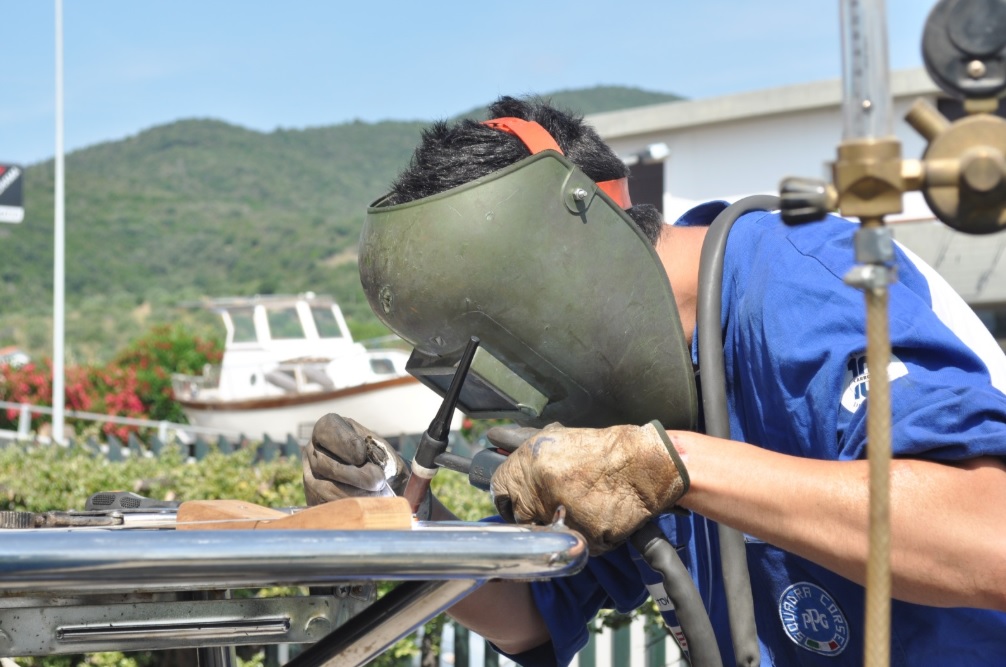
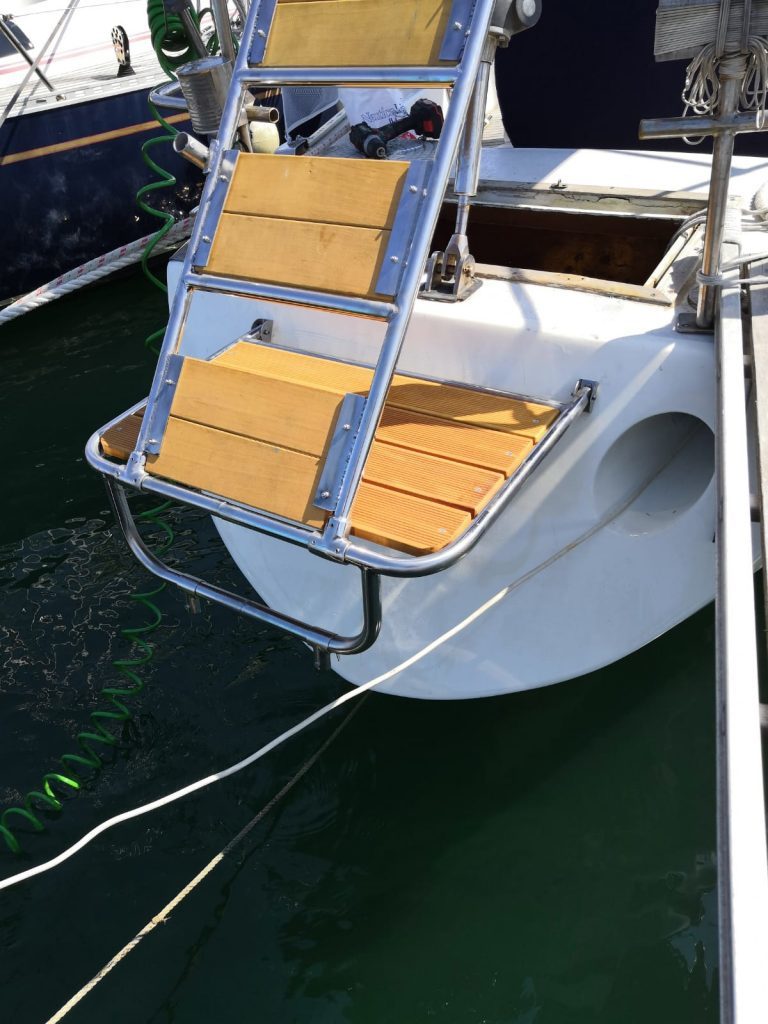
In this instance, the task our student-welder undertook involved the construction of a stern platform using TIG welding; a brief description of the manufacturing stages that led to the completion of the nautical accessory will follow.

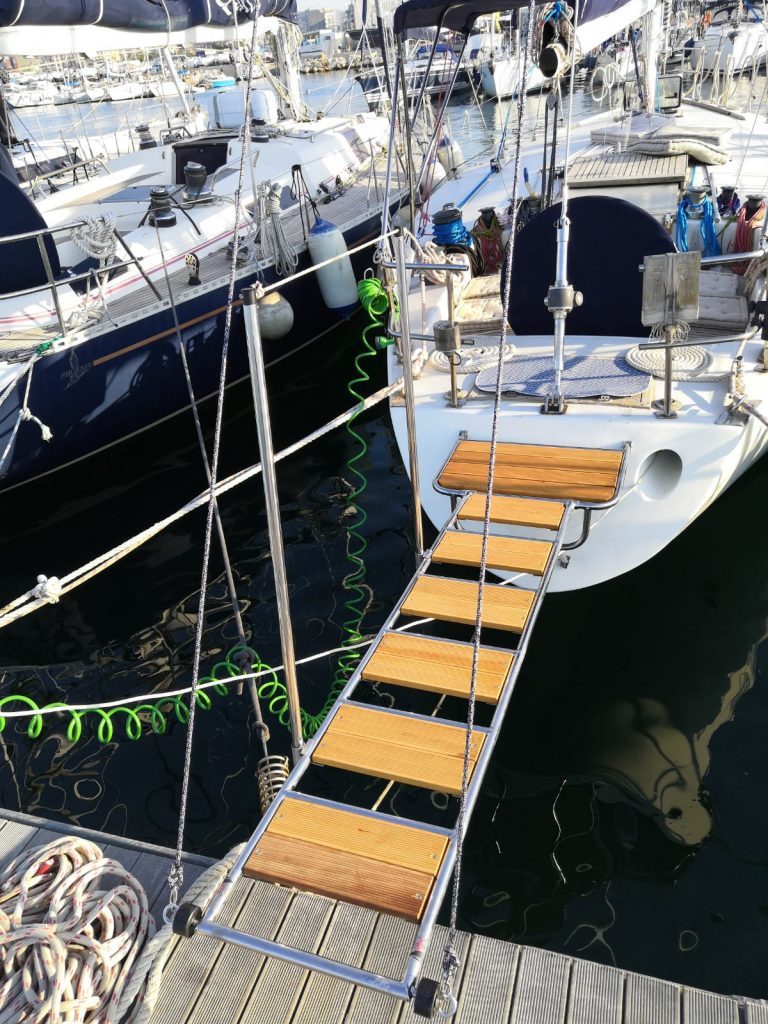
swim platform with gangway

Construction of the Stern Platform

First of all, however, here are some clarifications!

The stern platform is one of the most requested nautical accessories; it particularly serves to provide more space on the boat. In fact, many people mount the life raft directly under the stern platform to avoid occupying a locker on board. It is especially useful for boarding and disembarking from pontoons, and it also provides excellent support for taking a shower when re-boarding the boat after swimming, to avoid wetting the interior.

It is also useful for supporting a gangway or attaching a boarding ladder and proves to be a functional and aesthetically appealing item, especially when made with quality materials; typically, mirror-polished AISI 316 stainless steel tubes are used for their construction.

For this type of fabrication, the TIG welding method was used; this is an arc welding process performed using a non-consumable tungsten electrode, under the protection of an inert gas. This welding methodology is particularly widely used (and was already developed in the first half of the 20th century for wartime production in the aeronautical industry) but requires the employment of highly specialized operators, in addition to excellent quality of the materials used (let's remember that they will need to be cut, cleaned, and trimmed).

Below are the steps for manufacturing the stern platform

DESIGN

To proceed with fabrication, it is first necessary to study and understand how to interpret a design, taking into account potential issues that may arise during the welding phase.

PART PREPARATION

After studying the drawing, the next step is the fabrication of the parts to be welded, which must then be degreased from the emulsified cutting fluid of the cutting machine, trimmed of burrs caused by cutting, and drilled according to the requirements specified in the design.

ASSEMBLY AND WELDING

It is crucial to always start with a suitable work surface to ensure that the parts to be joined are square with each other. Once the ground clamp is connected and the parts are positioned, a "tack welding" process is performed, which helps compensate for the thermal expansion that occurs with the high temperatures of welding (the twisting effect during welding is significant, and it becomes more pronounced the longer the welded section).

Once the parts are tack-welded, their correct inclination is checked with a square, ensuring they have not undergone excessive "torsions," which will be adjusted before performing the final weld.

Welding will be performed in alternating sections so that any potential distortions are compensated, maintaining the desired inclinations.

The welds thus obtained will already be firmly joined by fusion, but it is advisable to always add filler material to increase their solidity.

PICKLING AND CLEANING

Once the welds have cooled, pickling can be performed. This is a chemical process that removes the discoloration immediately from steel subjected to high temperatures.

The reaction with these chemicals is highly aggressive and must be carried out with appropriate clothing and protection in well-ventilated areas.

Application and usage times must always be respected, even if it appears not to have worked properly, as the actual result will only be visible after a final rinse.

FINAL CONSIDERATIONS

Given that we work with AISI 316 stainless steel, which is the preeminent steel for marine applications, this type of steel loses its qualities once heated if not properly treated (pickled and polished).

Polishing involves applying additional chemical reagents that restore the characteristics of 316 stainless steel deteriorated by high temperatures.

Once these products have also been used, it is advisable to rinse thoroughly with water to eliminate any traces of the aforementioned agents.

If the part we intend to fabricate requires it, the entire surface can be polished to a mirror finish using specific brushes and polishing pastes with progressively finer grits.

ITAFORMA - Metalworking Welding Courses | finished swim platform with gangway | ItaForma School | Welding Course

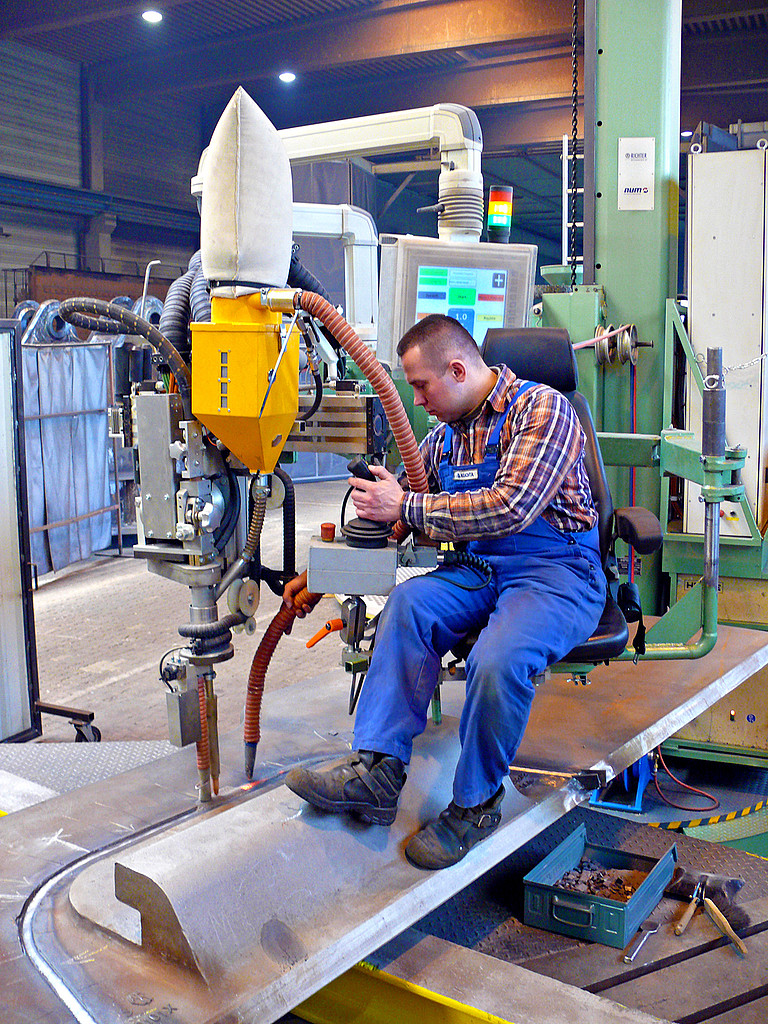
Submerged Arc Welder

Submerged arc welding

The submerged arc welding process, conforming to EN ISO 1-121, transforms the traditional welder's role into that of a specialized machine operator.

Submerged Arc Welding enables a significant material deposition per welding pass, thereby considerably reducing welding times. Unlike other welding processes, no gap (air) is left between the two parts to be welded (joints); instead, the machine's penetration power from one side, followed by the back gouging from the other, ensures the complete welding of the joint.

Submerged Arc Welding Course

The submerged arc welder, as is evident, becomes a highly specialized machine operator; very few in Italy are capable of operating this machine, despite it being a highly sought-after role in the job market. Our Submerged Arc Welding Course enables you to become a submerged arc welding specialist, capable of precisely adjusting, operating, mastering, and controlling this particular welding machine. At the end of the welding course, you will take an exam, and upon successful completion, we will issue the Submerged Arc Welding Certificate from the Italian Welding Institute.

Submerged arc welding school

Our Submerged Arc Welding School is the only one in Italy to train highly specialized welders, ready to work in companies, starting from scratch.

Submerged arc welding machine

The submerged arc welding machine is composed as follows: a current generator of at least 1000 amperes is mounted at the base of a "manipulator," which is a metal arm with vertical and horizontal movement. The manipulator is mounted on a swivel base, usually manual. The vertical arm, at its extreme tip, holds a small hopper containing the "welding flux," which, thanks to a diffuser, ensures the flux is deposited on the joint/workpiece to be welded.
Behind the hopper, a wire feeder spool is positioned, where the wire coil (electrode) is placed to continuously feed the weld.
The submerged arc welding machine, complete with all the aforementioned parts, is mounted on a carriage with iron wheels that moves on rails. This allows for the machine's movement, which, in the case of horizontal welding, will advance at the speed programmed by the submerged arc welder. The welding machine, thus equipped and expertly operated by a skilled submerged arc welder, deposits the filler metal into the joint/workpiece with extreme precision.
The submerged arc welding machine works in conjunction with an essential piece of equipment: the turning rolls, a rotating machine where the workpiece to be welded is positioned. The turning rolls will be programmed in sync with the advancement of the submerged arc welding machine, ensuring that the weld deposition in the joint is automatic and linear.

Unlike other welding processes, no welding flash will be visible because the molten pool will be entirely submerged by the flux. This flux serves the dual function of acting as an antioxidant and simultaneously imparting specific properties to the weld pool for the particular application. The turning rolls will rotate at the speed predetermined by the submerged arc welder, while the wire will emerge from the welding machine's nozzle, and by short-circuiting within the joint, it will initiate the weld deposition. 

For more information on the submerged arc welding course offered by our welding school, please do not hesitate to contact us. 

Continuous Wire Welder

WIRE WELDER

Wire Welding Course

Wire Welding

As anticipated at the close of the previous article, today I will discuss the MIG/MAG Wire Welding procedure “EN ISO 9606-1 136”  

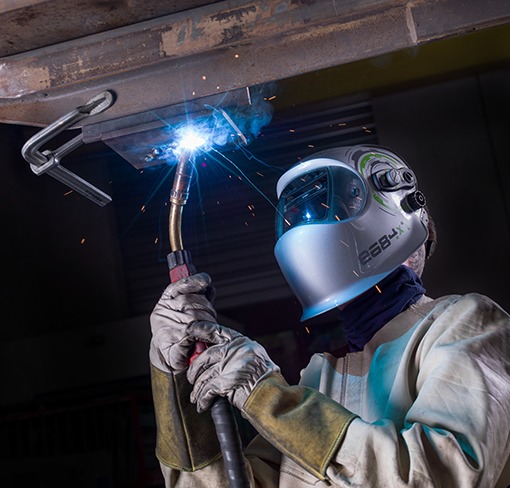
Wire Welding is also known as semi-automatic continuous wire welding, as it is not solely a manual process but utilizes a generator connected to an external unit containing a 15 kg spool of filler wire. The wire spool (which replaces the electrode) can be solid wire or flux-cored wire. This welding process allows for continuous welding, providing the welder with significant autonomy.

The MIG MAG Continuous Wire Welding process utilizes a shielding gas mixture. The composition of the gas mixture depends on the materials to be welded, but carbon dioxide and argon gas are often used.

MIG MAG Continuous Wire Welding Process

The MIG/MAG wire process is certainly the most widespread in metalworking workshops worldwide, and its learning, in my opinion, is much simpler than other welding techniques.
New machines are equipped with an advanced onboard computer which, if properly configured, greatly simplifies welding, as the program allows for adjusting the weld based on the type of workpiece-joint to be welded.

MIG-MAG Continuous Wire Welder Certificate

The qualification process to obtain the Wire Welding Certificate is similar to what was already explained in the article on shielded metal arc welding. The joint-workpiece to be welded during the final exam is fixed in a vertical position and welded with full penetration and a back pass.

Our MIG-MAG Continuous Wire Welding Course

At our Welding School, the learning period for this welding process is approximately one intensive month of welding. With our certified teaching method, students weld for approximately 100 hours very intensively, and the success rate for passing the final exam is extremely high. Upon successful completion of the final exam, we will issue you an International Welding Certificate certified by the Italian Institute of Welding, an entity recognized by all Italian companies that hire welders.

For more information on our MIG MAG continuous wire welding course, click here to go to the dedicated page or call 3355985920.

In the next article, we will discuss Submerged Arc Welding.


Mimmo, Senior Welding Inspector

TIG-ARGON Welder

TIG-ARGON Welder Course

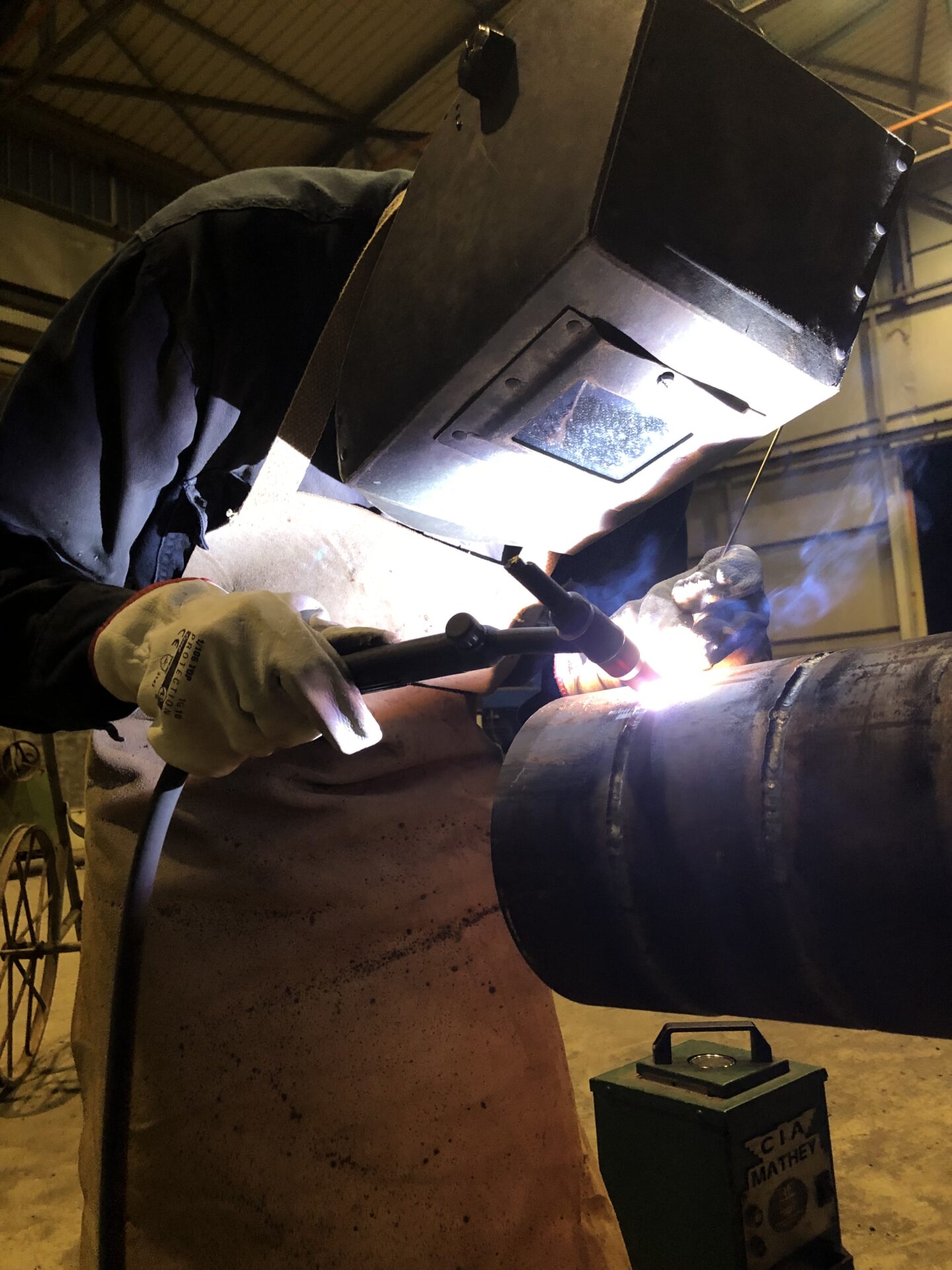
As I mentioned in the previous article, today we will discuss the TIG Welder, also known as an Argon Welder, and I'll start by clarifying that TIG stands for: Tungsten Inert Gas. 

In this type of welding, the welder uses a torch where a tungsten (non-consumable electrode) is inserted to serve as a conductor. Inside the torch, Argon gas passes through a diffuser, which will protect the weld pool. This is why a TIG welder is also called an Argon Welder. 

The TIG welder is a highly specialized welding professional. Many aspire to become Argon Welders because they are the most in-demand and best-paid welders in the job market. Companies, if they don't know the welder, will ask if they possess the TIG and Electrode Welding Certificate “EN ISO 9606-1 141/111” before hiring them. This certificate covers two different welding techniques: the first is called 'TIG root pass' and the second is 'filling and finishing with covered electrode clamp.' The latter is the procedure I explained in the previous article on electrode welding. 

You will therefore understand that obtaining the TIG and Electrode Certificate is not easy, as it requires mastering both welding types.

Almost all welders aspire to become 'Argon Welders,' but this is only possible through years of experience or by attending a genuine, comprehensive Welding Course with extensive practical hours. In my experience, a TIG and Electrode course with fewer than 100 hours of pure welding practice is completely ineffective, as it doesn't provide enough time to acquire the manual skills and experience that companies will later require.  

At our Welding School, we offer the Electrode Welder Course, the TIG Welder Course, and the TIG and Electrode Welder Course.

Often, our students begin with the Electrode Welding Course (Proc. 111). Once they pass the exam and receive their certificate, they gain work experience as electrode welders. Later, they decide to complete their training path and enroll in the TIG Welder course to obtain an additional certificate.

Alternatively, students sometimes opt for the combined TIG and Electrode course directly, which is a comprehensive course (Proc. 141/111). It lasts one month, and at the end of the course, students take the TIG and Electrode Welding Certificate Exam. The exam involves welding a two-inch joint positioned at 45° in 11.8 mm thick carbon steel. The welded piece will be X-rayed, and if no welding defects are found, we will issue you an International Welding Certificate valid for diameters from 1″ to infinite and for pipe thicknesses from 3 mm to 23 mm. 

If you want more information on TIG welding and our TIG welder courses, click here to visit our website page. 

Mimmo Welding Inspector Senior